

What happens when your refrigerator dies on a Friday afternoon in July, with a holiday weekend ahead and a house full of groceries? In Orlando, that scenario plays out more often than newcomers expect. The heat, the humidity, the constant cooling load, and the sheer number of households moving in and out of the metro create a steady churn of appliance purchases, repairs, and replacements. Knowing how the local market works can save you hundreds of dollars and a lot of frustration.
Why Orlando Is a Different Market for Appliances
Orlando is not a typical appliance market. The metro area has grown quickly, with new subdivisions, rental communities, and short-term vacation properties all competing for the same inventory. That has two effects. First, big-box retailers and local dealers stock heavily because demand is consistent. Second, because so many homes are rentals or vacation units, buyers often prioritize durability and easy service over premium features.
The climate matters too. Air conditioners and refrigerators work harder here than in most of the country. A fridge in a garage in Orlando faces weeks of 90-degree heat, which pushes the compressor harder than the manufacturer’s lab tests assume. Washers deal with humid laundry rooms. Dishwashers contend with water chemistry that varies across Central Florida. These aren’t abstract concerns; they shape which models actually last.
Then there is the storm season. Power outages during hurricane season can spoil food, damage compressors, and leave homeowners scrambling. FEMA guidance on power outages emphasizes unplugging appliances before power returns and using generators carefully, because a surge when the grid comes back can fry electronics in a modern refrigerator or washer.
The Main Buying Channels and How They Differ
Orlando shoppers have four broad options, and each fits a different situation.
| Channel | Best for | Watch out for |
|---|---|---|
| National big-box stores | Price matching, wide inventory, fast delivery | Delivery windows can slip during peak moving season |
| Local independent dealers | Service relationships, installation expertise | Smaller floor models, less price flexibility |
| Appliance repair shops that also sell | Hard-to-find parts, refurbished units | Limited warranties on refurbished stock |
| Online retailers | Niche brands, comparison shopping | Returns are expensive; installation is often outsourced |
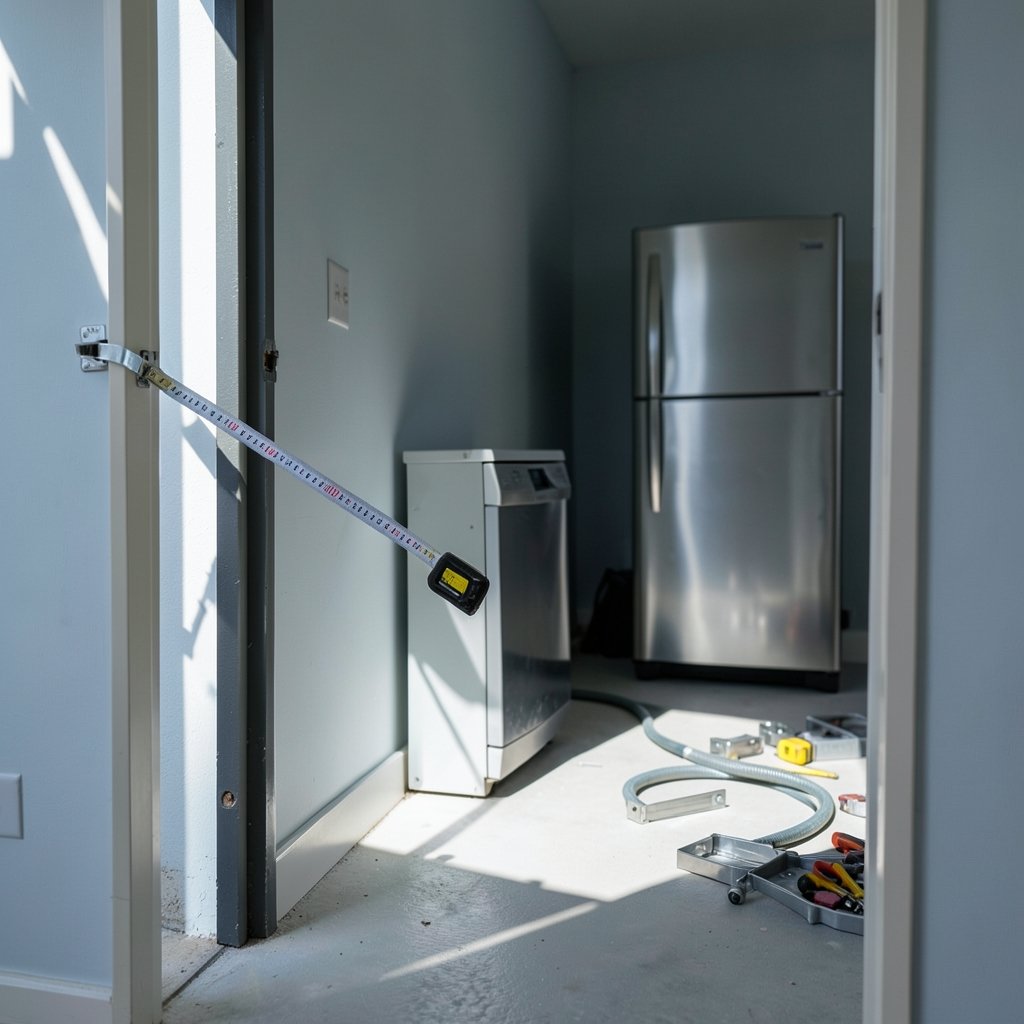
A practical tip from people who have done this repeatedly: buy the installation as well as the appliance. A dishwasher that arrives without a proper install kit, or a refrigerator that won’t fit through a doorway because nobody measured the door frame, turns a good deal into a bad week. Measure the opening, the doorway, and the path from the truck to the kitchen before you buy.
What Actually Breaks in Central Florida Homes
Repair technicians in the region consistently report the same handful of failures. Refrigerators lose their cooling because of dirty condenser coils, failed start relays, or blocked vents. Washers fail at the door boot or the drain pump. Dryers clog with lint and overheat. Dishwashers develop leaks at the door gasket or the supply line.
The common thread is maintenance, or the lack of it. Coils that are never cleaned force the compressor to run longer, which shortens its life. Lint traps that are never cleared create a fire risk. Water filters that are never changed leave sediment that damages valves.
A simple routine goes a long way:
- Vacuum refrigerator coils twice a year, more often if you have pets.
- Run a washer cleaning cycle monthly with a dedicated cleaner rather than hot water alone.
- Clear the dryer lint trap after every load and the vent duct once a year.
- Check dishwasher filters and door gaskets quarterly.
- Test GFCI outlets in kitchens and laundry rooms monthly.
None of this is glamorous, but it is the difference between a ten-year appliance and a five-year one.
Reading the Labels Before You Pay
Every major appliance sold new in the United States carries a yellow EnergyGuide label showing estimated annual energy use or cost. The label is required under federal labeling rules, and it is the single most useful tool for comparing two models that look identical on the showroom floor. A refrigerator that costs $100 more but uses noticeably less electricity each year can pay back the difference over its lifetime.
ENERGY STAR is a voluntary program that identifies appliances meeting efficiency levels above the federal minimum. For Orlando households, where cooling loads are high and electricity bills climb in summer, choosing an efficient refrigerator, dishwasher, and washer is a genuine money-saver. Just remember that qualification criteria are revised periodically, so a model that qualified a few years ago may not qualify today.
Federal minimum efficiency standards are set by the Department of Energy and updated through rulemaking. That means the baseline shifts over time, and a model that was cutting-edge five years ago may now be merely average. When comparing, check the current standard rather than relying on memory.
Florida’s building code also incorporates energy-efficiency provisions that affect appliances and equipment in new construction. If you are buying a new-build home in the Orlando area, the appliances included may already reflect those requirements. Verify specifics with the Florida Building Commission rather than assuming.
New, Refurbished, or Repair?
The most common mistake Orlando homeowners make is replacing an appliance that could be fixed. A refrigerator that isn’t cooling may need a $40 relay, not a $1,500 replacement. A washer that won’t drain may need a $25 pump. Before you shop, get a diagnosis. Many local repair services charge a service call fee that is applied to the repair if you proceed, which makes the diagnosis cheap insurance.
That said, repair stops making sense at a certain point. A rough rule of thumb many technicians use: if the repair costs more than half the price of a comparable new unit, and the appliance is past the midpoint of its expected life, replacement usually wins.
Refurbished appliances are a real option in Orlando, especially for rental property owners who need a working unit quickly and cheaply. The catch is warranty coverage. Ask specifically what is covered, for how long, and who performs the service. A 30-day parts-only warranty on a refurbished washer is very different from a one-year parts-and-labor warranty.
Warranty Rights You Should Know
Written warranties on consumer products, including appliances, are governed by the federal Magnuson-Moss Warranty Act. The law does not require a warranty, but if one is offered, it sets rules about how the terms are disclosed and enforced. In practice, this means you should read the warranty document before you buy, not after something breaks.
Two details trip people up. First, extended warranties sold at checkout are service contracts, not manufacturer warranties, and their terms vary wildly. Second, some warranties require you to use authorized service providers; using an independent technician during the warranty period can void coverage. Ask before you call anyone.
The Right-to-Repair Question
Across the country, several states have enacted right-to-repair laws covering electronics and appliances in recent years, giving consumers and independent shops better access to parts, tools, and documentation. Florida’s status is worth checking directly rather than assuming, because the legal landscape is evolving and varies by product category. If access to parts matters to you, ask the dealer whether the manufacturer sells parts and service documentation to independent shops.
Delivery, Installation, and the Moving-Season Crunch
Orlando’s rental cycles and the constant flow of new residents create predictable delivery bottlenecks. Late spring through early fall, when leases turn over and families relocate, delivery windows stretch. Booking installation a week or two ahead, and confirming the day before, prevents the classic scenario of a refrigerator sitting in a garage for four days.
Haul-away is another detail worth confirming. Many retailers will remove the old appliance, but some charge extra or exclude certain items. Refrigerant-containing appliances are regulated at the state and county level in Florida, so disposal rules vary. Confirm what happens to the old unit before the truck arrives.
If you are also handling a vehicle move or a home purchase alongside the appliance shuffle, it helps to keep your logistics straight. Some Orlando households end up juggling a new kitchen and a new garage at the same time, which is why guides like 2027 Toyota Land Cruiser buyers can realistically expect and the breakdown of 2027 Land Cruiser buyers can realistically expect get read alongside appliance checklists. It is all part of the same moving puzzle. (Read orlando magic vs detroit pistons match player stats)
What to Ask Before You Sign
A short list of questions separates a smooth purchase from a headache:
- What is the exact delivery date and time window, and what happens if it slips?
- Is installation included, and does it cover haul-away and hookup?
- What is the manufacturer warranty length for parts and for labor?
- Who performs warranty service locally, and how long is the wait?
- What is the return policy if the unit is damaged or the wrong size?
- Does the price include the power cord, water line, or install kit?
Asking these six questions takes five minutes and prevents most of the complaints that show up after a purchase.
Efficiency Rebates and Utility Programs
Local utilities have historically offered efficiency rebates for appliances and equipment, and program terms change with each cycle. Before buying, check whether your utility currently offers a rebate on the specific model you want, and confirm the paperwork requirements. Rebates often require the old unit to be recycled and the purchase to be made within a certain window, so timing matters.
Conclusion
Buying appliances in Orlando rewards preparation more than brand loyalty. Measure first, read the EnergyGuide label, ask about installation and haul-away, and get a diagnosis before you replace anything. The climate here is hard on refrigerators and air conditioners, so maintenance is not optional. And because the market moves fast during moving season, booking early beats shopping late. Do those things, and the Friday-afternoon refrigerator emergency becomes a manageable errand instead of a crisis.
Frequently Asked Questions
How often should I replace major appliances in Orlando?
There is no fixed schedule, but the combination of heat, humidity, and heavy use tends to shorten service life compared with cooler climates. Refrigerators commonly last 10 to 15 years with regular coil cleaning, washers 8 to 12 years, and dishwashers 8 to 10 years. Maintenance matters more than the calendar.
Is it worth buying ENERGY STAR appliances in Orlando?
For refrigerators, dishwashers, and washers, generally yes. Higher efficiency means lower electricity use during the long cooling season, when bills are highest. Compare the EnergyGuide estimates for the specific models you are considering rather than assuming all qualifying models perform the same.
Should I repair or replace a broken appliance?
Get a diagnosis first. If the repair costs less than half the price of a comparable new unit and the appliance is within its expected lifespan, repair usually makes sense. If it is older and the repair is major, replacement is often the better financial choice.
Do I need to be home for appliance delivery?
Most retailers require an adult to be present to sign for delivery and authorize installation. Confirm the policy when you book, and check whether the delivery team will hook up water lines and power cords or simply drop the unit.
What happens to my old appliance after haul-away?
Retailers that offer haul-away typically recycle the unit, but policies vary. Appliances containing refrigerant are subject to state and county disposal rules in Florida, so confirm the process before delivery day rather than leaving the old unit on the curb.
Can I use an independent repair shop during the warranty period?
Sometimes, but not always. Some manufacturer warranties require authorized service providers, and using an independent technician can void coverage. Read the warranty terms or call the manufacturer before scheduling a repair on a unit still under warranty.



