
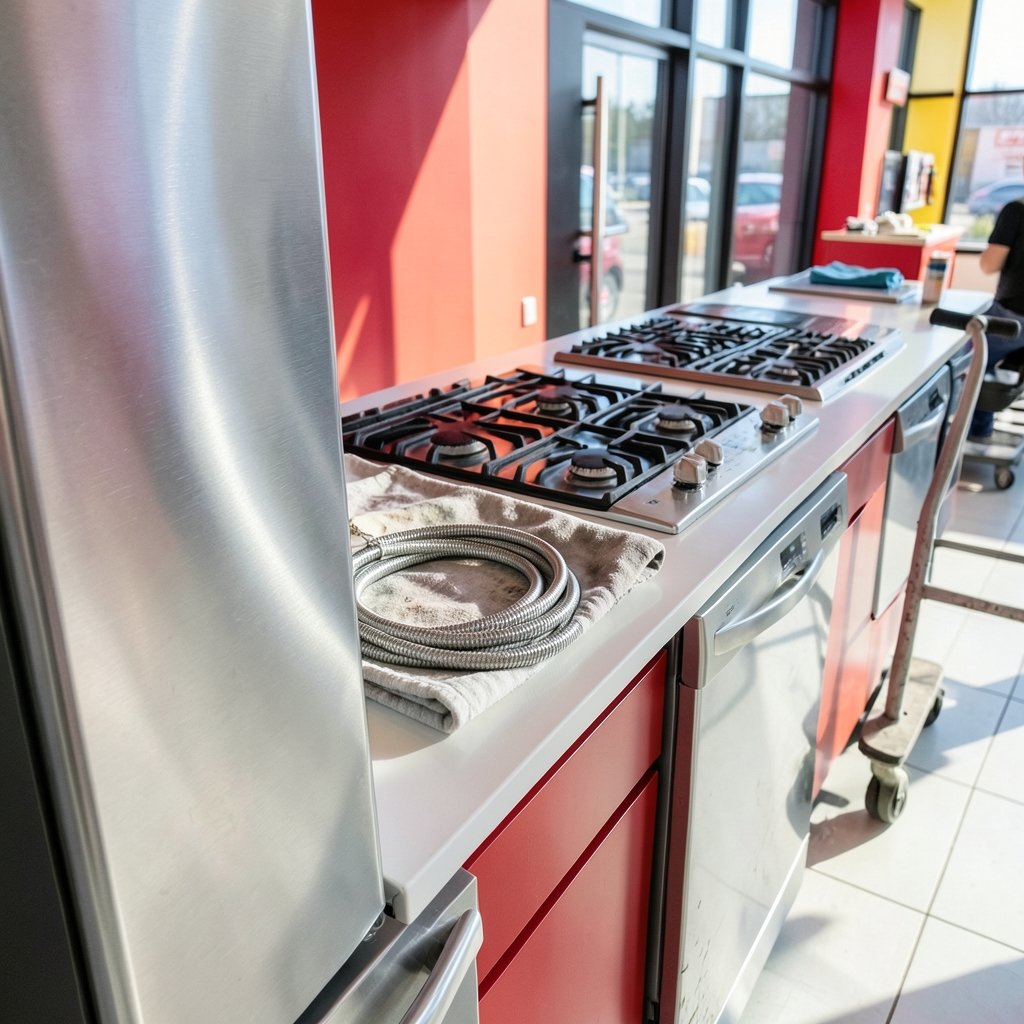
Where should you buy a refrigerator, range, or dishwasher? If you ask ten people, you’ll get ten answers, and most of them will be wrong for your situation. The honest truth is that there is no single best store. The right answer depends on what you’re buying, where you live, how much help you need with delivery and installation, and how much risk you’re willing to take on returns. (Perfume mystery box blind buy fragrance bundles really work)
This guide skips the store-ranking fluff and gives you a decision framework you can actually use. You’ll learn why the sticker price is rarely the real price, which channels suit which appliances, and the mistakes that cost people hundreds of dollars on a single purchase.
Why “best place” depends on the appliance, not the store
A toaster and a French-door refrigerator are not the same purchase, even though both sit in the same aisle. Small appliances are cheap to ship, easy to return, and almost always cheapest online. Large appliances are heavy, fragile, need hookups, and generate the most expensive problems when something goes wrong.
That split explains why a single “best store” verdict usually falls apart. A retailer that’s perfect for a stand mixer may be a poor choice for a slide-in range that needs a gas line disconnected and a old unit hauled away. Before comparing stores, sort your purchase into one of two buckets: things you can carry, and things that require a crew.
For the carryable category, online marketplaces and big-box websites win on price and selection almost every time. For the crew category, the retailer’s logistics and service reputation matter as much as the price tag.
The real price includes delivery, haul-away, and installation
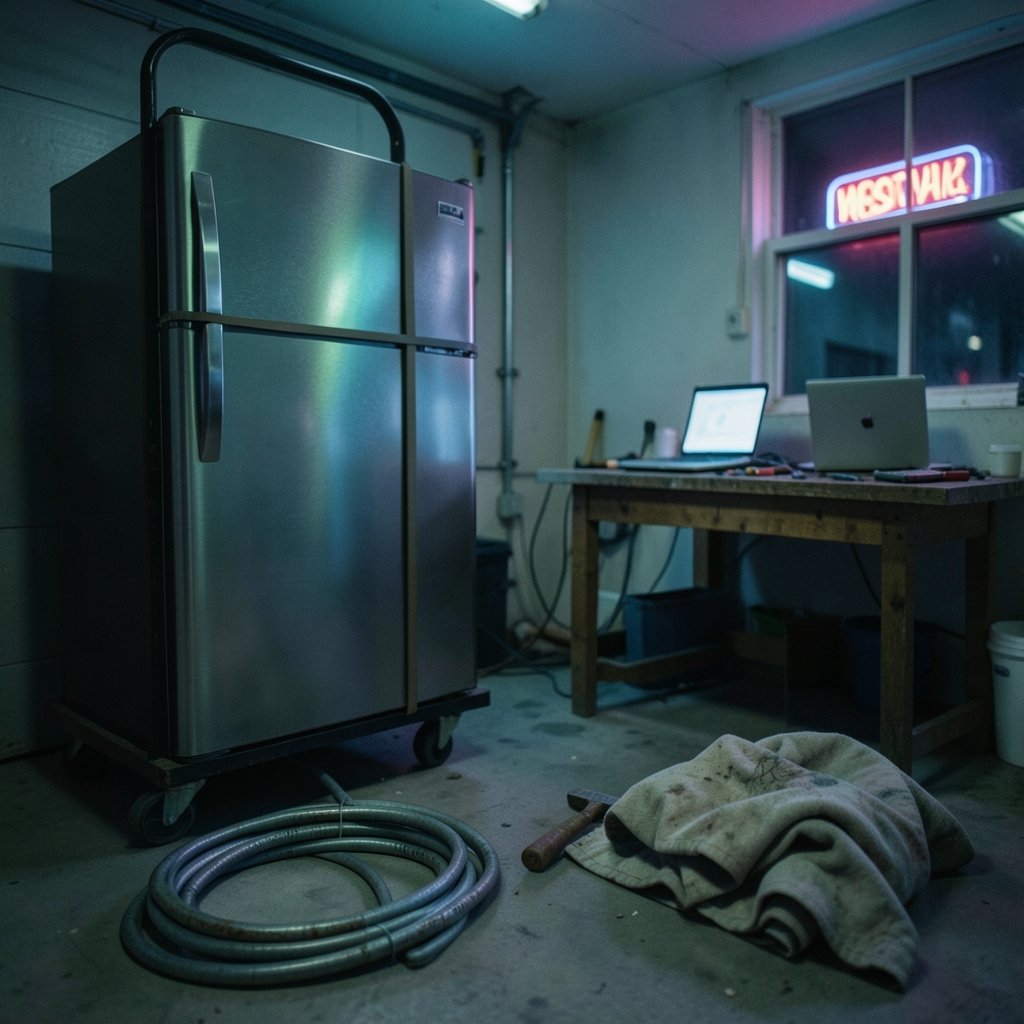
This is the single biggest mistake appliance buyers make: comparing sticker prices instead of out-the-door totals. A refrigerator listed at one store for less money can cost more once you add delivery, old-unit removal, and hookup fees. Those charges vary widely by retailer and region, and they change often, so treat any specific fee you read online as a starting point to verify, not a fact.
Build a simple comparison sheet before you shop:
| Cost line | What to check |
|---|---|
| Sticker price | Sale price, not MSRP |
| Delivery | Free threshold, stair fees, scheduling window |
| Haul-away | Is old unit removal included or extra? |
| Installation | Hookup included? Gas, water, or electrical extra? |
| Parts | New hoses, cords, or connectors billed separately? |
| Return window | Days allowed, restocking fee for large items |
Add those lines up for two or three retailers and the ranking often flips. A store with a slightly higher sticker but free delivery, free haul-away, and included hookup frequently wins by a wide margin.
Big-box stores: convenience and predictable logistics
National big-box retailers are the default for most people, and for good reason. They carry broad inventory, offer scheduled delivery in most metro areas, and bundle haul-away with delivery on many large items. Their return policies are usually clearly written, and you can inspect floor models in person before buying.
The trade-offs are real, though. Service quality varies by location and by the third-party delivery contractor assigned to your route. Installation is sometimes subcontracted, which means the person at your door may not be a store employee. And large appliances often carry shorter return windows and restocking fees than general merchandise, so read the policy for that specific item class rather than the store’s general policy. (Best Flight Sticks for Beginners: Top Picks & Guide)
Practical tip: schedule delivery for a day you can be home for the full window, and inspect the unit for dents before signing anything. Once the delivery crew leaves, proving shipping damage gets harder.
Local independent dealers: service you can call back
Independent appliance dealers cost more on paper, but they often deliver something the big boxes struggle with: accountability. Many independents use their own delivery and installation staff, handle warranty paperwork for you, and will pick up the phone when a dishwasher leaks three weeks after install.
Authorized-dealer status matters here. Manufacturer warranties generally follow the product regardless of where you bought it, but some brands restrict coverage to authorized resellers. Buying from an unauthorized seller to save a few dollars can quietly void your protection. Ask directly whether the store is an authorized dealer for the brand, and get it in writing on the receipt.
The catch is price and selection. Independents may not match big-box promotions, and they may need to order a model rather than stock it. If you’re buying a single mid-priced appliance during a holiday sale, the gap can be significant. If you’re buying a whole kitchen suite or a high-end brand, the service premium often pays for itself.
Online-only retailers: great for small, risky for large
Online-only sellers are usually the cheapest option for small appliances, and often competitive on large ones too. The problem is what happens after the sale. Returning a 300-pound refrigerator through a mail carrier is a logistical nightmare, and freight returns can involve restocking fees and scheduling hassles that erase the savings.
If you buy a large appliance online, check three things before checkout: who handles delivery and installation, what the return window and restocking fee are for that item class, and whether the seller is an authorized dealer. If any of those answers is vague, consider paying a bit more locally.
For small appliances, the calculus is simple. Price and return policy are the only real variables, and online usually wins both. If you’re also outfitting a home office or reading nook alongside the kitchen, the same logic applies to other gear categories, and it helps to compare how retailers handle returns across product types before you commit.
Open-box, scratch-and-dent, and outlet channels
Open-box and scratch-and-dent units are a legitimate way to save real money, often 20 to 40 percent off, and many carry the full manufacturer warranty. The catch is that you’re buying a specific unit with specific flaws, so inspection matters.
What actually works in practice: visit in person, plug the unit in if possible, photograph every dent, and confirm in writing that the warranty is intact and the return window applies. What doesn’t work: buying a scratch-and-dent unit sight unseen and assuming the damage is cosmetic. Cosmetic dents near door seals or control panels can become functional problems.
Outlet stores run by manufacturers are another option, especially around model-year changeovers when older stock gets cleared. New efficiency standards can also trigger clearance of older models, which is a genuine buying opportunity if you don’t need the newest feature set.
Rebates and incentives can change the winner
Utility rebates and state or federal efficiency incentives can make a higher-priced efficient model cheaper overall than a cheaper inefficient one. Eligibility varies by ZIP code and by program year, and programs are volatile, so check your utility’s website and your state energy office before you choose a retailer. A rebate you can’t claim because you bought the wrong model or from the wrong channel is money left on the table.
This is also why the yellow EnergyGuide label deserves more attention than it usually gets. The label exists so buyers can compare operating cost alongside purchase price. For a refrigerator or dishwasher you’ll keep for a decade, the energy difference between two models can exceed the price gap between them. The purchase price is often a minority of lifetime cost for major appliances.
Timing: when sales actually happen
Appliance promotions cluster around holiday sales and model-year changeovers. That’s not a secret, but the practical implication is: don’t buy in a hurry during a random week if you can wait for a sale window, and don’t assume the sale price is the best price without checking a second retailer.
One underrated timing trick: check whether a new model year is about to land for the specific product you want. When it does, the outgoing model often drops sharply. The same logic applies elsewhere in consumer tech, where waiting for a refresh can save real money, and it’s worth understanding how that cycle works before you buy anything with a model number.
A quick decision framework
Here’s the framework in plain terms:
- Sort your purchase into carryable versus crew-required.
- For carryable items, compare online prices and return policies, then buy.
- For crew-required items, build an out-the-door cost sheet across at least three retailers.
- Confirm authorized-dealer status for your brand.
- Check rebate eligibility before choosing a model.
- Read the return policy for that specific item class, not the store’s general policy.
- Schedule delivery for a day you can inspect the unit.
That sequence takes about an hour and routinely saves more than any coupon code.
Mistakes that cost real money
The most common errors are predictable. Buying on sticker price alone. Skipping the haul-away question and then paying a separate fee to dispose of the old unit. Assuming the store’s general return policy applies to a refrigerator. Buying from an unauthorized seller and discovering the warranty won’t be honored. And scheduling delivery for a day when nobody can be home to inspect the unit.
A less obvious one: not asking who actually performs the installation. If the answer is a subcontractor, ask what happens if the hookup fails. The retailer’s dispute process is your real safety net, and it’s worth knowing how it works before you need it.
If you’re furnishing a whole home rather than just a kitchen, the same cost-stacking logic applies to big decisions like choosing a neighborhood or budgeting for a house purchase, where the headline number hides the real total. The principle is identical: compare out-the-door costs, not advertised ones.
Conclusion
The best place to buy kitchen appliances isn’t a store name. It’s whichever channel gives you the lowest out-the-door cost with a return policy and service process you trust for that specific appliance. Small items go online. Large items go to whoever handles delivery, installation, and haul-away cleanly at a fair total. Independents earn their premium on service and warranty backup. And rebates, timing, and open-box channels are the levers that separate a good deal from a great one. Build the cost sheet, verify the dealer status, read the item-class return policy, and the right answer for your kitchen becomes obvious.
Frequently asked questions
Is it cheaper to buy kitchen appliances online or in a store?
For small appliances, online is almost always cheaper. For large appliances, the sticker price online is often lower, but delivery, installation, and return logistics can erase the savings. Compare out-the-door totals rather than list prices.
Does the manufacturer warranty still apply if I buy from an unauthorized seller?
Not always. Warranties generally follow the product, but some manufacturers restrict coverage to authorized resellers. Confirm authorized-dealer status before buying, especially for high-end brands.
Should I buy an open-box or scratch-and-dent appliance?
It can be a smart way to save 20 to 40 percent, and many open-box units keep the full manufacturer warranty. Inspect in person, photograph the damage, and confirm the warranty and return window in writing before paying.
When is the best time of year to buy appliances?
Promotions cluster around holiday sales and model-year changeovers. Clearance of older stock also happens when new efficiency standards take effect. If you can wait for a sale window, you’ll usually pay less than during a random week.
Do utility rebates really change which store is best?
Yes. Rebates and efficiency incentives vary by ZIP code and program year, and they can make a pricier efficient model cheaper overall. Check your utility and state energy office before choosing a retailer or model.
How long is the return window on large appliances?
It’s often shorter than the store’s general return policy, and restocking fees may apply. Read the policy for that specific item class before purchase, and inspect the unit at delivery so damage is documented immediately.



