
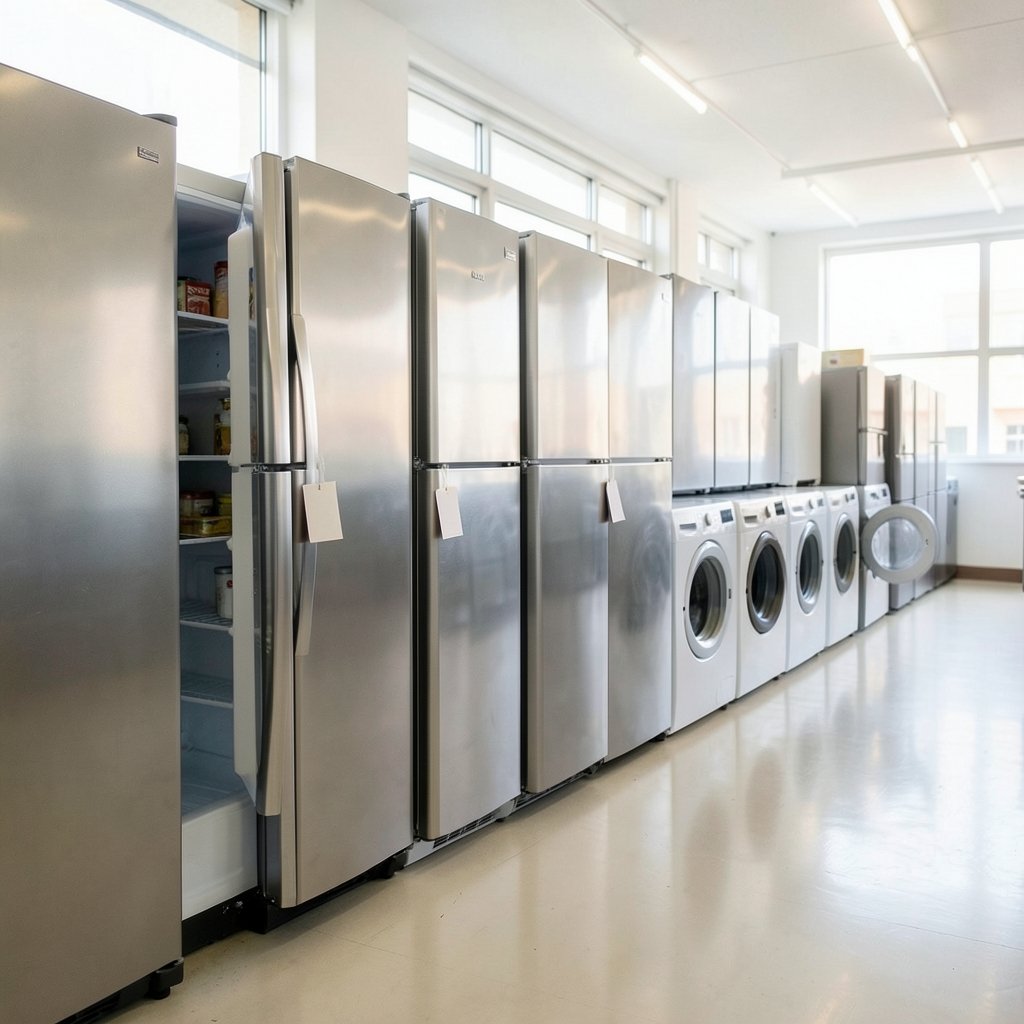
Where should you buy a refrigerator or washer so you get a fair price, real service, and a delivery crew that doesn’t ding your new fridge on the way in? That question gets harder every year as showrooms close and online sellers multiply. The honest answer is that no single store wins on every measure. The best place to buy appliances depends on what you’re buying, how soon you need it, and how much risk you’re willing to carry yourself.
This guide breaks down the real options, the costs nobody advertises, and the consumer protections that should shape your decision before you swipe a card.
The Short Answer: Match the Store to the Purchase
There is no universal champion, but there is a sensible default for most households. Big-box chains and warehouse clubs tend to win on price and selection. Independent dealers tend to win on advice, delivery care, and service after the sale. Local appliance-only stores often split the difference.
A practical rule: buy commodity items where price rules, and buy complicated or expensive items where service rules. A basic top-freezer fridge is a commodity. A built-in refrigerator with custom panels, a heat-pump dryer, or a range with a downdraft vent is not.
| Retailer type | Strengths | Weak spots | Best for |
|---|---|---|---|
| Big-box chain | Wide stock, frequent promotions, easy returns | Delivery quality varies by location, installation often outsourced | Mid-range appliances bought on price |
| Warehouse club | Low margins, extended warranty bundles | Limited brands, bulky return logistics | Simple, proven models |
| Independent dealer | Expert staff, in-house delivery and repair | Higher sticker prices, smaller inventory | Premium, built-in, or hard-to-service units |
| Local appliance store | Personal accountability, price matching | Fewer locations, limited hours | Buyers who want one person to call |
| Online-only retailer | Deep catalog, easy comparison | Delivery damage disputes, no showroom | Small appliances and hard-to-find parts |
| Manufacturer direct | Promotions, closeouts, scratch-and-dent | Fewer service options | Deal hunters who know the model |
Why “Best Place” Depends on What You’re Buying
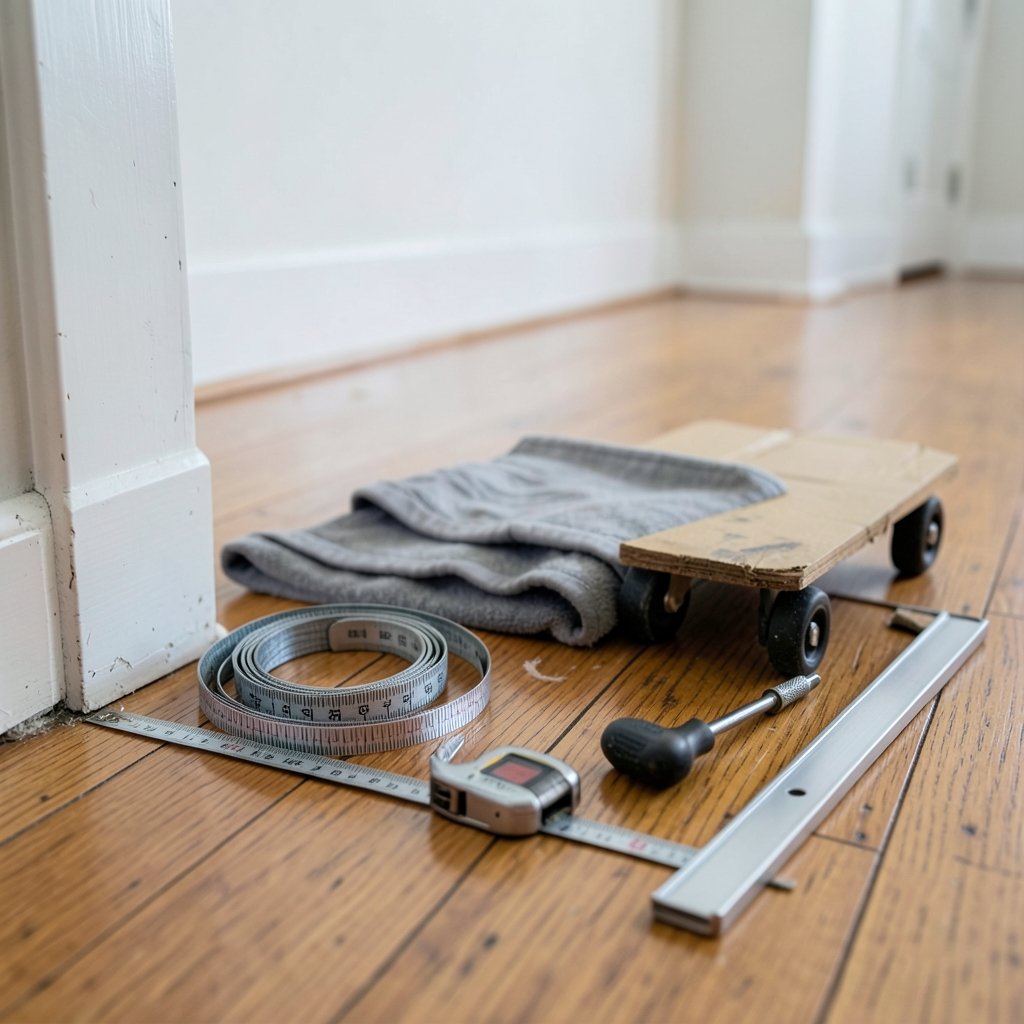
Consider what happens after the sale. A dishwasher that fails in month eight needs a technician, not a return label. If the retailer’s service network is thin in your area, a low price can evaporate the moment something breaks.
Delivery is the other hidden variable. Appliances are heavy, awkward, and easy to damage. A crew that removes doors, measures the doorway, and hauls away the old unit is worth real money. A crew that drops the box at the curb and leaves is not, no matter how good the sale price looked.
So the ranking changes by category. For a $600 microwave-range combo, the cheapest reputable seller is usually fine. For a $4,000 French-door refrigerator, the store that will send its own technician matters more than the store that saves you $150.
The Hidden Costs That Change the Math
Sticker price is only part of the bill. These line items routinely add hundreds of dollars, and they vary wildly by retailer and region:
- Delivery fees. Some stores waive them above a threshold; others charge per item or per flight of stairs.
- Installation. Hooking up a dishwasher, gas range, or over-the-range microwave often costs extra and may require a licensed installer.
- Haul-away. Removing the old appliance is sometimes free, sometimes $25 to $50, and sometimes unavailable.
- Parts and kits. Hoses, cords, vent kits, and water lines are frequently sold separately.
- Permits and modifications. Gas line changes and electrical upgrades are on you.
Before comparing prices, get the full out-the-door number in writing: item, tax, delivery, installation, haul-away, and any required kit. A store that looks $80 cheaper can lose by $200 once fees land.
Delivery, Installation, and the Fine Print
Ask three questions before you buy, and ask them of every store you’re considering.
- Who actually delivers? In-house employees or a third-party contractor?
- What happens if the unit arrives damaged? Who files the claim, and how long does a replacement take?
- Will the crew connect it, test it, and level it, or just set it in place?
Get the answers in writing on the receipt or order confirmation. Verbal promises from a salesperson are hard to enforce a month later.
Also measure twice. Doorway width, stair turns, and the height of your cabinet opening cause more failed deliveries than any other single issue. A store with a good measurement policy will confirm dimensions before scheduling.
Consumer Protections Worth Knowing
A few legal safeguards should shape where and how you buy.
The FTC Cooling-Off Rule gives buyers three business days to cancel certain sales of $130 or more made at the buyer’s home or at a temporary location such as a hotel, convention center, or fairground. The threshold was raised from $25 to $130 by an amendment effective March 13, 2020. This matters for home-improvement presentations and pop-up sales, not for a normal showroom purchase.
The Magnuson-Moss Warranty Act, enacted in 1975, requires written warranties on consumer products to be labeled “full” or “limited.” That label tells you whether the manufacturer will repair, replace, or refund, and whether you pay shipping. Read it before you assume the warranty is generous.
The EnergyGuide label, required on many major appliances under rules tied to the Energy Policy and Conservation Act of 1975, shows estimated yearly energy use and cost. It lets you compare operating costs in addition to purchase prices. A cheaper unit that costs $60 more a year to run may not be cheaper at all.
Finally, implied warranties under state law (modeled on UCC Article 2, with Louisiana operating under its own civil code) protect buyers when a product is fundamentally defective, though the details vary by state. Keep your receipt. It is the single document that makes every one of these protections usable.
Rebates, Energy Star, and Utility Incentives
The Energy Star label, established by the EPA in 1992 and run jointly with the Department of Energy, is more than a badge. Many utility rebate programs require it. That means the “best place” to buy may be the store that knows which rebates apply in your zip code and will hand you the paperwork.
Utility and state rebate databases exist, and they change constantly. Check before you shop, not after. A $100 rebate can flip the ranking between two stores.
Also ask about price-matching policies, but treat them as perishable. They change often, they usually exclude membership clubs and marketplace sellers, and they frequently require the competitor’s item to be in stock. Get the policy in writing at the register.
Big-Box vs. Independent Dealers: What Actually Differs
Independent dealers have historically scored well on customer satisfaction in consumer surveys, while big-box chains have scored well on price and selection. Neither result is permanent, and both depend on the specific store.
What separates them in practice comes down to accountability. At an independent dealer, the person who sells you the fridge often knows the technician who will service it. At a chain, you may deal with a call center. That difference matters most when something goes wrong.
The flip side is inventory. If you need a specific model this weekend, the chain probably has it. The independent may need a week.
For buyers weighing other big purchases alongside appliances, it helps to see how the same trade-offs play out elsewhere. The logic of buying at the right moment and from the right seller shows up in guides like MacBook Pro M4 vs M5: buy M4 now or wait for M5, and the same “know your total cost” discipline applies to how much money you really need to buy a house.
Online vs. In-Store: When Each Makes Sense
Online buying works well for small appliances, accessories, and parts. It works less well for anything that needs a two-person delivery crew and a hookup.
If you buy a major appliance online, do these things:
- Confirm the seller is an authorized dealer, so the manufacturer warranty applies.
- Photograph the box and unit at delivery before signing anything.
- Confirm who handles damage claims and how long replacements take.
- Check the return window and who pays return freight.
In-store buying wins when you need to see finishes, compare interior layouts, or confirm the unit fits. Showrooms exist for a reason: refrigerator interiors differ more than spec sheets suggest.
Scratch-and-Dent, Outlet, and Open-Box: Worth It?
Scratch-and-dent outlets and manufacturer closeout centers can save 20 to 40 percent, and many units carry full warranties. The catch is that cosmetic damage is often on the side you’ll never see, but occasionally it’s on the front.
Inspect before you buy, confirm the warranty in writing, and ask whether the unit was a return or a floor model. Floor models have been powered on for months; returns may have hidden issues. Neither is disqualifying, but both should lower the price.
For buyers who like a bargain hunt, the same instinct shows up in other categories. Fragrance shoppers wrestle with the same risk-reward math in this look at whether perfume mystery box blind buys and fragrance bundles really work. The lesson transfers: a discount is only real if the product is what you actually wanted.
Timing Your Purchase to Save Real Money
Appliance pricing follows a calendar. Major promotional windows cluster around federal holidays, especially Memorial Day, Labor Day, Black Friday, and the period between Christmas and New Year. New model years often push older units to clearance.
September and October are frequently strong for kitchen appliances as manufacturers clear inventory. January can be good for floor models. Avoid buying during a genuine emergency if you can; urgency is expensive.
If you’re patient, waiting for a model-year change can save more than any coupon. If your fridge is dead, buy the best unit available today and move on.
A Practical Checklist Before You Pay
Run through this list and most buying mistakes disappear:
- Measure the opening, the doorway, and the delivery path.
- Confirm the model number as well as the brand and size.
- Get the out-the-door price in writing, including fees.
- Ask who delivers, who installs, and who handles damage.
- Read the warranty label: full or limited?
- Check EnergyGuide estimates and any utility rebate.
- Confirm the return window and restocking fees.
- Keep the receipt and delivery paperwork together.
That last step is boring and it matters. Every protection described above depends on documentation.
Conclusion
The best place to buy appliances is not a single store. It is whichever seller gives you a fair total price, a delivery crew that treats your home carefully, a clear warranty, and someone to call when the ice maker quits. Big-box chains usually win on price and selection. Independent dealers usually win on service and accountability. Rebates and Energy Star eligibility can tip the scales either way.
Do the math on the full cost, ask the uncomfortable questions about delivery and damage, and keep your paperwork. Buy the seller as much as the appliance, and the “best place” question answers itself.
Frequently Asked Questions
Is it cheaper to buy appliances online or in a store?
It depends on the item. Online sellers often win on small appliances and parts, while stores frequently match or beat online prices on major appliances once delivery and installation are included. Always compare the out-the-door total, not the sticker price.
Are independent appliance dealers more expensive?
Sometimes, but not always. Independents often price-match, and their delivery and installation can be more careful. Their real advantage shows up after the sale, when you need service and want to reach someone who knows your purchase.
What is the FTC Cooling-Off Rule for appliance sales?
It gives buyers three business days to cancel certain sales of $130 or more made at the buyer’s home or a temporary location, such as a hotel or fairground. It generally does not cover a normal purchase made in a store. The $130 threshold took effect March 13, 2020.
Should I buy a scratch-and-dent appliance?
Often yes, if you inspect it first and confirm the warranty in writing. Savings can reach 20 to 40 percent, and many units carry full manufacturer coverage. Ask whether the unit was a return or a floor model, since floor models have been powered on for months.
Does Energy Star affect where I should buy?
It can. Many utility rebate programs require Energy Star certification, so a store that helps you claim rebates may offer a better total value than one with a lower sticker price. Check rebate availability before you shop.
What should I ask before scheduling delivery?
Ask who delivers (in-house or contractor), what happens if the unit arrives damaged, who files the claim, and whether the crew will connect, test, and level the appliance. Get the answers in writing on your order confirmation.



