
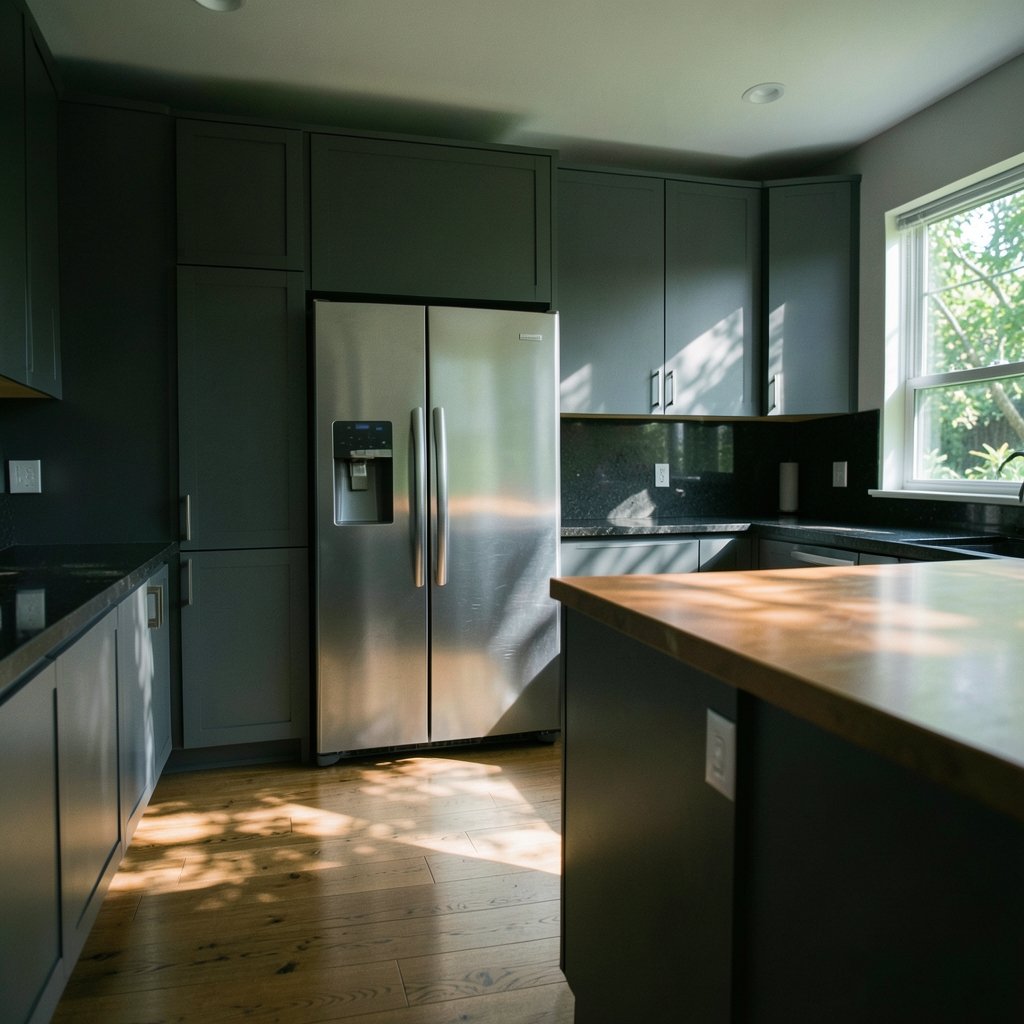
Have you ever measured your kitchen, ordered a shiny new fridge, and watched it stick out six inches into the walkway like a stubborn mule? If so, you already understand the counter-depth refrigerator’s appeal. These units are built to sit closer to flush with your cabinets, giving a kitchen a cleaner, more built-in look without the built-in price tag. But the category is messier than the showroom suggests. “Counter-depth” is a marketing term, not a formal standard, so depth figures vary by brand and even by how you measure. This guide cuts through the confusion and helps you pick a model that fits your space, your budget, and your family’s actual habits. (Rv refrigerator repair fails it costs when replace)
What “Counter-Depth” Really Means
Here is the first thing to know: counter-depth is a retail category, not an industry standard. In general, it describes a refrigerator whose body is roughly 24 to 25 inches deep, so the cabinet sits near flush with standard 24-inch base cabinets. The doors and handles still stick out further, often several inches. That detail matters because many “counter-depth” units still protrude more than buyers expect. (Double counter discord bot breach 28 million accounts 2026)
Standard U.S. kitchen base cabinets are conventionally 24 inches deep, which is the reference point these fridges are designed against. A true built-in refrigerator, like a Sub-Zero or Thermador, is a different animal entirely. Built-ins are engineered for genuine flush installation with specific depth and ventilation requirements. Counter-depth is the freestanding compromise: close to flush, far cheaper, and much easier to swap out later.
Because no single definition exists, published depth numbers often conflict. One brand quotes body depth, another quotes depth with doors, and a third quotes depth with handles. Always compare like with like before you fall in love with a model.
The Trade-Offs Nobody Mentions at the Store
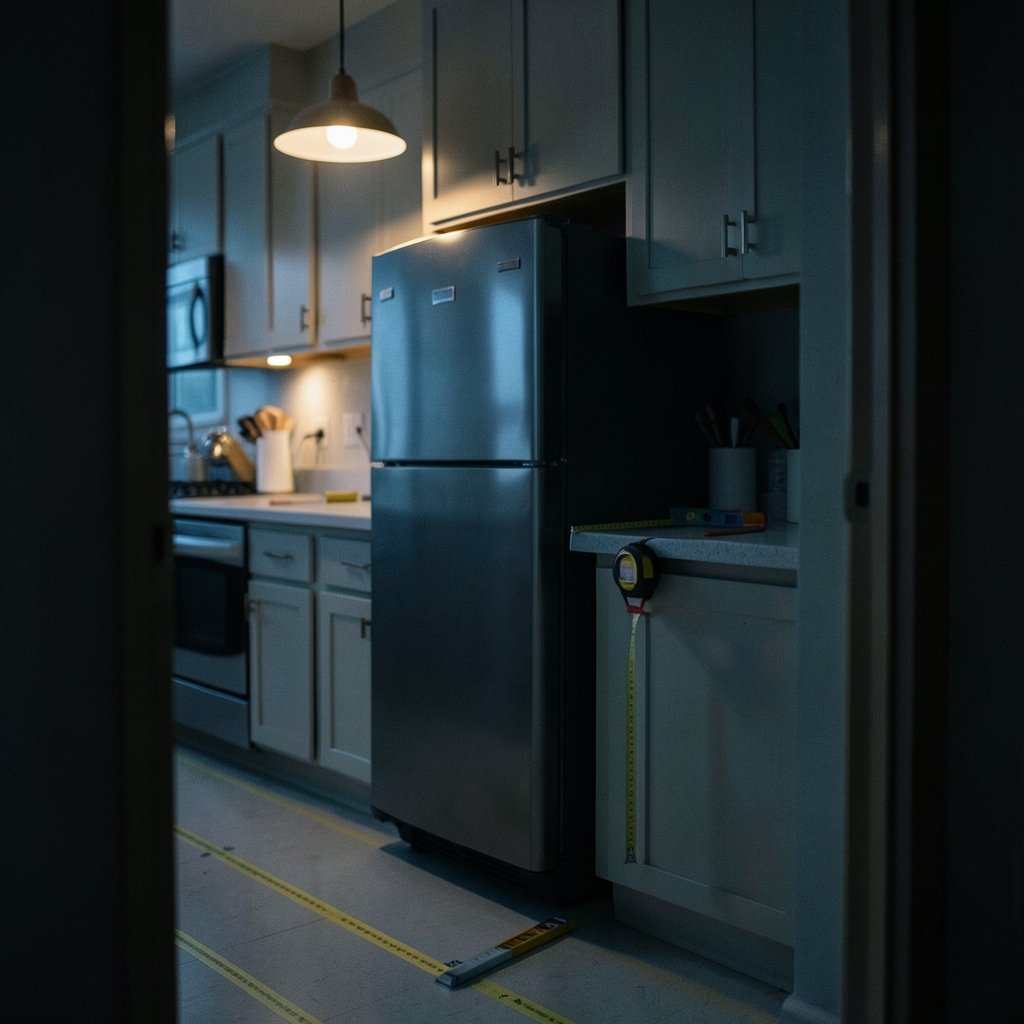
Counter-depth fridges look great, but they ask for sacrifices. Knowing them upfront saves you from a costly return.
Less usable space. Same-width counter-depth models typically offer less volume than full-depth versions. French-door counter-depth units often land around 20 to 24 cubic feet, while standard-depth counterparts frequently hit 25 to 28 cubic feet or more. If you cook for a crowd or stock up at warehouse clubs, that gap is real.
A price premium. Counter-depth models generally cost more than comparable full-depth units, often by several hundred dollars. Lower production volume and premium positioning drive the difference. You are paying for aesthetics as much as function.
Measurement surprises. Door swing, handle protrusion, and doorway clearance all matter. A fridge that fits the alcove may not fit through the hall. This is the single most common mistake buyers make: measuring the opening but not the path to it.
| Feature | Counter-Depth | Standard-Depth | Built-In |
|---|---|---|---|
| Typical body depth | ~24–25 in | ~30–36 in | Flush, varies |
| Look | Near flush, doors protrude | Protrudes noticeably | Truly flush |
| Typical capacity | ~20–24 cu ft | ~25–28+ cu ft | Varies |
| Relative price | Higher than standard | Lowest | Highest |
| Installation | Freestanding | Freestanding | Custom cabinetry |
How to Measure Before You Buy
This is where practical discipline pays off. Follow these steps in order, and you will avoid the classic regret story.
- Measure the cabinet opening’s width, height, and depth at three points each, since walls and floors are rarely perfectly square.
- Measure every doorway, hallway, and stairwell between the front door and the kitchen. Add an inch of breathing room on each side.
- Check the door swing clearance. French doors need room to open past 90 degrees so drawers can slide out.
- Account for handles and hinges. Add their protrusion to the body depth.
- Confirm the power outlet location and whether the cord reaches without an extension cord.
- Leave ventilation clearance as specified in the manual. Tight fits can overheat the compressor.
If your current fridge has already quit and you are troubleshooting before committing to a purchase, a practical guide to fix a refrigerator that stopped cooling can help you decide whether repair or replacement makes more sense. The same logic applies to specialty units: understanding what RV refrigerator repair fails cost when you replace versus repair shows how quickly repair bills can approach the price of a new appliance.
Capacity, Layout, and the Habits That Matter
Cubic feet on a spec sheet tells only part of the story. Layout determines whether you can actually use the space. A well-designed 22-cubic-foot fridge with adjustable shelves and deep door bins can outperform a poorly laid-out 24-cubic-foot model.
Think about how you shop. If you buy bulky items like sheet pans, pizza boxes, or large produce, measure the interior height between shelves. If you freeze in bulk, check whether the freezer is a pull-out drawer or a side-swing door, since drawers tend to be easier to organize but can limit tall items.
French-door models dominate the counter-depth category because the narrow doors need less swing room, which suits tighter kitchens. Side-by-side units offer narrow compartments that work well for grazers but can struggle with wide platters. Bottom-freezer designs keep fresh food at eye level, which many households prefer for daily use.
One more practical tip: bring your tallest pitcher and widest casserole dish to the store if floor models are on display. Salespeople rarely mind, and it beats discovering the problem at home.
Energy, Efficiency, and Operating Costs
Refrigerators run 24 hours a day, so efficiency matters over a decade of ownership. In the U.S., refrigerators are regulated under federal energy conservation standards, and every unit carries a yellow EnergyGuide label estimating annual electricity use. Compare those labels side by side rather than trusting marketing badges alone.
Counter-depth versus full-depth efficiency varies by model, not by category. A larger interior does not automatically mean higher energy use, because insulation, compressor design, and door seals matter more than volume. Look for models with tight gaskets, efficient variable-speed compressors, and well-insulated cabinets.
Small habits stretch efficiency further. Keep the fridge away from ovens and direct sun, leave the specified air gap around the cabinet, and check door seals annually with the dollar-bill test: close the door on a bill and tug gently. If it slides out easily, the seal needs attention.
Features Worth Paying For (and Ones to Skip)
Not every upgrade earns its keep. Here is how to sort the useful from the gimmicky.
Worth it: adjustable spill-proof shelving, a humidity-controlled crisper, a door alarm, and an ice maker that actually fits your plumbing situation. For families, a water dispenser with a filter can replace bottled water and pay for itself over time.
Situational: smart connectivity. Remote temperature alerts are handy for vacation homes, but most people never use the screen-based features. Wi-Fi connected appliances also raise a fair question about digital security, and the 2026 Double Counter Discord bot breach that exposed 28 million accounts is a reminder that connected devices deserve scrutiny before you grant them access to your home network.
Often skippable: elaborate interior cameras and app-based recipe suggestions. They add cost and complexity without improving cooling.
Budgeting counts too. If you are juggling appliance purchases with other household costs, knowing how payment methods work helps you plan. For instance, if you are wondering does Walmart do money orders at the counter, the answer shapes how you handle large cash purchases. Similarly, a money counter machine actually matters before you buy one if you run a small business and handle cash daily, and online tools for tallying bills have limits worth knowing when you reconcile expenses.
Matching the Fridge to Your Kitchen and Budget
The “best” counter-depth refrigerator depends entirely on your constraints. A few scenarios illustrate the point.
Small galley kitchen, two people: a 30-inch-wide counter-depth French-door model in the low 20s for cubic feet is often ideal. Prioritize narrow door swing and a bottom freezer.
Busy family of five: a 36-inch counter-depth French-door unit with a large drawer freezer and a through-door ice maker earns its premium. Accept the capacity trade-off and organize with bins.
Rental or quick flip: a mid-priced counter-depth top-freezer or side-by-side keeps costs down while delivering the flush look buyers notice.
High-end renovation: if true flush integration matters, compare counter-depth freestanding units against built-ins before committing. Built-ins cost more but deliver the seamless result some designs demand.
Set a budget that includes delivery, haul-away, and possibly a new water line. Those extras add up fast, and they are easier to absorb when planned rather than sprung at checkout.
Common Mistakes and How to Avoid Them
Even careful buyers stumble. Watch for these recurring errors.
- Trusting the depth number without checking what it measures. Confirm whether it is body, door, or handle depth.
- Forgetting the refrigerator doors need to open past the adjacent counter. A door that hits a wall at 85 degrees blocks drawer access.
- Skipping the delivery path measurement. Tight stairwells and narrow doorways stop more deliveries than kitchen layouts do.
- Ignoring the water line for ice makers. Running a new line after delivery adds cost and delay.
- Buying for looks alone. A gorgeous flush fit does not compensate for a freezer that cannot hold a turkey.
There is a seasonal angle too. If you are planning a kitchen refresh around a holiday or a big family gathering, timing the delivery matters. Knowing the Lent 2027 dates and the 40-day count to prepare can help you schedule renovations and deliveries around fasting seasons and family visits, especially in households that host large meals.
Conclusion
The best counter-depth refrigerator is not the one with the flashiest features or the highest price. It is the one that fits your actual opening, clears your doorways, holds what your household eats, and runs efficiently for years. Start with a tape measure, not a showroom visit. Confirm what each depth figure means, accept the capacity trade-off honestly, and budget for delivery extras. Do that, and your new fridge will sit close to flush, look intentional, and spare you the six-inch protrusion that started this whole search. The category rewards patience, and a little measuring now saves a lot of regret later.
Frequently Asked Questions
Is counter-depth worth the extra money?
For many kitchens, yes. The premium buys a cleaner look and better traffic flow, especially in narrow spaces. If your kitchen is spacious and capacity matters most, a standard-depth model usually delivers more storage per dollar.
How deep is a counter-depth refrigerator really?
Most bodies measure roughly 24 to 25 inches, but doors and handles add several inches. Always check whether a listed depth includes doors and handles, because brands measure differently.
Do counter-depth refrigerators have less space inside?
Generally, yes. Same-width counter-depth models typically offer less usable volume than full-depth versions, often around 20 to 24 cubic feet versus 25 to 28 or more. Layout and shelving design can narrow or widen that gap in practice.
Can a counter-depth fridge sit completely flush with cabinets?
Rarely. True flush installation is the territory of built-in refrigerators, which have different depth and ventilation requirements. Counter-depth freestanding units sit closer to flush but still protrude somewhat.
What should I measure before buying?
Measure the cabinet opening at multiple points, every doorway and hallway on the delivery path, door swing clearance, and handle protrusion. Also confirm the power outlet location and water line access if you want an ice maker.
Are counter-depth refrigerators less energy efficient?
Not necessarily. Efficiency varies by model rather than category. Compare the yellow EnergyGuide labels side by side, and check seals, compressor design, and insulation rather than assuming depth determines energy use.



