
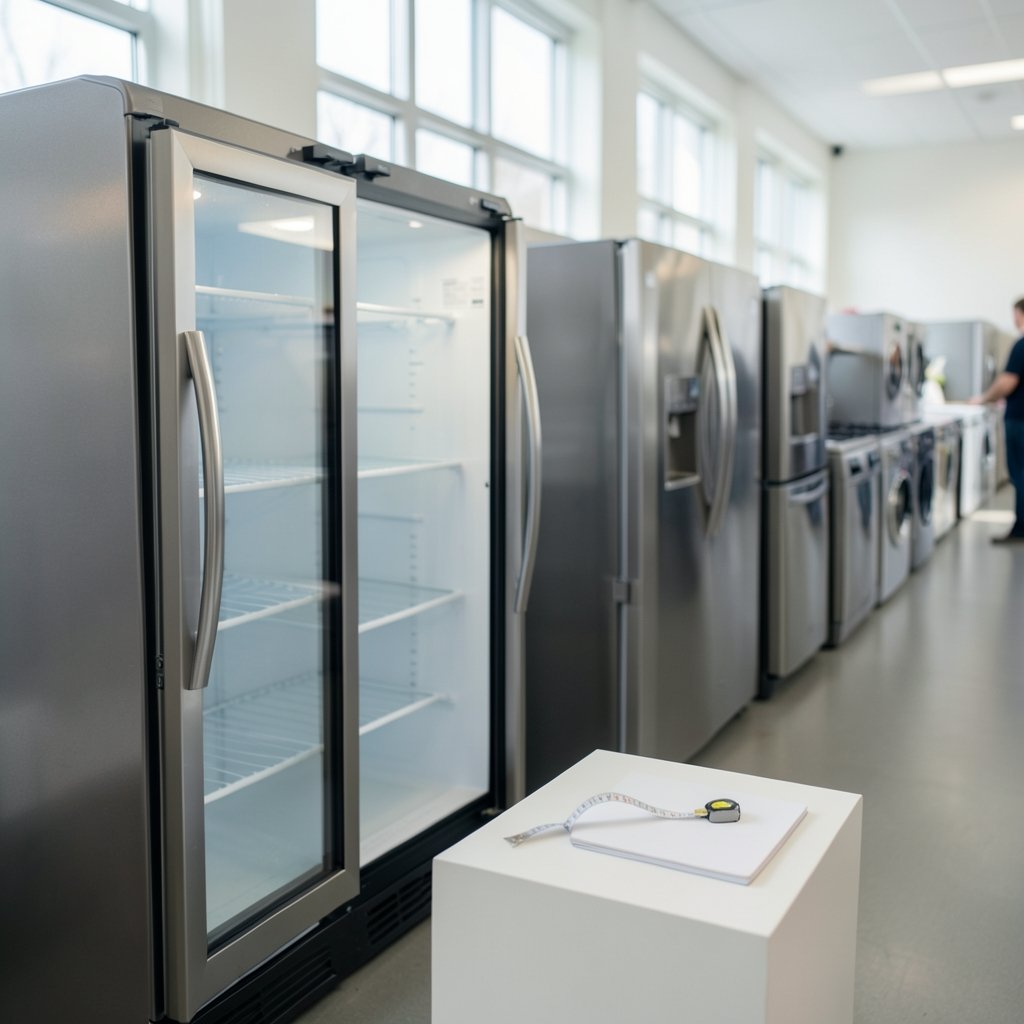
What if the most expensive refrigerator in the showroom is also the one most likely to break down in year four? That question sits behind every appliance purchase, and it is why “best” is such an unstable word in this category. A machine that tops one list can land near the bottom of another, because the people ranking it are measuring different things. Some count repair rates. Some count owner satisfaction. Some count energy use, noise, or how easy it is to find a replacement part a decade from now.
The practical answer is that there is no single best appliance. There is only the best appliance for a specific household, budget, and set of priorities. This guide walks through the factors that actually separate a good purchase from a regretted one, the mistakes buyers repeat most often, and how to read the data without getting fooled by it.
Why “Best Appliance” Rankings Disagree So Much
Spend an afternoon comparing appliance rankings and you will notice something odd. A brand praised as the most reliable in one publication gets flagged for above-average repair rates in another. That is not necessarily sloppy journalism. It usually comes down to methodology.
Reliability rankings are almost always built from owner surveys rather than laboratory testing. People report on machines they bought years earlier, which means the data lags current models by several years. A brand’s reputation today may reflect a product line that has since been redesigned, discontinued, or moved to a different factory. Satisfaction surveys capture something different again: how much people like using the machine, which can be high even when repair rates are mediocre.
The lesson for shoppers is to separate three questions that get blended together:
- Is it reliable? Based on historical repair data, which lags current models.
- Is it satisfying? Based on owner experience with features, noise, and usability.
- Is it efficient and repairable? Based on regulated test data and parts availability.
A model can win on one and lose on the others. Knowing which question matters most to you is half the battle.
Match the Appliance to How You Actually Live
The most common buying mistake is shopping by brand reputation before shopping by household reality. A 36-inch professional-style range is a poor fit for a small kitchen with a tight budget and a preference for quick weeknight meals. A compact washer-dryer combo makes little sense for a family of five.
Before comparing models, work through a short list of constraints:
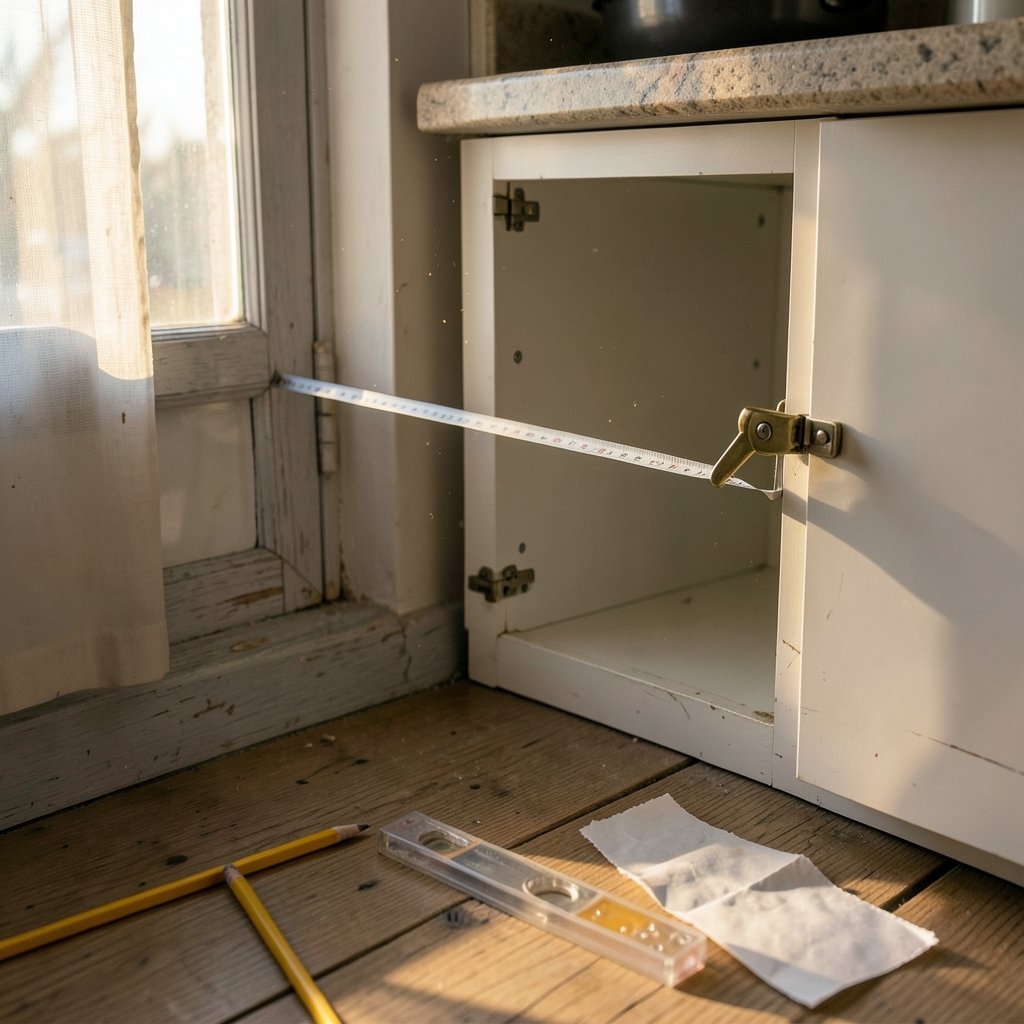
- Measure the opening, not the old appliance. Width, height, depth, and door swing all matter. Add clearance for ventilation and for doors that need to open past a counter.
- Count real capacity needs. Refrigerator capacity in cubic feet means little without knowing your grocery habits. Families that cook fresh food daily need more usable shelf space than the number suggests.
- Decide on fuel and hookups. Gas versus electric ranges, vented versus ventless dryers, and hardwired versus plug-in installations all narrow the field fast.
- Set a total cost ceiling. Purchase price is only the first number. Add delivery, installation, haul-away, extended warranty, and expected energy cost over the machine’s life.
Buyers who skip step one end up returning appliances or paying for cabinet modification. Buyers who skip step four are often surprised by how much the “cheap” option costs once installation and energy are included.
Energy Labels: What They Do and Do Not Tell You
Energy use is one of the few appliance attributes measured under standardized, regulated test procedures rather than opinion. In the United States, appliances are tested under Department of Energy procedures and disclose estimated annual energy use on the yellow EnergyGuide label. ENERGY STAR is a voluntary tier for models that exceed the minimum standard, not a guarantee of top performance in other areas.
In the European Union, energy labels were rescaled to a stricter A to G scale for several appliance categories beginning in 2021, removing the old A+, A++, and A+++ grades. That rescaling matters for anyone comparing older reviews with newer ones: a machine rated A+++ under the old system might sit at a much lower letter today. The two scales are not comparable.
A few practical notes on efficiency:
- Efficiency gains are largest in refrigeration and laundry. A modern refrigerator typically uses a fraction of what a 1990s unit consumed, so replacing an old working fridge can pay back over time.
- Standby power counts. Features like always-on displays and connected modules draw power continuously.
- Efficiency is not the same as performance. A highly efficient dishwasher that requires pre-rinsing wastes both water and your time.
Reliability, Repairability, and the Right-to-Repair Shift
Reliability gets the headlines, but repairability is quietly becoming just as important to total cost of ownership. A machine that fails once and is fixed cheaply can cost less over fifteen years than a “reliable” model with a single expensive sealed-system repair.
Two forces are reshaping this. First, right-to-repair legislation has been enacted in a growing number of U.S. states since 2023, generally requiring manufacturers to make parts, tools, and documentation available to owners and independent repair shops. Second, EU ecodesign rules now include repairability requirements and spare-parts availability for several appliance categories. Both trends push toward machines you can actually fix.
In practice, here is what to check before buying:
- Is there an authorized service network near you? Rural buyers often face long waits regardless of brand.
- Are common failure parts stocked? Door seals, drum belts, heating elements, and water inlet valves should be readily available.
- What does the warranty actually cover? Standard coverage is often one year parts and labor, with longer terms on specific components such as sealed refrigeration systems or washer drums. Read the warranty document itself, not the sales page summary.
- Does the machine need proprietary diagnostics? Some models require dealer-only software to read error codes, which limits independent repair.
Expected Service Life: Plan in Ranges, Not Exact Years
Industry life-expectancy tables and consumer-group guides generally place major appliances in roughly the ten-to-fifteen-year range, with wide variation by category. Refrigerators and ranges tend to last longer than dishwashers and compact laundry units. These are estimates, not promises, and usage intensity matters enormously: a washing machine running daily for a large family will not match a table built around average use.
A useful budgeting trick is to divide the purchase price by an expected lifespan to get an annual cost of ownership, then add estimated energy cost. A 1,200-dollar washer expected to last twelve years costs about 100 dollars a year before energy. That framing makes it easier to see when paying more upfront for efficiency or repairability is genuinely worth it.
Comparing Appliance Categories at a Glance
Different categories reward different priorities. The table below summarizes where to focus attention for each major appliance type.
| Appliance | Where to focus | Common buying mistake |
|---|---|---|
| Refrigerator | Usable space, door configuration, sealed-system warranty, efficiency | Buying by exterior dimensions only, ignoring interior layout |
| Range or oven | Fuel type, oven capacity, burner control, ventilation needs | Skipping the range hood and ducting cost |
| Dishwasher | Noise rating in decibels, rack flexibility, drying method | Assuming all models dry plastics well |
| Washing machine | Drum size, spin speed, cycle length, parts availability | Overbuying capacity for a small household |
| Dryer | Vented versus ventless, sensor drying, installation constraints | Forgetting vent or drain requirements |
| Microwave | Wattage, sensor cooking, footprint | Paying for features that go unused |
The Mistakes That Cost Buyers the Most
Some errors show up again and again in appliance purchases. Avoiding them is often worth more than any ranking.
Buying on brand loyalty alone. Brands are not monolithic. A company strong in refrigeration may be mediocre in laundry. Judge by category and model, not logo.
Ignoring noise ratings. Dishwasher and range hood noise is measured in decibels, and the difference between a quiet model and a loud one is noticeable in an open-plan home. Check the number rather than trusting “quiet” in the marketing copy.
Skipping the installation quote. Delivery fees, old-appliance haul-away, new hoses, and electrical or gas work can add hundreds to the bill. Get the installation quote before you commit.
Chasing features over fundamentals. Steam cycles, app connectivity, and smart diagnostics rarely drive satisfaction. Build quality, capacity fit, and service access do.
Buying the extended warranty reflexively. Many extended plans overlap with the manufacturer warranty and with credit-card purchase protections. Compare coverage terms before adding cost.
Overlooking the return window. Appliance returns are often subject to restocking fees and short windows. Confirm the policy in writing.
What Actually Works in Practice
Experienced buyers tend to follow a repeatable process rather than hunting for a single “best” label. It looks something like this:
- Define the constraint set first (space, fuel, budget, household size).
- Shortlist three to five models that fit the constraints.
- Check reliability and satisfaction data for the brand and category, accepting that the data lags.
- Read the actual warranty document for the shortlisted models.
- Confirm local service and parts availability with one phone call to a local repair shop.
- Get the full installed price including delivery, hookup, and haul-away.
- Buy from a retailer with a clear return policy.
That process is unglamorous, but it consistently produces better outcomes than chasing a top-ten list. For more guidance on appliance selection and home equipment decisions, see OCCCY.
Conclusion
The best appliances are not the ones at the top of a ranking. They are the ones that fit your kitchen, your household, and your budget, and that can be repaired affordably when something eventually fails. Reliability data lags, satisfaction data is subjective, and energy labels measure only one dimension. Buyers who define their constraints first, check warranty language carefully, and confirm service availability before purchase consistently end up happier than those who chase a single “best” label. Treat every ranking as one input among several, and the decision gets considerably easier.
Frequently Asked Questions
What does “best appliance” actually mean?
It means the best fit for a specific household. A model that ranks highest for reliability may be a poor choice if it does not fit your space or if no authorized service exists nearby. Buyers should weigh reliability, efficiency, capacity, noise, repairability, and total installed cost together rather than relying on one ranking.
Are expensive appliances more reliable?
Not necessarily. Price correlates more strongly with features, finishes, and brand positioning than with repair rates. Some premium brands have strong reliability records, while others trade on design. Checking category-specific repair data and warranty terms is more useful than assuming higher price means fewer breakdowns.
How long should major appliances last?
Industry and consumer-group estimates generally place major appliances in roughly the ten-to-fifteen-year range, with refrigerators and ranges typically outlasting dishwashers and compact laundry units. These are estimates with wide variation. Usage intensity, water quality, installation quality, and maintenance habits all shift the real number significantly.
Is ENERGY STAR worth paying extra for?
Often, yes, particularly for refrigerators, washing machines, and dishwashers that run frequently. The savings depend on how much you use the appliance and local energy prices. Compare the estimated annual energy use on the label rather than assuming the certification alone justifies a price premium.
Do right-to-repair laws affect what appliance I should buy?
They can. As more states require parts, tools, and documentation to be available to owners and independent shops, machines from manufacturers that comply well become cheaper to keep running. Before buying, ask a local repair shop whether they can source parts and read error codes for the model you are considering.
How do I compare appliances when reviews conflict?
Check the methodology behind each review. Reliability rankings built from owner surveys lag current models by several years, while satisfaction surveys measure enjoyment rather than durability. When sources disagree, favor the one measuring the attribute you care most about, and verify warranty and parts availability directly with the manufacturer and a local repair technician.



