
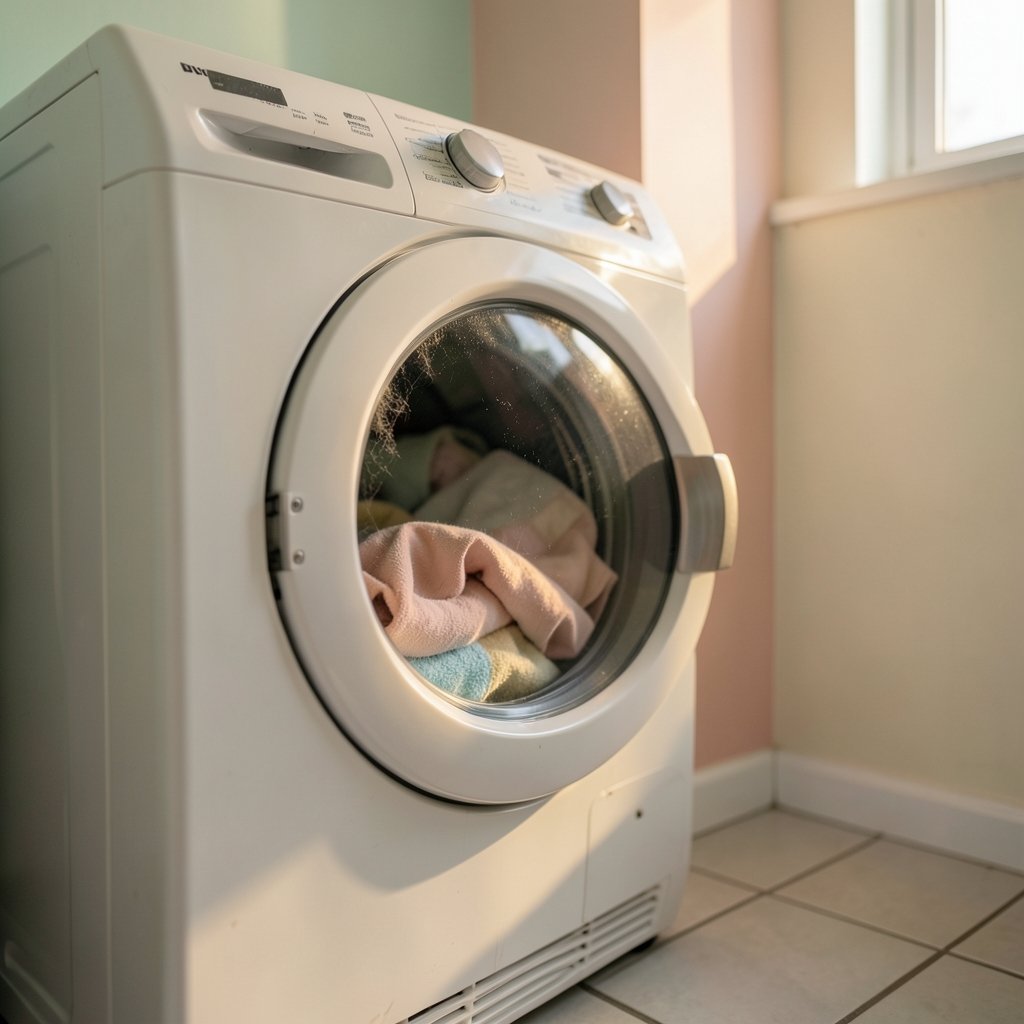
What if the appliance you think about least is quietly adding the most to your power bill? That is often the case with clothes dryers. They run for an hour at a time, pull a lot of electricity, and get almost no attention until something goes wrong. So when people search for the best clothes dryer, they are usually asking a bigger question: which machine dries fast, treats fabric well, fits the laundry room, and does not cost a fortune to run?
The honest answer is that there is no single best dryer. The right pick depends on whether you have a gas line, a vent to the outside, a 240-volt circuit, and how much you care about energy bills versus speed. This guide walks through the trade-offs in plain language, including the mistakes people make when buying and installing one.
Start With the Type, Not the Brand
Most buyers jump straight to brand names and star ratings. That is backwards. The dryer type decides almost everything else: installation cost, drying speed, energy use, and even which fabrics survive the first year.
There are two broad families. Vented dryers push hot, moist air out through a duct. They are the standard in the United States and dry fast. Ventless dryers condense the moisture and either drain it or collect it in a tank. Heat-pump dryers are the most efficient ventless type, and they are common in Europe, though availability in the U.S. has grown without becoming universal.
| Type | How it works | Speed | Energy use | Installation needs |
|---|---|---|---|---|
| Vented electric | Heats air, pushes it outside | Fast | Higher | 240V circuit, outdoor vent |
| Vented gas | Burns gas to heat air | Fast | Moderate | Gas line, outdoor vent |
| Condensing (ventless) | Cools and condenses moisture | Medium | Moderate | Drain or water tank, no vent |
| Heat pump (ventless) | Recycles heat through a pump | Slowest | Lowest | Drain or tank, no vent |
A quick reality check: a heat-pump dryer can use substantially less energy than a conventional electric model, often cited as roughly half or less, but cycles run longer. Treat any exact percentage with suspicion unless it comes from a specific test standard and model. The trade-off is real either way: slower cycles, lower bills.
Match the Dryer to Your Laundry Room
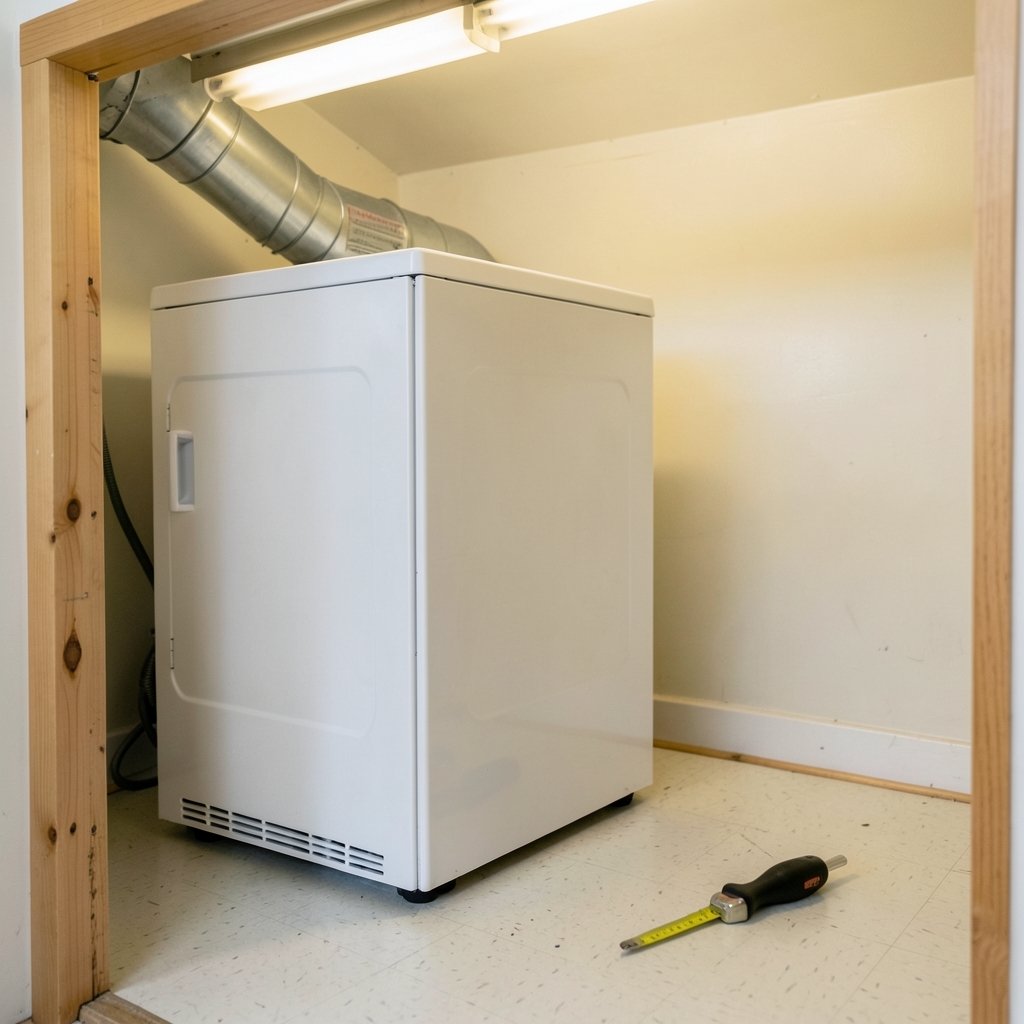
Installation constraints decide more purchases than performance ever will. A gas dryer needs a gas line and a vent. An electric dryer needs a dedicated 240-volt circuit. A ventless model needs neither a vent nor, often, a 240-volt line, which makes it the only realistic option for apartments, closets, and interior rooms.
The most common mistake is buying a dryer before checking three things: the door width on the path to the laundry room, the depth of the space with the door open, and whether the existing vent run is short and straight. A long, kinked duct full of lint is a fire risk and a performance killer. If the vent has not been cleaned in years, that job comes before any new purchase. A step-by-step vent cleaning routine prevents fires and restores airflow, and it costs almost nothing compared with a new machine.
Capacity matters too. Dryer capacity is usually stated in cubic feet, and the standard advice is to match it to the washer. An oversized dryer wastes energy on small loads; an undersized one means cramped, wrinkled clothes and repeat cycles.
The Features That Actually Change Your Day
Marketing pages list dozens of features. Only a handful earn their place.
Moisture sensors are the big one. They measure how damp the load is and shut the machine off when clothes are dry, instead of running a fixed timer. Sensor drying saves energy and reduces overdrying, which is the main cause of shrinking and static. If a dryer has a sensor, use the sensor cycle, not timed dry.
Lower heat settings do the same job more gently. High heat dries fast but beats up elastic, synthetics, and dark denim. Most everyday loads do fine on medium.
Steam refresh is genuinely useful for shirts and lightly wrinkled items, though it is not a substitute for ironing a dress shirt.
Reversible doors and stacked configurations sound boring until a dryer will not fit. Check them before delivery day, not after.
Drum material and lint filter design affect long-term cleaning. A smooth drum and an easy-to-reach filter make routine maintenance less annoying, which means it actually gets done.
Sort laundry by fabric weight as well as color. Heavy towels and thin T-shirts in the same load leave the shirts damp when the towels finish drying. Drying similar weights together fixes the “why are my clothes still wet” complaint.
Vented vs. Heat Pump: The Real Trade-Off
This is where most buying decisions get stuck, so it deserves a straight comparison.
A vented dryer wins on speed and upfront price. It also handles big loads, bulky bedding, and back-to-back laundry days without complaint. Its weaknesses are energy use and the vent itself, which needs periodic cleaning and must never exhaust into a crawlspace, attic, or garage. Venting moist air indoors adds humidity and can cause mold problems over time.
A heat-pump dryer wins on running costs and installation flexibility. It needs no duct, so it can sit almost anywhere with a drain or a water tank. It also runs cooler, which is gentler on fabric. Its weaknesses are longer cycles, a higher purchase price, and a need to clean the heat exchanger and empty the tank if there is no drain.
For a household that does several loads a week and has a proper vent, a vented machine is often the practical choice. For a small home, an apartment, or anyone focused on long-term energy costs, a heat-pump model makes more sense. The same logic applies to combination units, and if space is tight, comparing a washing machine with dryer best brand options is worth the research, since all-in-one machines save floor space but come with their own drying-speed compromises.
Energy, Safety, and the Cost of Getting It Wrong
Clothes dryers are among the more energy-intensive household appliances. That is the plain fact behind most efficiency advice: use moisture sensors, choose lower heat, and dry full loads rather than half loads. Running two small loads costs more than one full one, and overdrying wastes energy on every cycle.
Safety is the part people skip. Clothes dryers cause thousands of home fires each year in the United States, and most are linked to failure to clean lint. The fix is unglamorous and effective: clean the lint filter every load, clean the vent run at least once a year, and replace flexible foil or plastic duct with rigid or semi-rigid metal duct. Never vent a dryer into an enclosed space.
Gas dryers deserve a separate note. They need a gas line installed by a qualified professional, and the venting rules are the same as for electric models. Saving a few hundred dollars on installation is not worth a carbon monoxide risk.
If you also dry filament for 3D printing, do not mix up the equipment. A filament dryer and a dry box solve different problems, and the same logic applies: heat, airflow, and moisture removal are what matter, not marketing labels.
How to Judge Reviews Without Getting Fooled
Lab testing organizations publish reliability and owner-satisfaction surveys, and their results are useful, but they are proprietary and methodology varies. When reading any review, check the survey year, the sample size, and whether the tested model is the one actually on sale.
Three habits help. First, ignore star ratings that lump every model from a brand together; a brand with a great washer may make a mediocre dryer. Second, look for comments about service and parts availability, because a dryer that cannot be repaired in year four is a bad buy regardless of its rating. Third, discount any “best” claim that does not say how it was tested.
The most underrated source of truth is the manual. Download the installation guide before buying. It states the vent requirements, clearance, and electrical needs in writing, and it will tell you faster than any review whether the machine fits your home.
Common Mistakes That Cost Money
Buying on price alone and discovering the vent needs replacing is the classic error. So is skipping the measuring tape, then paying for a delivery that ends with the dryer back on the truck. Another frequent mistake is running the dryer on timed dry out of habit, which wastes energy and shortens fabric life. And plenty of people never clean the vent until airflow drops or a technician finds a lint clog.
A final one: assuming a bigger drum is always better. For a two-person household, a mid-size dryer with a good moisture sensor will outperform a giant machine running half-empty.
Conclusion
The best clothes dryer is the one that fits your space, matches your installation setup, and runs efficiently load after load. Start with the type, confirm the vent, gas line, or circuit, then choose capacity and features. Prioritize moisture sensors, lower heat, and a clean vent over flashy extras. Do that, and the machine you barely think about will quietly do its job for years, which is exactly what a good appliance should do.
Frequently Asked Questions
Are heat-pump dryers worth the extra cost?
For many households, yes. They use less energy and need no vent, so they fit more spaces. The catch is longer cycle times and a higher purchase price. If you dry several loads a week, the running-cost savings add up over the machine’s life.
How often should I clean the dryer vent?
Clean the lint filter every load and the full vent run at least once a year, more often in a busy household. A long or kinked duct needs attention sooner. Most dryer fires are linked to lint buildup, so this is the highest-value maintenance you can do.
Is a gas dryer better than an electric one?
Neither is inherently better. Gas dryers usually cost less to run where gas is cheap, but they need a gas line and professional installation. Electric dryers need a 240-volt circuit. The best choice is usually the one your home is already set up for.
Why are my clothes still damp after a full cycle?
The usual culprits are an overloaded drum, a clogged lint filter or vent, mixed fabric weights in one load, or a moisture sensor that needs cleaning. Try a smaller load of similar fabrics and check airflow before assuming the machine is failing.
Can I stack a dryer on top of my washer?
Only with a matched pair designed for stacking or a proper stacking kit. Check the manual for both machines. Ventless heat-pump dryers are often easier to stack because they need no duct, which makes them popular in small laundry closets.
How long should a clothes dryer last?
Most dryers last roughly a decade with regular vent cleaning and filter maintenance. Machines that run clogged vents or overloaded drums tend to fail sooner. If repairs approach half the price of a new unit, replacement usually makes more sense.
One last point on timing: buy before the old machine dies, not after. A failing dryer forces a rushed decision, and rushed buyers skip the measuring, vent, and circuit checks that matter most. Track the age of your current unit and start researching a season ahead. Prices are steadier, delivery slots are easier to book, and you can wait for a sale instead of paying whatever is on the floor. Set a calendar reminder to clean the vent and inspect the duct each year, and note the model number somewhere you can find it. Small habits like these stretch a dryer’s life and make the next purchase a calm, informed choice rather than an emergency.



