
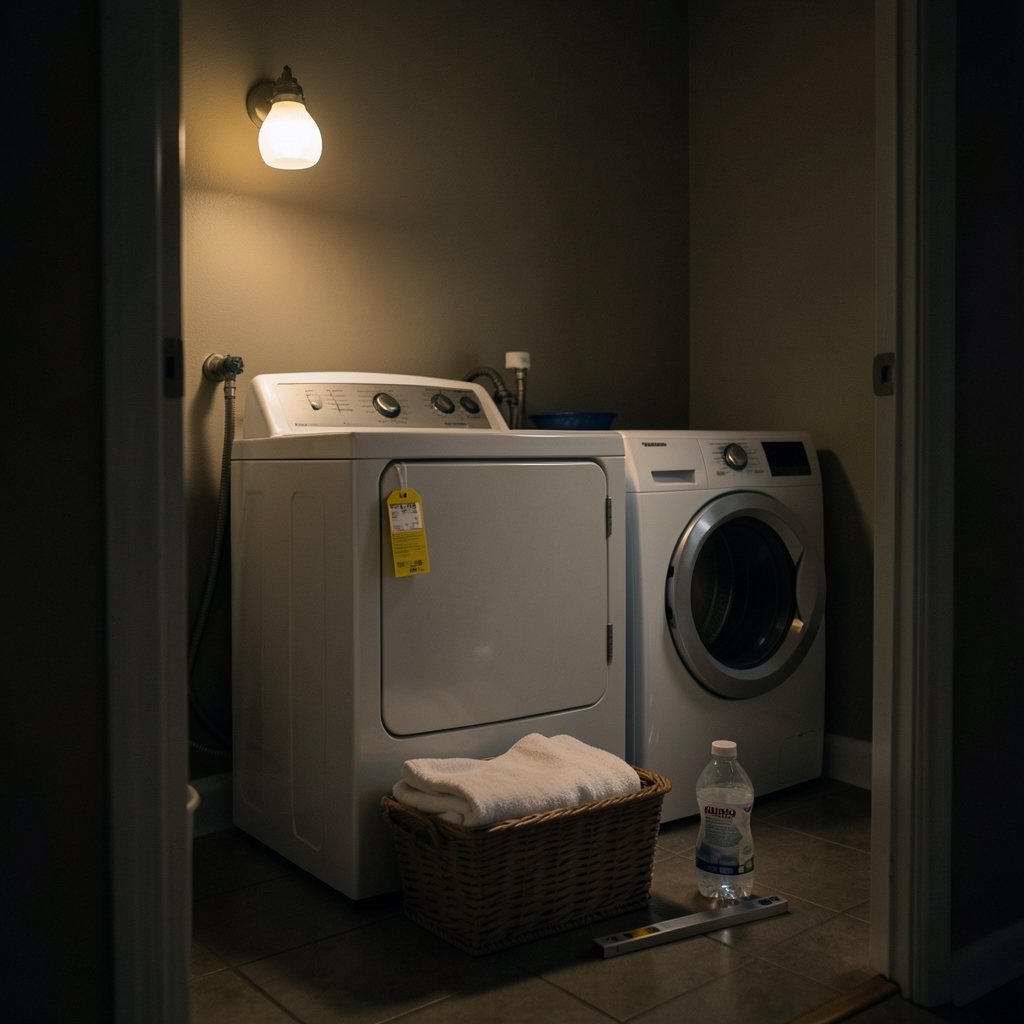
What makes a gas dryer worth its price tag? Is it the star rating on a retailer’s page, the annual energy cost printed on a yellow label, or the simple fact that it still works flawlessly five years after installation? Anyone shopping for a gas dryer quickly discovers that “best rated” is a slippery phrase. Ratings come from different sources, use different methods, and often measure different things. This guide cuts through the noise and explains what genuinely separates a top-rated gas dryer from an average one, so the reader can judge the ratings instead of just trusting them.
Why “Best Rated” Means Less Than It Seems
Walk into any appliance showroom and the word “best” appears on nearly every tag. Online, the situation is worse. A dryer with 4.6 stars from 200 reviews is not directly comparable to one with 4.8 stars from 12,000 reviews. Sample size, review timing, and even how a retailer rounds its averages all shift the picture.
Independent testing outlets add another layer. Their rankings come from lab measurements of drying speed, moisture detection accuracy, and temperature consistency, not from owner impressions. A model can top a lab test and still frustrate owners because its controls are confusing or its drum is awkward to load. That is why smart buyers triangulate: they look at professional test results, owner reviews, and the federal EnergyGuide label together rather than trusting any single score.
There is also a structural quirk worth knowing. ENERGY STAR does not currently certify standard full-size residential clothes dryers, so shoppers will not find that familiar blue label on most gas dryers. The program’s coverage has shifted over the years and has focused on commercial machines and select advanced models. Absence of the label is not a red flag; it just means efficiency comparisons have to come from somewhere else, namely the EnergyGuide.
The EnergyGuide Label Is the Most Honest Rating in the Store
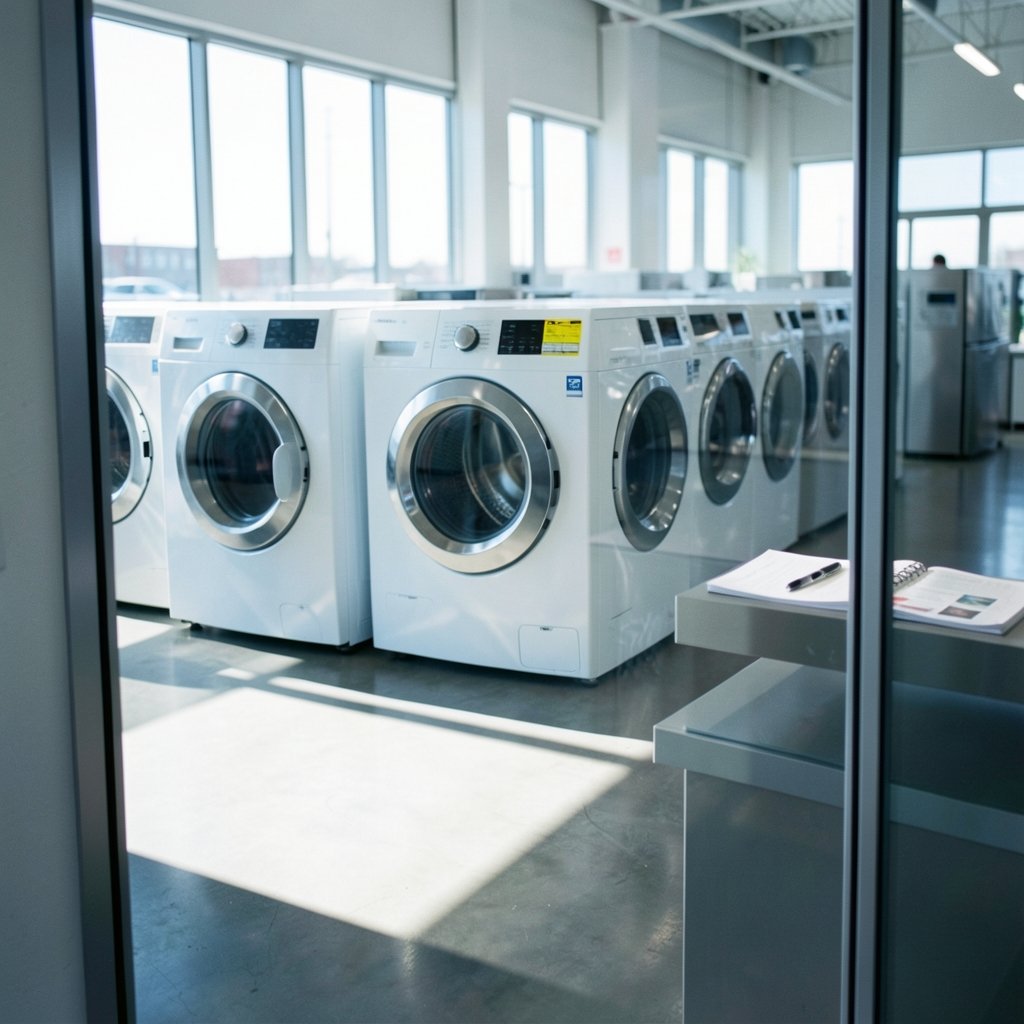
Every clothes dryer sold in the United States carries an EnergyGuide label, a Federal Trade Commission requirement that shows estimated annual energy use and estimated annual operating cost. This is the closest thing to an apples-to-apples comparison a shopper gets, because every manufacturer calculates it using the same federal test procedure.
The label matters more for gas dryers than many buyers realize. Operating cost depends heavily on local fuel prices, so a gas dryer that looks cheap to run in one region may not be in another. The EnergyGuide gives a standardized estimate that can be compared across models on the same showroom floor, even if the real-world number will drift with utility rates.
A practical tip: photograph the labels of the three or four models under consideration and compare the annual cost figures side by side at home. Salespeople rarely volunteer this comparison, and the differences between a well-tuned model and a mediocre one can add up over a decade of laundry.
Gas vs. Electric: The Comparison That Shapes Every Rating
Most “best rated” lists mix gas and electric dryers, which muddies the water. The two types are regulated separately under federal energy-conservation standards and have different installation requirements. Before weighing any rating, buyers should confirm which fuel type fits their home.
| Factor | Gas dryer | Electric dryer |
|---|---|---|
| Fuel source | Natural gas line (or propane conversion) | 240V electric circuit |
| Electrical need | Typically a standard 120V circuit for controls and ignition | Dedicated 240V circuit |
| Operating cost | Usually lower per load where gas is cheap | Depends on local electricity rates |
| Venting | Must vent outdoors; carbon monoxide risk if done wrong | Vented or ventless depending on model |
| Installation | Requires a gas line, often a licensed installer | Simpler hookup, but needs the right outlet |
The operating-cost advantage of gas is real but not universal. Where natural gas is inexpensive, gas dryers typically cost less per load to run. Where electricity is cheap and gas is not, the gap narrows or reverses. This is exactly the kind of household math that a star rating cannot capture, and it explains why the “best” dryer for one home may be the wrong choice for the house next door.
Safety deserves equal weight. Gas dryers must be vented outdoors according to manufacturer instructions and local code. Poor venting creates a carbon monoxide hazard, which is a far more serious concern than a few dollars of annual energy savings. Anyone who has ever wondered about invisible household air risks will recognize the pattern: the danger is real, it is easy to ignore, and prevention is cheap. The same logic that makes people think about radon gas and why the air in your basement matters applies to dryer venting. Both are about managing combustion and soil gases that quietly accumulate indoors, and both reward a little diligence.
What Top-Rated Models Actually Have in Common
Across review sites and lab tests, the highest-scoring gas dryers tend to share a handful of traits. These are the features worth paying for, ranked roughly by how much they affect daily satisfaction.
Accurate moisture sensing
Sensor-dry technology uses moisture sensors inside the drum to stop the cycle when clothes are actually dry. Well-calibrated sensors prevent the two classic frustrations: damp sheets after a full cycle and over-dried fabrics that wear out early. Cheaper models rely on timed drying, which is the appliance equivalent of guessing.
Generous capacity
Most residential gas dryers fall in the 7 to 9 cubic foot range. Larger drums handle comforters and family loads without cramming, and cramming is the number one cause of long dry times. A 9-cubic-foot drum that dries a king comforter in one pass often beats a smaller “high-efficiency” model on real-world energy use.
Steam and refresh cycles
Steam features show up repeatedly on higher-rated models. They de-wrinkle clothes, refresh items between washes, and reduce ironing. Whether that is worth the premium is a personal call, but reviewers consistently rate steam-equipped dryers higher on satisfaction, likely because the feature gets used more than buyers expect.
Straightforward controls
Here is where lab tests and owner reviews diverge most. A dryer can score brilliantly on drying speed and still earn lukewarm owner ratings because its touch panel is baffling or its app is buggy. The best-rated models in owner surveys tend to have simple dials, clear labels, and settings that make sense without a manual.
Quiet operation and solid build
Noise complaints dominate negative reviews of otherwise strong machines. A dryer that rattles the floor above the laundry room will never feel premium, no matter what its efficiency numbers say.
Common Mistakes Buyers Make
Even careful shoppers stumble in predictable ways. Avoiding these errors matters more than chasing a tenth of a star.
Buying on stars alone. A 4.7-star average from a small sample tells almost nothing. Look for hundreds of reviews spread over at least a year, and read the two-star reviews first. They reveal recurring problems that five-star reviews gloss over.
Ignoring the vent path. A high-rated dryer connected to a long, kinked, lint-clogged duct will underperform a mediocre dryer with a clean, short run. The duct is part of the system, and reviewers rarely mention it.
Skipping the gas line check. Gas dryers need a supply line and proper connections. Homes without an existing hookup face added installation cost, and that changes the math on any “best value” claim.
Overlooking the electrical requirement. Gas dryers usually need only a standard 120V outlet, but buyers converting from electric should confirm the circuit is available where the new machine will sit.
Forgetting propane. Rural buyers on propane need a conversion kit, and not every model supports one. This is a specification worth checking before falling in love with a rating.
The same discipline applies to any purchase driven by ratings. Just as founders are advised to choose the best conversion rate optimization approach for startups by testing rather than trusting hype, appliance buyers do better when they verify claims against their own situation instead of accepting a leaderboard at face value.
How to Read Ratings Like a Pro
A simple method works for almost any appliance category. First, identify two or three models that fit the home’s fuel type, space, and budget. Second, compare their EnergyGuide figures. Third, read professional test summaries for drying performance and sensor accuracy. Fourth, scan owner reviews for patterns in reliability, noise, and control usability. Fifth, check the warranty and service network, because a dryer that cannot be repaired locally is not a bargain at any rating.
That fifth step is where many buyers get burned. A brand with glowing reviews but no authorized technician within an hour’s drive turns a minor repair into a major headache. Ratings measure the product; they rarely measure the support behind it.
It also helps to think about what the rating is actually rewarding. A model praised for drying speed may simply run hotter, which is fast but harsh on fabrics. A model praised for gentleness may take longer. Neither is wrong, but the buyer should know which trade-off the stars are hiding.
Where Gas Dryers Fit in a Smarter Laundry Room
The dryer does not exist in isolation. Its performance depends on the washer spinning clothes dry enough, the vent carrying moisture away, and the room’s air quality staying healthy. Pairing a well-rated gas dryer with a washer that extracts water efficiently shortens every cycle. Buyers replacing both machines at once often find that a strong washer-dryer combination outperforms a premium dryer paired with an old, weak washer.
Those shopping for a combined unit should look carefully at venting and efficiency claims, since washer-dryer combos vary widely in how they handle moisture. A useful reference point is this guide to choosing the best brand for a washing machine with a dryer, which covers the trade-offs between stacked, combo, and separate units.
Technology habits matter too. Many modern dryers pair with apps and smart-home systems, and the quality of that software varies wildly. Anyone who has watched a promising gadget stumble on launch knows the feeling; the gap between a demo and daily reality can be wide, much like the DLSS 5 story around NBA 2K27’s frame rate showed how marketing numbers and lived experience can part ways. A dryer’s app should be a bonus, never the reason to buy.
Frequently Asked Questions
Are gas dryers worth the higher purchase price?
Usually, yes, if a gas line already exists. Gas dryers often cost a bit more upfront than comparable electric models, but they typically cost less per load to operate where natural gas is affordable. The break-even point depends on local fuel prices and how many loads a household runs each week. Homes without a gas hookup should factor in installation costs before deciding.
Do gas dryers carry an ENERGY STAR label?
Generally no. ENERGY STAR does not currently certify standard full-size residential clothes dryers, so shoppers should not expect the blue label on most gas models. Efficiency comparisons should rely on the FTC EnergyGuide label, which every dryer carries and which uses a standardized federal test procedure.
What size gas dryer is best for a family?
Most families do well with 7 to 9 cubic feet. A 7-cubic-foot drum suits couples and small households, while 8 to 9 cubic feet handles comforters, towels, and multi-person loads without packing the drum. Oversized loads are the leading cause of long dry times, so matching capacity to actual laundry volume beats buying the biggest machine available.
How often should a gas dryer vent be cleaned?
At least once a year, and more often in heavy-use homes. Lint buildup restricts airflow, lengthens dry times, and creates a fire risk. A clogged vent also forces the dryer to run hotter and longer, which wastes energy and wears out components. Cleaning the lint trap after every load is the baseline habit; the full duct needs periodic attention too.
Can a gas dryer cause carbon monoxide problems?
It can if it is improperly vented or poorly maintained. Gas dryers must vent outdoors according to manufacturer instructions and local code. Signs of trouble include excessive humidity in the laundry room, a lingering gas smell, or the carbon monoxide alarm sounding. Any suspected venting problem warrants stopping use and calling a qualified technician.
Is a higher star rating always a better dryer?
No. Ratings reflect different things depending on the source. Retailer averages capture owner satisfaction, which skews toward ease of use and noise. Lab tests capture drying performance and sensor accuracy. A model can excel at one and disappoint at the other. The strongest choice usually combines solid test results, a healthy review history, and a service network the buyer can actually reach.
Conclusion
The best-rated gas dryer is not the one with the shiniest star count. It is the one that fits the home’s fuel setup, dries clothes accurately without over-drying them, carries an EnergyGuide estimate the household can live with, and comes from a brand with service nearby. Ratings are a starting point, not a verdict. Shoppers who compare labels, read the critical reviews, verify installation requirements, and think about venting and air quality end up with a machine that earns its keep for a decade or more. That is a far better measure of “best” than any number of stars.



