
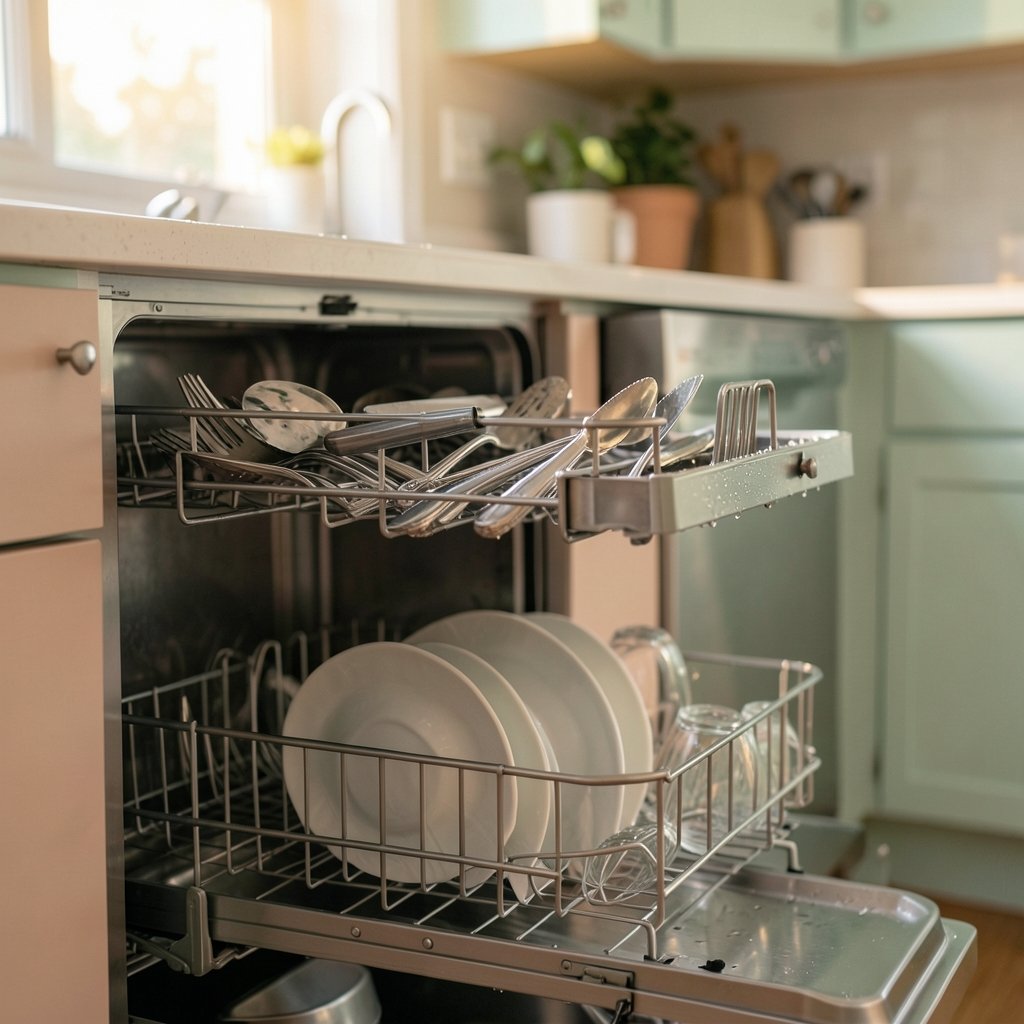
What if the most important thing about a dishwasher brand has nothing to do with how shiny the stainless steel looks on the showroom floor? Most people shopping for a dishwasher spend hours comparing features and almost no time thinking about the two things that will actually shape their experience: how often the machine breaks, and how easy it is to get it fixed when it does. That gap between marketing and reality is where the real story about top dishwasher brands lives.
This guide takes a balanced look at the brands that dominate the market, what each one is genuinely good at, and the mistakes buyers make when they pick a name they recognize instead of a machine that fits their kitchen.
Why brand reputation matters more than a spec sheet
A dishwasher is one of the few appliances in a home that runs almost every day. That daily cycle of heat, water, and detergent is brutal on parts. A brand’s reputation is essentially a track record of how well its machines survive that punishment over eight to twelve years.
Spec sheets tell you about capacity, noise levels, and cycle options. They do not tell you whether the control board fails in year four or whether a replacement rack costs more than a used car. Those details come from reliability surveys, repair data, and the collective experience of people who have owned the machine for years.
There is also a practical side that buyers overlook: service networks. A brilliant dishwasher from a brand with no technicians in your region is a liability. Before falling in love with a model, it helps to check who repairs it locally and how long parts stay available.
The brands that consistently earn their place
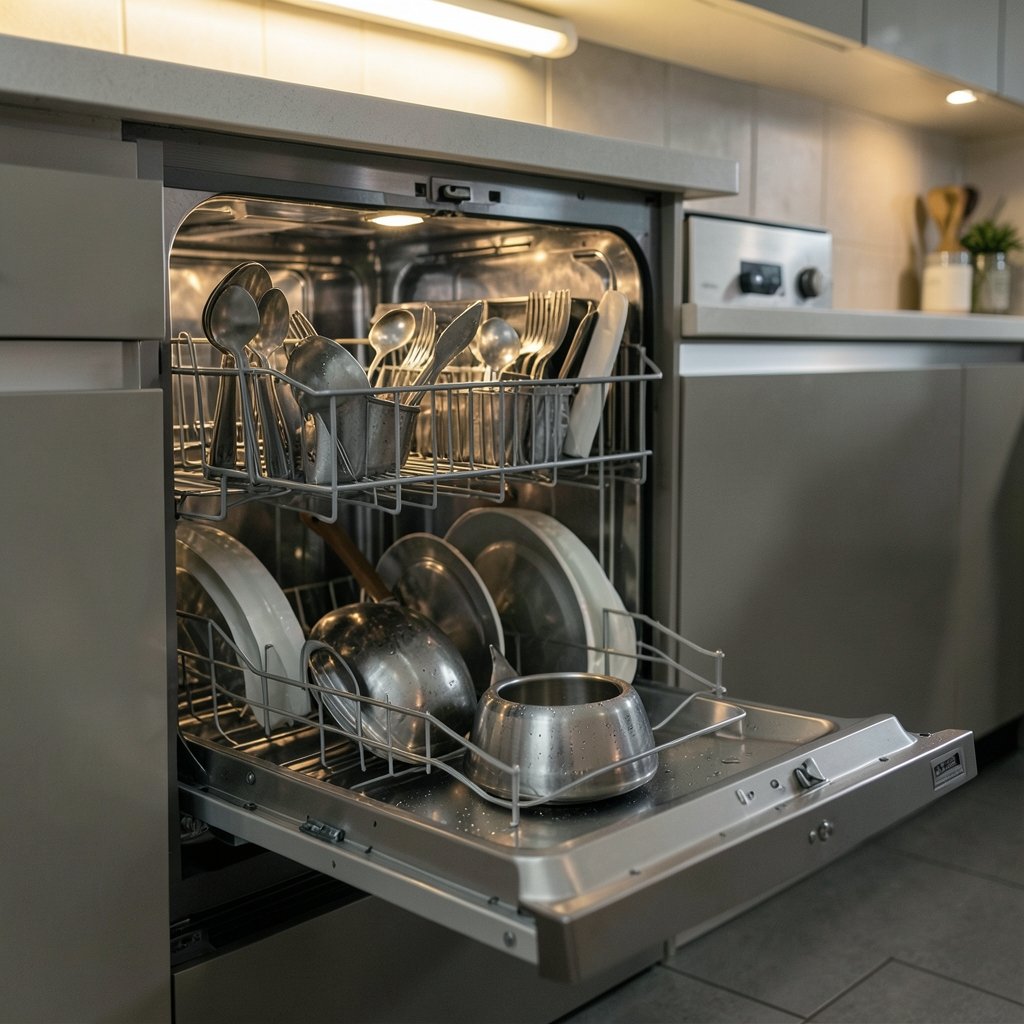
Dishwasher brands tend to sort into a few loose camps. The names below are the ones that come up again and again in reliability discussions, owner forums, and repair-shop conversations. None of them is perfect, and each has a personality.
Bosch
Bosch is the brand most often named when people ask which dishwasher to buy without overthinking it. The German manufacturer built its reputation on quiet operation and steady reliability across its mid-range and premium lines. Its third-rack cutlery tray and flexible folding tines are genuinely useful rather than gimmicky.
The catch is price and repair cost. Bosch machines tend to cost more upfront, and when something does go wrong outside warranty, parts and labor can sting. Buyers who want the longest trouble-free stretch usually get it, but they pay for the privilege.
Miele
Miele sits at the top of the price ladder and justifies much of it with build quality and a design life measured in decades rather than years. Owners frequently report machines running well past the ten-year mark. The brand also tends to keep spare parts available for far longer than budget manufacturers do.
The honest caveat: Miele is not the right choice for someone who wants the cheapest path to clean dishes. It is the right choice for someone who plans to stay in their home and wants to buy once.
Whirlpool and Maytag
These two share a corporate parent and a similar philosophy: dependable, mid-priced machines with wide service coverage. Maytag leans slightly more toward durability marketing, while Whirlpool offers a broader range of sizes and configurations, including models that fit tighter cabinet openings.
They are the pragmatic choice for renters, landlords, and anyone replacing a dishwasher in a hurry. Repair technicians know them, parts are common, and the learning curve is short.
LG and Samsung
Both Korean brands bring strong design, smart features, and competitive pricing. LG’s direct-drive motor technology and Samsung’s flexible racking and water-saving cycles are real advantages. Their weakness has historically been in long-term reliability and the cost of repairing complex electronics.
If a buyer loves connected features and wants a sleek look at a fair price, these brands deliver. If the priority is a machine that quietly runs for fifteen years, the calculus shifts.
Frigidaire and GE
These are the value and mainstream workhorses. Frigidaire covers the budget end well, with simple machines that do the job without fuss. GE sits a step up, with solid mid-range options and broad availability.
Neither brand is exciting, and that is the point. They are the sensible pick when the budget is fixed and the goal is a working dishwasher by the weekend.
| Brand | Best known for | Typical buyer | Main trade-off |
|---|---|---|---|
| Bosch | Quiet operation, reliability | Long-term homeowners | Higher upfront and repair cost |
| Miele | Build quality, longevity | Buy-once buyers | Premium price |
| Whirlpool / Maytag | Dependability, service coverage | Renters, landlords, quick replacements | Fewer premium features |
| LG / Samsung | Design, smart features | Tech-forward buyers | Repair complexity |
| Frigidaire / GE | Value, availability | Budget-conscious buyers | Basic feature sets |
The mistake almost everyone makes
The single most common buying error is choosing a brand first and a model second. Brands are not monoliths. A manufacturer’s entry-level line can be built to a completely different standard than its flagship line, sometimes in a different factory entirely.
A better approach is to work backwards:
- Measure the cabinet opening and note the water and power connections.
- Set a realistic budget that includes installation and a possible repair fund.
- Shortlist two or three models from different brands that fit the space.
- Check reliability discussion and repair cost for those specific models, not the brand as a whole.
- Confirm local service availability before buying.
That sequence sounds obvious, but most shoppers reverse it. They walk into a store loyal to a name, then force a model to fit.
A second mistake is ignoring noise ratings. A dishwasher that runs at 44 decibels is noticeably quieter than one at 50, and in an open-plan kitchen that difference matters every single evening. Buyers rarely regret paying for quiet.
A third mistake is skipping the installation reality check. Dishwashers come in standard widths, but height and depth vary, and some models need specific clearance for the door to open fully. Measuring twice prevents a very frustrating delivery day.
What the smart money looks at beyond the badge
Brand loyalty is fine, but a few factors cut across every name on the shelf.
Energy and water use. A dishwasher that uses less water per cycle saves money quietly over years. Look at the energy label and compare annual consumption estimates rather than just the headline efficiency rating.
Repairability. Some machines are designed so a technician can swap a pump in twenty minutes. Others require pulling the entire unit and dismantling half of it. Ask a local repair shop which brands they dread working on. The answer is often surprising and always useful.
Warranty terms. A long warranty on paper means little if it excludes labor or covers only parts that rarely fail. Read the fine print on what is actually covered and for how long.
Rack design. This is the least glamorous feature and the one people complain about most. Adjustable tines, a dedicated cutlery tray, and a fold-down stemware row make daily loading far less annoying. Test the racks in person if possible.
Filter access. A dishwasher with an easy-to-remove filter gets cleaned more often, and a clean filter is the difference between a machine that lasts and one that clogs and smells.
How to match a brand to your actual situation
The right brand depends entirely on the household. A few common scenarios make the decision clearer.
For a family that runs the dishwasher daily and plans to stay put, a Bosch or Miele machine usually pays back its premium in fewer repairs and quieter evenings. For a rental property or a quick replacement, Whirlpool, Maytag, Frigidaire, or GE offer dependable service at a price that does not hurt. For someone who loves smart-home integration, LG and Samsung deliver features the traditional brands are slower to match.
There is a broader lesson here about how brand value works in appliances. A name earns trust through consistency, and the same principle applies far beyond kitchens. It is visible in how a railroad watch brand like Ball built its reputation on accuracy rather than flash, and in how Ketel One vodka differentiates itself through a single Dutch pot still process instead of marketing noise. The brands that last are the ones that make a specific promise and keep it for decades.
That same lens helps with dishwasher shopping. Ask what a brand is actually promising. Bosch promises quiet reliability. Miele promises longevity. Frigidaire promises value. Once the promise is clear, the choice becomes a matter of which promise matches your life.
Where buyers get surprised after purchase
Post-purchase surprises cluster around a few predictable areas, and knowing them in advance softens the blow.
The first is repair cost relative to replacement. On a budget dishwasher, a major repair can approach half the purchase price. On a premium machine, repairs are expensive in absolute terms but still cheaper than replacing a unit that has years left. Buyers should know their personal threshold before something breaks.
The second is cycle time. Eco cycles on modern machines can run well over three hours. That is fine for overnight runs and frustrating for a household that needs dishes back quickly. Check the quick-wash cycle time in addition to the eco rating.
The third is drying performance. Some brands rely on residual heat, others use a mineral drying system or a fan-assisted approach. If plastic containers coming out wet drives you up the wall, research the drying method specifically.
The fourth is parts availability over time. A brand that stops stocking a rack or a spray arm after eight years effectively shortens the machine’s life. Premium brands tend to hold parts longer, which is part of what the higher price buys.
For anyone weighing how much brand reputation is worth in practice, it helps to see how other industries quantify it. Case studies on AI chatbot ROI across ten brands show how differently companies convert reputation into measurable results, and the same variance exists in appliances. A trusted name is worth more in some categories than others.
Conclusion
The best dishwasher brand is not a single answer. It is the brand whose strengths line up with how you actually live. Bosch and Miele reward long-term owners who value quiet and durability. Whirlpool, Maytag, Frigidaire, and GE serve households that want dependable service without a premium. LG and Samsung appeal to buyers who want modern features and design.
What ties all of them together is a simple truth: the badge on the door matters less than the specific model, the local service network, and whether the machine fits your kitchen and your habits. Measure first, shortlist models rather than brands, check repair realities, and pay attention to noise and drying. Do that, and the dishwasher you choose will quietly do its job for a decade or more, which is exactly the point.
FAQ
Which dishwasher brand is the most reliable?
Bosch and Miele consistently rank at the top in owner reliability discussions, with Miele generally leading on longevity and Bosch leading on quiet operation at a more accessible price. Whirlpool and Maytag follow closely in dependability, especially where service coverage matters.
Is Miele worth the extra money?
For homeowners planning to stay in place for many years, Miele’s build quality and long parts availability often justify the premium. For renters or anyone on a tight budget, the same money buys a solid machine plus a healthy repair fund elsewhere.
How long should a dishwasher last?
Most dishwashers last somewhere between eight and twelve years with regular use. Premium brands frequently exceed that range, while budget models tend to land at the lower end. Cleaning the filter and using the right detergent meaningfully extends life.
Are expensive dishwashers quieter?
Not automatically, but premium brands do tend to invest more in insulation and vibration control. Noise is rated in decibels, and anything at or below roughly 44 decibels is considered very quiet. Always compare the specific model’s rating rather than assuming a brand is silent.
What is the biggest mistake when choosing a dishwasher brand?
Choosing the brand before the model. Entry-level and flagship lines from the same manufacturer can differ enormously in build quality, so reliability research should focus on the exact model you plan to buy.
Do smart dishwasher features actually help?
They can, particularly scheduling and cycle notifications, but they rarely affect cleaning performance. Buyers who want a machine to last should prioritize build quality, service access, and repairability over app connectivity.



