
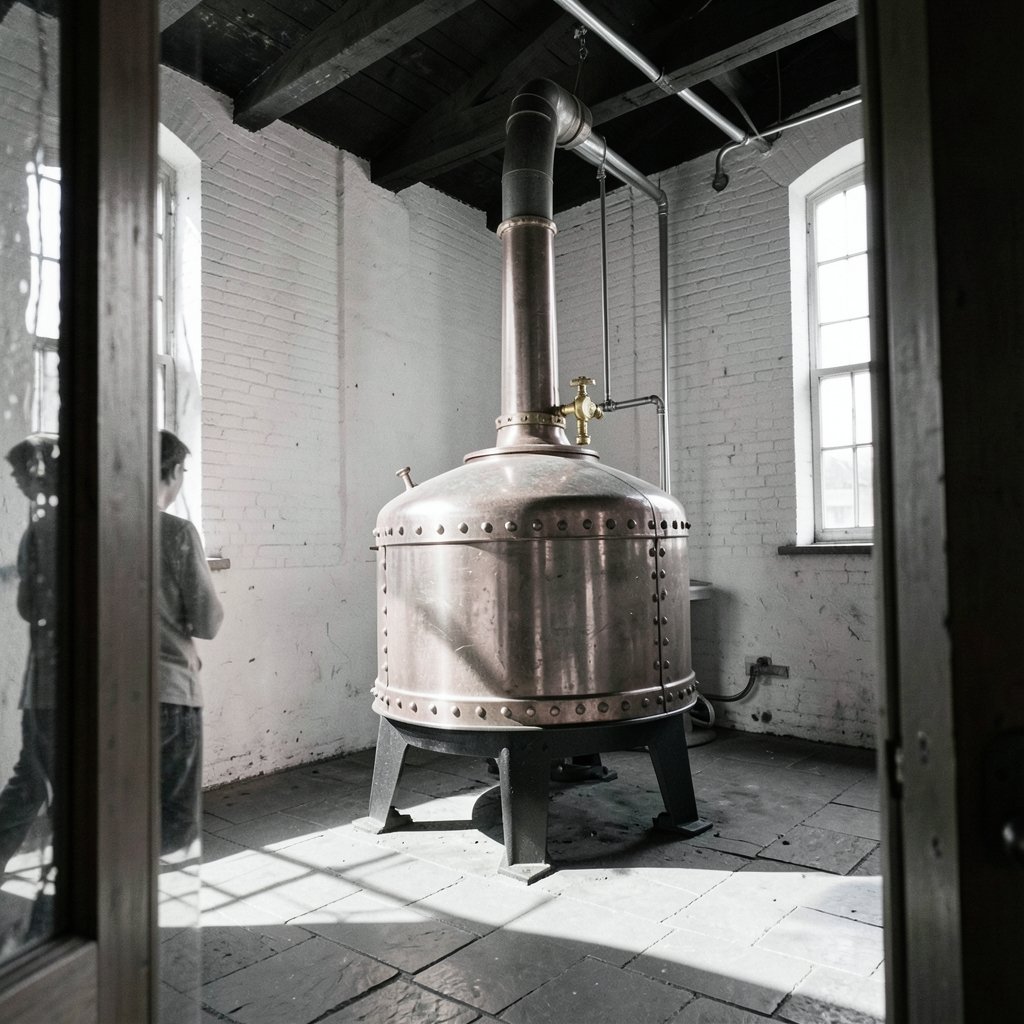
What if the most important thing about a vodka isn’t how many times it’s distilled, but which still it came out of? That question drives Ketel One, a Dutch brand that built its identity around a single coal-fired pot still in a family distillery in Schiedam, Netherlands. The name itself is a clue: “ketel” is Dutch for pot still, and the “One” points to Distilleerketel #1, the original vessel the Nolet family still uses for part of production. Understanding what that means in practice, how the brand is made, and where it sits on the shelf helps anyone decide whether it deserves a place in their cabinet. (Money shift one wrong gear can destroy engine)
Where Ketel One Comes From
Ketel One is produced by the Nolet family distillery in Schiedam, a city with deep roots in Dutch distilling history. The family’s distilling lineage is generally dated to 1691, while the Ketel One brand itself launched in the United States in 1983. Those two dates matter because they explain the brand’s marketing: it sells heritage and craft, not novelty. (One com vs godaddy workflow differences that actually matter)
The production story is deliberately old-fashioned in places. The spirit is made from European wheat and runs through a combination of pot stills and a column still, then gets filtered before bottling. The pot still component is what the brand leans on hardest, since pot distillation tends to produce a heavier, more textured spirit than column distillation alone.
One practical note for shoppers: the flavor lineup changes over time. The core vodka has been joined by citrus-forward expressions and a botanicals range at various points, so it pays to check what’s actually on the shelf rather than assuming a bottle you remember is still in production.
Ownership and the Diageo Stake

For most of its history Ketel One was independently family-owned, which shaped how it was marketed and distributed. Around 2018, Diageo took a significant stake in the brand and expanded its global distribution. The exact deal structure is worth confirming against primary press releases rather than secondhand summaries, since coverage of the transaction varies in detail.
What that shift means for a drinker is mostly about availability. A brand backed by a major spirits company tends to show up in more markets, more airports, and more bar wells than a purely independent one. The liquid itself is still made in Schiedam under the Nolet family’s supervision, which is the part that matters for the glass.
What “Vodka” Actually Means Legally
This is where a lot of brand marketing gets fuzzy, so it helps to know the rules. In the United States, regulations define vodka as neutral spirits distilled from any material, bottled at not less than 40% ABV, and “without distinctive character, aroma, taste, or color.” In the European Union, spirit drink rules set the minimum bottling strength at 37.5% ABV. These are regulatory definitions, not brand claims, and they explain why vodka producers talk so much about texture and mouthfeel: the category’s legal identity is basically “clean and neutral,” so differentiation has to happen in subtler places.
That’s also why the “how many times distilled” claim is less informative than it sounds. Distillation counts are easy to market and hard to verify, and more passes don’t automatically mean a better spirit. What tends to matter more is the base material, the still type, and how the spirit is cut and filtered.
Ketel One vs. Other Premium Vodkas
Comparing vodkas side by side is genuinely useful, because the differences are real even when they’re small. The table below reflects commonly cited production details and market positioning rather than lab analysis.
| Brand | Base material | Still approach | Typical positioning |
|---|---|---|---|
| Ketel One | European wheat | Pot still plus column still | Premium, heritage-driven |
| Ketel One Citroen | Wheat base with citrus | Same base process, flavored | Flavored premium |
| Column-still-only brands | Varies (grain, corn, potato) | Column only | Often lighter, cleaner |
| Potato vodkas | Potato | Varies | Creamier texture, earthier |
The takeaway isn’t that one column wins. It’s that pot still spirit usually carries more body, which is why Ketel One holds up in stirred drinks where a very light vodka disappears. If you’re building a home bar and weighing purchases, the same logic applies that you’d use when choosing a bike helmet that actually protects you: the spec sheet tells you less than what the thing does under real conditions.
How to Drink It Without Wasting It
Practical experience beats brand copy here. A few things genuinely change how Ketel One shows up in a glass.
Keep it cold, but not frozen solid
Vodka straight from a freezer mutes aroma and makes everything taste like cold. Chilling to fridge temperature and letting the glass warm slightly gives the spirit room to show its texture. If you want to serve it neat, a small pour in a tulip glass works better than a shot glass because it concentrates what little aroma there is.
Stir, don’t shake, when you want texture
Shaking aerates and dilutes fast. Stirring keeps the drink denser and lets the pot still character come through. For a vodka martini, stir for roughly 20 to 30 seconds with good ice and taste before you pour.
Watch the vermouth ratio
A 50/50 martini buries most vodkas. A 5:1 or 6:1 ratio lets the base spirit speak. If the drink tastes flat, the problem is usually the vermouth’s freshness, not the vodka.
Don’t overpay for the wrong bottle
Flavored expressions are convenient but less flexible. A bottle of the core vodka plus fresh citrus and a good liqueur covers more ground than three flavored bottles. That’s the same reasoning behind picking the right MacBook for video editing: buy for the work you actually do, not the spec you find impressive.
Common Mistakes People Make With Ketel One
A handful of missteps come up again and again.
- Assuming pot still means “sipping vodka only.” It works beautifully in mixed drinks, and using it in a Moscow mule or a vodka soda is not a waste.
- Storing it badly. Heat and sunlight degrade spirits. A cabinet over the stove is a bad home for any bottle.
- Judging it ice cold. Freezer-cold vodka tastes like almost nothing, which defeats the point of paying for character.
- Trusting distillation counts as a quality signal. They’re marketing shorthand, not a grading system.
- Ignoring the ABV. Bottling strength affects dilution in cocktails. A 40% spirit and a 37.5% spirit behave differently in the same recipe.
The Heritage Question
Brands that sell history invite skepticism, and that’s fair. The useful test is whether the heritage claim connects to something you can taste. In Ketel One’s case, the pot still reference isn’t decorative: it points to a real production choice with real sensory consequences. Whether that consequence is worth the price is a personal call, but at least the claim is checkable.
The same principle applies across product categories. A workflow difference that seems minor on paper often turns out to be the thing that matters daily, whether you’re comparing One.com vs GoDaddy workflow differences that actually matter or deciding between board tools as a beginner. Details compound.
What to Verify Before You Buy
Since the spirits market shifts, a few facts are worth confirming rather than assuming. The current flavor range, the exact bottling strength in your market, and the latest ownership details all change over time. Official brand pages and regulatory sources are the places to check, not retailer copy. It’s the same discipline that applies to any purchase where the stakes are higher than they look, whether you’re reading the fine print on FIDO2 PIN vs account password protection or checking the spec sheet before a big buy.
Conclusion
Ketel One earns its place on the shelf through a specific, defensible idea: wheat spirit, pot still character, and a family distilling lineage that predates most competitors by centuries. It isn’t the cheapest bottle and it isn’t the most neutral one, and that’s the point. For drinkers who want a vodka with enough body to hold up in a stirred cocktail and enough smoothness to serve neat, it’s a sensible default. The smart move is to buy the core bottle first, taste it at fridge temperature rather than freezer temperature, and decide from there whether the flavored expressions or the premium tier are worth adding. Heritage is the pitch, but texture is the actual product, and texture is something any drinker can judge in a single glass.
Frequently Asked Questions
Is Ketel One a potato or wheat vodka?
Ketel One is made from European wheat, not potato. The wheat base, combined with pot still distillation, gives it a slightly fuller body than many column-distilled grain vodkas. Potato vodkas tend to taste creamier and earthier, so if you prefer that profile, this isn’t the closest match.
What does the name Ketel One mean?
“Ketel” is Dutch for pot still, and “One” refers to Distilleerketel #1, the original coal-fired pot still at the Nolet distillery in Schiedam. The name is essentially a production reference rather than a marketing invention, which is unusual in the category.
Is Ketel One owned by Diageo?
Diageo took a significant stake in the brand around 2018, expanding its global distribution. The Nolet family remains involved in production in the Netherlands. Because deal structures and stakes can change, it’s worth checking current corporate announcements if ownership details matter to you.
How should I store and serve Ketel One?
Store it upright in a cool, dark cabinet away from heat and sunlight. For serving, chill it in the fridge rather than the freezer, since extreme cold mutes aroma and texture. In cocktails, stir rather than shake when you want a denser drink, and keep vermouth fresh and refrigerated.
Does more distillation make vodka better?
Not necessarily. Distillation counts are easy to advertise but don’t reliably predict quality. Base material, still type, how the spirit is cut, and filtration all matter more. A pot still spirit can be excellent at a modest distillation count, while a heavily distilled column spirit can taste thin.
Is Ketel One worth the price compared with cheaper vodkas?
It depends on how you drink. In stirred cocktails or served neat, the extra body is noticeable and often worth it. In a heavily mixed drink with strong juices or syrups, a cheaper bottle will perform nearly as well, and the difference is hard to justify.
Final Verdict on the Bottle
Strip away the marketing and what remains is a straightforward proposition: a wheat vodka with enough texture to justify its premium price for drinkers who care about the base spirit, and enough neutrality to work in almost any cocktail. It won’t convert someone who prefers the creaminess of a potato vodka or the crispness of a column-only grain spirit, and it isn’t trying to. The honest way to settle the question is empirical: buy one bottle, serve it at fridge temperature, stir a martini with fresh vermouth, and taste it next to whatever you currently keep on the bar. That single comparison tells you more than any spec sheet, heritage story, or distillation count. If the pot still character shows up in your glass, the price is justified; if it doesn’t, you’ve learned something useful about your own palate and can buy accordingly.
That empirical approach also protects you from overbuying. Buy the smallest available bottle of the core expression first, keep notes on how it performs neat, in a martini, and in a simple highball, and only then decide whether the premium tier or a flavored bottle earns shelf space. Palates change, and so do prices and formulations, so revisiting the comparison every year or two is more useful than committing to a single verdict for good.



