
What do rice, beans, and a mashed green banana have in common? In the Dominican Republic, they are the backbone of daily eating. Dominican food is not a single showpiece dish. It is a rhythm of meals built on rice, beans, plantains, and slow-cooked meat, with roots that reach back to the Taíno people, Spanish colonists, and West African cooks who shaped the island’s kitchens over centuries. For a visitor, understanding that rhythm is the difference between eating well and eating randomly.
This guide covers the dishes that matter, how a typical day of eating unfolds, the drinks that come with it, and the mistakes travelers make when they try to order. It also explains why the cuisine is often mislabeled and what to actually ask for at a counter or a roadside stand.
La Bandera: The Plate That Anchors the Day
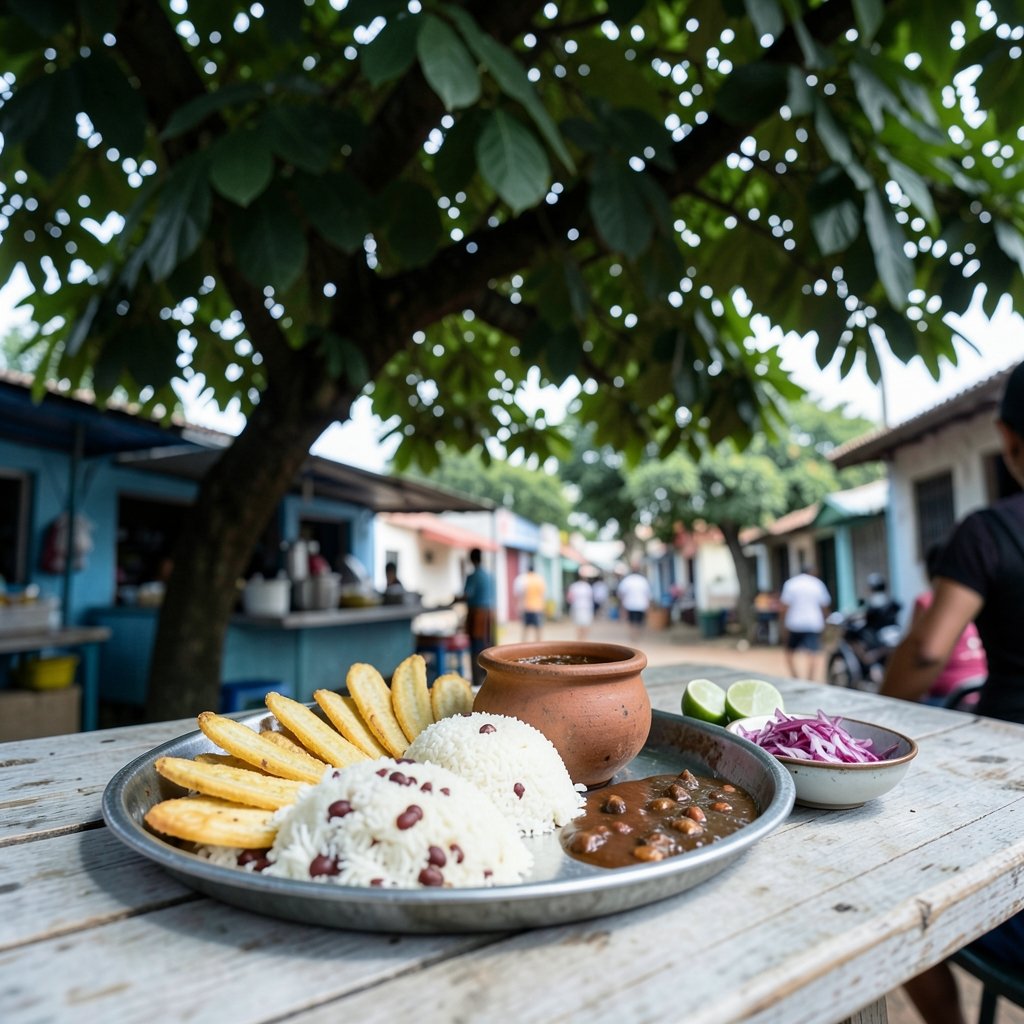
Ask anyone in the Dominican Republic what lunch looks like and you will hear about la bandera, which means “the flag.” The name refers to a plate of white rice, stewed red beans, and a portion of meat, usually chicken but sometimes beef or pork. A small salad or a side of fried plantains often completes it.
The popular explanation for the name is that the three components echo the colors of the Dominican flag. That story is repeated widely, but it is folklore rather than documented history, so treat it as a charming origin tale rather than a fact.
What is not in dispute is the plate’s role. La bandera is the everyday midday meal, served in homes, cafeterias, and small restaurants called comedores. It is cheap, filling, and built to be eaten fast in the middle of a workday. The beans are typically cooked down with sofrito, a base of sautéed onion, garlic, peppers, and herbs, which gives them a depth that a plain pot of beans never reaches.
For travelers, la bandera is the safest first order in the country. It is hard to get wrong, it appears almost everywhere, and it tells you immediately whether a kitchen is careful. If the beans taste flat and the rice is clumped, move on.
Sancocho, Mangú, and the Dishes That Carry Meaning
Beyond the daily plate, a handful of dishes carry cultural weight.
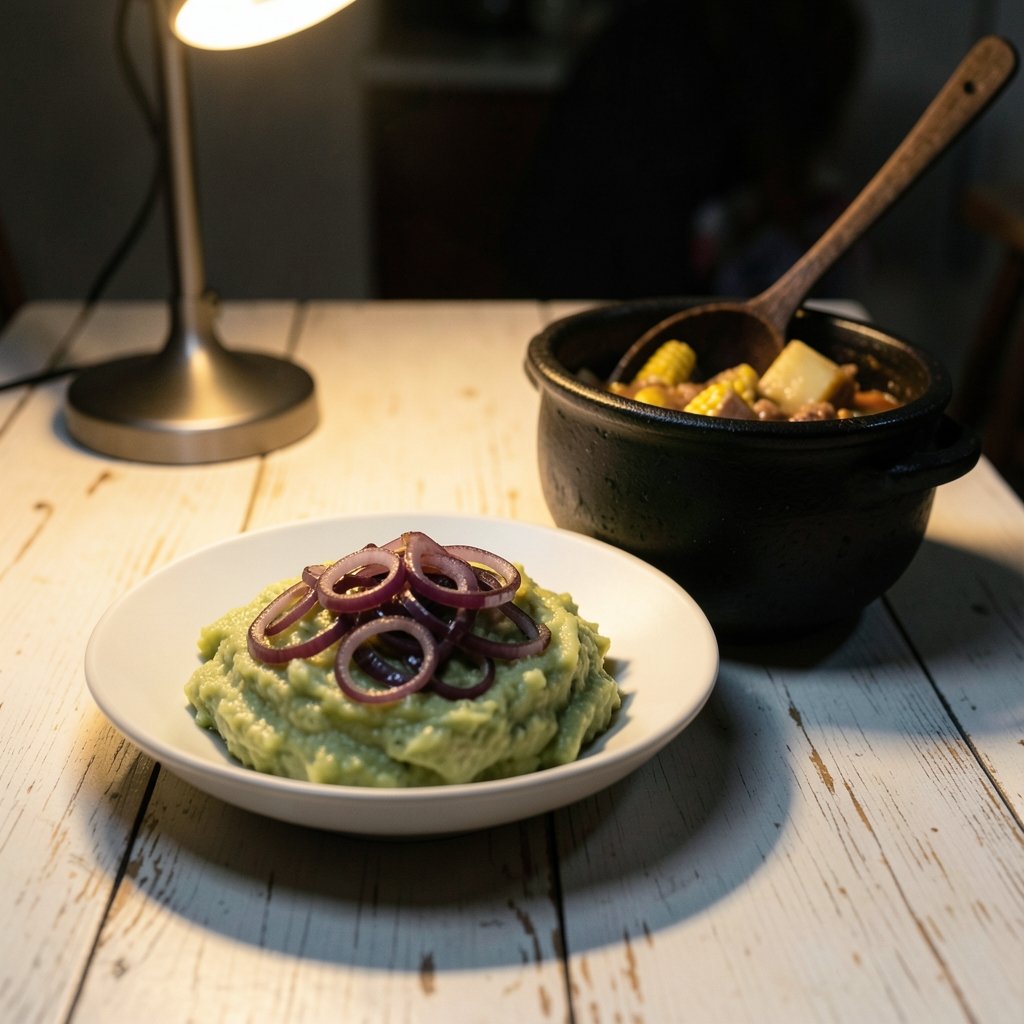
Sancocho is the celebration stew. It is a slow-cooked pot combining several meats, commonly chicken, pork, and beef, with starchy roots like yuca, ñame, and potatoes, plus plantain and corn. It shows up at family gatherings, holidays, and long weekends. The cooking takes hours, and the point is the shared pot rather than any single ingredient. If someone invites you to a sancocho, the invitation means something.
Mangú is mashed green plantain, traditionally eaten at breakfast. It is topped with sautéed red onions, often in a tangy vinegar bath, and served alongside fried salami, fried cheese, or eggs. Mangú is frequently called a national dish, and the debate over whether it, sancocho, or la bandera deserves that title is genuinely unresolved. Sources disagree, and Dominicans themselves will argue the point happily.
Tostones are green plantains sliced, fried, smashed flat, and fried again. Maduros are sweet, ripe plantains fried until caramelized. Both appear constantly as sides. Confusing the two is one of the most common beginner mistakes, and the difference matters: one is savory and starchy, the other sweet and soft.
Root vegetables run through everything. Yuca (cassava), ñame (a type of yam), and batata (sweet potato) appear boiled, fried, or folded into stews. These crops predate European arrival and remain central to the cuisine, a direct line to the island’s Indigenous food traditions.
How a Day of Eating Actually Unfolds
Dominican eating follows a predictable arc, and knowing it helps you plan.
Breakfast tends to be substantial. Mangú with onions and fried sides is the classic, but many people eat bread, cheese, eggs, or a hot drink instead. Lunch is the big meal, and la bandera is the default. Dinner is often lighter, sometimes just a repeat of lunch components or a sandwich.
Street food fills the gaps. Empanadas stuffed with cheese or meat, pastelitos, fried chicken, and grilled skewers are everywhere. Chicharrón, fried pork, is a bar snack and a weekend staple. Yaniqueques, a fried dough flatbread with roots in the English-speaking Caribbean, show up near beaches. (Best thai food near me)
The practical implication is simple: eat your main meal at midday. Restaurants that serve la bandera at lunch may not serve it at eight in the evening. If you want the full plate, go early. This is one of the most common mistakes visitors make. They sleep in, skip lunch, then find only tourist menus at dinner and conclude the food was unremarkable. It was not. They missed it.
If you are comparing this to other cuisines you already know, the same logic applies: timing and local habits decide quality more than any list of recommendations.
What Travelers Get Wrong About Dominican Food
Several persistent misunderstandings shape how visitors experience the cuisine.
The first is assuming the food is uniformly spicy. It is not. Dominican cooking leans on sofrito, oregano, garlic, and sour orange rather than chili heat. Hot sauce exists, but it is a condiment, not a foundation. Asking for “something spicy” may get you a puzzled look.
The second is treating the cuisine as a single thing. It is layered. Taíno ingredients, Spanish technique, and African cooking methods sit alongside later additions from Middle Eastern and Caribbean migration. Sources vary on the specifics of those later influences, so it is safer to describe the cuisine as layered than to attribute individual dishes to a single origin with confidence.
The third is skipping the small places. The best la bandera is rarely in a hotel. It is in a comedor with plastic chairs and a handwritten menu, where the pot has been going since morning.
The fourth is not asking prices. Street food and casual restaurants are inexpensive, but tourist zones price differently. Knowing how a local currency works helps you judge value quickly, so it is worth reading up on the Dominican peso before you land.
Drinks, Desserts, and the Sweet Side
Dominican meals come with strong drink traditions. Presidente is the dominant domestic beer, light and easy to drink in heat. Rum is a serious local product, with long-established brands such as Ron Barceló and Bermúdez that Dominicans defend with pride. If you want the local experience, ask what people in the room are drinking rather than ordering from a menu.
Coffee is strong and sweet, served in small cups. Fresh fruit juices are everywhere and often excellent: passion fruit, soursop, tamarind, and lime. A batida blends fruit with milk or water and sugar, and it is a better introduction to tropical fruit than any dessert.
Desserts lean sweet and starch-based. Habichuelas con dulce is a sweet bean dessert made with coconut milk and spices, usually prepared around Lent. It sounds strange to outsiders and wins most of them over. Rice pudding and coconut sweets are also common.
For anyone who enjoys comparing how different food cultures build flavor, the balancing act in Dominican cooking mirrors how other cuisines layer sweet, sour, salty, and savory deliberately rather than dumping them in.
A Practical Ordering Guide
If you want to eat well without a long learning curve, use this table as a starting point.
| What you want | What to order | What to expect |
|---|---|---|
| The everyday classic | La bandera | Rice, stewed beans, chicken or beef, small side |
| Breakfast | Mangú con los tres golpes | Mashed plantain, onions, salami, cheese, egg |
| A shared celebration meal | Sancocho | Slow-cooked multi-meat stew with root vegetables |
| A snack | Tostones or empanada | Fried green plantain or stuffed pastry |
| Something sweet | Habichuelas con dulce | Sweet bean and coconut dessert, seasonal |
| A cold drink | Presidente or a fruit batida | Local beer or blended fruit drink |
A few practical habits make a real difference. Order at lunch if you want the full plate. Ask whether plantains are green or ripe before you commit, because the answer changes the dish entirely. Try the beans before you judge a kitchen. And if you are staying somewhere with a kitchen, stock up on the same staples locals buy: rice, beans, plantains, and root vegetables. The same instinct that leads people to find good takeout fast at home works abroad too, just aimed at comedores instead of chains.
Packing matters more than people expect. Leftovers from a big lunch are common, and a container that actually holds up in heat is worth the space, just as a sturdy lunch box keeps food cold and leak-free on any trip. If you are traveling with a pet, note that Dominican food is not built for animals, and their meals are a separate consideration entirely.
Why the Cuisine Deserves More Attention
Dominican food rarely tops international rankings, and that is a shame rather than a verdict. It is a cuisine built on technique that rewards patience: slow-cooked beans, long-simmered stews, plantains handled three different ways depending on ripeness. It is also deeply regional in practice, with coastal areas leaning on fish and coconut while inland kitchens focus on pork and root crops.
The honest summary is that Dominican food is everyday food done seriously. It is not designed to impress a visitor in one meal. It is designed to feed a family, a work crew, or a party of twenty, reliably and without fuss. Once you understand that, the country becomes easy to eat in and hard to leave.
Conclusion
Dominican Republic food is best understood as a system rather than a signature dish. Rice and beans anchor the day. Plantains appear at every meal in a different form. Slow-cooked stews mark the occasions that matter. The flavors come from sofrito and sour orange rather than chili heat, and the best versions are served at lunch in places with plastic chairs and no website.
Travelers who eat on the local schedule, order la bandera early, ask about plantain ripeness, and skip the assumption that everything should be spicy will find a cuisine that is generous, filling, and quietly sophisticated. Start with the everyday plate. The celebrations follow.
What is the national dish of the Dominican Republic?
There is no single agreed answer. La bandera, sancocho, and mangú are all cited as national dishes depending on who you ask, and Dominicans debate the point regularly. La bandera is the most common everyday meal, sancocho is the celebration stew, and mangú is the traditional breakfast. Treat all three as emblematic rather than definitive.
Is Dominican food spicy?
Generally no. Dominican cooking builds flavor from sofrito, a sautéed base of onion, garlic, and peppers, along with oregano and sour orange. Chili heat is not a foundation of the cuisine. Hot sauce is available as a condiment, but dishes are not designed to be spicy, so asking for heat may confuse a cook rather than impress one.
What should a first-time visitor order?
Start with la bandera at lunch: rice, stewed red beans, and chicken or beef. If you are there at breakfast, order mangú with sautéed onions and the fried sides that come with it. For a snack, try tostones or an empanada. These three orders cover the core of the cuisine without guesswork.
What is the difference between tostones and maduros?
Both are fried plantains, but they start from different stages of ripeness. Tostones use green, unripe plantains, which are sliced, fried, smashed flat, and fried again, giving a savory, starchy result. Maduros use ripe plantains, which are sweet and soft. Confusing them is one of the most common ordering mistakes.
When is the best time to eat la bandera?
Midday. La bandera is a lunch dish, served in homes, cafeterias, and small comedores during the workday. Many places that serve it at noon do not offer it in the evening. Visitors who skip lunch often end up choosing from tourist menus at dinner and miss the dish entirely.
Do I need to speak Spanish to order food?
It helps but is not essential. Basic phrases for rice, beans, chicken, and plantains cover most situations, and pointing at what someone else is eating works well in casual places. Prices are usually posted or easy to ask about, and knowing the local currency makes judging value much faster.



