
It is 7:42 on a Tuesday night. The fridge holds a sad half-lemon and a jar of mustard. Your stomach is making demands, and your phone is already in your hand. So you type the same four words millions of people type every day: takeout food near me. What happens next, though, is where most people go wrong. They tap the first result, wait forty minutes, and end up with lukewarm noodles and a fee total that stings more than the meal.
This guide is about doing that search better. It covers how “near me” results actually work, how to read a listing without getting fooled, when pickup beats delivery, how to handle allergies and food safety, and the small habits that separate a great takeout night from a regretful one. No hype, no rankings of specific restaurants, just the practical mechanics of finding food worth eating, close to home.
What “takeout food near me” actually means to a search engine
When someone types “near me,” they are not giving a location. They are telling the search engine to fill in the blank with wherever the device roughly is. Search engines have treated these queries as local-intent searches for years, and the results lean heavily on proximity, relevance, and prominence signals rather than on a single national ranking.
That has a few consequences worth knowing:
- Proximity is not the only factor. A slightly farther restaurant with a complete, accurate listing can outrank a closer one with broken hours and no menu.
- Results shift block by block. Two people on the same street can see different top results because the location estimate differs.
- The map is doing the heavy lifting. Most people tap a pin before they read a single review, which means the business profile, not the website, is often the real storefront.
For readers who want the underlying mechanics, the documentation on how local search results are ranked explains the proximity, relevance, and prominence framework in more detail than any blog summary can.
Reading a listing like someone who has been burned before
Restaurant listings are only as good as the data behind them. Inconsistent addresses, stale hours, and menus that have not been updated since last winter are the norm, not the exception. A few checks take thirty seconds and save a lot of grief. (Take-out (Wikipedia))
Check the hours against a second source
Holiday hours are the classic trap. A listing that says “open until 11” may reflect a default schedule nobody updated. Cross-check the restaurant’s own site or a phone call for anything time-sensitive, especially on Sundays, Mondays, and the day after a holiday.
Look at the date on reviews, not the star average
A 4.2 average built on reviews from four years ago tells you almost nothing about tonight’s kitchen. Sort by newest and read the last two weeks. Patterns matter more than individual complaints: repeated mentions of cold food, long waits, or wrong orders are signal. One person furious about parking is noise.
Open the menu before you commit
Prices and portion sizes drift. If the listing shows a menu with no prices or a photo of a paper menu shot at an angle, assume the numbers are old. This is also where you spot the difference between a place that does takeout well and a place that merely tolerates it. A dedicated takeout menu, clear packaging notes, and listed pickup times are good signs.
Pickup or delivery: the trade-off nobody explains
The single biggest decision in a takeout order is not which restaurant. It is whether you go get it. The two paths differ in cost, timing, and food quality, and the differences compound with distance and dish type.
| Factor | Pickup | Delivery |
|---|---|---|
| Cost | Menu price only, sometimes a small packaging fee | Menu price plus service, delivery, and tip |
| Timing | Usually ready in 15 to 25 minutes | 30 to 60 minutes, longer at peak |
| Food quality | You control the last mile | Depends on packaging and driver routing |
| Best for | Fried food, sushi, anything temperature-sensitive | Large orders, bad weather, no car |
| Risk | Wrong order discovered at the counter | Wrong order discovered at home |
The practical rule: the more a dish depends on texture, the more pickup wins. Fries, fried chicken, tempura, and crisp-shelled items go soft in a sealed bag. Soups, curries, braises, and anything saucy travel well. If a craving for something crunchy is what sent you searching, pickup is usually the answer even if delivery is more convenient.
Delivery also adds a handling step that nobody supervises. A bag that sits on a passenger seat for twelve minutes is twelve minutes of steam trapped against your food. If delivery is the only option, order dishes that improve with a rest, and ask for sauces and crispy elements on the side.
The fee math that surprises people
The gap between the menu price and the final total is where budgets quietly break. Delivery platforms typically add a service fee, a delivery fee, and a tip, and some restaurants raise menu prices on third-party platforms to offset commission. A fifteen-dollar entree can land at twenty-five dollars before you have added a drink.
Restaurant economics explain part of this. Third-party orders usually carry a commission that the restaurant pays, which is why some cities and states experimented with commission caps during the delivery boom of 2020 and 2021. Those rules vary widely by jurisdiction and several were temporary, so the current state of the law in your city is worth checking rather than assuming.
Two habits keep the total sane:
- Compare the restaurant’s own ordering page with the app. Direct ordering often skips the platform markup.
- Build the full total before you tap pay. Fees appear late in checkout, and the difference between two apps for the same meal is often several dollars.
Food safety for takeout, without the paranoia
Most takeout is safe. The risk creeps in during the gap between the kitchen and your table, and it is mostly about time and temperature. Food-safety standards recommend keeping hot food hot and cold food cold, and treating the two-hour mark as a real boundary rather than a suggestion. The FDA Food Code sets the model standards that states adopt, often with local modifications, and it is the reference behind most of the holding-time advice you will see.
In practice, that means:
- Eat within about two hours of pickup or delivery. Less in hot weather or a hot car.
- Refrigerate leftovers promptly and reheat them thoroughly, not gently.
- Do not leave a delivery bag on a warm doorstep while you finish a phone call.
- Check that cold items arrive cold. A salad that feels room-temperature at the door has been out for a while.
If you are ordering for a crowd, this is where the practical side of browsing pays off. Searching for best salads near me tends to surface places that pack dressings separately and keep cold components cold, which is exactly what you want when the food will sit out on a table for an hour.
Allergies and dietary needs when you order blind
Ordering takeout means trusting a kitchen you cannot see. Allergen rules help, but they are uneven. In the United States, packaged food labeling is governed by federal law, while restaurant disclosure requirements vary by state. In the European Union, food-information rules require allergen information for non-prepacked food, including takeaway, which is a stronger baseline than many diners realize. The EU regulation on food information to consumers is the source document if you want the specifics.
The workable approach for anyone with a serious allergy:
- Call, do not type. A phone call reaches a person who can check the kitchen. A comment box reaches whoever prints the ticket.
- Name the allergen and the consequence. “Severe peanut allergy” gets more attention than “no peanuts please.”
- Ask about shared fryers and prep surfaces. Cross-contact is the usual culprit, not the recipe.
- Avoid peak rush for complicated requests. A kitchen at full tilt makes mistakes.
For milder preferences, the listing itself is usually enough. Vegetarian, vegan, and gluten-free filters have improved, though they still rely on restaurant-supplied data.
Matching the cuisine to the trip
Distance matters less than what you are carrying home. Some foods are built for a container; others are ruined by one. A quick mental map helps before you commit to a twenty-minute drive.
| Food type | Travels well? | Notes |
|---|---|---|
| Curries, stews, braises | Yes | Often better after a short rest |
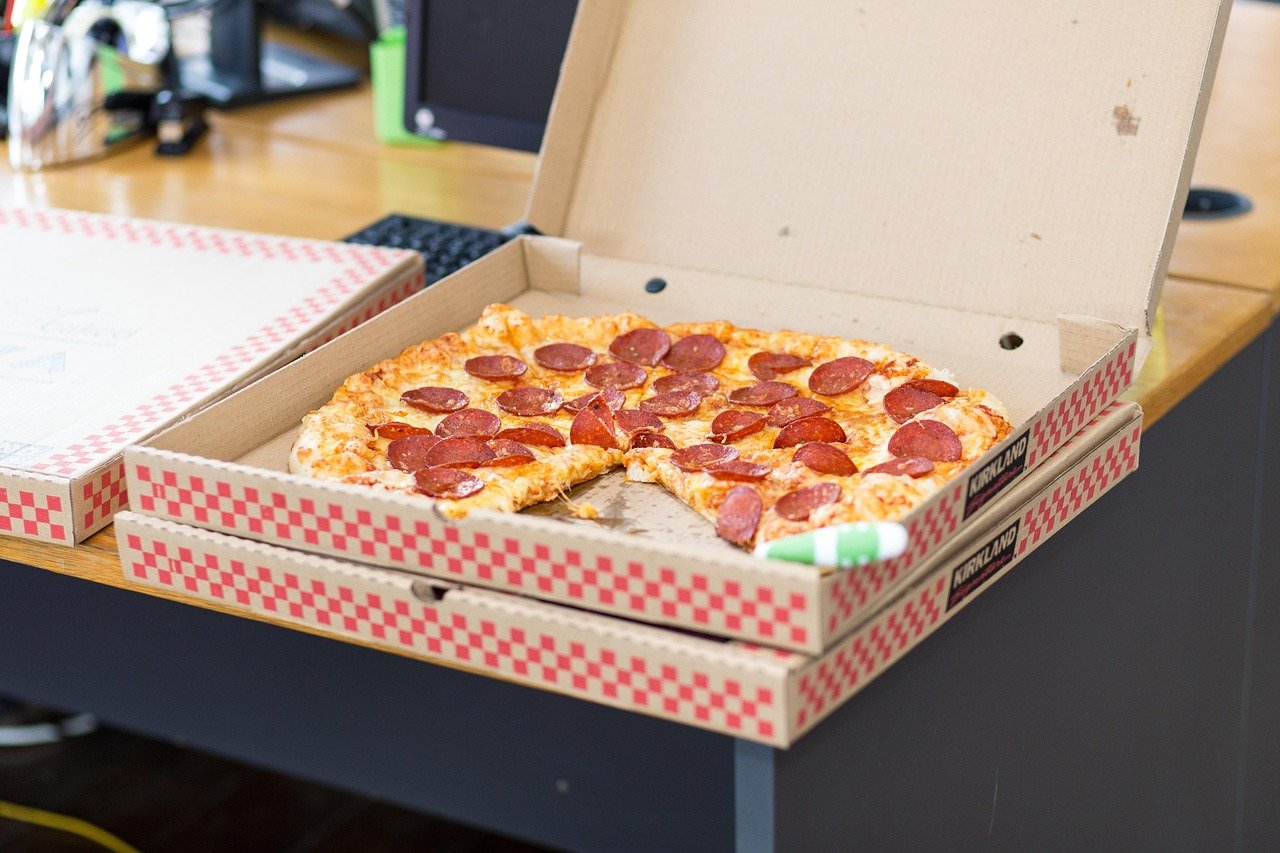
| Pizza | Yes, short trips | Box steam softens the crust fast |
| Sushi and raw fish | Pickup only | Keep it cold, eat it soon |
| Fried foods | No | Crispness dies in a sealed bag |
| Noodles in broth | Yes, if packed separately | Ask for broth on the side |
| Tacos | Marginal | Tortillas steam; ask for them dry |
This is also where neighborhood knowledge beats any algorithm. A place ten minutes away that packs sauces separately will outperform a closer spot that stacks everything in one clamshell. If the search is pulling up the same handful of chains, widening the query helps. Looking for best mexican food in near me or best thai food near me surfaces different results than a generic takeout query, because the wording matches how those listings describe themselves.
Small habits that make takeout better
None of these are dramatic. Together they change the hit rate a lot.
- Order off-peak when you can. 5:00 or 8:30 beats 6:45 every time, for both wait and quality.
- Ask for components separately. Sauces, dressings, crispy toppings, and broth all benefit.
- Bring a cooler bag for anything cold. A ten-dollar insulated bag pays for itself in one summer.
- Check the bag before you drive off. Count containers at the counter, not at home.
- Keep a short list of places that have never missed. A personal rotation beats a fresh search on a hungry night.
- Tip pickup staff. They are doing the same work as dine-in servers with less of the upside.
There is a broader point buried in all this. The search phrase “takeout food near me” is a starting point, not an answer. The result you tap is a business profile maintained by someone who may have updated it last spring. The reviews are a sample, not a verdict. The fee total is a negotiation you can win by checking one other page. Treat the whole thing as a short research task rather than a reflex, and the food gets noticeably better.
That habit extends beyond dinner. The same instinct for checking a listing, reading recent reviews, and comparing the total applies to almost any local search, whether it is best thrift stores near me on a Saturday or a panicked garage door repair near me on a Sunday morning. Local search rewards the person who looks twice.
Conclusion
Finding good takeout near you depends less on luck than on a handful of repeatable checks. Treat “near me” as a location guess, not a ranking of quality. Read the newest reviews instead of the average. Open the menu before you commit. Choose pickup or delivery based on what you ordered, rather than convenience alone. Check the total fees, keep to the two-hour food-safety window, and call the kitchen directly if an allergy is involved. Do those things and the Tuesday-night gamble moves closer to a sure thing. The food was always out there. The difference is knowing how to look.
Frequently Asked Questions
How does a search engine know where “near me” is?
It uses an approximate location estimate from your device, network, or account settings, then weights nearby results by relevance and prominence. The estimate is rough, which is why results can shift between neighborhoods or even floors of a building. If results look wrong, checking that location services are on usually fixes it.
Is pickup always cheaper than delivery?
Almost always, but not by a fixed amount. Pickup avoids delivery fees, service fees, and the tip for a driver, and it often avoids the platform markup some restaurants add. The gap widens on small orders, where fixed fees make up a larger share of the total. Comparing the restaurant’s own ordering page against an app is the fastest way to see the real difference.
How long is takeout safe to eat after pickup?
Treat roughly two hours as the outer limit for food sitting at room temperature, and less in hot weather or a warm car. Cold items should stay cold and hot items should stay hot. Refrigerate leftovers promptly and reheat them thoroughly rather than gently.
Should I trust a restaurant’s star rating?
The average is a weak signal on its own. A high average built on old reviews says little about tonight. Sort by newest, read the last couple of weeks, and look for repeated patterns about wait times, temperature, and order accuracy. A 4.1 with consistent recent praise beats a 4.6 with complaints about cold food.
What should I do if I have a food allergy and want to order takeout?
Call the restaurant and speak to a person. Name the allergen clearly, mention that it is severe if it is, and ask about shared fryers and prep surfaces. Written comment boxes are easy to miss during a rush. Avoid ordering complex requests at peak hours, and be prepared to choose a different restaurant if the answer sounds uncertain.
Why does fried food arrive soggy?
Trapped steam is the culprit. A sealed container holds moisture against the crust, and the coating softens within minutes. Pickup shortens the window, and asking for sauces on the side and lids vented or cracked helps a little. For anything crunchy, going to get it yourself is the only real fix.



