
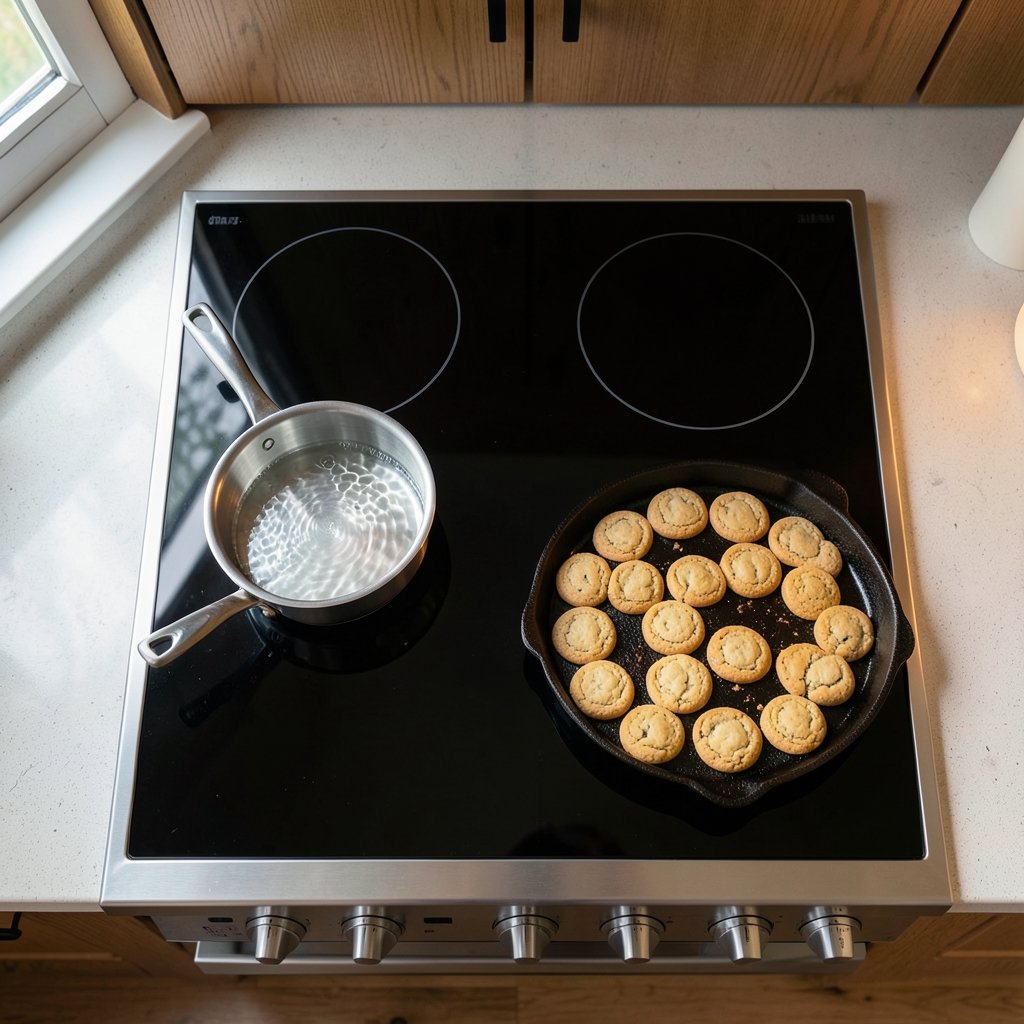
What if the single biggest upgrade to your cooking has nothing to do with your skills and everything to do with the box humming under your pots? That is the quiet truth about electric ranges. The appliance you choose shapes how fast water boils, how evenly cookies brown, how hot the kitchen gets on a Sunday, and how much your electric bill climbs each month. Yet most shoppers walk into a showroom, see a shiny glass top, and pick whatever looks good.
This guide cuts through that. It explains what actually separates a great electric range from a mediocre one, where the real trade-offs sit between coil, radiant glass-top, and induction, and which features earn their price. No hype, no brand cheerleading, just the stuff that matters once the delivery truck leaves.
What “best” really means for an electric range
There is no universal champion, and any list that crowns one model for everyone is selling you something. The best electric range is the one that matches your cookware, your wiring, your budget, and the way you actually cook. A household that boils pasta five nights a week has different needs than a baker who lives for evenly browned pie crusts.
Three cooktop technologies dominate the category, and each behaves very differently:
| Cooktop type | Heat transfer efficiency | Cookware needed | Upfront cost | Best for |
|---|---|---|---|---|
| Coil (exposed elements) | Roughly 70–75% | Any flat-bottom pot | Lowest | Tight budgets, simple repairs |
| Radiant glass-top | Roughly 70–75% | Flat, smooth-bottom pots | Mid-range | Clean looks, easy wiping |
| Induction | Roughly 84–90% | Magnetic (ferromagnetic) pans | Highest | Speed, efficiency, safety |
Those efficiency figures come from long-standing U.S. Department of Energy estimates, and they are worth treating as directional rather than gospel. Different sources measure differently, and the gap between radiant and induction narrows or widens depending on the test. The ranking, though, holds up: induction puts more of the energy you pay for into the food, and gas trails both at roughly 40%.
The induction catch nobody mentions at the store
Induction is the efficiency and responsiveness leader, full stop. It boils water faster than anything else in the category and responds to knob changes almost like gas. But it only works with ferromagnetic cookware — cast iron, most stainless steels, and anything labeled induction-ready. Aluminum and copper pans simply will not heat. If your kitchen is stocked with bargain aluminum pots, budget for replacements before you budget for the range.
The practical checks before you buy anything
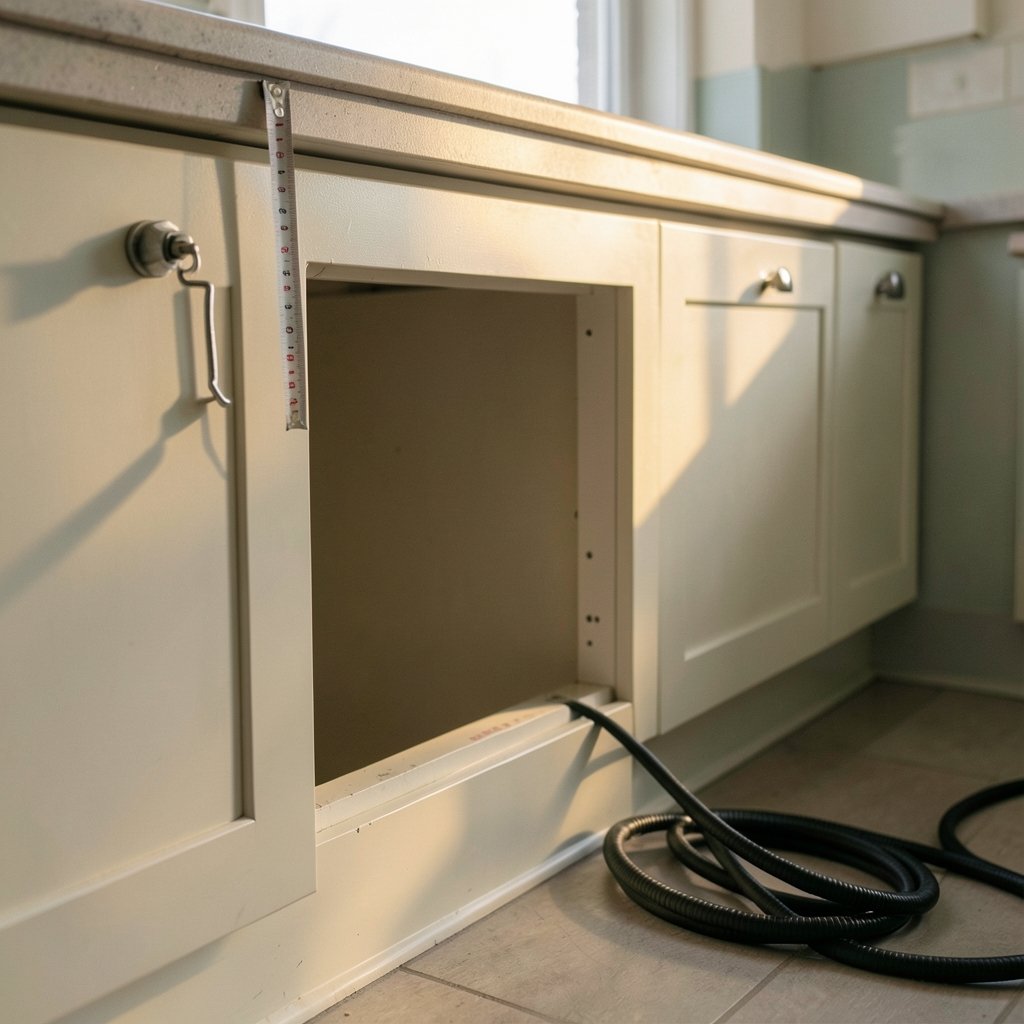
Here is where most buyers make expensive mistakes, and none of them involve the appliance’s features.
Check your circuit first
Most full-size electric ranges need a 240-volt circuit, commonly rated 40 to 50 amps. Induction models often recommend a dedicated 40-amp-or-higher circuit. If your kitchen currently has a gas line and no 240-volt outlet, the installation cost can rival the appliance price. Confirm the requirements against local electrical code before you fall in love with a model — this is the step people skip and regret.
Measure the opening, not the old range
Ranges come in standard widths (30 inches is the most common), but slide-in and freestanding models differ in how they meet the counter and wall. Measure the actual cutout, the clearance for the door swing, and the path through your doorway. A range that cannot fit through the hall is a very expensive return.
Think about ventilation
Cooking throws off particulate matter whatever the fuel, and a range hood is not decoration. If your kitchen has a recirculating hood with a weak filter, a cooktop with higher output will just give you more smoke to recirculate. Match the hood to the range’s output.
Radiant glass-top versus induction: the honest comparison
This is the decision most shoppers actually face, so it deserves a clear-eyed look.
Radiant glass-top ranges are cheaper, work with any flat-bottom pan, and wipe clean in seconds once cool. Their weakness is thermal lag — the element stays hot after you turn it down, so simmering requires anticipation. The surface also stays hot well after cooking ends, which matters in households with small children.
Induction surfaces stay cooler because the vessel heats, not the glass. That is a genuine safety advantage, and it is why induction is often recommended for families with young kids or for anyone worried about accidental burns. The trade-offs are cost, the cookware requirement, and more electronics that can fail.
A useful middle path: if you love the look of glass but cannot justify induction pricing, a radiant model with a convection oven and a rapid-boil element gets you most of the daily usability for considerably less.
Features that earn their price, and features that don’t
Appliance marketing has gotten loud. Air-fry modes, Wi-Fi app control, built-in cameras, and voice assistants now appear on mid-range models. Some of these are genuinely useful; others are failure points waiting to happen.
Worth paying for
- Convection oven modes. A fan that circulates heat produces more even browning and lets you bake on multiple racks. This is the single most valuable oven upgrade for most cooks.
- True simmer and melt settings. Low-end electric ranges struggle to hold a gentle simmer without scorching. A dedicated low setting fixes real, everyday frustration.
- A rapid-boil or power element. One high-output burner changes weeknight cooking more than any app will.
- Self-cleaning or steam-clean cycles. Useful, though the high-heat self-clean cycle on some models is hard on electronics over time.
Think twice about
- Wi-Fi and app control. Preheating from your phone sounds great until the module fails out of warranty. Simpler control boards generally mean cheaper repairs.
- Elaborate air-fry claims. An oven with a fan and a basket can approximate air frying, but results vary widely. Do not pay a premium for the label alone.
- Digital everything. Touch panels look sleek but fail more often than physical knobs, and they are pricier to replace.
Reliability data in this category shifts year to year and is genuinely contested, so treat any single ranking with skepticism. The general pattern, though, is consistent: simpler coil and radiant models tend to need fewer repairs than feature-dense induction and smart ranges, largely because there is less electronics to break.
Where the range fits into a bigger plan
Buying an electric range rarely happens in isolation. Kitchens get upgraded in waves, and the appliance decision often sits alongside other purchases that share the same “range” vocabulary but nothing else. If you are also sorting out home networking for a smart kitchen, it helps to read up on which best wi-fi routers 2026 actually delivers speed at range before you trust a range’s app to stay connected. Similarly, if you are extending smart-home coverage to a garage or far corner of the house, a home assistant bluetooth proxy setup to extend BLE range under coverage is a far cheaper fix than replacing hardware. And for anyone comparing mesh protocols for sensors and smart plugs, the debate over z wave long range vs z wave plus range mesh compatibility is worth understanding before you commit to an ecosystem.
The point is simple: a smart range is only as smart as the network around it. Buy the appliance for cooking, not for connectivity, and treat the app as a bonus.
Budgeting realistically across the price bands
Electric ranges span an enormous price spread, and the jumps between bands buy specific things.
| Price band | What you typically get | Watch out for |
|---|---|---|
| Entry level | Coil or basic radiant cooktop, simple oven, physical knobs | Uneven heating, weak simmer control |
| Mid-range | Radiant glass-top, convection oven, rapid-boil element | Feature bloat that adds failure points |
| Upper mid-range | Entry induction, better oven insulation, steam clean | Cookware replacement costs |
| Premium | High-power induction, precision controls, larger ovens | Expensive electronic repairs out of warranty |
A sensible rule: spend on the cooktop technology and oven performance first, and on connectivity last. The features you touch every day are the ones that justify the money.
Common mistakes that cost real money
People repeat the same errors in this category, and they are all avoidable.
- Buying induction without checking pans. Bring a magnet to the store, or test your cookware at home. If a magnet sticks firmly to the base, the pan will work.
- Ignoring the electrical panel. A new circuit can add serious cost. Get a quote before you buy.
- Skipping the delivery measurements. Doorways, stairwells, and tight corners ruin more deliveries than any other factor.
- Overpaying for smart features. Ask yourself whether you will still use the app in two years. Most people do not.
- Neglecting the hood. A high-output cooktop with weak ventilation just moves smoke around the room.
- Assuming glass-top means easy clean. Sugary spills bake onto radiant glass and need a scraper. Induction stays cleaner because the surface runs cooler, but neither is truly wipe-and-go during a busy cook.
One more practical note: if your household also handles outdoor cleaning chores, the same logic about matching tools to real work applies to choosing the best electric pressure washers for real household work — buy for the job, not the spec sheet.
Matching the range to your household
Different homes, different answers. A few profiles to anchor the decision:
The weeknight speed cook. Induction wins. Fast boils, precise low heat, and a cooler surface make daily cooking less of a chore.
The budget-conscious first-time buyer. A coil or basic radiant range with a convection oven delivers solid results for years at the lowest cost, and repairs are cheap when they happen.
The serious baker. Prioritize oven evenness and capacity over cooktop flash. Convection plus a well-insulated oven matters more than burner count.
The family with toddlers. Induction’s cooler surface is a meaningful safety edge, and the lack of exposed hot elements on a coil range is a different kind of risk. Weigh both.
The smart-home tinkerer. Buy for cooking first, then add connectivity you will actually use. If the app breaks, the range should still boil water.
Conclusion
The best electric range is not the one with the longest feature list or the highest price tag. It is the one that fits your circuit, your cookware, your space, and the way your household actually cooks. Induction leads on efficiency and responsiveness, radiant glass-top offers the best balance of looks and cost, and coil models remain the simplest, most repairable choice. Get the electrical and measurement checks right, spend on oven performance and cooktop responsiveness before connectivity, and treat smart features as garnish rather than substance. Do that, and the range you choose will earn its place in the kitchen for a decade or more.
Frequently asked questions
Is induction really better than a regular electric range?
For speed, efficiency, and safety, yes. Induction transfers roughly 84–90% of its energy to the cookware, compared with about 70–75% for radiant electric, and the surface stays cooler because the pan heats rather than the glass. The catch is that you need magnetic cookware, and induction models cost more upfront.
Do I need a special outlet for an electric range?
Most full-size electric ranges require a 240-volt circuit, commonly rated 40 to 50 amps, and induction models often recommend a dedicated 40-amp-or-higher circuit. If your kitchen only has a gas line, factor the cost of adding a circuit into your budget before buying.
Can I use my existing pots and pans on an induction cooktop?
Only if they are ferromagnetic. Cast iron and most stainless steels work; aluminum and copper do not. The quick test is a magnet: if it sticks firmly to the pan’s base, the pan will heat on induction.
Are smart features on electric ranges worth paying for?
Usually not as a primary reason to buy. Wi-Fi control, apps, and built-in cameras add convenience but also add electronics that can fail outside warranty. Spend the money on convection, a rapid-boil element, and good simmer control first.
How long should an electric range last?
A well-built range commonly lasts a decade or more with normal use. Simpler coil and radiant models tend to need fewer repairs because they contain less electronics, while feature-dense induction and smart ranges may carry higher repair costs when something fails.
What size electric range fits most kitchens?
Thirty inches is the most common freestanding width, but slide-in and freestanding models differ in how they meet the counter and wall. Measure the actual cutout, the door swing clearance, and the delivery path through doorways before you commit.



