
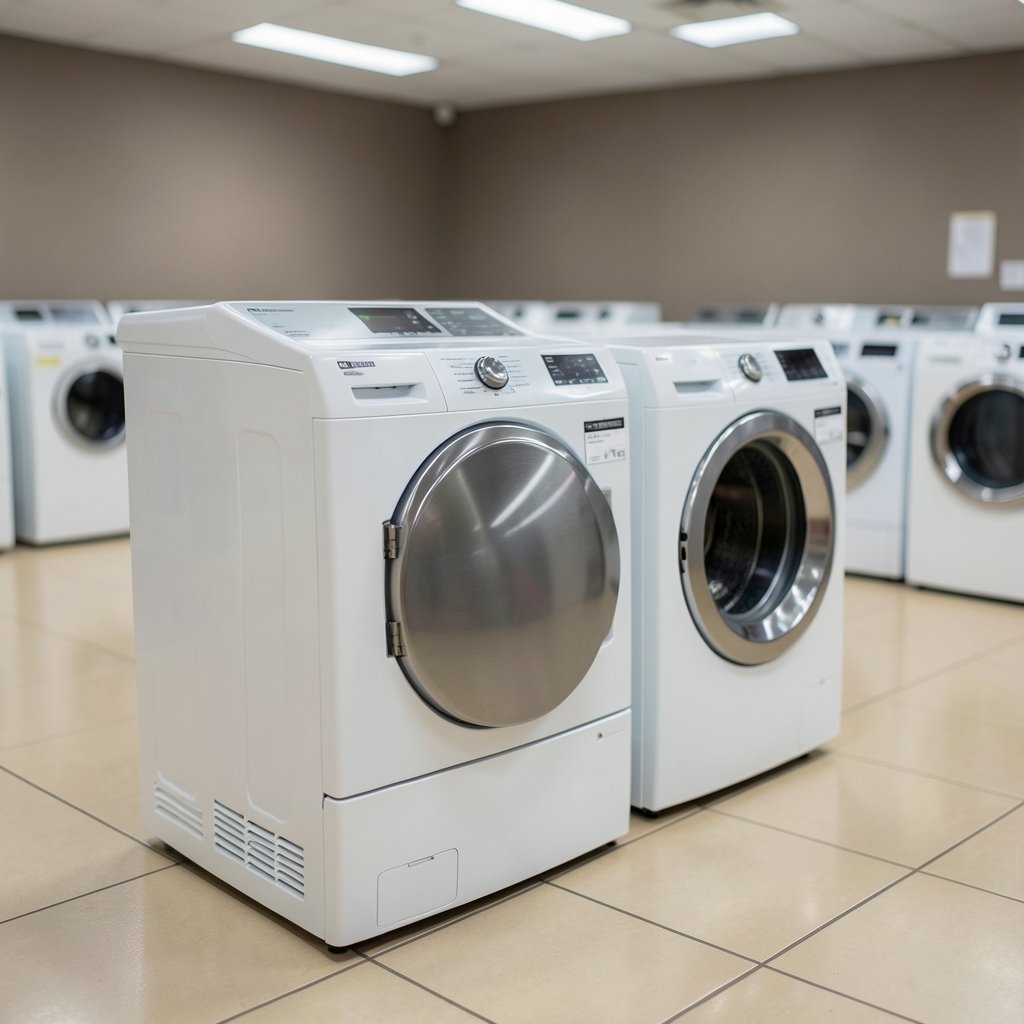
What if the biggest upgrade to your laundry routine isn’t a fancy washer, but the dryer sitting quietly in the corner? A gas clothes dryer can dry loads faster, cost less to run in many regions, and handle big family-sized piles without breaking a sweat. But “best” is a slippery word. The right gas dryer for a household of six in a cold climate looks very different from the right one for a couple in a small apartment with a tight utility closet.
This guide walks through what actually matters: venting, capacity, moisture sensors, installation codes, and the practical mistakes that trip up buyers. It focuses on how to judge a gas dryer rather than handing out a single winner, because rankings shift with sales, model years, and lab testing that varies by source.
Why gas dryers still make sense in many homes
A gas dryer burns natural gas or propane to create heat, while an electric dryer uses a heating element powered by electricity. The energy math is the core difference. Gas dryers typically use roughly 0.2 to 0.3 therms per load, while electric models use roughly 2 to 6 kilowatt-hours per load. Because gas is often cheaper per unit of heat in many U.S. regions, the operating cost can favor gas over time, though this depends heavily on local utility rates.
The trade-offs are real, though. Gas dryers cost more upfront, need a gas line and proper venting, and require professional installation in most cases. Electric heat pump dryers, by contrast, are far more efficient than either conventional type but are electric-only, so they aren’t part of the gas conversation.
For anyone who already has a gas hookup in the laundry room, a gas dryer is often the natural replacement. For anyone starting from scratch, the decision comes down to installation cost versus long-term savings.
The features that separate a good gas dryer from a great one
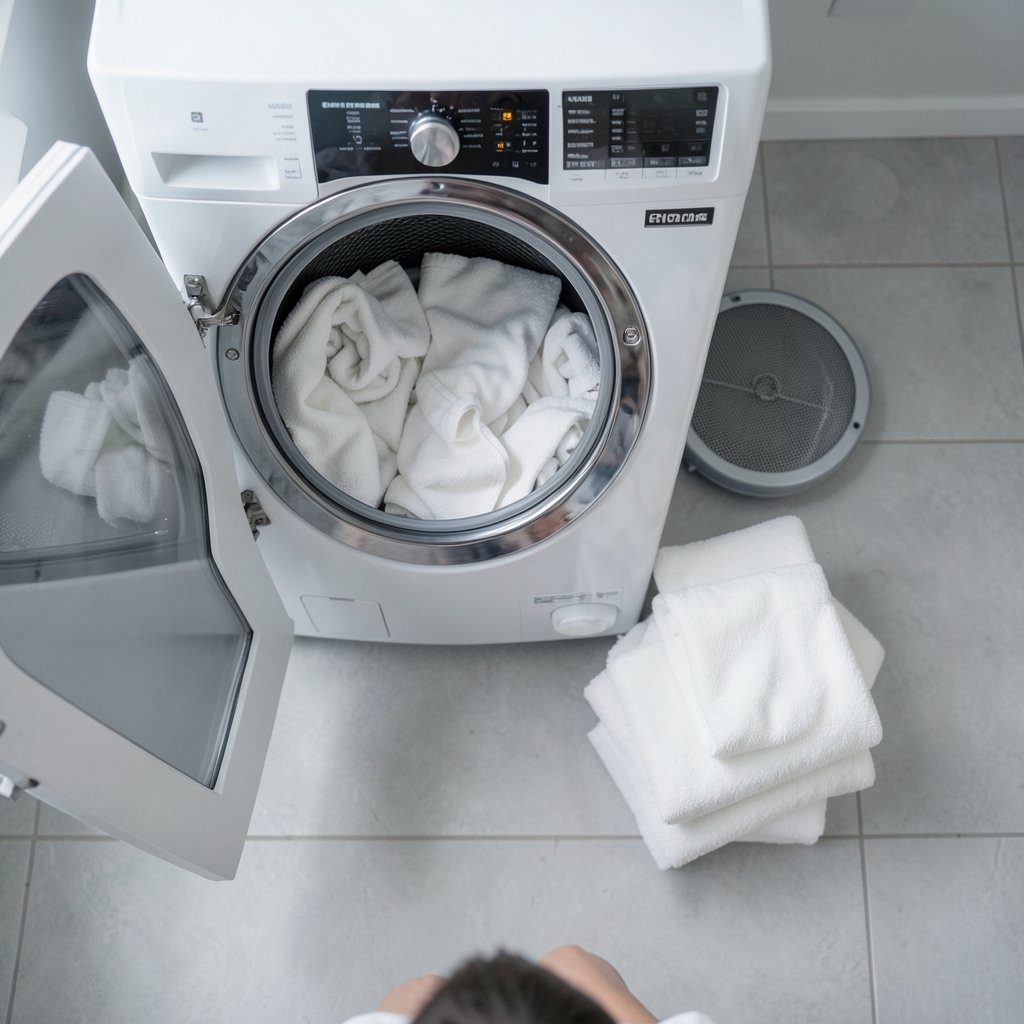
Shopping by brand name alone is a mistake. The differences that matter show up in daily use, not on the showroom floor.
Moisture sensors beat timed drying
A moisture sensor detects when clothes are actually dry and shuts the cycle off. Timed drying runs for a set number of minutes whether the load needs it or not. Sensor drying saves energy, reduces overdrying (which shrinks and wears out fabric), and is one of the clearest markers of a modern, well-equipped machine. Look for models with multiple dryness levels rather than a single on/off sensor.
Capacity should match your washer
Residential dryers commonly run 7 to 9 cubic feet. A common mistake is buying a dryer smaller than the washer, which forces you to split loads. Matching capacities keeps the workflow smooth. Families with bulky items like comforters should lean toward the larger end.
Drum material and lint filtration
Stainless steel drums resist chipping and stay smooth. A well-designed lint filter that’s easy to reach and clean matters more than most buyers realize, because lint buildup is a genuine fire risk. A secondary filter or a lint indicator light is a nice bonus.
Steam and wrinkle care
Steam cycles refresh clothes and reduce ironing. They’re convenient but add cost and complexity. If wrinkles aren’t a big issue in your household, this is one feature you can skip without regret.
Controls and smart features
Touch controls and app connectivity are increasingly common. They’re pleasant, but they don’t dry clothes better. A simple, reliable dial with clear sensor settings often serves households better than an app that needs updating.
Gas dryer comparison at a glance
Here’s how the main categories stack up on the factors that drive real-world satisfaction.
| Factor | What to look for | Why it matters |
|---|---|---|
| Fuel type | Natural gas or propane conversion kit | Must match your home’s supply |
| Capacity | 7 to 9 cu. ft., matched to washer | Fewer split loads, better airflow |
| Drying control | Moisture sensor with multiple levels | Saves energy, protects fabric |
| Venting | Rigid or semi-rigid metal duct | Safety and efficiency |
| Installation | Licensed gas professional | Code compliance and safety |
| Drum | Stainless steel | Durability and smooth tumbling |
| Extras | Steam, smart controls, lint indicator | Convenience, not performance |
Venting: the part buyers underestimate
Every gas dryer must vent combustion byproducts outdoors. This isn’t optional, and it isn’t a place to cut corners. Flexible foil or plastic duct can sag, trap lint, and create a fire hazard. Rigid or semi-rigid metal duct is the safer, longer-lasting choice.
Manufacturers typically specify a maximum duct length and a limit on elbows, often around 25 feet with deductions for each bend. Those limits come from the manufacturer’s installation instructions, not a single shared industry standard, so read the manual for the specific model.
Venting also connects directly to fire safety. Clothes dryers have long been associated with thousands of home fires each year in the United States, and failure to clean lint is among the leading causes. A blocked or crushed vent doesn’t just slow drying; it raises the temperature inside the machine and pushes lint toward ignition.
Practical tip: keep the duct run as short and straight as possible, clean the lint filter every load, and clear the full vent path at least once a year. For a step-by-step approach, this guide on how to clean dryer vent step by step guide that prevents fires covers the parts most people forget, including the exterior hood and the duct behind the machine.
If your laundry area is in a basement, ventilation and air quality deserve extra attention. Gas appliances and below-grade spaces both affect indoor air, and this piece on radon gas air your basement matters explains why basement airflow is worth thinking about beyond the dryer itself.
Installation codes and the professional question
Gas dryer installation falls under the National Fuel Gas Code, known as NFPA 54 and ANSI Z223.1. Local codes layer on top of it. The 2024 edition is the current reference point in the mid-2020s, and jurisdictions adopt editions on their own schedules.
What does this mean in practice? A gas line connection, a shutoff valve, and a flexible connector rated for the appliance are not DIY territory for most homeowners. A licensed installer confirms the line size, checks for leaks, and verifies the venting. Skipping this step can void warranties and, more importantly, create carbon monoxide risks.
A common mistake is buying a beautiful dryer on sale and then discovering the laundry room’s gas line is on the wrong wall or the vent run is too long. Measure and photograph the space before ordering. Check the door swing, the depth with the door open, and whether the dryer needs a right or left-hinged door.
Matching the dryer to your laundry habits
The best gas dryer is the one that fits how you actually do laundry, not how a marketing brochure imagines it.
Small households doing a few loads a week can prioritize a compact footprint and sensor drying. Large families should focus on capacity, a sturdy drum, and fast cycle times. Households with sensitive skin or allergies may value extra rinse-and-dry options and good lint filtration. Anyone in a humid climate should pay attention to venting efficiency, since long or winding duct runs waste energy and slow drying.
One underrated factor: noise. Gas dryers produce a low burner sound plus tumbling noise. If the laundry room is near bedrooms or a living area, check decibel ratings or read owner reviews specifically about noise.
Another practical consideration is the drying rack habit. Some items should never see the inside of a dryer. Knowing which fabrics air-dry well saves energy and extends clothing life. This piece on terry cloth it it absorbs choose it is a useful reminder that absorbent fabrics like terry dry differently and sometimes benefit from air drying to preserve their texture.
Common buying mistakes to avoid
Even careful shoppers stumble on the same handful of issues.
- Buying before measuring. Depth, width, door clearance, and vent position all matter. A dryer that doesn’t fit is an expensive return.
- Ignoring the vent path. A long, winding duct run undermines even a great machine.
- Skipping the gas line check. Confirm the supply type (natural gas versus propane) and the line location before purchase.
- Choosing timed drying over sensor drying. It’s the single easiest way to waste energy.
- Mismatching washer and dryer capacity. A smaller dryer means more loads and more energy per pound of laundry.
- Skipping professional installation. Gas connections and venting are safety-critical.
Where the washer-dryer combo fits in
Some buyers consider a combo unit that washes and dries in one drum. These save space but come with trade-offs in cycle time and capacity. If you’re weighing that route, this comparison of washing machine with dryer best brand options is helpful for understanding how combo units differ from separate machines. For most gas households, a separate gas dryer paired with a good washer remains the more practical choice.
Maintenance habits that keep a gas dryer running well
A gas dryer is a simple machine, and simple maintenance goes a long way.
Clean the lint filter before or after every load. Wipe the moisture sensor bars occasionally, since fabric softener residue can coat them and cause overdrying. Check the exterior vent hood a few times a year for lint buildup or nesting birds. Have the vent line professionally cleaned annually if you dry heavy loads often.
Watch for warning signs: clothes taking longer than usual to dry, the top of the dryer feeling unusually hot, or a burning smell. Any of these suggest restricted airflow and warrant immediate attention.
Conclusion
The best gas clothes dryer isn’t a single model; it’s the machine that matches your household’s capacity needs, vents safely, and uses sensor drying to run efficiently. Gas dryers offer real operating-cost advantages in many regions, but only when installed correctly and maintained well. Measure your space, confirm your gas supply, insist on proper metal venting, and prioritize moisture sensors over flashy extras. Do that, and the dryer you choose will earn its place in the laundry room for a decade or more.
Frequently Asked Questions
Is a gas dryer cheaper to run than an electric dryer?
In many regions, yes. Gas dryers typically use about 0.2 to 0.3 therms per load, while electric dryers use roughly 2 to 6 kilowatt-hours. Since gas is often cheaper per unit of heat, operating costs can favor gas, but local utility rates decide the real answer. Homes without a gas hookup also face installation costs that can offset years of savings.
Do gas dryers need to be vented outdoors?
Yes. Gas dryers produce combustion byproducts that must go outside. Rigid or semi-rigid metal duct is generally recommended over flexible foil or plastic duct, which can trap lint. Venting also affects fire safety, since lint buildup in the duct is a leading cause of dryer fires.
How much space does a gas dryer need?
Most gas dryers are roughly 27 inches wide, similar to electric models, but depth and door clearance vary. Measure the opening, the depth with the door open, and the distance to the gas line and vent. Leave a few inches behind the unit for the duct and connector so the machine isn’t crushed against the wall.
Can I install a gas dryer myself?
Most homeowners should not. Gas line connections fall under the National Fuel Gas Code and local codes, and a licensed installer checks for leaks, confirms line sizing, and verifies venting. DIY gas work risks carbon monoxide exposure and can void warranties.
How often should I clean the dryer vent?
Clean the lint filter every load and clear the full vent path at least once a year. Households that dry many loads per week or dry bulky items may need professional vent cleaning more often. Longer drying times or a hot dryer top are signs airflow is restricted.
What size gas dryer should a family of four buy?
A 7 to 8 cubic foot dryer suits most families of four, especially if it matches the washer’s capacity. Larger households or anyone regularly drying comforters and bulky bedding should consider 8 to 9 cubic feet. Matching capacity to the washer prevents split loads and keeps energy use efficient.



