
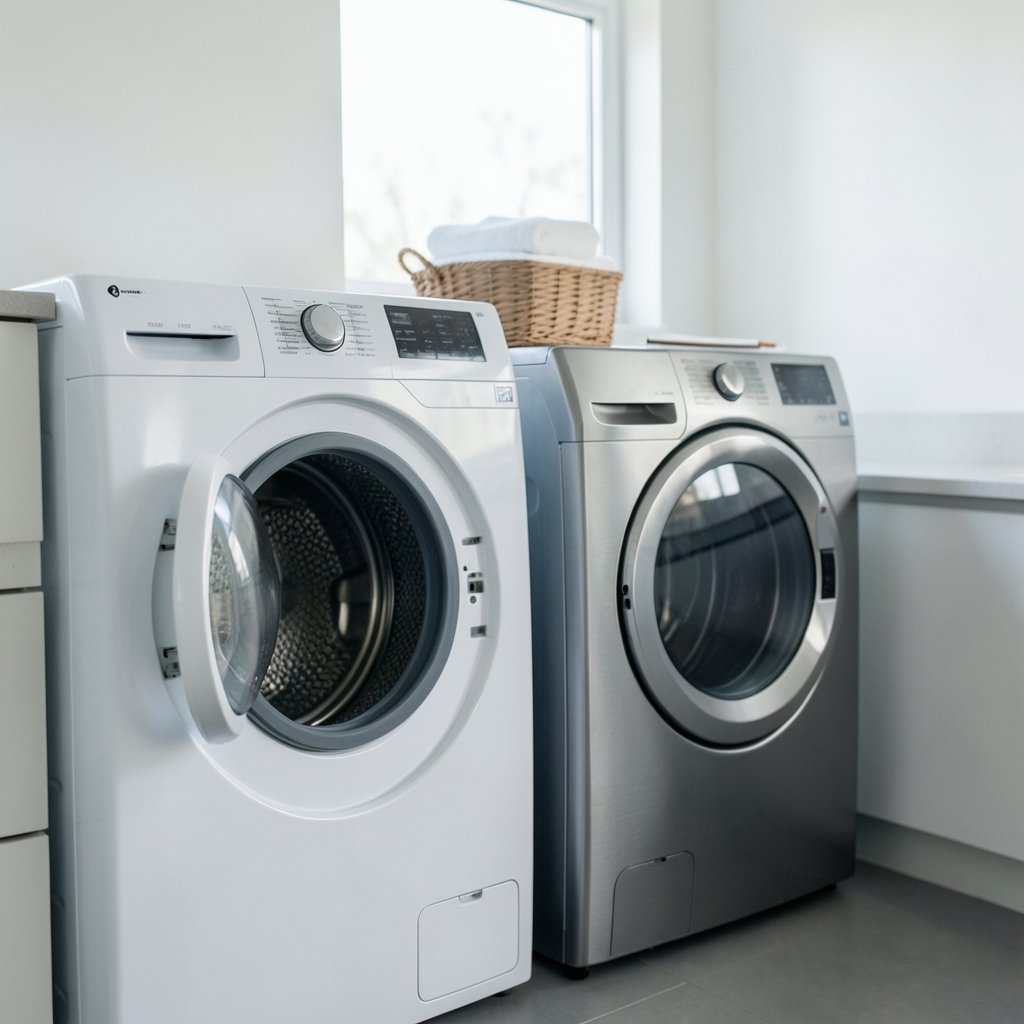
What if the most expensive dryer on the showroom floor was also the one that cost the most to run for the next decade? That happens more often than shoppers expect. “Recommended dryers” lists are everywhere, but most of them skip the part that matters: how a machine fits your home, your laundry habits, and your energy bill. This guide walks through the types, the trade-offs, and the mistakes that turn a smart purchase into a daily annoyance.
Start With the Type, Not the Brand
Before comparing models, it helps to understand that “dryer” covers several very different machines. Household tumble dryers split into three main families, and each one behaves differently in real use.
Vented dryers pull in room air, heat it, push it through the drum, and exhaust the moist air outdoors through a duct. They are simple, cheap to buy, and fast. They are also the least efficient, because all that heated air literally goes out the window. In cold weather, a vented dryer also pulls heated indoor air out of the house, which quietly raises your heating bill.
Condenser dryers recycle the air instead of venting it. Moisture condenses into a tank or drains away, so no duct is needed. That makes them flexible for flats and interior rooms. They cost more to run than heat-pump models and usually need a drain or regular tank emptying.
Heat-pump dryers use a refrigerant circuit to extract moisture at lower temperatures. They are the most energy-efficient common type, and they are the reason a “recommended” list in Europe looks almost nothing like one in the United States. The trade-off is speed: heat-pump cycles typically take noticeably longer than vented cycles. If you routinely do four loads back to back on a Sunday, that matters.
| Type | Energy use | Cycle speed | Venting needed | Best for |
|---|---|---|---|---|
| Vented | Highest | Fastest | Yes, outdoor duct | Garages, utility rooms, tight budgets |
| Condenser | Medium | Moderate | No | Flats, interior spaces, renters |
| Heat pump | Lowest | Slowest | No | Long-term owners, high electricity prices |
One more option deserves a mention: washer-dryer combos. They save floor space but usually dry smaller loads than a dedicated machine. If drying is the priority, a separate dryer almost always wins. For households weighing that trade-off, a closer look at how combo units perform helps: washing machine with dryer best brand.
The Energy Label Is Your Best Friend (and Most People Ignore It)
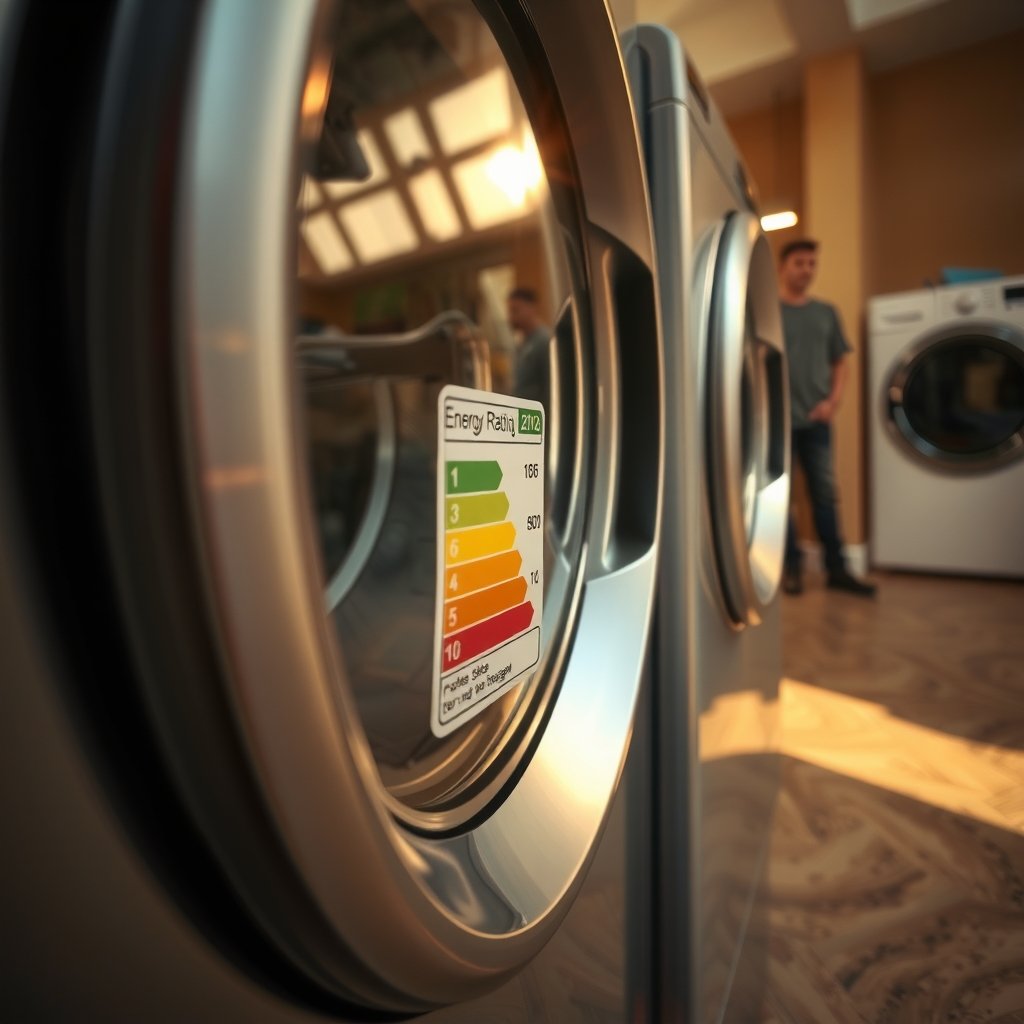
Since March 2021, new household tumble dryers sold in the EU carry a rescaled energy label running from A to G, replacing the old A+++ scale. The label shows energy per cycle and noise, which makes side-by-side comparison far easier than it used to be. A machine rated A on the new scale is genuinely efficient; a machine that would have been A+++ under the old system may now sit a couple of grades lower. Shoppers who compare an old listing with a new one without noticing the rescale get confused fast.
In the United States, the equivalent signal is ENERGY STAR certification, which the EPA awards to dryers meeting set efficiency criteria. Those criteria get revised over time, so a certification from five years ago does not automatically mean a model still qualifies today.
The practical tip: photograph the label in the store, then compare energy per cycle rather than the letter grade alone. Two A-rated machines can still differ meaningfully in running cost.
What “Recommended” Actually Means
Consumer organizations publish test-based recommendations, and their methods differ. Some test on cotton programs, some weight noise more heavily, and sample sizes vary. That is why two respected testers can disagree about the same model without either being wrong. The international standard for measuring tumble-dryer performance is IEC 61121, which gives labs a common method; US testing follows comparable AHAM standards. When a review cites a standard, that is a good sign the numbers mean something.
The catch is that most detailed test results sit behind paywalls, and rankings shift every year. A dryer that topped a list in 2023 may have been discontinued by 2026. Treat any “best dryer” claim, including the ones in this article, as a starting point for your own shortlist rather than a final answer.
Match the Machine to Your Actual Life
Here is where most buying mistakes happen. People research specs for weeks and then discover the machine does not fit under the counter, or the door opens the wrong way, or the lint filter is behind a panel they will never clean.
Measure the space first, including the door swing. Dryers are bulky, and a tight alcove can make loading miserable. Check clearance behind the unit for the vent hose if you go vented.
Think about where the moisture goes. A condenser or heat-pump dryer releases some warmth and humidity into the room. In a small, poorly ventilated cupboard, that moisture has to go somewhere. A vented dryer needs a proper outdoor duct, and venting into a loft or crawl space is a genuine fire and mold risk.
Count your real weekly loads. A two-person household doing three loads a week has different needs from a family of five doing twelve. Heat-pump efficiency pays back faster with heavy use; a light user may never recover the higher purchase price.
Check the noise rating if the dryer lives near living space. Heat-pump dryers are often quieter, but not always. Noise is on the EU label for exactly this reason.
Safety and Maintenance: The Unsexy Stuff That Matters Most
Dryer fires are rare but real, and they trace back to two things almost every time: lint buildup and restricted airflow. Safety guidance consistently warns against venting a dryer into an enclosed space and stresses cleaning both the lint trap and the duct. A rigid or semi-rigid metal duct beats the flexible foil kind, which sags, traps lint, and can crush behind the machine.
A step-by-step routine keeps this manageable, and it is worth doing properly rather than guessing: clean dryer vent step by step guide that prevents fires. Empty the lint filter every load, check the outdoor flap monthly, and clear the full duct run at least once a year.
Heat-pump dryers add one more chore: the heat exchanger needs occasional cleaning, and the condenser fins can collect fluff. Owners who skip this wonder why drying times creep up. It is usually not a fault; it is a blocked exchanger.
The Everyday Habits That Change Drying Performance
A few small habits separate people who love their dryer from people who regret it.
- Spin clothes harder in the washer. A faster spin cycle removes water that the dryer would otherwise have to boil off. This is the single biggest energy saver in the whole laundry chain.
- Do not overload the drum. Clothes need room to tumble and air to circulate. A packed drum comes out damp in the middle and wrinkled everywhere.
- Sort by fabric weight. Towels and synthetics have no business in the same cycle.
- Use sensor drying, not timed drying. Moisture sensors stop the cycle when clothes are actually dry. Timed programs either overdry or leave things damp.
- Clean the filter before every load. It takes ten seconds and protects both performance and safety.
Where Dryers Fit in a Wider Efficiency Picture
Appliance efficiency policy has shifted a lot in recent years, and dryers are part of that story. Minimum efficiency requirements in the EU have tightened, pushing manufacturers toward heat-pump designs. The broader trend across appliances is toward lower standby power, better insulation, and smarter controls. Readers who enjoy the technical side of this may find comparisons of software supply-chain tools oddly parallel in spirit, since both come down to picking the right tool for a specific job rather than the loudest one: Snyk vs mend vs socket vs dependabot choosing right sca tool. The lesson transfers: fit beats hype.
There is also a storage angle worth knowing. Just as filament for 3D printing degrades when it absorbs moisture, laundry left damp in a drum grows mildew. Both problems come down to managing moisture deliberately, which is why enthusiasts debate equipment choices so fiercely: filament dryer vs dry box drying vs storing 3d printer. A dryer that cannot remove moisture reliably is, in the end, just a heated box.
Common Mistakes Buyers Make
Buying on sticker price alone. A cheap vented dryer can cost more over eight years than a heat-pump model, depending on local electricity prices. Run the rough math: energy per cycle multiplied by cycles per year multiplied by your tariff.
Ignoring installation costs. A vented dryer in a home without an existing duct may need a core hole through an external wall. That is real money and sometimes a landlord conversation.
Assuming all heat-pump dryers are slow. Cycle times vary widely by model. Check the rated cycle time on the label rather than assuming.
Skipping the door hinge question. Reversible doors exist, but not on every model. A dryer that opens into a doorway will annoy you every single day.
Trusting a single review source. Cross-check two or three testers, and read the methodology notes if they are published.
How to Build Your Shortlist
A sensible process looks like this. Decide on type based on venting options and electricity prices. Confirm the space and door swing. Pull the energy label numbers for three or four candidates. Check noise ratings if the machine sits near a bedroom or kitchen. Read two independent test sources and note where they disagree. Then check availability, because the model that won last year’s award may no longer be sold.
That last point trips up a lot of shoppers. Recommended lists age quickly. A 2026 buyer reading a 2022 roundup is effectively shopping for a used market. The right question is not “which dryer won?” but “which dryer available today meets my constraints?”
Conclusion
The best dryer is not the one at the top of a list. It is the one whose type matches your home’s venting and your electricity prices, whose size fits the space you actually have, and whose efficiency pays back over the years you will own it. Heat-pump models lead on running costs and suit heavy users; vented models win on speed and upfront price; condenser units solve the no-duct problem. Get the type right, read the energy label properly, keep the lint path clear, and any well-chosen machine will serve for a decade. Ignore those basics, and even a five-star review will not save you from a damp, expensive disappointment.
Frequently Asked Questions
Are heat-pump dryers worth the extra cost?
For most households that dry several loads a week and pay meaningful electricity prices, yes. They use substantially less energy per cycle than condenser or vented models. The catch is a higher purchase price and longer cycle times. Light users who dry one small load a week may never recover the difference, so run the numbers with your own tariff before deciding.
How often should a dryer vent be cleaned?
Empty the lint filter before every load, check the outdoor vent flap monthly, and clear the full duct run at least once a year. Homes with long duct runs, multiple elbows, or heavy use should do it more often. Restricted airflow is the leading cause of dryer fires and also makes cycles longer and less effective.
What does the A to G energy label on a dryer mean?
Since March 2021, new tumble dryers sold in the EU use a rescaled A to G label, replacing the old A+++ system. The label shows energy consumption per cycle and noise. An A rating on the new scale is genuinely efficient. Be careful comparing old and new listings, because the same machine can appear to drop several grades after the rescale.
Is a vented dryer or a condenser dryer better?
It depends on your space. Vented dryers are cheaper and faster but need an outdoor duct and waste heated air. Condenser dryers need no duct, making them suitable for flats and interior rooms, but they use more energy than heat-pump models and require a water tank or drain. If a duct is impossible, choose condenser or heat pump.
Why does my dryer take longer than the rated cycle time?
Common causes include a clogged lint filter, a blocked or crushed vent duct, an overloaded drum, and a dirty heat exchanger on heat-pump models. Cold room temperatures also slow condenser and heat-pump drying. If times creep up gradually, maintenance is almost always the answer rather than a mechanical fault.
Do dryer reviews and recommended lists agree with each other?
Often not, and that is normal. Consumer organizations use different test programs, weight noise and energy differently, and test different sample sizes. Rankings also change yearly as models are discontinued. Cross-check two independent sources, read their methodology if published, and confirm the model is still on sale before buying.



