What do you buy the man who says he wants nothing, already owns every tool he needs, and would rather not receive another novelty mug shaped like a Moose?
That question trips up millions of shoppers every December. The good news is that buying well for men is not a mystery. It comes down to a few principles: buy for the person rather than the stereotype, favour things that get used over things that get displayed, and treat budget as a framework rather than an afterthought. This guide walks through what actually works, what tends to flop, and how to plan so you are not panic-buying on 23 December.
Start With the Person, Not the Label
The phrase “gifts for men” hides a huge range of people. A 24-year-old who games online and a 60-year-old who gardens have almost nothing in common as recipients. The single most useful thing you can do before spending a penny is to write down three things about him:
- What he does most weekends
- What he complains about regularly
- What he has recently replaced, repaired, or researched online
That third one is gold. If he has spent two weeks reading reviews of espresso grinders, he has told you exactly what he wants. If his running shoes are held together with hope, the answer is obvious. Gift-giving gets much easier once you stop browsing categories and start watching behaviour.
It also helps to push back gently on the idea that men need a separate genre of gift. Most “for him” lists are padded with gadgets and grooming sets that few people actually want. A good gift is a good gift regardless of who opens it. The category is a shortcut, not a rule.
Set a Budget Tier Before You Browse

Browsing without a number is how people end up spending £200 on something mediocre. Pick a tier first, then shop inside it. The table below shows how far money typically stretches at each level.
| Budget tier | What it realistically buys | Best suited to |
|---|---|---|
| Under £25 | Consumables, small tools, books, socks worth owning, vouchers | Colleagues, Secret Santa, casual friends |
| £25 to £75 | Quality versions of everyday items, hobby accessories, experience vouchers | Most family and friendship gifts |
| £75 to £150 | Durable goods, mid-range tech, short courses, day experiences | Partners, close family |
| £150 and above | Investment items, big experiences, joint gifts | Partners, milestone occasions |
The trap in the bottom tier is buying three cheap things instead of one good one. A single well-made item at £40 usually lands better than a bundle of £12 items that feel like filler. If you are stretching a tight budget across many people, small kitchen remodeling ideas budget smart upgrades that show how modest spending on the right object beats scattered spending on the wrong ones.
Practical Consumables Beat Novelty Every Time
Consumer journalism has long argued that practical consumables outperform novelty gifts, and everyday experience backs it up. Nobody has ever been delighted by a singing fish plaque, but almost everyone is pleased by excellent coffee, a genuinely good bar of soap, or a pair of socks that do not slide down.
Strong consumable options include:
- Specialty coffee beans or loose-leaf tea from a local roaster
- A quality grooming product he would not buy himself, such as a proper shaving cream
- Good chocolate, hot sauce, or olive oil for someone who cooks
- Consumable hobby supplies, such as guitar strings or fishing line
- A refillable version of something he uses daily
The test is simple. Ask yourself: will this be used up, worn out, or eaten within six months? If yes, it is probably a safe bet. If the answer is “it will sit on a shelf forever”, keep looking.
Experiences Tend to Outlast Objects
Tickets, courses, and days out are widely recommended as gifts, and the logic is sound: they create a memory and take up no space. The evidence on whether recipients prefer experiences to objects is genuinely mixed, so treat this as a strong option rather than a guaranteed winner. It works best when the experience is specific to him.
Good examples include a track day for a car enthusiast, a brewing workshop for someone who likes beer, a season ticket for a local sports club, or a voucher for a restaurant he has mentioned. Weak examples include generic “adventure” vouchers that require booking, travel, and a free weekend he may never find.
One practical warning: check the expiry date and the booking process before you buy. An experience voucher that expires in three months or requires a phone call during office hours is a burden dressed as a gift.
Hobby Gifts Reward a Little Research
If he has a hobby, the best gift is usually an upgrade to something he already owns rather than an entry-level version of something new. A beginner’s tool set given to an experienced woodworker will be politely received and quietly stored.
Spend twenty minutes learning the vocabulary of his hobby. What are the recognised brands? What is the difference between a good and a great version of the item? Which accessories do enthusiasts always recommend but rarely buy for themselves? That research is what separates a thoughtful gift from a guess. If you are planning a bigger project around the home and want to apply the same logic to spending, affordable home renovation ideas for beginners show how small, well-researched purchases compound over time. (Ai interior design generator for room ideas)
For someone who works at a desk, small practical upgrades also land well. The best cable management ideas for your desk that actually stay are the kind of unglamorous, genuinely useful gift that gets used every single day.
Personalisation Adds Perceived Thoughtfulness
Engraving, monograms, and customisation are frequently cited as ways to raise how thoughtful a gift feels. The evidence is not rigorous, but the mechanism makes sense: personalisation signals that you planned ahead and thought about him specifically.
Where it works best:
- Leather goods such as a wallet or notebook cover
- Tools, where a name or initials can be stamped
- Jewellery and watches
- Kitchen items for someone who cooks
Where it backfires: anything where the personalisation delays delivery past Christmas, or where the spelling is wrong. Always double-check the name and allow extra lead time. A misspelled monogram is worse than no monogram at all.
Clothing and Footwear: Buy Carefully or Not at All
Clothing is one of the highest-risk categories for men’s gifts, mostly because fit and taste are hard to guess. If you go this route, follow three rules.
First, buy from a retailer with a clear, generous returns policy, and check the statutory rights that apply where you live before relying on goodwill. Second, choose classics over trends: a plain merino sweater, a good belt, or a well-made pair of gloves will survive changing fashion. Third, keep the receipt and say so openly when handing it over. Removing the awkwardness of a return is itself a kindness.
Sizing is the usual failure point. If you do not know his size, either ask someone who does or choose accessories such as scarves, hats, and socks, where fit matters far less.
Tech Gifts: Aim for Useful, Not Impressive
Tech is where gift-buying enthusiasm most often outruns good judgment. The most impressive-looking gadget is rarely the most used one. Before buying anything with a battery, ask whether it solves a problem he actually has.
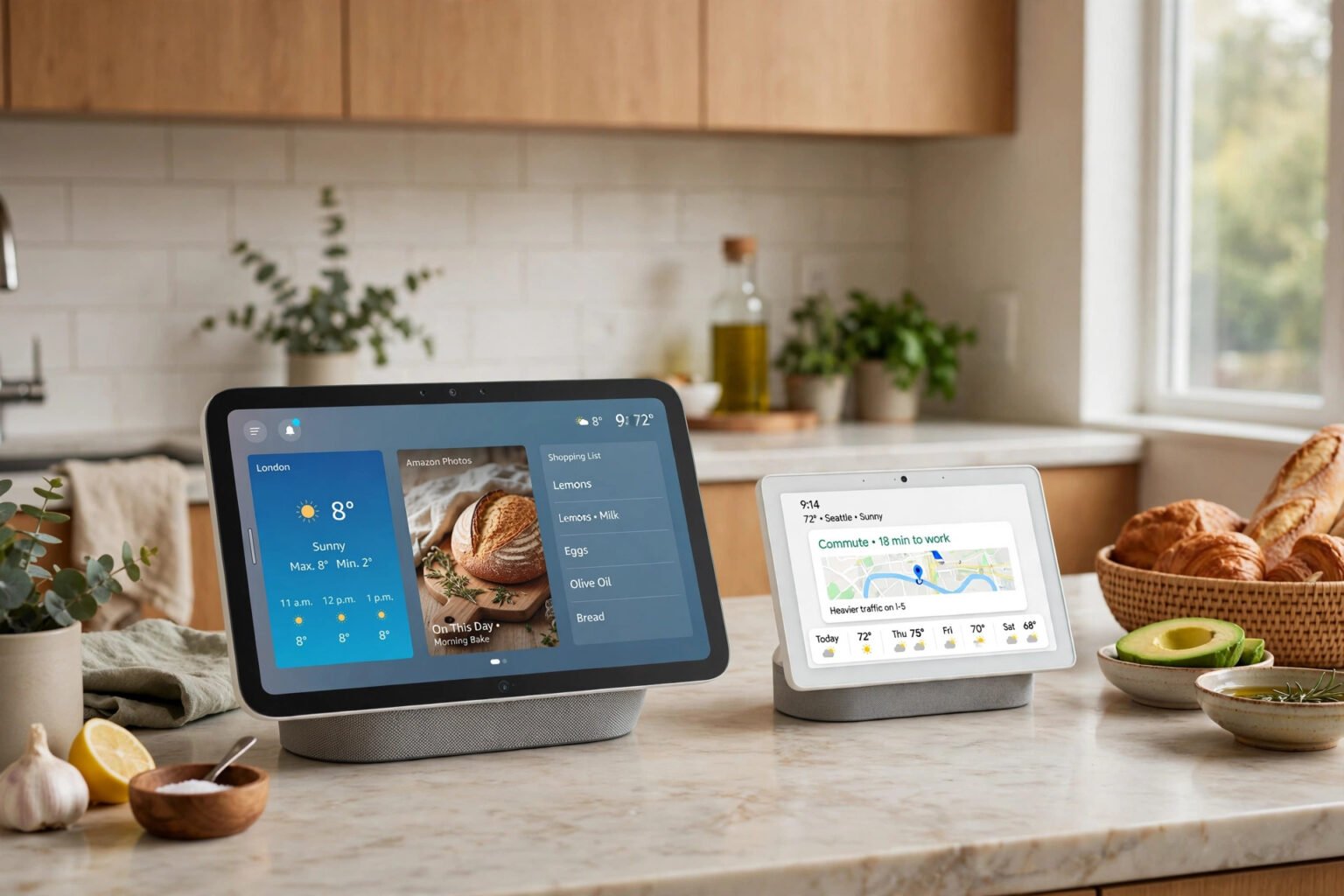
Reliable tech-adjacent gifts include a good power bank, a quality cable set, a wireless charger for his bedside table, or a smart plug for someone who likes automating things. Less reliable: drones for people who never expressed interest, smart speakers nobody asked for, and anything requiring a subscription he did not choose.
If he works with AI tools or spends his day writing, a book of chatgpt prompt ideas for work that actually save you time can be a surprisingly welcome stocking filler, and it costs less than most gadgets. Similarly, if he is forever redecorating or planning a room, an AI interior design generator for room ideas is the sort of tool-based gift that gets opened more than once.
For the Man Building Something
If he is launching a side project, the most useful gift may not be an object at all. Books, courses, and software subscriptions that help him get moving are often appreciated more than another sweater. Guides on the best startup business ideas for beginners that keep costs low suit the friend who talks constantly about starting something but has not yet begun.
The same applies to younger recipients. If you are buying for a teenager who wants to earn his own money, resources on how to make money as a 12 year old with realistic ideas that actually work can be genuinely useful, and they signal that you take his ambitions seriously.
And for the reader in your life, a good book is still one of the best gifts going. A reader’s guide to an author’s back catalogue, such as this Adrian Tchaikovsky readers guide to his books and ideas, makes a thoughtful pairing with one of the novels themselves.
Common Mistakes That Wreck Otherwise Good Gifts
A few recurring errors account for most disappointing presents.
- Buying for the category rather than the person. “Gifts for men” is a search term, not a personality.
- Choosing something that needs explaining. If the gift requires a demonstration, it may be more work than pleasure.
- Ignoring the practicalities. Check delivery cut-offs, return windows, and whether batteries or accessories are included.
- Over-gifting in a Secret Santa. Overspending makes others uncomfortable.
- Leaving it late. The best gifts are usually the result of noticing something in October, not scrolling in a panic on 22 December.
A Simple Plan That Works
If you want a process rather than a list, use this one.
- Write down three observations about him from the past few months.
- Pick a budget tier and stick to it.
- Shortlist two options: one practical, one experiential.
- Check delivery dates and returns policies before ordering.
- Buy the practical one if his tastes are uncertain; buy the experience if you know him well.
That is genuinely it. The people who give the best gifts are not the ones with the biggest budgets. They are the ones who paid attention.
Conclusion
The best Christmas gifts for men are rarely the flashiest. They are the ones that fit a real habit, solve a small recurring annoyance, or create a memory. Start with the person, set a budget you can defend, favour consumables and experiences over novelty, and do your homework on hobbies and sizing. Do that, and you will avoid the December panic entirely. The man who says he wants nothing is usually the easiest person on your list, provided you have been paying attention all year.
Frequently Asked Questions
What is a good Christmas gift for a man who says he wants nothing?
Go practical. Good coffee, a quality grooming product, a voucher for a restaurant he likes, or an upgrade to something he uses daily all work well. The key is to notice what he complains about or replaces often. Someone who says he wants nothing usually means he does not want clutter, not that he wants to be skipped.
How much should you spend on a Christmas gift for a man?
There is no fixed rule. A common approach is to set a tier by relationship: under £25 for colleagues and casual friends, £25 to £75 for family and friends, and more for partners. The amount matters far less than whether the gift fits the person. Spending beyond your means creates awkwardness for everyone.
Are experience gifts better than physical gifts?
Not always. Experiences are widely recommended because they create memories and take up no space, but the evidence on preference is mixed. They work best when the experience is specific to his interests and easy to book. Check expiry dates and booking requirements before buying, or the gift becomes a chore.
What are the worst gifts to buy for men?
Novelty items, gadgets that need explaining, and clothing bought without knowing his size are the usual disappointments. Generic grooming sets and cheap multi-tool bundles also tend to go unused. Anything that requires him to feign enthusiasm is a warning sign.
Is personalised engraving worth it?
It can raise how thoughtful a gift feels, especially on leather goods, tools, and jewellery. The main risks are delivery delays and spelling errors. Order early, double-check the details, and avoid personalising anything he might want to return.
When should you order Christmas gifts to avoid disappointment?
Aim to finish shopping by early December. Standard delivery cut-offs vary by retailer and change every year, so check each shop’s own page rather than relying on last year’s dates. Ordering early also leaves time to fix mistakes, which matters most for clothing and personalised items.