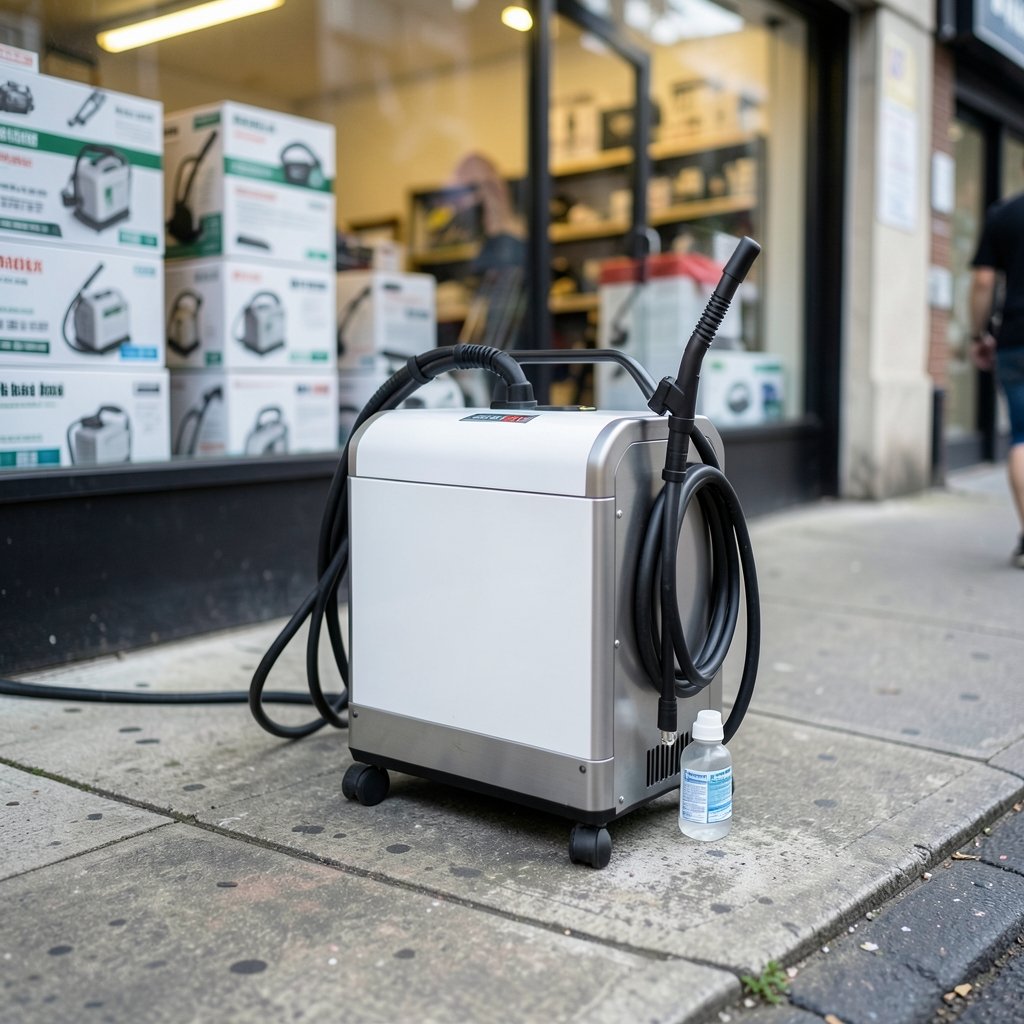
What if the biggest mistake new buyers make isn’t picking the wrong pressure washer, but picking too much machine? Walk into any hardware store and the loudest boxes promise the highest PSI. That number feels like the answer. It usually isn’t. For most first-time owners, a mid-range electric unit with sensible controls will clean better, last longer, and cause fewer disasters than a monster that strips paint off a deck in one careless pass.
This guide breaks down what actually matters, which categories of machine suit which jobs, and the practical habits that separate a satisfying first purchase from a frustrating one.
Start With the Job, Not the Spec Sheet
The single most useful question a beginner can ask is: what will this machine clean most often? A pressure washer bought for a car and a patio has very different demands from one bought for a long driveway and a fence line.
Cleaning performance depends on two numbers working together: pressure (measured in PSI or bar) and flow rate (measured in GPM or liters per minute). Manufacturers love to headline PSI because big numbers sell. But flow rate determines how quickly debris gets carried away. A machine with moderate pressure and strong flow often cleans faster and more gently than a high-pressure, low-flow unit. The industry sometimes multiplies the two into “cleaning units,” which is a handy comparison heuristic rather than a formal standard, so treat it as a rough guide.
As a starting point, electric units typically sit in the 1,300 to 2,000 PSI range. That band covers cars, patios, siding, garden furniture, and fences comfortably. Gas units generally start around 2,000 PSI and climb past 3,000, which suits large exterior jobs but brings noise, fuel, exhaust, and more maintenance.
| Buyer profile | Typical pressure range | Why it fits |
|---|---|---|
| Car washing, balconies, small patios | 1,300–1,600 PSI | Light, quiet, gentle enough for paint with care |
| Mixed household use (siding, deck, driveway edges) | 1,600–1,900 PSI | The practical sweet spot for most beginners |
| Large driveways, long fences, farm equipment | 2,000+ PSI (often gas) | Sustained power for big surfaces |
If your cleaning list is mostly household-scale, the sensible move is an electric model in the middle of that range. If you’re weighing several electric options, a breakdown of how to choose best electric pressure washers for real household work helps translate specs into daily usefulness.
Electric vs. Gas: The Beginner’s Real Trade-Off
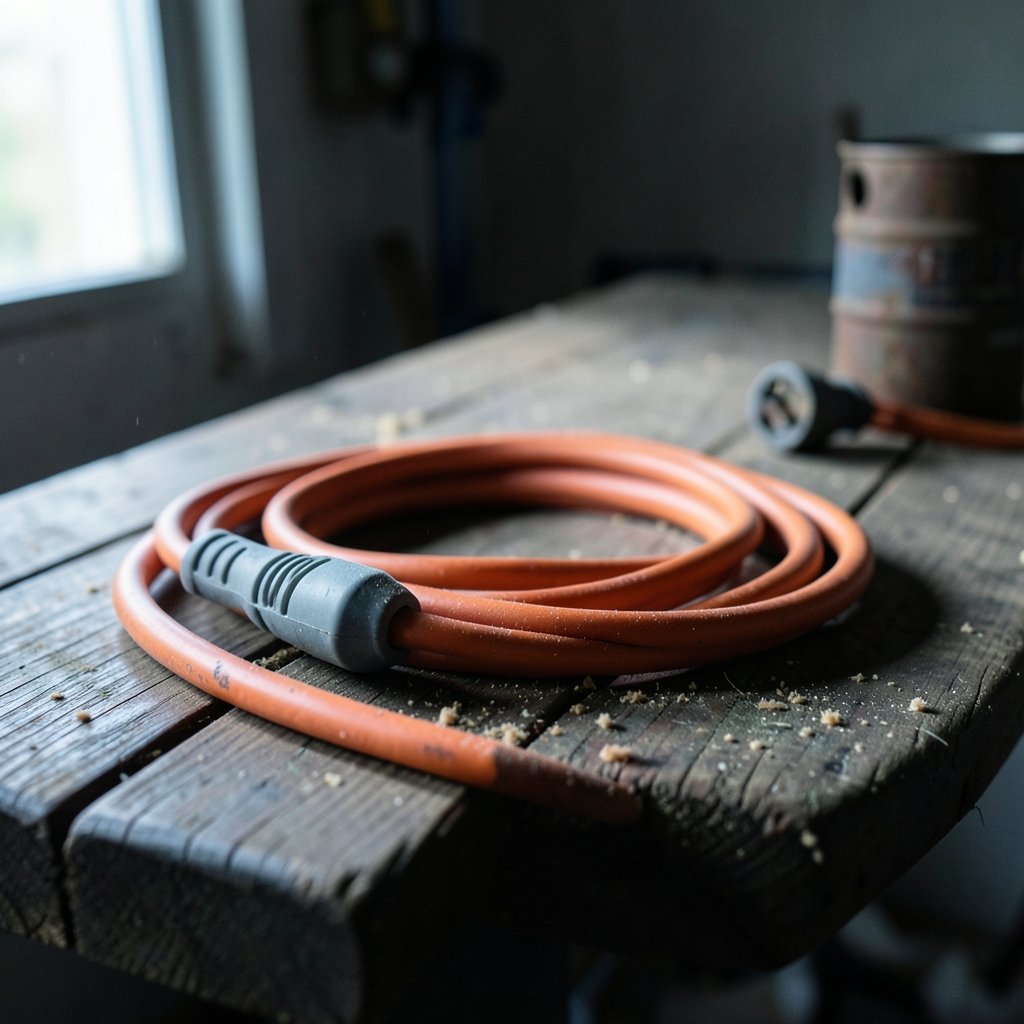
Electric wins for most first-timers, and it isn’t close. Electric units are lighter, quieter, need no fuel, produce no exhaust (so they’re safe to run in a garage with the door open), and start with a switch instead of a pull cord. They also tend to cost less upfront.
Gas units earn their place when the job is genuinely large: a 100-foot driveway, a long fence, heavy farm or construction grime. They run indefinitely without a power cord and deliver more sustained pressure. The cost is maintenance: oil changes, fuel stabilizer, spark plugs, and seasonal storage care.
There’s one more practical constraint beginners underestimate: the cord. Electric pressure washers need a nearby outlet, and extension cords must be rated for outdoor use and heavy enough gauge to avoid voltage drop. A long, thin cord can make the motor feel weak. Plan where the machine will sit relative to the outlet before you commit.
The Features That Separate Good Beginner Machines From Bad Ones
Specs tell you half the story. These design details tell you the rest.
Adjustable pressure or a variable wand. Being able to dial down pressure is the single best safety feature for a beginner. Fixed-pressure machines force you to control everything through nozzle choice and distance, which is harder than it sounds.
Quick-connect nozzles with clear color coding. Most manufacturers follow a common scheme: red (0°, highest risk), yellow (15°), green (25°), white (40°), and black for soap at low pressure. Beginners should live on white and green at first. The red nozzle concentrates the jet into a cutting tool and is where most surface damage happens.
An onboard detergent tank. Soap applied at low pressure does much of the cleaning work on cars, siding, and patio furniture, letting the water rinse rather than blast. A dedicated tank beats fiddling with siphon tubes.
A sturdy hose and reel. Cheap hoses kink, and kinks cost pressure. A longer hose (25 feet or more) saves constant repositioning.
Wheels and a balanced frame. These machines get dragged across wet concrete. Small wheels and a top-heavy body tip over constantly.
A total stop system. This cuts the motor when you release the trigger, which saves power, reduces noise, and extends pump life.
Matching Pressure to Surfaces Without Causing Damage
Here’s where first-time owners cause the most expensive mistakes. Too much pressure or too narrow a nozzle can strip paint, etch soft wood, gouge siding, and dull car clear-coat. Common rules of thumb from consumer guidance put wood decks around 500–600 PSI, cars around 1,200–1,900 PSI with care and distance, and concrete driveways at 2,000 PSI or more.
The technique matters as much as the number. Hold the wand at a consistent distance, keep it moving, and never dwell in one spot. Work in overlapping passes. Test on an inconspicuous area first, every time, on every new surface.
A few surfaces deserve special caution:
- Car paint: keep the nozzle well back, use a wide fan, and never aim at tires, seals, or badges at close range.
- Wood decks: use low pressure, follow the grain, and expect the wood to need re-sealing afterward.
- Painted siding: test a hidden patch; old or chalky paint lifts easily.
- Windows and seals: a direct jet can force water past seals. Spray at an angle from a distance, or skip them.
- Asphalt: a narrow jet can carve grooves. Use a wide fan and low pressure.
Safety Basics Nobody Reads Until Something Goes Wrong
High-pressure water is genuinely dangerous. The jet can cause serious injury, so never point a wand at a person or a pet, even briefly, even “just to show someone.” Eye protection is sensible for anyone nearby, since debris ricochets.
For electric models, plug into a GFCI-protected outlet and never operate the machine in standing water or during rain. Keep the cord connection off the ground where puddles form. Wear closed shoes with grip, and keep both hands on the wand when the trigger is engaged, because the recoil can surprise you.
Practical Habits That Make a First Machine Last
A pressure washer is a small pump moving water at speed, and pumps dislike two things: running dry and freezing. These habits cover most of what actually goes wrong in year one.
- Never run the motor without water flowing. Connect the hose, turn on the tap, and squeeze the trigger to purge air before switching on.
- Flush the detergent system after each soap job by running clean water through the siphon or tank.
- Drain and winterize before the first freeze. Trapped water expands and cracks pump housings, and freeze damage is rarely covered by warranty. Run the machine briefly with the water supply off to push remaining water out, and store it somewhere above freezing.
- Coil the hose loosely. Tight coils crease the inner lining.
- Check the inlet filter. A clogged screen starves the pump and mimics a “weak machine.”
- Store nozzles in their holder, not a pocket. Lost nozzles are the most common replacement purchase.
If you enjoy learning the mechanics behind the tools you buy, the same instinct that helps here applies elsewhere: understanding how a system works beats memorizing its marketing. That’s the spirit behind guides like beginners can spot ai hallucinations without any technical training, and it’s a useful mindset for evaluating any spec sheet.
Where Beginners Commonly Overspend and Underspend
The most common overspend is buying gas power for a job that’s 90 percent car washing and patio furniture. The most common underspend is on accessories: a surface cleaner attachment for flat concrete, a longer hose, and a foam cannon transform a basic machine’s usefulness for modest money.
The second most common mistake is buying the cheapest unit available and discovering the hose kinks, the nozzles leak, and the frame tips over on every pass. A mid-range machine from a brand with widely available parts and manuals is a better long-term bet than a bargain unit with a proprietary fitting you can’t replace.
Brand support matters more than brand name. Before buying, check that the manual is easy to find, that replacement nozzles and hoses are standard sizes, and that the warranty covers the pump and not the motor alone. Pump coverage is where the real cost lives.
How to Decide in Ten Minutes
Strip away the marketing and the decision comes down to a short checklist:
- List your three most frequent cleaning jobs.
- Match the toughest one to a pressure range in the table above.
- Choose electric unless the job is genuinely large-scale.
- Confirm the machine has adjustable pressure, quick-connect nozzles, and a detergent tank.
- Check the warranty covers the pump and that parts are standard.
- Budget for one accessory: a surface cleaner or a foam cannon.
If your interests run broader than cleaning, the same “match the tool to the actual job” logic applies to hobbies too, whether that’s picking a best ukulele for beginners or a first flight stick. The principle holds: buy for the work you’ll really do, not the work you imagine.
A pressure washer also pairs naturally with other beginner-friendly tool upgrades. If you find yourself editing video of your restored patio or filming a project walkthrough, a guide to the best video editing software that beginners actually works with covers the software side of that hobby.
Conclusion
The best pressure washer for a beginner is rarely the one with the highest power rating on the shelf. It’s an electric unit in the 1,600–1,900 PSI range with adjustable pressure, color-coded quick-connect nozzles, a detergent tank, and a warranty that covers the pump. Pair that machine with a wide-fan nozzle, a healthy respect for what a concentrated jet can do, and a winterizing routine, and it will handle cars, patios, siding, and furniture for years. Buy for the jobs you’ll actually do, learn the nozzle colors before you learn the spec sheet, and test every new surface in a hidden corner first. That’s the whole game.
Frequently Asked Questions
What PSI do I need for a beginner pressure washer?
Most beginners are well served by 1,600–1,900 PSI. That range handles cars, patio furniture, siding, and deck edges. Lower pressures around 1,300–1,600 PSI suit car washing and small balconies, while 2,000 PSI and above is generally for large concrete areas and heavy grime.
Is electric or gas better for a first pressure washer?
Electric is the better first choice for most people. It’s lighter, quieter, needs no fuel, produces no exhaust, and starts with a switch. Gas makes sense only when the workload is genuinely large, like long driveways or farm equipment, and it brings oil changes, fuel care, and more noise.
Can a pressure washer damage my car or deck?
Yes, easily. Too much pressure or a narrow nozzle can strip paint, etch wood, and damage car clear-coat. Keep the wand back, use a wide fan nozzle, keep the jet moving, and test on a hidden area first. Wood decks generally want low pressure around 500–600 PSI.
What do the colored nozzles mean?
Most manufacturers follow a common scheme: red is 0 degrees and the highest risk, yellow is 15 degrees, green is 25 degrees, white is 40 degrees, and black is for low-pressure soap. Beginners should start with white and green and treat red with real caution.
Do I need to winterize an electric pressure washer?
Yes. Trapped water freezes, expands, and can crack the pump housing, and freeze damage is usually excluded from warranty coverage. Drain the machine, run it briefly with the water supply off to clear the pump, and store it above freezing.
How much should a beginner spend on a pressure washer?
Aim for the middle of the market rather than the cheapest option. Budget units often have kinking hoses, leaking fittings, and unstable frames. A mid-range machine from a brand with standard fittings, an easy-to-find manual, and pump coverage in the warranty is the better long-term value.