
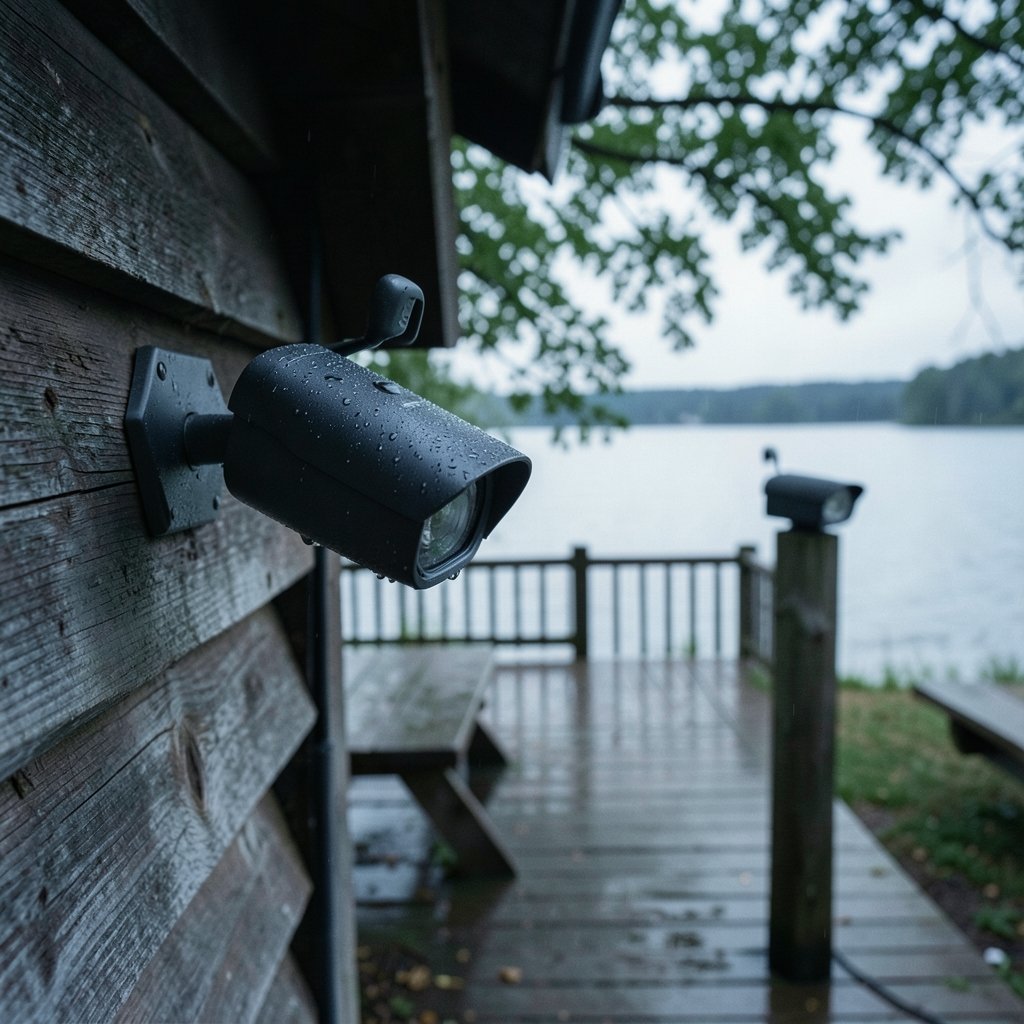
What if the hardest part of buying an outdoor camera system isn’t the price, but figuring out which one still works when the Wi-Fi barely reaches the back fence? That’s the trap most buyers fall into. Spec sheets look great until a camera drops offline in the rain or a motion alert fires every time a moth flies past the lens.
This roundup cuts through that. Below are seven specific systems worth a serious look for 2027, grouped by the job they do best, with the real limitation each one carries. No vague “it depends” advice up front. The picks come first, and the buying logic comes after.
Quick Comparison of the Top Picks
| System | Best For | Power | Standout Feature | Main Limitation |
|---|---|---|---|---|
| Camcamp Dual-Lens PTZ System | Full 360° coverage on a budget | Wired power | Dual-lens PTZ, 500GB HDD expandable to 6TB | Pan/tilt motors can be a weak point over years |
| Swann MaxRanger 4K Mini | Large properties, long range | Wireless (Wi-Fi HaLow) | 4K, up to 1,000 ft line of sight | Premium price for the range you get |
| ZOSI 3K Lite 4-Cam Kit | Apartments and small lots | Wired DVR | AI human/vehicle detection, 80 ft night vision | Hard drive sold separately |
| 2K Solar 4-Pack (Wi-Fi) | Renters, no wiring allowed | Solar + battery | True wire-free setup, 360° pan-tilt | Depends on sun and 2.4GHz Wi-Fi |
| 4K Solar PTZ Camera | Driveways and gates | Solar + battery | 4K with auto-tracking | IP64 rating, not the highest |
| Lybuorz 5G Solar Camera | Remote sites without Wi-Fi | Solar + 8000mAh battery | 5G and Wi-Fi 6 dual-band | Limited published specs |
| Blink 2K with Sync Module Core | One sharp, defined zone | Battery | 2K, color low-light, 4x zoom | Person/vehicle ID needs a paid plan |
1. Camcamp Dual-Lens PTZ System: Best for Full 360° Coverage
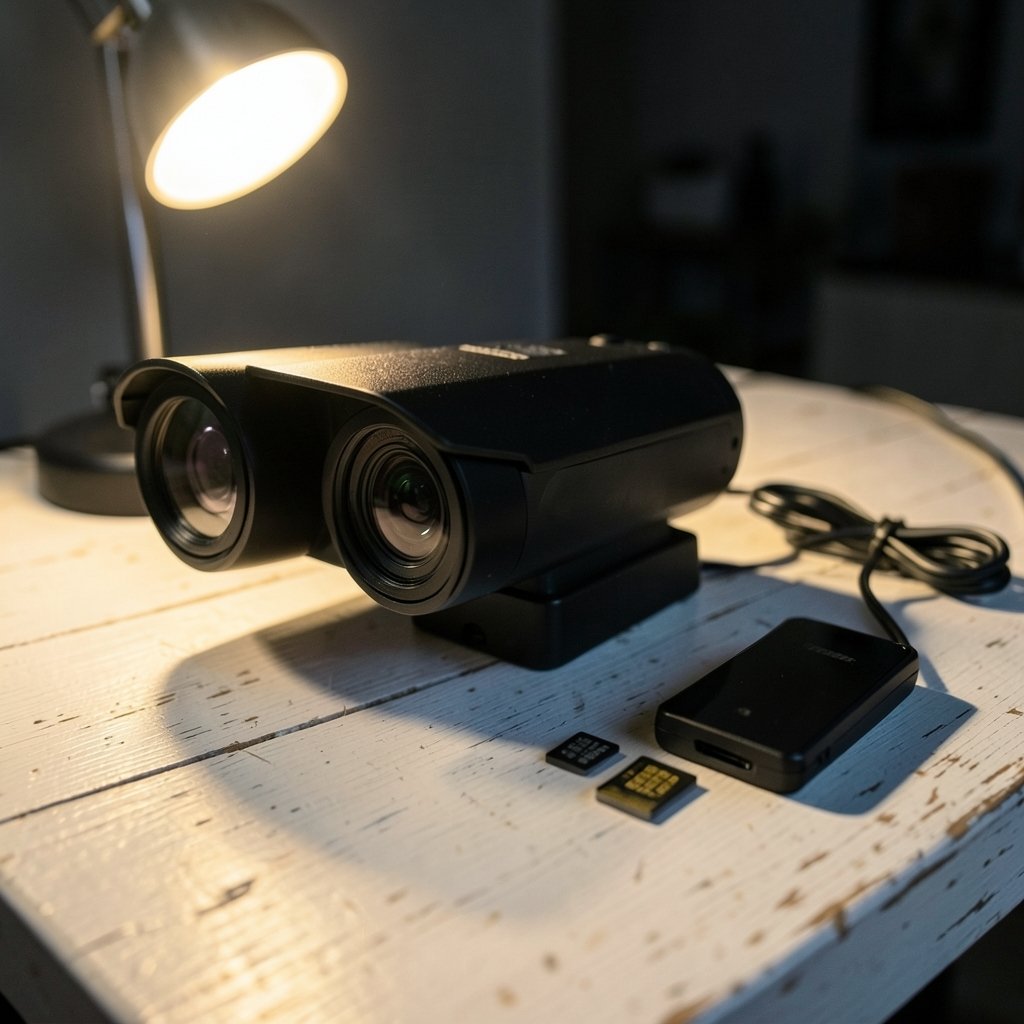
Some yards have one blind corner that a fixed camera simply can’t watch. That’s where a pan-tilt-zoom setup earns its keep. The Camcamp system pairs dual-lens PTZ cameras with a 355° pan and 90° tilt range, so a single unit sweeps most of a yard instead of staring at one slice of it.
What it does well: The 2K footage holds up day and night, and the night vision switches from black-and-white to color when it catches motion, which helps pull detail like clothing or vehicle color out of a dark frame. Motion tracking follows movement automatically, so the camera does the watching for you. Storage is handled locally with a 500GB drive using H.265 compression, expandable up to 6TB, plus microSD support. No subscription is required to record.
The real limitation: PTZ motors are moving parts. On any pan-tilt camera, the mechanism is the component most likely to wear out over years of constant sweeping, so mount it where you can reach it for service.
Who it suits: Homeowners who want broad coverage from fewer cameras and refuse to pay monthly fees. If you’re weighing local storage against the cloud, the case for recording without an internet connection is worth reading before you commit.
2. Swann MaxRanger 4K Mini: Best for Large Properties
Long driveways and detached garages break ordinary Wi-Fi. The MaxRanger 4K Mini tackles that with Wi-Fi HaLow technology, holding a connection up to 1,000 feet line of sight and roughly 330 feet through walls or obstacles.
What it does well: The 4K sensor and 110° viewing angle capture fine detail across a wide frame, and the True Detect+ AI sensing picks up heat, motion, people, and vehicles rather than raw pixel changes. That cuts the junk alerts that make people mute their phones.
The real limitation: Range like this costs money. This is a premium pick, and if your yard is a standard suburban lot, you’re paying for capability you won’t use.
Who it suits: Rural homeowners, farm properties, and anyone mounting cameras on outbuildings far from the router.
3. ZOSI 3K Lite 4-Camera Kit: Best for Apartments and Small Lots
Not every property needs eight cameras and a server rack. The ZOSI 3K Lite kit ships four weatherproof cameras with 24 infrared LEDs each, giving sharp images in complete darkness up to 80 feet. (Best outdoor security cameras without subscription)
What it does well: Built-in AI detection separates humans from vehicles, so alerts stay meaningful. The system supports up to four additional cameras across multiple formats, which means it grows with you. The cameras are rust-resistant, and maintenance is genuinely low.
The real limitation: You need a separate SATA hard drive to record. That’s an extra purchase and an extra step before the system is fully live.
Who it suits: Apartment dwellers, renters with a small patio or entryway, and anyone who wants a wired DVR setup without a big spend. Before you mount anything, run the numbers with a bitrate and storage calculator so you know how many days of footage that drive will actually hold.
4. 2K Solar Four-Pack: Best Wire-Free Option for Renters
Renters can’t drill holes or run cable. A solar four-pack solves that with a genuinely wire-free install: detachable solar panels, battery power, and no outlets needed.
What it does well: The 2K color night vision with a built-in spotlight pulls usable detail from dark scenes, and 360° pan-tilt coverage lets you reposition the view from the app. PIR plus AI human detection filters out most false triggers, and the IP65 build handles weather. Storage is flexible, with microSD and cloud options, and it works with Alexa.
The real limitation: Two dependencies decide whether this system is great or frustrating: sunlight and a stable 2.4GHz Wi-Fi signal. A camera shaded all day by a north-facing eave will run its battery down faster than the panel can refill it.
Who it suits: Renters, temporary setups, and anyone who wants cameras running in an afternoon without an electrician.
5. 4K Solar PTZ Camera: Best for Driveways and Gates
A driveway is where vehicles come and go, and that’s exactly what auto-tracking is built for. This 4K solar PTZ camera pairs full 360° pan-tilt with automatic subject tracking, so a car pulling in gets followed rather than missed.
What it does well: The 4K resolution gives you the pixel density to read a plate or recognize a face at distance, and the 355° pan with 140° tilt covers an unusually wide arc. Solar power keeps it maintenance-free in good light.
The real limitation: The weather rating is IP64. That’s fine for rain, but it sits below the IP65 and IP66 ratings on other picks here, so think twice about full coastal exposure or driving spray.
Who it suits: Homeowners watching a driveway, gate, or side yard who want tracking without trenching cable.
6. Lybuorz 5G Solar Camera: Best for Sites Without Wi-Fi
Some locations have no internet at all: a storage lot, a cabin, a remote gate. A 5G camera sidesteps the router entirely.
What it does well: The 8000mAh battery paired with a solar panel means no wiring and no frequent charging. Wi-Fi 6 dual-band support keeps the connection fast where Wi-Fi exists, and setup runs through Bluetooth and a QR code, so it’s quick. The 4MP sensor records clear footage day and night with infrared and full-color modes, and the PIR plus AI detection keeps alerts tied to human movement.
The real limitation: Published specifications are thin. Dimensions, weight, and color options aren’t listed, so confirm the details on the product page before buying.
Who it suits: Owners of remote property, job sites, or anywhere a traditional router isn’t practical.
7. Blink 2K with Sync Module Core: Best for One Sharp Zone
Sometimes one excellent camera beats four average ones. The Blink 2K with the included Sync Module Core and batteries is a complete, simple setup out of the box.
What it does well: The 2K resolution, color low-light video, and up-to-4x zoom beat the 1080p Blink Outdoor 4 cameras in the doorbell bundle. The 115° horizontal field of view suits a defined area like a side gate or patio, and two-way audio with noise cancellation makes conversations clearer.
The real limitation: Identifying people or vehicles requires an optional subscription plan. Without it, you get motion alerts, not smart ones. Battery life also depends heavily on settings and how often the camera triggers.
Who it suits: Anyone covering a single high-value spot who wants sharp footage and an easy install.
How to Choose Without Overpaying
Start with power, because it decides everything else. Wired DVR systems never worry about batteries but need cable runs. Solar and battery units install anywhere but depend on sun and signal. Plug-in cameras sit in between.
Then match range to reality. If your router can’t reach the back fence, a standard Wi-Fi camera will drop offline no matter how good its sensor is. Long-range options like Wi-Fi HaLow exist for exactly that problem.
Next, decide how you’ll store footage. Local drives mean no monthly bill but require planning. Cloud storage is effortless but recurring. A storage calculator takes the guesswork out of drive sizing.
Finally, check the small stuff that ruins real installs. Infrared glare bouncing off glass or walls is one of the most common complaints, and there’s a fix for it. Timestamps that drift out of sync can also undermine footage you might need later, so it’s worth knowing how to correct clock drift. And if you’re comparing open-source monitoring tools on the network side, a breakdown of Wazuh vs Security Onion vs CrowdSec is a useful companion read. (Security camera infrared reflection fix stop glare get clear)
Conclusion
The best outdoor security camera system for 2027 isn’t the one with the longest spec sheet. It’s the one that matches your power situation, your Wi-Fi reach, and your tolerance for monthly fees. For wide coverage on a budget, the Camcamp PTZ system stands out. For big properties, Swann’s long-range 4K earns its price. For renters, the solar four-pack is the least painful path to coverage. Pick the one that fits your yard, not the one that wins a spreadsheet.
Frequently Asked Questions
Do outdoor security cameras need Wi-Fi to work?
No. Wired DVR systems record locally and don’t need internet to capture footage. Solar and battery cameras generally do need Wi-Fi for remote viewing, though some, like the 5G solar option here, can connect over a cellular network instead.
How much storage do I need for continuous recording?
It depends on resolution, frame rate, and compression. A 500GB drive using H.265 compression covers a reasonable stretch for a small system, while 4K footage fills space much faster. Use a bitrate and storage calculator to size your drive before buying.
Are solar-powered cameras reliable in winter?
They work, but shorter days and low sun angles reduce charging. A camera that gets direct sun in summer may struggle in December. Position panels for maximum exposure and expect battery drain to rise in dark months.
What’s the difference between IP64, IP65, and IP66?
The first digit rates dust protection and the second rates water. IP64 handles splashing water, IP65 handles water jets, and IP66 handles powerful jets. For exposed coastal or storm-prone spots, higher is safer.
Do I need a subscription for smart person and vehicle alerts?
Not always. Several systems here, including the Camcamp and ZOSI kits, include AI detection locally. Others, like the Blink setup, require an optional plan for person and vehicle identification, so check before you buy.
Can one camera really cover a whole yard?
A PTZ camera with 355° pan and motion tracking gets close, covering far more ground than a fixed lens. But a single viewpoint still leaves blind spots behind obstacles, so most yards benefit from two cameras placed at different angles.



