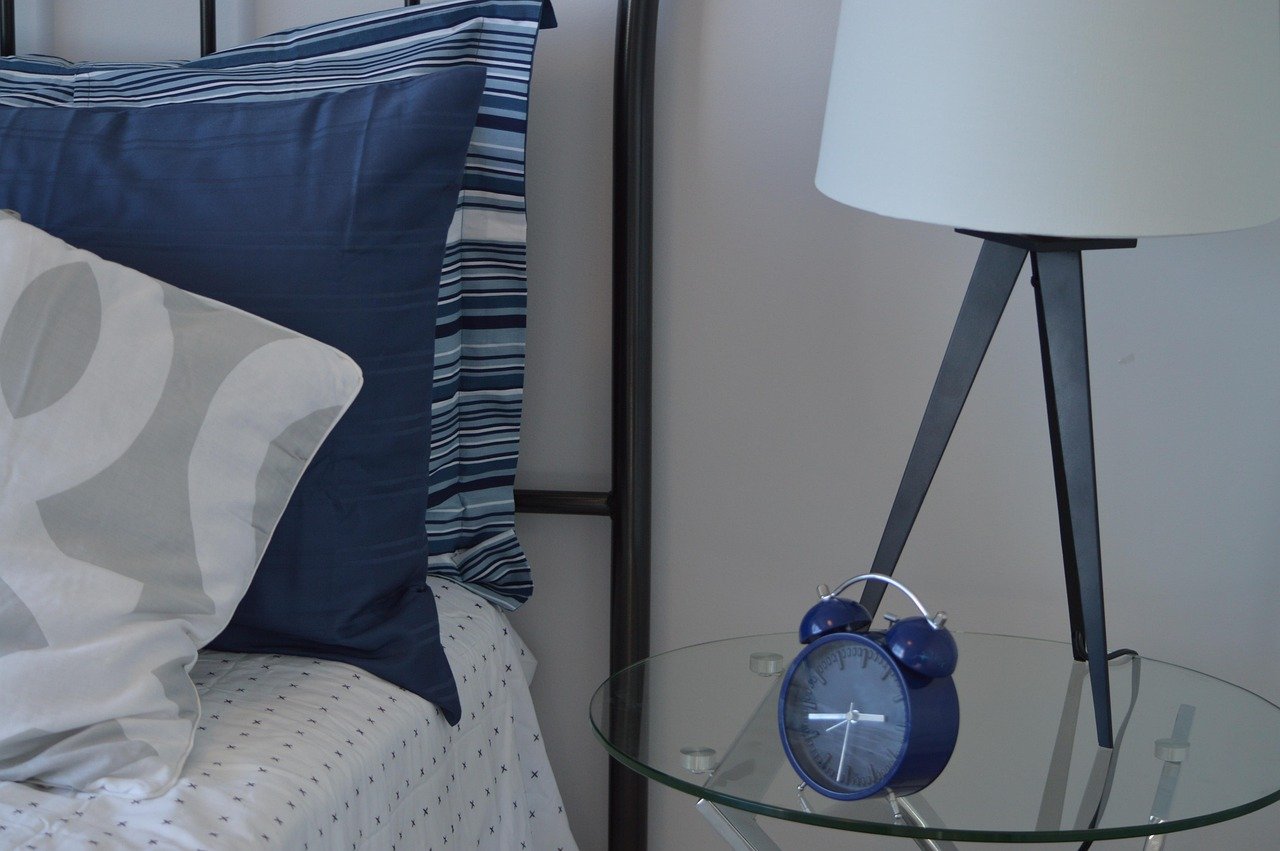
What good is a beautiful nightstand if you have to get out of bed to reach your glasses? That small piece of furniture beside the bed does more work than most people give it credit for. It holds the lamp you read by, the phone you charge overnight, the book you’re halfway through, and the glass of water you reach for at 2 a.m. Get the size or height wrong, and you’ll feel it every single night.
This guide walks through the decisions that matter most, in the order most shoppers actually face them: size and height, storage, materials, style, and budget. Along the way, it covers the mistakes people make most often and the small details that separate a nightstand that works from one that just looks nice in a photo.
Why the Right Nightstand Matters More Than You Think
A nightstand sits within arm’s reach of where you sleep, which makes it one of the most-used surfaces in a home. It also shapes how a bedroom feels. Two mismatched, undersized tables can make an otherwise calm room look unfinished, while a well-scaled pair anchors the bed and makes the whole space read as intentional.
There’s a practical side, too. A nightstand at the wrong height leads to awkward reaching, knocked-over water glasses, and lamps that sit too low for reading. A nightstand with too little storage turns into a pile of clutter. And a nightstand that’s too wide crowds the walking path to the bed, especially in smaller rooms.
The good news: getting it right doesn’t require spending a fortune. It requires knowing a few numbers and being honest about how you actually use the space beside your bed.
Start With Size and Height, Not Style
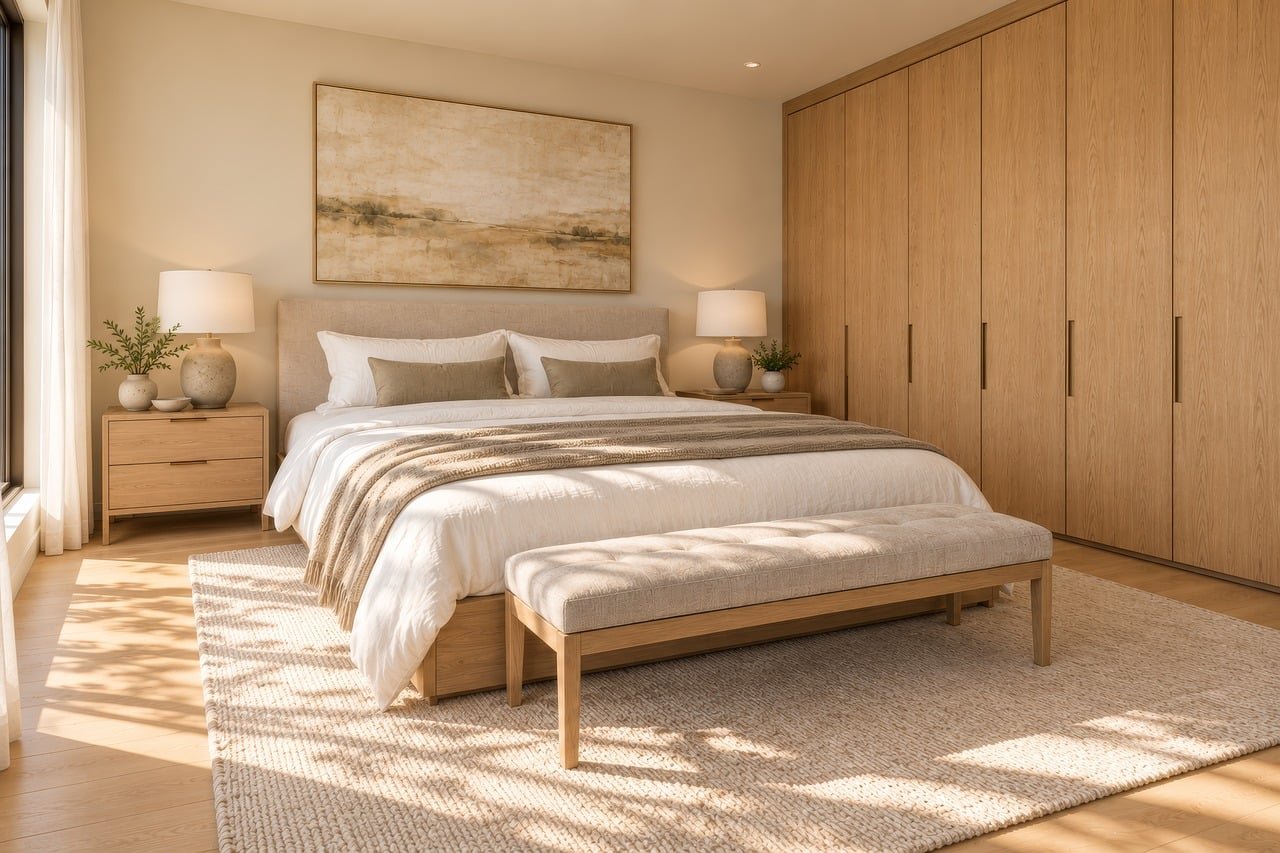
Most buying mistakes happen here. Shoppers fall in love with a finish or a silhouette, order two, and discover the tables sit several inches below the mattress or crowd the closet door.
The height rule that works
A nightstand’s top should land roughly level with, or slightly below, the top of your mattress. That puts lamps, books, and a phone within easy reach without stretching. If your mattress sits high on a thick foundation, a standard 24-inch nightstand may feel low; if you sleep on a low platform bed, a tall chest-style table can feel awkward.
Measure from the floor to the top of your mattress before you shop, then look for nightstands within a couple of inches of that number. This single step eliminates most returns.
Width and clearance
A common guideline is to leave at least a couple of feet of walking space between the nightstand and the nearest wall, door, or closet. In tight rooms, a narrow table or a small-scale piece makes more sense than a wide one. Some designs are built specifically for compact layouts. The Sidney Small 2-Drawer Nightstand, for example, measures about 17 inches wide and 15 3/4 inches deep, which suits a narrow gap beside the bed while still offering two drawers and a lower cubby.
Depth matters as much as width. A deep nightstand can block a dresser drawer or make a tight corner feel tighter. Check the depth against your available floor space, and check the width along the wall.
Match the bed’s scale
A king bed can carry larger, more substantial nightstands. A twin or full bed in a guest room usually looks better with something smaller. The general principle: the nightstand’s height should relate to the mattress, and its visual weight should relate to the bed frame. A delicate, leggy table next to a heavy upholstered bed can look flimsy; a chunky chest next to a slim metal frame can look overpowering.
Drawers, Shelves, and Hidden Storage: How Much Do You Need?
Storage is where nightstands earn their keep. Think about what actually lives beside your bed: a lamp, phone and charger, glasses, a book or e-reader, maybe medications or a remote. Then decide how much of that you want hidden.
| Storage setup | Best for | Trade-off |
|---|---|---|
| One drawer plus open shelf | Most bedrooms; keeps essentials hidden and books visible | Open shelf collects dust |
| Two drawers | People who want a clear top surface | Wider footprint, higher price |
| Open shelves only | Guest rooms, reading nooks, small budgets | No hiding spot for clutter |
| Drawer plus cubby or hidden compartment | Small rooms that need maximum function | Can feel busy in a minimalist room |
A single deep drawer handles the basics well. The Villandry 1-Drawer Nightstand pairs one deep drawer with a caned shelf underneath, so nighttime essentials stay tucked away while books and objects sit in the open. That combination suits people who like a tidy top but don’t want everything behind a door.
Two drawers, or a drawer plus a lower cubby, work better for anyone who stores more: charging cables, a sleep mask, hand cream, a notebook. The Sidney Small 2-Drawer Nightstand fits that brief in a compact footprint, with drawers that are stained inside and decorative knobs that coordinate with its collection.
One underrated feature: a fully finished back. If a nightstand has a finished back panel, it can float in the room or sit in front of a window without an ugly raw edge showing. That matters in rooms where the bed isn’t against a wall.
Materials and Build Quality: What to Check Before You Buy
Two nightstands can look identical online and feel completely different in person. The difference is usually in the construction details.
Solid wood versus veneer. Solid hardwood frames last for decades. Veneers over engineered wood can look excellent and cost less, and many well-made pieces use veneer on drawer fronts for a consistent grain. What matters is the frame and the joinery, rather than the label by itself.
Joinery. Dovetail joinery on drawers is a mark of durability. So are soft-close or full-extension glides, which let you reach the back of a drawer without wrestling it.
Hardware. Solid brass hardware holds up better than plated metal, which can flake or tarnish over time. Small detail, big difference after a few years.
Stability. Adjustable levelers matter more than shoppers expect, especially on older floors that slope. They keep the table from wobbling and protect the floor from scratches.
Safety. If you have kids or pets, anchor the nightstand to the wall. Many pieces ship with an anti-tip kit, and using it is not optional in households with young children.
Stone, metal, and mixed materials
Material choice affects both look and maintenance. A stone nightstand like the Clementine Reeded Stone Nightstand, with its rounded, reeded facade and high-sheen finish, brings a sculptural quality to a bedroom but needs care with heavy objects and sharp edges. Metal-frame designs with fabric or wood drawers, such as the Furologee nightstands set of two, offer a lighter, industrial look and often include adjustable feet to keep things level.
There’s no single right material. There’s only the material that fits your room, your habits, and how much maintenance you’re willing to do.
Style and Finish: Making the Pair Look Intentional
Matching nightstands are the safe choice, and they usually look best in a primary bedroom. But “matching” doesn’t mean boring. A few approaches work well:
- Match the bed’s finish family. A warm oak bed pairs naturally with oak or walnut nightstands; a painted bed leaves more freedom.
- Repeat a metal. If the bed frame or lamp has brass or black metal, echoing it in the nightstand hardware ties the room together.
- Keep heights consistent. If you use two different nightstands (common when one side of the bed is against a wall), keep their tops at the same height so the room still reads as balanced.
- Consider the lamp. A tall lamp on a low nightstand can look top-heavy. Check the combined height before committing.
Finishes also affect how a room feels. Light painted finishes and natural woods keep small bedrooms airy. Darker woods and stone add weight and drama. Black and oak finishes remain among the most versatile because they work with both warm and cool color schemes.
Budget: What Nightstands Actually Cost
Nightstand prices span an enormous range. At the low end, budget-friendly sets and simple tables start around $120 to $300. Mid-range pieces from mainstream furniture retailers often land between $250 and $800. Designer and artisan-made nightstands can run well into four figures.
A few practical notes on price:
- Sales matter. Furniture retailers run frequent promotions, and buying two nightstands at once often qualifies for a discount. Some retailers offer 40% off when you buy two or more nightstands, which can bring a mid-range pair into budget range.
- Sets versus singles. A set of two can be cheaper per unit than buying two singles, but check the dimensions and materials carefully. Sets are often built to a lower price point.
- Spend where it counts. If you’ll use the nightstand every night for years, put the budget into the frame, the drawer glides, and the hardware rather than a trendy finish.
A nightstand is a small purchase that gets used constantly, which makes it a reasonable place to spend a little more than you planned, as long as the size and storage are right.
Mistakes People Make (and How to Avoid Them)
These come up again and again in real bedrooms:
- Buying before measuring. Measure mattress height, wall space, and walking clearance first. Write the numbers down and bring them to the store.
- Ignoring the lamp. A nightstand that fits the room but not the lamp base ends up with a lamp perched precariously or a reading light that’s too low.
- Overlooking cord management. Charging cables, lamp cords, and phone adapters create instant clutter. Look for a nightstand with a drawer deep enough to hide a power strip, or plan to mount a small outlet behind the table.
- Skipping the anti-tip kit. It takes ten minutes and prevents serious injuries.
- Buying two when one would do. In a small bedroom, one nightstand plus a wall shelf or a slim bench on the other side often works better than two tables crammed in.
- Forgetting the back. If the nightstand will be visible from the side or float in the room, a finished back is essential.
Small habits compound, too. If your bedside area doubles as a charging station and a reading nook, the setup matters for sleep quality. Anyone who has tried to wind down with a bright screen and a tangle of cables knows the difference a calm, organized bedside makes. The same principle of removing friction applies to other nighttime annoyances, from a partner’s snoring to a slow connection. If noise is the issue, these practical fixes for how to stop snoring at night home remedies are worth a look, and if streaming keeps stalling after lights out, the real causes behind why your internet is so slow at night are usually fixable. (Best laptop stands ergonomics actually fixes your posture)
Nightstands in Small Rooms and Guest Spaces
Small bedrooms need a different playbook. Instead of two full-size nightstands, consider:
- A narrow table on one side and a wall-mounted shelf on the other.
- A tall, slim nightstand that uses vertical space instead of floor space, like a three-tier design.
- A nightstand that doubles as a small desk or vanity in a studio apartment.
- Clear or open-frame designs that visually recede rather than block sightlines.
Guest rooms have their own logic. Guests need a surface for a phone, a place to set a glass, and ideally a drawer they can use without feeling like they’re rummaging through someone’s things. A simple one-drawer nightstand with an open shelf covers all three.
How to Set Up Your Nightstand So It Works Every Night
Once the furniture is in place, a little setup goes a long way:
- Put the lamp on the side closest to the bed so you can reach the switch without stretching.
- Route cords behind the table and secure them with clips so they don’t fall behind the drawer.
- Keep the top surface to three items or fewer: lamp, phone, and one personal item.
- Use the drawer for the rest, and clear it out every few months.
- Add a small tray or dish for glasses and jewelry so they don’t wander.
- Check the levelers after a few weeks and adjust if the table has settled.
Conclusion
The best nightstands aren’t the most expensive or the most photographed. They’re the ones that match your mattress height, fit your floor space, hold what you actually need within reach, and feel solid every time you open a drawer. Measure first, decide how much storage you genuinely want, check the construction details, and buy for the room you have rather than the one in the catalog. Do that, and the table beside your bed becomes one of those quiet things you never have to think about again, which is exactly the point.
Frequently Asked Questions
What height should a nightstand be?
A nightstand’s top should sit level with or slightly below the top of your mattress. Measure from the floor to the mattress top before shopping, then choose a nightstand within a couple of inches of that number. This keeps lamps, books, and your phone within easy reach without stretching.
Is one drawer enough for a nightstand?
For most people, yes. One deep drawer holds glasses, chargers, medications, and a book or two, while an open shelf handles the rest. If you store more, or want a completely clear top surface, a two-drawer model or a drawer-plus-cubby design is a better fit.
Should both nightstands match?
Matching nightstands usually look best in a primary bedroom because they create balance. If the layout forces two different pieces, keep their tops at the same height and repeat a material or finish so the room still reads as intentional.
What is the best material for a nightstand?
Solid hardwood frames with dovetail drawer joinery offer the best long-term durability. Veneers over engineered wood can be a good value if the frame and glides are well made. Stone and metal designs bring distinct looks but need more care and, in the case of stone, more attention to weight and edges.
How much space should I leave around a nightstand?
Aim for at least a couple of feet of walking clearance between the nightstand and any wall, door, or closet. In tight rooms, choose a narrower or shallower design rather than squeezing in a wide one that blocks movement.
Do I need to anchor a nightstand to the wall?
Yes, especially in homes with young children or pets. Many nightstands ship with an anti-tip kit, and installing it takes only a few minutes. Anchoring prevents the piece from tipping if someone leans on it or climbs it.