Mild snoring may improve with changes to sleep position, bedtime habits, nasal airflow, and other daily routines. Snoring happens when relaxed tissues vibrate as air moves through the throat. The sound may disturb your sleep or a partner’s rest, even when breathing continues normally.
These eight practical fixes may help with mild snoring, but they cannot rule out obstructive sleep apnea, or OSA. OSA is a sleep disorder in which the upper airway repeatedly narrows or closes, interrupting breathing. Gasping, choking, or witnessed pauses in breathing need medical attention. A home remedy should not delay that step.
Key Takeaways
- Simple changes may ease mild snoring.
- Back sleeping can make airflow harder for some people.
- Alcohol close to bedtime may worsen snoring.
- Nasal aids may help congestion but do not treat OSA.
- Regular snoring with breathing symptoms deserves medical evaluation.
- Keep notes about snoring and sleep changes.
People often look for a quick fix after a noisy night, but snoring can have more than one cause. A small change may quiet the sound, while another cause may need care. Treat persistent or worrying snoring as a health question, not only a noise problem.
Why can snoring signal a sleep problem?
Snoring occurs when relaxed throat tissues vibrate as air passes during sleep, and repeated breathing interruptions can signal OSA. Obstructive sleep apnea can narrow or close the upper airway again and again, disrupting sleep and breathing.
Throat tissue vibration can have several causes, including airway shape, congestion, and relaxed muscles. Around 28% of adult women snore regularly in 2026, and more than 30% of women begin snoring during the second trimester of pregnancy. Regular snoring with other symptoms deserves medical evaluation.
Regular snoring with gasping, choking, daytime fatigue, or morning headaches can point to OSA and calls for medical evaluation.
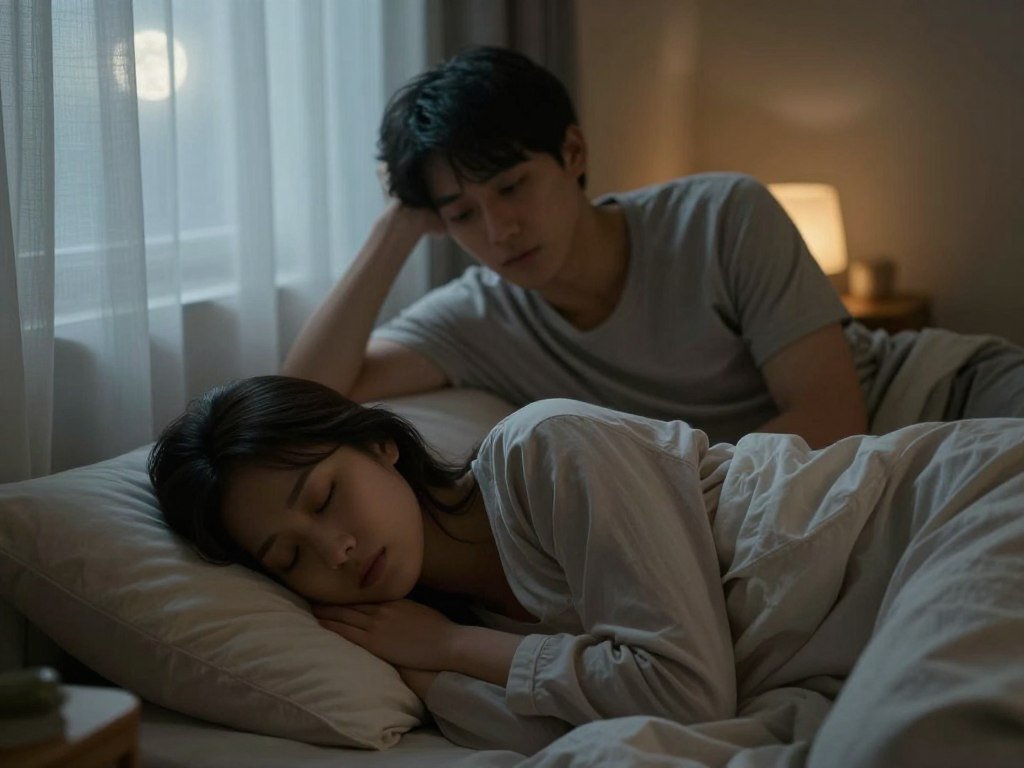
What causes snoring in women?
Pregnancy and menopause-related hormonal changes may affect snoring in women. Nasal congestion, weight gain, and airway structure may also contribute. If you want to know how to stop snoring in women, first consider what may be narrowing airflow or changing sleep.
People snore for different reasons, so one remedy will not fit everyone. Hormone shifts can change over time, and pregnancy may bring new snoring even for someone who rarely snored before. These changes do not confirm OSA on their own.
Signs that call for medical evaluation
Ask a clinician about testing if you or a sleep partner notices pauses in breathing. The American Academy of Sleep Medicine recommends polysomnography or home testing for uncomplicated adults at increased risk of moderate to severe OSA.
A home sleep apnea test must be technically adequate. If one test is negative, inconclusive, or technically inadequate, the guideline recommends polysomnography. Ask a clinician about testing when snoring comes with witnessed pauses in breathing or the listed daytime and nighttime symptoms.
How to Stop Snoring at Night Home Remedies: Which Position Changes May Help?
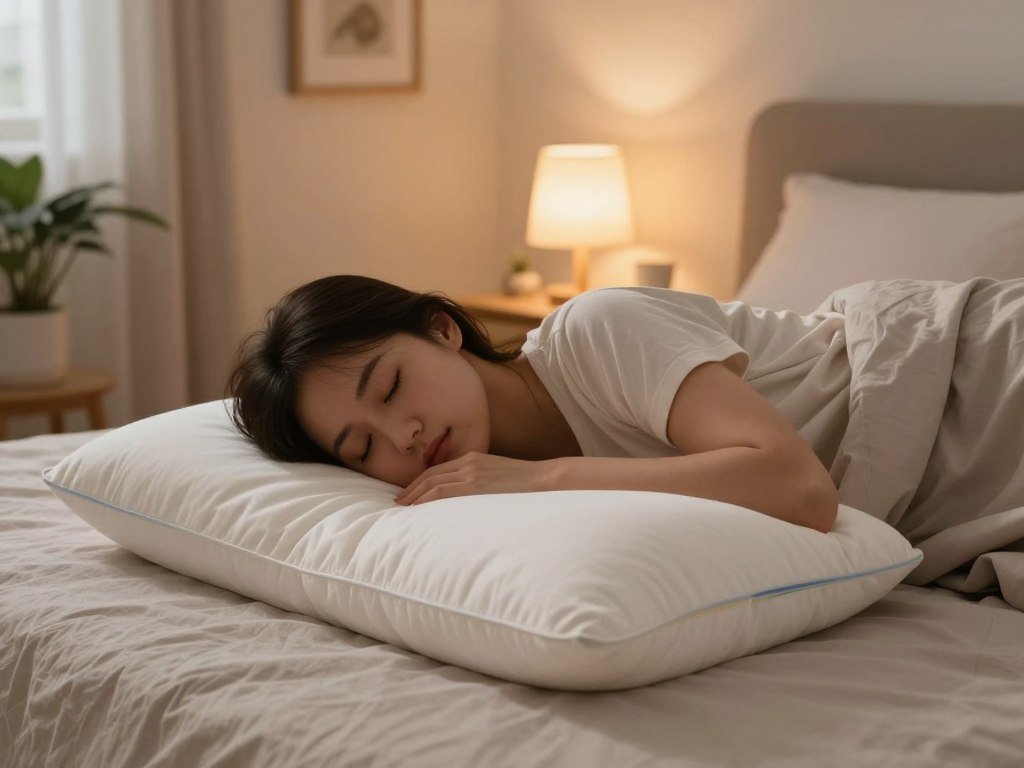
If snoring gets louder while someone is on their back, changing position may help that night. Sleeping on your side can keep the tongue and soft tissues from shifting toward the throat.
Back sleeping can narrow the space where air moves, which may make snoring louder. A body pillow can help you stay on your side without forcing an awkward position. A tennis ball attached to the back of sleepwear can also discourage rolling onto the back.
Sleeping on your side
For a sleeping position to stop snoring, try turning onto your side and supporting your upper body with a body pillow. This is also a simple way to help someone snoring immediately when the sound worsens on their back. Gently changing their position may quiet the noise that night.
Some people sew or fasten a tennis ball to the back of a pajama top. The pressure can remind you to roll back onto your side. Stop using the method if it causes pain or prevents comfortable sleep.
Raising the head of the bed
Raising the head of the bed by about 4 inches may help reduce snoring. Use a stable bed riser or an adjustable bed base, rather than stacking pillows that can shift during sleep.
Extra pillows may bend your neck without keeping your whole upper body raised. A stable setup may help air move while you sleep, but it should feel comfortable. Choose a stable setup that does not cause neck or back discomfort.
Which bedtime habits can reduce snoring?
Too little sleep can leave throat muscles more relaxed, while alcohol near bedtime can further worsen snoring. Protecting enough sleep may reduce the chance that airway tissues become more likely to obstruct.
Adults generally need 7-9 hours of sleep each night. Alcohol relaxes throat muscles and can worsen snoring and sleep apnea. Try to avoid alcohol within 3-4 hours of bedtime to support better sleep.
No specific food or drink reliably stops snoring. A warm drink may feel soothing, but it is not a snoring treatment; tea for temporary comfort can help you stay hydrated. Drinking alcohol is not a remedy, even if it makes you feel sleepy.
Sedatives can relax muscles and affect breathing during sleep. If you take a prescribed sedative, ask your clinician whether it could affect snoring or breathing. Do not change the dose on your own.
- Protect a 7-9-hour sleep window each night.
- Avoid alcohol for 3-4 hours before bed.
- Ask a clinician about sedatives you use.
Do not abruptly stop a prescribed sedative without medical advice.
Can nasal strips or congestion treatment help?
Nasal strips may make airflow through the nostrils easier, but they cannot open a throat airway narrowed by OSA. They may help when nasal congestion contributes to snoring, though they are not a cure for every cause.
Evidence that nasal strips reduce snoring is mixed. A 2019 manufacturer study found that Breathe Right strips did not significantly improve sleep quality or feelings of nasal congestion compared with a placebo strip. Strips do not treat snoring caused by OSA.
| Aid | Placement | Airflow effect | Limitation |
|---|---|---|---|
| Nasal strip | Across the outside of the nose | Pulls nostrils wider | Mixed evidence for snoring |
| External dilator | Outside the nostrils | Helps hold nostrils open | Does not treat throat narrowing |
| Internal dilator | Inside the nostrils | Supports open nasal passages | May feel uncomfortable |
Nasal strips and dilators
Strips and dilators focus on the nose, not the throat. If nasal airflow is the main issue, an aid may make breathing through your nose easier. Pick a product that fits comfortably and stop using it if it irritates your skin or nostrils.
Persistent allergy symptoms can keep the nose blocked and encourage mouth breathing. Ask a clinician or pharmacist about allergy care that fits your symptoms. Nasal strips are not a substitute for care when breathing pauses occur during sleep.
Medicines for nasal congestion
There is no pill that reliably stops snoring itself. Medicines may help a cause, such as allergy-related congestion, but oral phenylephrine is not considered effective for nasal congestion in the FDA’s November 2024 proposal. That proposal did not apply to phenylephrine nasal sprays.
Nasal decongestant sprays such as oxymetazoline or phenylephrine can cause rebound congestion with longer use. Nasal corticosteroid sprays such as fluticasone are less likely to cause this effect. Keep oxymetazoline or phenylephrine nasal spray use to three days at a time unless a clinician advises otherwise.
What lifestyle changes help over time?
When excess tissue or smoking-related airway irritation contributes, gradual lifestyle changes may help reduce snoring. Small, steady steps are more practical than chasing a fast cure.
For some people, excess tissue around the neck may narrow the airway. Snoring also happens in people who are not overweight, so weight alone does not explain every case. Sustainable weight management may help when excess tissue contributes.
Weight management
A clinician can help you choose a safe plan that fits your health and daily routine. The CDC recommends adults get at least 150 minutes of moderate-intensity aerobic activity each week and muscle-strengthening activity on 2 days.
These targets support general health, but reaching them does not promise that snoring will stop. If weight is one factor, gradual changes can be easier to maintain than strict short-term rules.
Smoking cessation and natural approaches
Smoking can irritate the airways and may contribute to snoring. If you want to quit, CDC smoking-cessation data show many adults try to stop, while quit support remains useful. In the United States, 1-800-QUIT-NOW connects you with smoking cessation help.
The same basic natural approaches apply to men and women, though pregnancy and hormonal changes can affect an individual’s snoring. Tongue and throat exercises may be tried as an added step, not as a replacement for evaluation when warning symptoms occur.
- Discuss a suitable weight-management plan with a clinician.
- Use CDC quit-smoking support, including 1-800-QUIT-NOW.
- Track whether snoring changes over time.
Seek individualized help if a lifestyle change is difficult to sustain or does not address the symptoms.
What treatments help when home remedies are not enough?
Persistent snoring may need a cause-specific treatment such as a custom oral appliance, CPAP, or selected surgery. Sleep medicine can help match care to the cause and severity of the problem.
A mandibular advancement device, or MAD, moves the lower jaw forward to help keep the airway open. A custom-fitted MAD is prescribed through a doctor or sleep specialist and fitted by a specially trained dentist or orthodontist. Over-the-counter boil-and-bite appliances may fit poorly and may reduce snoring without treating OSA effectively.
Custom oral appliances and tongue stimulation
Oral appliances are most often recommended for mild to moderate OSA, though a MAD may help some people with severe OSA. MAD therapy reduces sleep apnea severity by more than half for about 70% of people with OSA, and fully resolves symptoms for a third.
Oral appliances can cause side effects, so regular dental fit checks matter. The FDA has approved a tongue muscle stimulation mouthpiece for snoring and mild sleep apnea. Its schedule is 20 minutes daily for six weeks, then 20 minutes once a week.
CPAP and surgery
Continuous positive airway pressure, or CPAP, uses a mask and steady air pressure to keep the airway open during sleep. A custom MAD may be easier for some people to use, while CPAP directly supports open airways throughout the night.
Uvulopalatopharyngoplasty, or UPPP, widens the airway by removing or reshaping tissue at the back of the throat. The procedure may change the soft palate, uvula, and tonsils. UPPP can cause bleeding, infection, narrowing behind the nose, temporary difficulty closing the soft palate, or voice changes.
Treatment can control snoring or OSA symptoms, but no method guarantees permanent relief for everyone.
A 2023 update reported symptom improvement in 80.6% of Stage 1 UPPP candidates. Results do not predict one person’s outcome, and surgery has risks alongside possible benefits.
| Treatment | How it works | Common role | Important limitation |
|---|---|---|---|
| Custom MAD | Moves the lower jaw forward | Often mild to moderate OSA | Needs dental fitting and follow-up |
| CPAP | Uses steady air pressure | Keeps airway open during sleep | Requires wearing a mask |
| UPPP | Removes or reshapes throat tissue | Selected airway cases | Has surgical risks and may not last |
Review the expected benefits, risks, and follow-up plan with the sleep and dental professionals involved.
Conclusion
A few practical changes may quiet mild snoring, but breathing symptoms deserve more than a home fix. Persistent snoring can disrupt sleep for you and anyone sharing your room.
Arrange a medical appointment if sleep is disrupted or breathing pauses are suspected. A sleep partner’s observations can help explain what happens overnight, especially when you cannot hear it yourself.
Write down what a sleep partner notices and bring it to a clinician if snoring continues.
FAQ
How to stop snoring during sleep?
Side sleeping, enough sleep, and avoiding alcohol close to bedtime may help mild snoring. Snoring can change with sleep position because the tongue and soft tissues may shift toward the throat. Keep a note of what seems to affect the sound. Gasping or choking during sleep calls for medical evaluation rather than another home remedy.
Can allergies cause snoring?
Yes, allergies can cause nasal congestion that restricts airflow and encourages mouth breathing. When the nose feels blocked, breathing may become noisier during sleep. Persistent allergy symptoms are worth discussing with a clinician, who can help you choose an appropriate treatment. A nasal aid may ease airflow through the nostrils, but it will not address every cause of snoring.
What causes snoring in females?
Possible causes include pregnancy and menopause-related hormonal changes, nasal congestion, weight gain, and airway structure. Pregnancy can bring new snoring, including during the second trimester. These factors can affect airflow, but they do not prove a sleep disorder by themselves. If snoring comes with breathing pauses or daytime fatigue, ask a clinician about an evaluation.
What to eat to stop snoring?
No specific food is established as a snoring cure. A meal or snack cannot reliably keep throat tissues from vibrating during sleep. Sustainable weight management may help when excess tissue contributes to airway narrowing, though weight is not the only cause. If a food seems to worsen congestion or reflux for you, keep track and discuss the pattern with a clinician.
What to drink to stop snoring?
No drink reliably stops snoring. Alcohol close to bedtime can worsen snoring by relaxing throat muscles, so avoid it within 3-4 hours of sleep. Water or tea may help you stay hydrated, but neither is a snoring treatment. Choose drinks that suit your health needs, and ask a clinician about frequent congestion or breathing problems at night.
Is there a pill that stops snoring?
No pill reliably treats snoring itself. Medicine may help a cause, such as allergy-related nasal congestion, but it does not address every airway problem. The FDA proposed removing oral phenylephrine from over-the-counter products for nasal congestion after finding it ineffective for that use. The proposal does not apply to phenylephrine nasal sprays.
How to stop insanely loud snoring?
Loud snoring with gasping, choking, daytime fatigue, or morning headaches needs medical evaluation, not an immediate home fix. These signs may point to obstructive sleep apnea, which can interrupt breathing during sleep. Ask a clinician whether testing is appropriate, especially if someone notices pauses in your breathing. Keep notes about how often the symptoms occur.
What gets removed to stop snoring?
UPPP removes or reshapes tissue at the back of the throat, which may include the soft palate, uvula, and tonsils. The surgery aims to widen the airway for selected cases. It can also cause bleeding, infection, voice changes, and other side effects. A sleep specialist and surgeon can explain whether its possible benefits fit your needs.