What happens when a parent forgets to take their medicine, or a grandparent can no longer climb the stairs safely? That question lands on millions of families at once, and the answer is rarely a single phone call. Aged care is the network of services that steps in when daily life gets harder, and understanding how it fits together makes the whole process far less overwhelming.
What Aged Care Really Covers
Aged care is not one service. It is a range of support that starts with a little help at home and can extend to round-the-clock nursing. The common thread is function: aged care helps older adults do the things they can no longer manage alone, from bathing and dressing to meals, medication and transport.
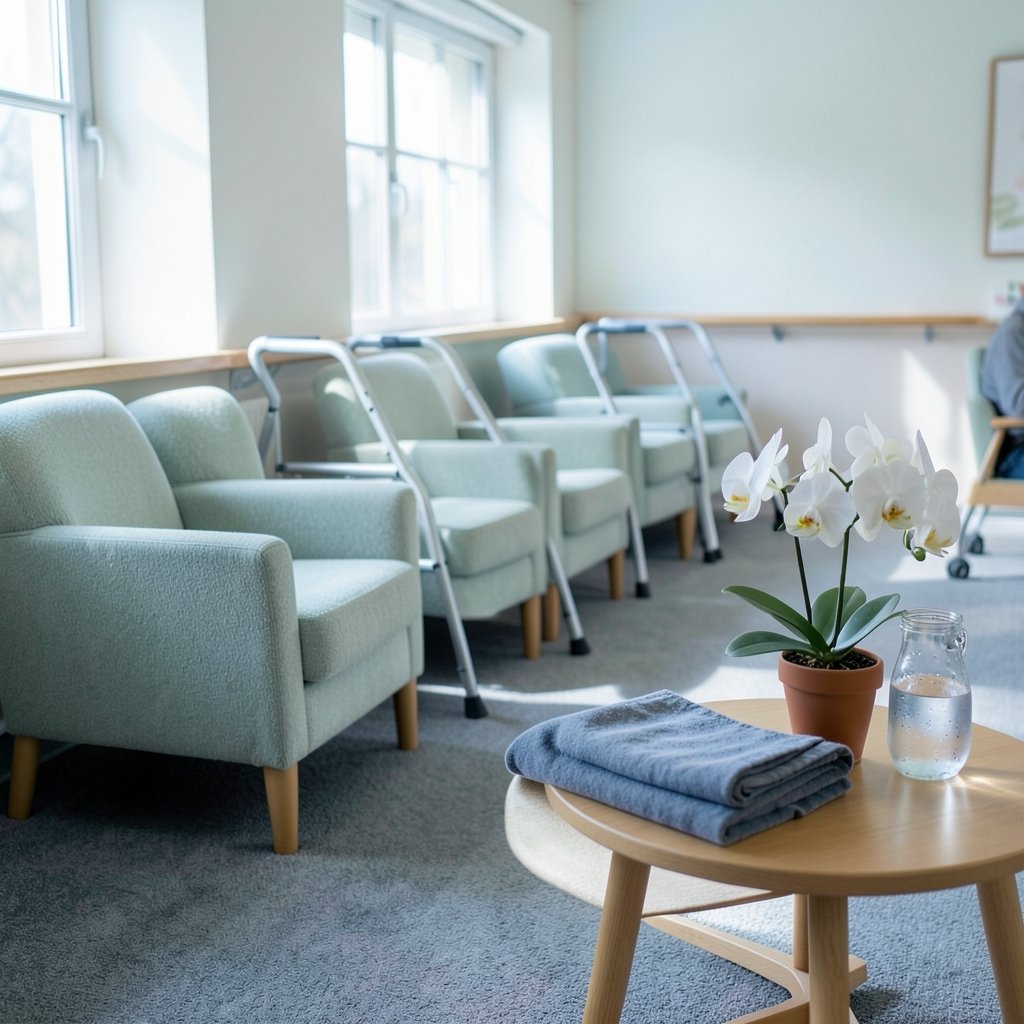
Most people picture a nursing home first. In practice, the bulk of aged care happens in the community. Home personal care services assist frail and homebound seniors in their own homes. Day care and rehabilitation centres give families a break while keeping seniors active. Active ageing centres focus on prevention and social connection rather than illness. Residential care sits at the heavier end, for people whose needs can no longer be met at home.
The practical takeaway is that families rarely need to choose between “home” and “home.” They usually need a combination that changes over time.
Why Demand Is Rising So Fast
The pressures driving aged care are demographic, not temporary. By 2026, Singapore is set to become a super aged country, meaning more than 21% of the population is 65 and above. The share of residents over 65 rose from about one in ten in 2010 to one in six by 2020, and is projected to reach one in four by 2030. Life expectancy sits among the highest in the world at 83.5 years.
Those numbers translate into concrete need. Around 100,000 seniors are expected to require help with at least one daily living activity by 2030. Nursing home capacity has been expanding in response, growing from 13,000 beds to 16,200 between 2016 and 2020, with plans to nearly double that figure. The direction is clear: more care will be delivered outside hospitals, closer to where people live.
The Four Services Families Use Most
When a family first reaches out, they usually encounter a confusing alphabet of acronyms. Four service types do most of the everyday work, and understanding them removes much of the guesswork.
| Service type | What it provides | Best suited to |
|---|---|---|
| Home personal care | Help with bathing, dressing, meals, medication and mobility at home | Frail or homebound seniors who want to stay put |
| Day care and rehabilitation | Supervised care, therapy and social activity during the day | Seniors who need structure but sleep at home |
| Active ageing centres | Exercise, classes and social connection | Fairly independent seniors at risk of isolation |
| Nursing homes | Residential nursing and personal care | Complex needs that home support cannot meet |
The challenge is that these services have historically grown in silos. Families were expected to piece them together themselves, which worked better when households were larger and seniors fewer. Now the opposite is true: families are smaller, seniors are more numerous, and needs shift back and forth between services as health changes.
Integration is the fix being pushed. Bringing the commonly used services together lets seniors move between them without falling through the cracks. For families, that means asking a blunt question early: who coordinates if my parent needs two of these at once?
How to Start the Conversation
The first conversation is usually the hardest. Many seniors resist the idea because they hear “care” as “loss of independence.” Reframing it works better. Help with cleaning or a lift to appointments is not a surrender of autonomy; it is a way to keep living at home longer.
A few practical habits help at this stage. Start with the smallest possible intervention, because a housekeeping service is easier to accept than a full care package. Involve the person in the choice of provider and schedule. And write things down, including medications, appointments and what has already been tried.
It also pays to look at the home itself before assuming a service will fix everything. Falls are often caused by the environment rather than the person. Loose rugs, poor lighting and clutter on stairs are fixable and cheap to address. For readers who are also managing a home full of small maintenance tasks, the same principle of steady upkeep applies elsewhere, whether that is keeping a money plant thriving or making sure a front loading washer’s drum keeps winning on water care. Small, regular attention beats a crisis.
Options for Ageing in the Community
Ageing in place is the phrase most families now hear first. The idea is simple: seniors stay in familiar surroundings, supported by services that come to them. Shared stay-in caregiving arrangements, where a trained caregiver lives with a senior, have moved from small pilot projects into a mainstream option. A good practice guide now exists for providers, clients and families, and providers can access support including work pass flexibilities and training subsidies to upskill their staff.
The appeal is obvious. Familiar surroundings reduce confusion, especially for people with dementia, and keep neighbours and routines intact. The trade-off is that home-based support is uneven. Some neighbourhoods have dense services; others have gaps. Home-based service provision is still less developed than centre-based care, and families should not assume a service exists just because it is advertised nationally.
There is also a practical limit. Home care works well for moderate needs. When someone needs frequent turning at night, complex wound care or constant supervision, a residential setting is safer, and pretending otherwise puts strain on everyone.
What Good Coordination Looks Like
The most useful development in aged care is not a new building. It is coordination. Older adults often face problems that are not purely medical, including social isolation, housing issues and difficulty navigating services. When health and community partners work as one team, outcomes improve.
A neighbourhood-level example from Queenstown shows how this works in practice. A blended care team brings healthcare and community partners together to deliver joined-up support for older residents, and the model has been recognised internationally for how well-coordinated care helps people more effectively. The lesson for families anywhere is to ask who is in charge of the whole picture rather than who handles a single appointment.
Residential facilities are moving in the same direction. Newer nursing homes are being co-located with polyclinics and senior care centres so that residents can see a doctor and join day activities without travelling. Others use a household concept, with better natural ventilation and wide activity areas, to give residents more privacy and autonomy. One recent facility in the east of Singapore combines a 171-bed nursing home with a polyclinic and senior care centre on one site.
What It Costs and Who Pays
Cost is where families most often get stuck, and it is also where general advice is least useful. Funding arrangements differ enormously between countries, and even within one country they depend on income, assets, care needs and the type of service chosen.
Rather than relying on a blog post, families should ask three questions directly to the provider and the relevant public agency. First, what is the full monthly cost, including extras such as consumables, transport and therapy? Second, what subsidy or assistance is available to us specifically? Third, what happens to the price if care needs increase?
A common mistake is comparing headline fees only. A home with a lower base rate may charge more for nursing, physiotherapy or incontinence supplies. Another is signing a long agreement before a trial stay. Short-term respite care exists precisely so families can test a setting before committing.
Care for the Caregiver
Aged care is usually delivered by family members first. Spouses, adult children and siblings provide the bulk of daily support, often while holding down jobs. That arrangement has a shelf life.
Burnout is the quiet failure mode. It shows up as exhaustion, resentment, missed work and, eventually, a health crisis in the caregiver. Respite care, day programmes and shared caregiving arrangements exist to interrupt that cycle before it breaks.
Practical habits that help:
- Build a written rota so one person is not always on call.
- Learn the physical techniques for lifting and moving, because backs fail early.
- Accept help from neighbours and friends before you need it urgently.
- Book time off that is genuinely off, not “off but checking the phone.”
For families supporting someone with a daily routine, the same discipline that makes daily in-home care in Indian River County workable applies anywhere: consistency, clear handovers and a schedule everyone can see.
The Small Skills That Make Home Care Safer
Many aged care problems are solved by unglamorous competence rather than money. Learning to read the care instructions on clothing, for instance, prevents ruined garments and unnecessary replacement costs, and the clothing wash care symbols on each label are worth ten minutes of study. Similarly, understanding what the phrase about candlewicking ears really means helps families avoid unsafe ear-cleaning habits that send seniors to clinics.
Households that keep animals often find them a source of real comfort for older adults, but they add work. New owners benefit from reading horse care essentials for the first year before taking on a large animal, and plant lovers can keep a Chinese money plant in shape without it going leggy with modest effort. None of this is aged care in the clinical sense. All of it is the texture of a well-run home, which is exactly where most care happens.
Conclusion
Aged care works best when it is arranged early, in small steps, and with one person clearly responsible for the whole picture. Families who wait for a crisis usually end up choosing in a hurry, often paying more and settling for a setting that does not fit. Families who start with a single service, ask who coordinates, and check the real cost before signing anything tend to keep more options open for longer. The system is complex, and it is changing fast. The families who do best are not the ones who understand every acronym. They are the ones who ask good questions and keep asking them as needs shift.
Frequently Asked Questions
What is the difference between aged care and home care?
Home care is one part of aged care. Aged care is the umbrella term covering all support for older adults, including home personal care, day care, rehabilitation, active ageing programmes and residential nursing homes. Home care specifically means services delivered in the person’s own home.
How do families know when it is time to arrange aged care?
The usual signals are missed medication, unsteady walking, weight loss, unpaid bills, isolation or a recent fall. A single signal may just need a small fix. Two or more together usually mean it is time for a proper assessment rather than another workaround.
Can seniors stay at home instead of moving into a nursing home?
Often, yes. Home personal care, day programmes and shared stay-in caregiving arrangements allow many seniors to remain at home. The limit is usually clinical: frequent night-time supervision, complex wound care or advanced dementia may make a residential setting safer.
Who coordinates care when a senior uses several services?
This is the question families should ask first. Services have historically operated separately, which left families to coordinate themselves. Integrated models now bring health and community partners together, so ask each provider directly who holds overall responsibility for the person’s plan.
How much does aged care cost?
Costs vary widely by country, service type and the person’s assessed needs, and they change over time. Rather than relying on general figures, ask providers for the full monthly cost including extras, ask the relevant public agency what subsidy applies to your situation, and confirm what happens to pricing if needs increase.
What support exists for family caregivers?
Respite care, day programmes and shared caregiving arrangements are the main options. They exist to prevent caregiver burnout, which is the most common reason home arrangements collapse. Building a written rota and learning safe lifting techniques early makes a significant difference.