
A loved one who is struggling with meals, medication routines, or household tasks may be able to remain at home with daily in-home care in Indian River County. Families often balance safety, independence, and changing daily needs while deciding what help could support a loved one’s quality of life. Support can range from everyday assistance to home health care, which means medically necessary skilled services delivered at home, distinct from help with everyday tasks alone.
The right kind of help depends on what your family member can manage and what they want to keep doing. Some people need support at certain times, while others may benefit from regular visits or added supervision. A clear picture of daily needs can help you discuss useful options with your family and care team.
Key Takeaways
- Start with the tasks that have become hard to manage.
- Everyday assistance and skilled home health care serve different needs.
- Local options can support meals, safety, and family caregivers.
- Care needs may change over time, so keep the conversation open.
- Start by identifying the daily tasks that have become difficult and the times of day when help would matter most.
How Daily In Home Care Indian River County Supports Everyday Needs
Senior Resource Association’s in-home support ranges from help with daily tasks to services that add meals, supervision, or caregiver relief. Everyday support can help an older adult stay connected to familiar routines while family members manage work and other duties.
Senior Resource Association is Indian River County’s lead agency for in-home and community-based senior services. Its local care services can address practical needs without being the same as skilled home health care.
Hands-on and household assistance
Homemaking can help with routine household tasks that have become difficult, such as keeping living areas tidy. Medication management supports a person’s medication routine, while personal care can help with activities daily living, such as bathing, dressing, and grooming.
Respite care gives family caregivers time away from their duties. The type and timing of support should reflect what the person wants and can safely do on their own. A familiar routine can make it easier to accept help without feeling that every task has changed.
In-home care options may also include companionship and help with daily activities, though services differ by provider and location.
Meals, respite, and added safety support
Meals On Wheels delivers hot meals to seniors’ homes. Temporary meal service is also available after inpatient care, when returning home can make meal preparation harder.
DayAway adult daycare offers activities and a social setting for people who can no longer stay home alone. Emergency Alert Response provides 24/7 monitoring for people at risk of falls or health crises.
These changes can prompt a family conversation about whether more daily help could be useful:
- Medication doses are missed.
- Meals are left untouched.
- Personal hygiene is declining.
- Appointments are missed.
- Household tasks are piling up.
These signs are prompts for a family conversation, not a diagnosis.
For example, untouched meals might reflect a new food preference, trouble opening containers, or a change in appetite. Discuss any change in medication or personal-care needs with the person’s health care provider.

Will Medicare or Florida Medicaid Pay for Home Care?
Medicare may cover qualifying skilled home health care, but it does not pay for round-the-clock care or help with household tasks alone. Medicare’s home health benefit is limited to part-time or intermittent skilled care. It is not a general benefit for daily custodial support.
Home health care means medically necessary skilled services delivered at home, such as skilled nursing. Medicare may cover part-time or intermittent aide care only when you also receive skilled nursing or qualifying therapy. The coverage rules differ from those for Florida Medicaid.
Medicare home health services require part-time or intermittent skilled care, meeting Medicare’s homebound criteria, an in-person assessment and care order, and care from a Medicare-certified agency. Medicare does not cover 24-hour care, meal delivery, homemaking unrelated to the care plan, or custodial personal care as the only care needed.
Florida Medicaid may cover medically necessary home health visits, including skilled nursing and home health aide services, for recipients of any age. The applicable coverage policy sets the criteria, and services cannot duplicate another service.
| Program | Possible covered services | Eligibility and limits |
|---|---|---|
| Medicare home health | Part-time or intermittent skilled nursing; qualifying therapy; aide care with skilled nursing or qualifying therapy | Homebound criteria; in-person assessment and care order; Medicare-certified agency; no 24-hour care, meal delivery, unrelated homemaking, or custodial care alone |
| Florida Medicaid home health | Medically necessary skilled nursing and home health aide visits | Coverage policy applies; no duplicate services; up to 3 intermittent visits daily for non-pregnant adults 21 and older; up to 4 for people under 21 and pregnant adults 21 and older |
| Statewide Medicaid Managed Care Long-Term Care | Personal care, adult day care, meals, skilled nursing visits, therapy, respite, medical rides, and care coordination | Florida residents age 18 or older must meet nursing-facility level-of-care and Medicaid financial rules; plan coverage varies |
Florida’s Department of Children and Families evaluates financial eligibility for the Long-Term Care program. Florida Medicaid home health visit limits depend on age and pregnancy status, as shown above.

Ask the health care provider and the relevant Medicaid plan to confirm eligibility and covered services before arranging paid care.
How Do You Arrange Care and Transportation?
For skilled home health care, begin with a health care provider who can assess the need and issue the required order. Skilled services in Florida require a doctor-signed treatment order and a plan of care that explains how services will be provided.
Senior Resource Association’s community services are not the same as Medicare-certified home health care. They serve different needs, so choose a provider based on the kind of help the older adult needs.
Setting up skilled home health care
The patient has the right to take part in care planning and request a copy of the plan. That gives you a way to see which services the team plans to provide and how they fit the person’s needs.
You can take part in planning skilled home health care and request a copy of the plan of care.
FloridaHealthFinder’s Facility Locator lets you search home health providers by county served. You can also check whether an agency is Medicare-certified or Medicaid-certified using the FloridaHealthFinder facility search.
Florida home health agency orders must include a doctor-signed treatment order and a plan of care. Check the county served, since an agency’s service area can affect whether it can reach your home.
Choosing a ride option
GoLine runs 14 fixed routes on ADA-accessible buses in Indian River County. Rides are free for people of all ages, so check whether a route reaches the needed destination and fits the appointment time.
Senior Resource Association’s Community Coach offers door-to-door rides for qualified older adults, including people who use mobility aids. Senior Resource Association is also Indian River County’s designated Community Transportation Coordinator for the Disadvantaged.
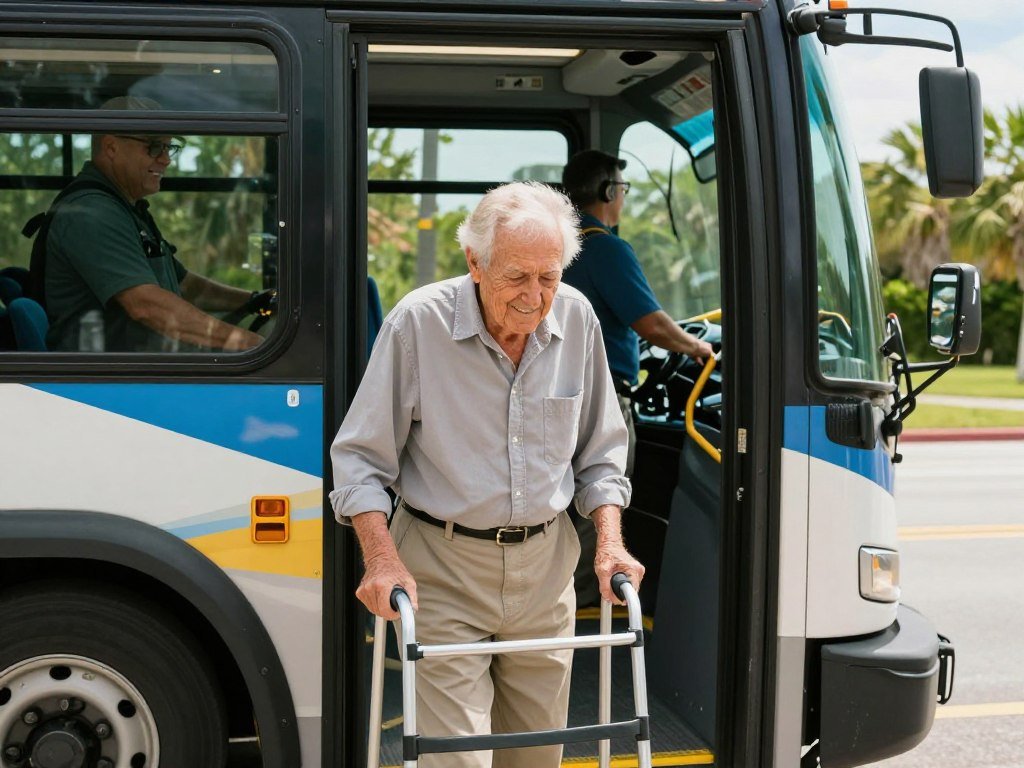
Confirm whether the rider qualifies for Community Coach service or can use a GoLine route before setting the appointment.
Conclusion
A useful care plan begins with the tasks the older adult wants help with and the support they are eligible to receive. Your family can start by noting what the person wants to keep doing, where support would help, and whether those needs call for nonmedical assistance, skilled home health care, or both.
Needs may shift, so keep the older adult involved as you consider local choices. Senior Resource Association can discuss available options in Indian River County, though eligibility and service start dates depend on the program. Contact Senior Resource Association to discuss which local option may fit your loved one’s needs.
FAQ
What services are available for elderly people in Florida?
In Indian River County, older adults can get homemaking, medication management, personal care, respite, and meal delivery. Senior Resource Association also offers DayAway adult day activities and Emergency Alert Response monitoring. Transportation options include GoLine fixed routes and Community Coach rides for qualified older adults. Services depend on the person’s needs and eligibility.
How to get home health care?
Start with a health care provider’s in-person assessment and order for skilled care. Florida home health agencies need a doctor-signed treatment order and a plan of care. Then use FloridaHealthFinder to search by county served and check Medicare or Medicaid certification. The patient can take part in care planning and ask for a copy of the plan.
What is home health care?
Home health care is medically necessary skilled service delivered at home, such as skilled nursing or qualifying therapy. It differs from household help, meal preparation, and custodial personal care alone. Those everyday supports can help with daily tasks, but they do not become skilled care unless a qualified provider determines that skilled services are needed.
Does Florida have in-home support services?
Yes, Florida has in-home support services, including local options from Senior Resource Association in Indian River County. These can include homemaking, medication management, personal care, and respite. Meal delivery, adult day activities, and emergency monitoring are also available locally. These nonmedical services differ from skilled home health care, which requires medical need and a provider’s order.
How much does a live-in caregiver get paid per day in Florida?
A broad private-pay planning estimate for live-in care in Florida is about $250-$400 per day. That is a family’s possible service cost, not necessarily the caregiver’s take-home pay. The arrangement can change with the number of care hours and whether the caregiver must stay awake overnight. Confirm the schedule and duties before agreeing on a rate.
How much does a home health aide cost per hour in Florida?
A broad private-pay planning estimate for a home health aide in Florida is about $25-$35 per hour. The rate can change based on location, shift length, and the care needs involved. Ask for the full rate and schedule details before services begin. The same estimate answers how much you should plan to pay for an aide.
Does Medicare pay for home care in Florida?
Medicare may cover part-time or intermittent skilled nursing and qualifying aide care when you meet its eligibility rules. Aide care must come with skilled nursing or qualifying therapy. Medicare does not cover 24-hour care, meals, homemaking unrelated to the care plan, or custodial personal care alone. Daily household support is not a general Medicare home health benefit.
Can my wife take care of me and get paid for it?
Payment is not automatic when a wife cares for her spouse. Medicare does not cover custodial personal care when that is the only care needed. Florida’s Statewide Medicaid Managed Care Long-Term Care program may offer some personal care options, but spouse eligibility and plan rules matter. Contact the relevant plan to ask whether a spouse can be paid under its terms.



