What happens when a company decides to celebrate a birthday by rebuilding almost everything it sells? That’s the strange, ambitious situation Apple appears to have engineered for 2027, a year that insiders are already calling the company’s biggest product cycle ever. Between a twentieth-anniversary iPhone, a foldable phone line, AI glasses, and a tablet and laptop refresh, the rumor mill is working overtime. Samsung, meanwhile, has its own plans to crash the party. Here’s a grounded breakdown of what’s reportedly on the table, what it means for buyers, and where the hype ends and the hardware begins.
Why 2027 Became Apple’s Biggest Launch Year
The short answer is timing. The original iPhone shipped in 2007, which makes 2027 the twentieth anniversary of the device that reshaped the smartphone industry. Apple is reportedly treating that milestone as a reason to overhaul its entire lineup rather than push out another incremental update.
The scale of the rumored roadmap is genuinely unusual. Reports circulating in November 2026 suggest Apple could launch as many as 18 new products across every category, spanning phones, tablets, computers, wearables, and home devices. Some coverage has pushed the estimate even higher, with one report describing a list of roughly 26 devices. Either way, the message is the same: this isn’t a normal refresh cycle.
The most quotable framing comes from Bloomberg reporter Mark Gurman, who reportedly told an interviewer in mid-2026 that 2027 would be “Apple’s biggest product year in its history.” That’s a bold claim from a journalist who has covered the company for years, and it sets expectations that will be hard to meet.
The iPhone Lineup: Six Models, Three Tiers
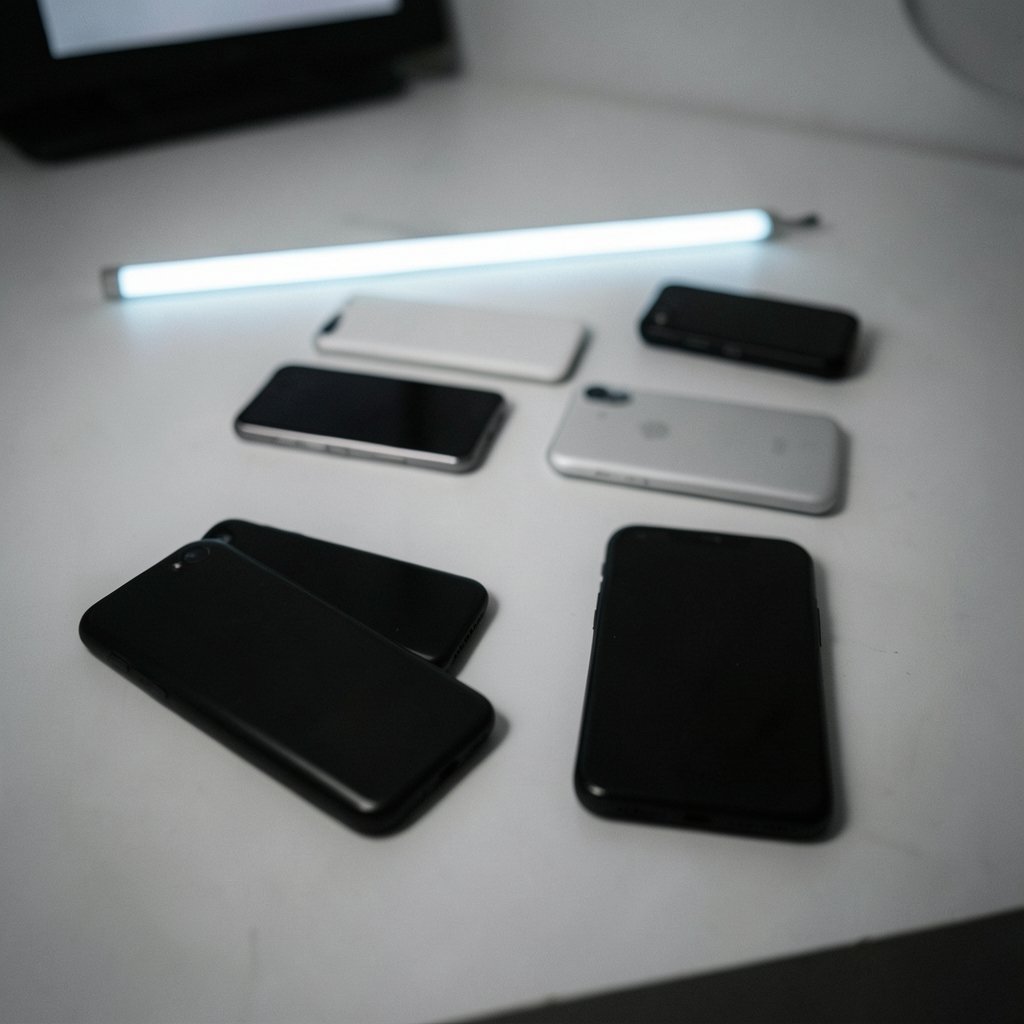
The iPhone story is the most complicated part of the year, because Apple appears to be splitting its release schedule rather than announcing everything in September.
A Split Launch Calendar
Reports indicate the iPhone 18 and a second-generation iPhone Air could arrive as early as March 2027, with display suppliers Samsung and LG gearing up OLED production in late 2026 and early 2027 to make that happen. The higher-end Pro models and the first foldable iPhone, sometimes referred to as the iPhone Duo, are expected to land earlier in the fall 2026 window instead.
That reshuffling matters for buyers. If you’re planning an upgrade, the old rule of “wait for September” no longer applies cleanly, because the September event may not include the models you actually want.
What Each Tier Reportedly Offers
| Model | Reported Positioning | Reported Chip or Feature |
|---|---|---|
| iPhone 18e | Entry level | A20 chip, 9GB RAM |
| iPhone 18 | Mainstream | A20 chip, 9GB RAM, battery focus |
| iPhone Air 2 | Ultra-thin | Samsung as sole OLED supplier |
| iPhone 19 / 19 Pro | High end | New design language |
| iPhone 20 anniversary edition | Collector flagship | Redesigned form factor |
| Foldable iPhone | New category | Book-style foldable |
The entry-level models are said to focus less on raw speed and more on battery life and efficiency, which is a sensible bet for people who keep phones for four or five years. The anniversary edition, meanwhile, is expected to bring the biggest visual change to the iPhone in years, reportedly moving away from the flat-sided design that has defined the line since the iPhone 12.
That flat-edge critique is worth pausing on. Plenty of longtime users have complained that flat sides make larger phones uncomfortable to hold, and a design reset in 2027 would be a direct response to that feedback.
The Foldable Question Finally Gets an Answer
Apple has watched Samsung build a foldable business for years without responding directly. That patience appears to be ending. When unfolded, the rumored foldable iPhone is said to resemble a small iPad, which suggests Apple is targeting productivity and media consumption rather than novelty.
If that sounds familiar, it’s because the playbook belongs to Samsung. Which brings us to the other half of this story.
Samsung’s Counterpunch: Six Foldables in One Year
Samsung is reportedly preparing its largest foldable lineup ever for 2027, with as many as six devices on the table. The rumored list includes a Galaxy Z TriFold 2, a mysterious Galaxy Z Slide, a Z Fold 9 Ultra, a Z Fold 9 Pro, a standard Z Fold 9, and a Z Flip 9.
The Z Slide name is the intriguing one. A sliding form factor would be a genuinely different mechanical approach, somewhere between a foldable and a rollable display. Whether it ships as described or gets quietly renamed is an open question, since early leaks about experimental form factors often shift before launch.
What’s clear is the strategy: Samsung wants to own the foldable conversation in the same year Apple enters it. For shoppers, that competition should be good news, since it tends to push prices down and push durability improvements faster.
Beyond Phones: Glasses, Cameras in Your Ears, and Touchscreen Macs
The most interesting rumors sit outside the phone category entirely.
Apple’s First AI Glasses
Apple is reportedly preparing its first smart glasses as a competitor to Meta’s Ray-Ban line. Smart glasses carry the most uncertainty among product categories: demos have looked good for years, while real-world use has disappointed. Battery life, weight, and social acceptability are unsolved problems across the industry, including at Apple.
AirPods With Cameras
Yes, cameras. Reports describe AirPods equipped with camera sensors, which would open up environmental awareness features for Siri and other AI tools. It sounds strange until you consider that earbuds already sit at ear level with a decent view of the world. The privacy implications, though, will be substantial, and how Apple handles them could define the product’s reception.
Macs and iPads Get an M7 Refresh
On more conventional ground, Apple is reportedly readying four new iPad Pro models and an entry-level MacBook Pro, possibly identified internally as K104, for the first half of 2027. The M7 chip is expected to debut in that same window.
An affordable MacBook Pro is a notable shift. Apple’s pro laptop line has crept upward in price over the years, so a more accessible model could bring new buyers into the ecosystem. For anyone weighing whether a premium AI subscription is worth bundling with new hardware, the ChatGPT Plus worth it breakdown is a useful reality check before you commit to another monthly charge.
What This Means If You’re Buying in 2027
Rumors are fun, but purchase decisions need a practical frame. A few patterns are worth keeping in mind.
Wait if you can. A year this crowded with launches means prices on 2026 models will likely soften. Early adopters usually pay a premium for first-generation form factors, and foldables are the clearest example.
First-gen hardware carries risk. The foldable iPhone, the AI glasses, and camera-equipped AirPods would all be debut products. History suggests waiting for the second generation on any brand-new category.
Software matters as much as specs. A new chip means little without software that uses it. If you’re comparing AI features across devices, the 10 best AI chatbots compared gives a clearer picture of what’s actually under the hood than most spec sheets.
Check the calendar, not the keynote. With Apple splitting its release schedule, the launch event you remember may not be the one that includes your preferred model.
Common Mistakes People Make With Launch-Year Hype
A few traps show up every single cycle, and 2027’s noise level makes them more likely.
- Treating leaks as announcements. Supply-chain reports about OLED production timelines are credible signals. A single cryptic post about a “Galaxy Z Slide” is not.
- Assuming every rumored product ships. Companies prototype far more than they release. Some of the 18 to 26 devices in circulation will never see a store shelf.
- Ignoring the boring upgrades. Battery life and efficiency improvements rarely make headlines, but they’re what most people actually notice day to day.
- Buying at launch for the discount that never comes. Launch pricing is almost always the highest price a device will carry.
- Forgetting accessory and repair costs. New form factors mean new cases, new screen repair prices, and sometimes new warranty terms.
The Practical Side: What Actually Works
If there’s one lesson from previous launch cycles, it’s that the products people end up loving are rarely the ones with the loudest rumors. The iterative improvements tend to win.
There’s also a productivity angle worth considering. A year packed with new hardware often arrives alongside a wave of new software tools, and sorting the genuinely useful ones from the noise takes effort. Roundups like this guide to the best AI tools for productivity can save hours of trial and error, especially if you’re pairing a new device with a new workflow.
For anyone building or selling products rather than just buying them, launch years are also a marketing opportunity. New hardware categories create new demand for content, and teams preparing for the wave may find the best AI product description generators for e-commerce genuinely useful when cataloging accessories and compatible devices.
The Bigger Picture: A Year That Resets Expectations
Strip away the specific model names and a clearer story emerges. 2027 looks like the year the major hardware players stop playing it safe.
Apple is reportedly betting on a design reset, a new product category in glasses, and its first foldable, all in the same twelve months. Samsung is answering with the widest foldable lineup it has ever attempted. Even the more conventional updates, like the M7 chip and the new iPad Pro models, are landing in a compressed window that will make the first half of the year unusually busy.
The risk is obvious. When you promise the biggest product year in company history, anything short of a genuine leap feels like a letdown. The upside is equally obvious: competition between Apple and Samsung in foldables, wearables, and AI hardware should produce better devices at better prices than either company would deliver alone.
Conclusion
2027 is shaping up as a genuine turning point rather than another routine refresh cycle. The twentieth anniversary of the iPhone gives Apple a narrative reason to overhaul its design language, and the rumored roadmap stretches well beyond phones into glasses, camera-equipped earbuds, and a more affordable MacBook Pro. Samsung’s reported six-foldable lineup ensures the company won’t have the foldable conversation to itself.
For buyers, the sensible approach is patience mixed with skepticism. Track the supply-chain signals, treat single-source leaks as entertainment, and plan around the split release calendar rather than the traditional September window. The most exciting launches rarely reward the people who buy on day one. They reward the ones who wait, compare, and pick the device that fits how they actually live.
FAQ
When is the iPhone 18 expected to launch?
Reports point to March 2027 for the iPhone 18 and iPhone Air 2, based on OLED panel production schedules from Samsung and LG. The Pro models and the foldable iPhone are expected to arrive earlier, in the fall 2026 window.
Will Apple release a foldable iPhone in 2027?
A foldable iPhone is widely expected, though timing reports vary. Some coverage places it in fall 2026, while other reports group it with the broader 2027 product wave. Either way, it would be Apple’s first entry into the foldable category.
How many products is Apple expected to launch in 2027?
Estimates range widely. One report describes roughly 18 new products across all categories, while another cites a list of about 26 devices. Both figures should be treated as rumors rather than confirmed plans.
What is the Galaxy Z Slide?
The Galaxy Z Slide is a rumored Samsung device with a sliding form factor, reportedly part of a six-phone foldable lineup for 2027. Details are scarce, and the name or design could change before any official announcement.
Are Apple’s AI glasses confirmed?
No. Smart glasses are among the most frequently reported 2027 rumors, positioned as a competitor to Meta’s Ray-Ban line, but nothing has been officially announced. Battery life and weight remain significant engineering challenges for the category.
Should I wait for 2027 devices or buy now?
It depends on urgency. If your current device works, waiting gives you access to redesigned models and likely discounts on 2026 hardware. If you need a replacement immediately, buying a mature current-generation device is usually the lower-risk choice than gambling on first-generation hardware.