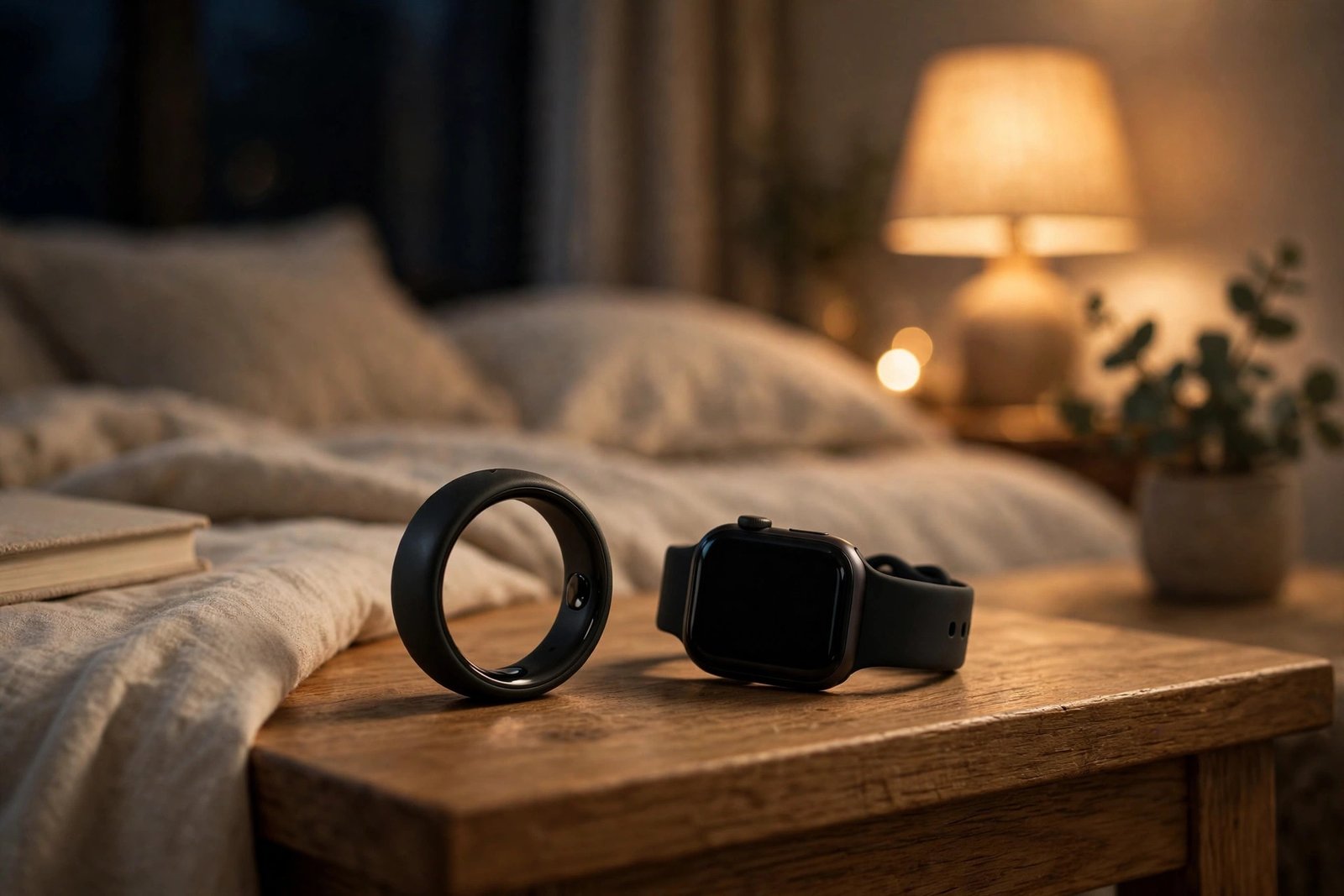
The best sleep trackers in 2027 do more than count the hours you spend in bed. They show how long you actually sleep, how often you wake, and whether your resting heart rate and breathing look steady through the night. The right one for you depends on a simple question: will you wear something on your wrist, on your finger, or nothing at all? A ring suits light sleepers who hate wristbands, a watch suits people who want one device for day and night, and a mat suits anyone who refuses to wear anything to bed.
That choice matters more than any single sensor. The most accurate tracker in the world is useless if it ends up on the bedside table by midnight, and the simplest tracker you wear every night will teach you more than a clever one you abandon after a week. This guide compares the leading watches, rings and mats on comfort, battery life, subscription costs and how useful their sleep reports really are. Prices vary by retailer and change often, so check the current price before buying.
Key takeaways
- Comfort decides everything: a tracker you wear every night beats a more capable one you take off.
- Rings are best for light sleepers; watches suit all-day tracking; mats suit people who wear nothing to bed.
- Most sleep scores are estimates built from heart rate and movement, not medical measurements.
- Check the subscription: several leading trackers charge monthly for their full sleep reports.
- Look at weekly trends, not single nights, when judging whether your sleep is improving.
How sleep trackers actually work
Almost every consumer sleep tracker estimates sleep from a combination of movement and heart rate. When you lie still and your heart rate drops, the device infers that you are asleep; changes in heart rate variability and movement help it guess whether you are in light, deep or REM sleep. That is a useful picture of your night, but it is not the same as a clinical sleep study, which measures brain waves directly. Treat sleep stages as informed estimates and focus on the big patterns: total sleep time, consistency of bedtime, and how often you wake.
Heart rate and breathing rate are the most reliable numbers a tracker gives you. A steady resting heart rate that drifts lower over weeks of better sleep is a genuine sign of recovery, and a sudden rise can flag illness, stress or a heavy evening. Sleep scores combine these signals into one number, which is handy for a quick glance but hides the detail. The best apps let you see the raw numbers behind the score, so check that before you buy.
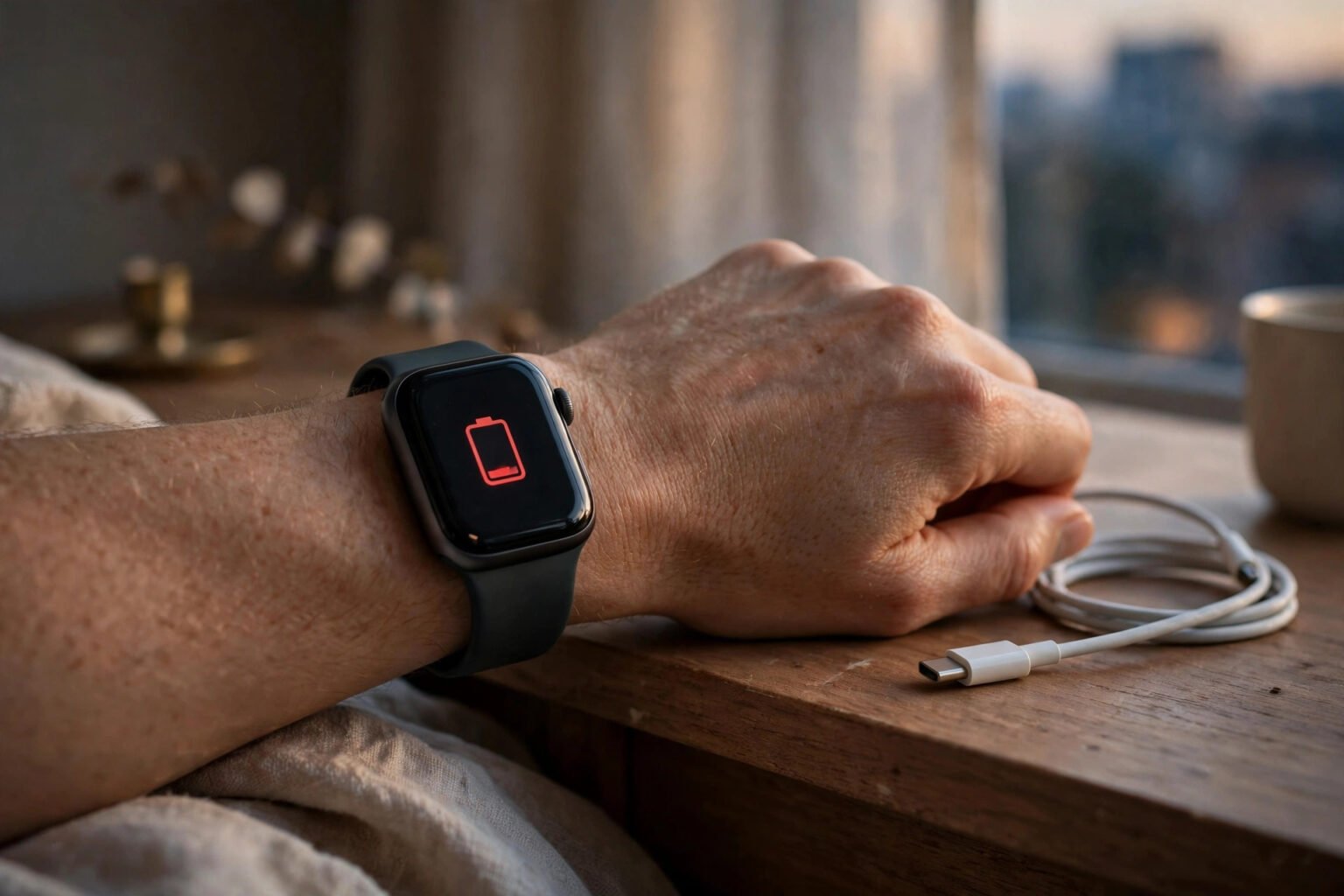
Battery life shapes the habit. A watch that needs charging every night cannot track sleep unless you charge it during the day, which many people forget. Rings and mats last far longer between charges — rings typically run for several days, and mats plug into the wall and never need charging at all. If you choose a watch, look for one that charges quickly or lasts several days.
The best sleep trackers in 2027
Oura Ring 4
Best for: light sleepers who want detailed sleep data without anything on their wrist.
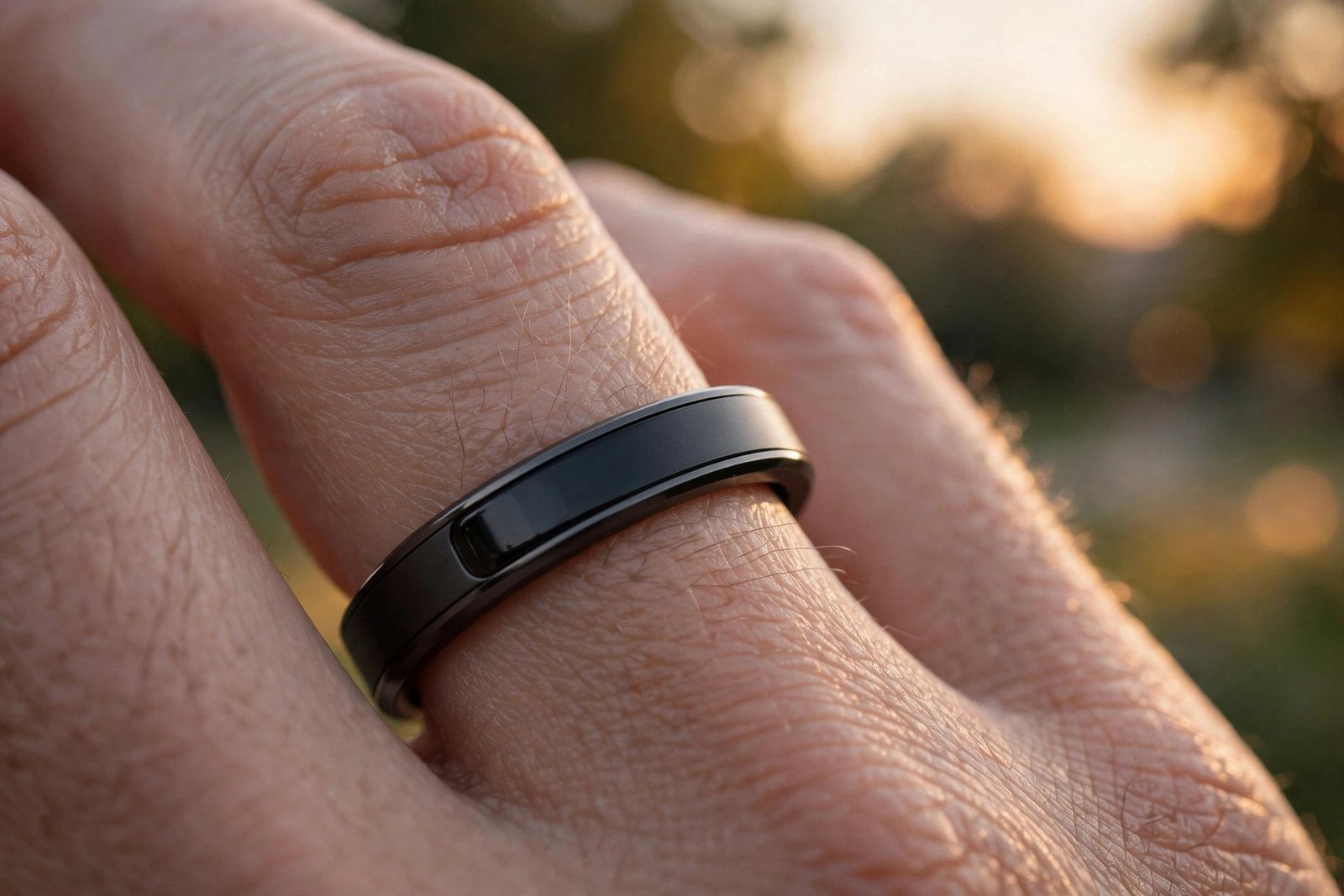
The Oura Ring 4 is a slim titanium ring that tracks sleep stages, heart rate, heart rate variability, breathing and body temperature trends. It is the least intrusive tracker you can buy: no screen, no buzzing, nothing to catch on bedding. The companion app turns the data into a daily readiness score and clear sleep reports. The catch is the subscription, which is needed for the full range of insights, and the ring must be sized correctly, so use the free sizing kit before ordering. Check the current price, as it varies by finish.
Whoop 4.0
Best for: people who want recovery and strain scores and do not mind a monthly subscription.
Whoop takes a different approach: there is no screen at all, and the band tracks heart rate, heart rate variability, sleep and strain around the clock. Its sleep coaching tells you how much sleep you need based on the day’s strain, which is genuinely useful if you train hard or work long hours. The hardware itself is often bundled with membership, so the real cost is the monthly subscription rather than the device. If you dislike subscriptions, look elsewhere; if you want coaching rather than raw data, Whoop is hard to beat.
Apple Watch SE (2nd generation)
Best for: iPhone owners who want sleep tracking plus a full smartwatch for the daytime.
The Apple Watch tracks sleep stages, heart rate and breathing, and presents the results in the Health app alongside everything else it measures. Its strength is convenience: one device covers steps, workouts, notifications and sleep, with no extra subscription for the core sleep features. The weakness is battery life, since the watch needs charging most days, so you must build a daytime charging habit. If you already wear an Apple Watch, its sleep tracking is good enough that you may not need a separate device at all.
Withings Sleep Analyzer
Best for: anyone who refuses to wear a tracker to bed but still wants nightly data.
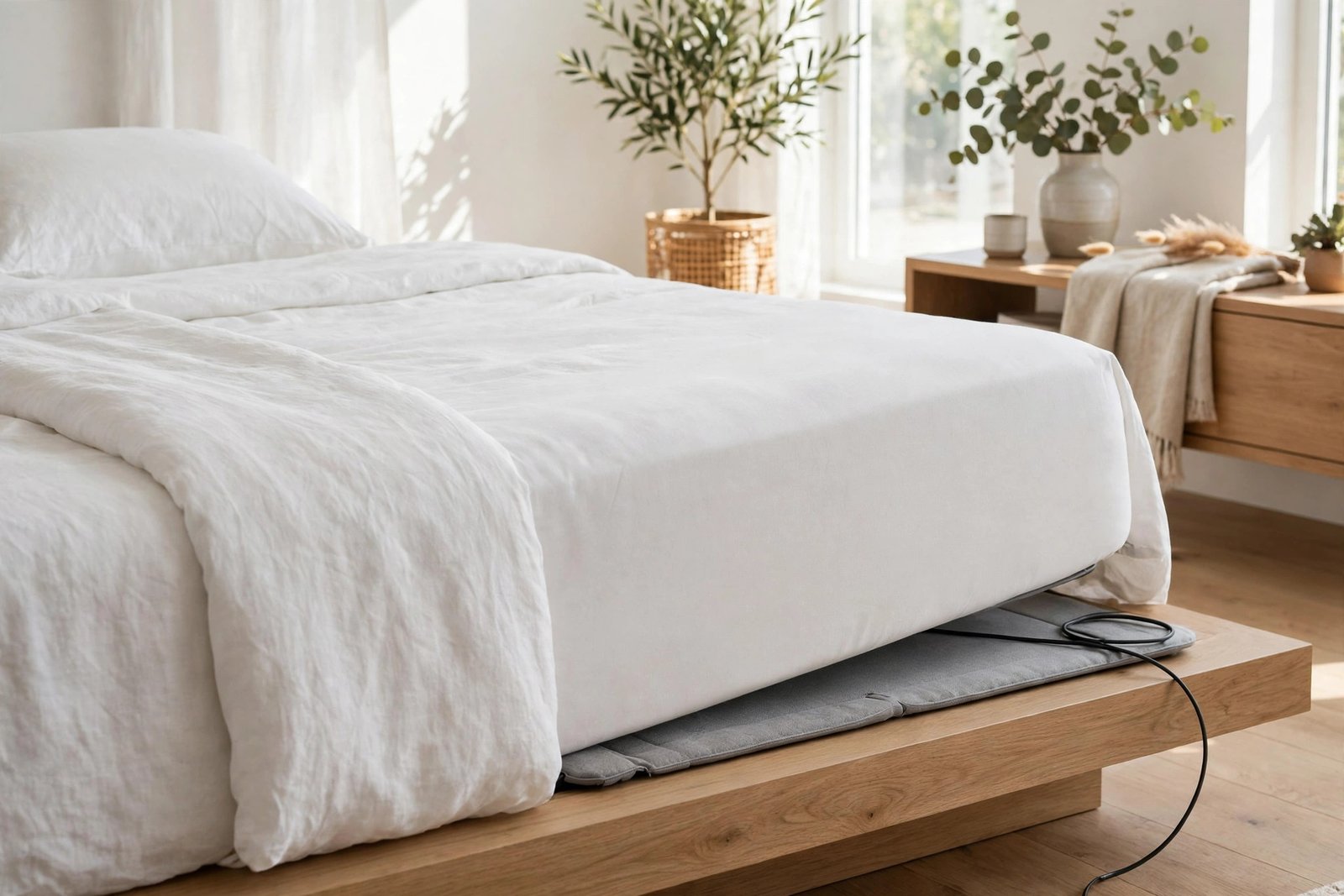
The Withings Sleep Analyzer is a thin mat that slides under your mattress and tracks sleep cycles, heart rate, breathing and snoring, with no wearable and nothing to charge. It also screens for signs of sleep apnoea, which is a genuinely valuable feature for people who snore heavily or wake unrefreshed. The trade-off is that it only works in your own bed, so it tells you nothing about naps or nights away. For couples, each side of the bed needs its own mat. If your bed is where all your sleep happens, this is the simplest option of all.
Best sleep trackers compared
| Tracker | Type | Best for | Battery / charging | Subscription needed |
|---|---|---|---|---|
| Oura Ring 4 | Ring | Light sleepers, no wristband | Several days | Yes, for full insights |
| Whoop 4.0 | Band | Recovery and sleep coaching | Several days | Yes, membership |
| Apple Watch SE (2nd generation) | Watch | iPhone owners, all-day use | About a day | No, for core features |
| Withings Sleep Analyzer | Mat | No wearable at all | Plugs into the wall | No |
Table: watches, rings and mats compared on the factors that decide whether you will still be using them in three months.
Choosing the right type: a short decision framework
- Do you hate wearing things to bed? Choose a mat. It is the only option with nothing on your body.
- Do you already wear a smartwatch all day? Use its sleep tracking first. It costs nothing extra and the data is good enough for most people.
- Do you want the most detailed sleep reports? Choose a ring, and accept the subscription as part of the price.
- Do you train hard or work irregular hours? A coaching-focused band such as Whoop turns your data into a clear sleep target each night.
- Do you snore or wake up tired? A mat with apnoea screening, or a conversation with your doctor, matters more than any sleep score.
Before spending money, try the free option: most smartphones and smartwatches already track basic sleep, and a week of that data will tell you whether you need more detail. If you go further, our guide to the best fitness trackers for seniors covers daytime tracking with large, readable displays, and our step-by-step guide on how to track sleep with Apple Watch shows how to set it up properly. If you want to read the research behind sleep science, our guide on how to use AI to summarise long PDFs and research papers shows how to get through long papers quickly.
Frequently asked questions
Are sleep trackers accurate?
They are reasonably accurate for total sleep time and wake-ups, and less precise for sleep stages. Treat the stage breakdown as an estimate and pay more attention to trends in total sleep, bedtime consistency and resting heart rate.
Do I need to pay a subscription for sleep tracking?
It depends on the device. Apple Watch and Withings include core sleep features without a subscription. Oura and Whoop need one for their full reports, so add the yearly cost to the purchase price before deciding.
Can a sleep tracker diagnose sleep apnoea?
No consumer tracker can diagnose sleep apnoea, though some, such as the Withings mat, can flag signs that warrant a medical check. Loud snoring, gasping or waking unrefreshed are reasons to speak to your doctor regardless of what a tracker says.
Is it safe to wear a tracker every night?
For most people, yes. If the band irritates your skin, loosen it, clean it regularly, or switch to a mat. Anyone with a medical device such as a pacemaker should check with their doctor before using a tracker with certain sensors.
Which sleep tracker is best for couples?
Mats work per side of the bed, so each partner needs one. Rings and watches track individuals, so they are simpler for couples, though two subscriptions can add up.
The bottom line
The best sleep tracker in 2027 is the one that fits how you sleep. If you wear a watch all day, start there — it costs nothing extra. If wristbands keep you awake, a ring gives you detailed data with nothing on your wrist. And if you want nothing on your body at all, a mat under the mattress is the most invisible option. Whichever you choose, give it two weeks, look at the weekly pattern rather than single nights, and act on the one change that helps most people: a regular bedtime. That single habit will do more for your sleep than any sensor ever will.