The best screen protectors for iPhone 17 keep a costly screen free of scratches and cracks without spoiling the display you paid for. A good tempered glass protector absorbs the impact of a drop, resists scratches from keys and sand, and feels almost identical to the bare screen. For most iPhone 17 owners, the Spigen Glas.tR EZ Fit is the best all-round choice, the Belkin UltraGlass is the best premium option, and the ESR Armorite is the best value pick.
The right protector depends on how you use your phone. A commuter who reads on a train may want a privacy screen, a photographer who works outdoors may want anti-glare, and a parent who hands a phone to children may want the toughest glass available. Fitting matters too: a protector that goes on crooked or traps dust is worse than no protector at all, so the best products include an alignment tray that makes fitting simple. This guide compares the leading options on clarity, toughness, fit and ease of fitting.
We focus on protectors made specifically for the iPhone 17, not for the iPhone 17 Pro or Pro Max, because the models have different screen sizes and camera layouts. A protector for the wrong model will not fit, so confirm the exact model before you order.
Key takeaways
- Spigen Glas.tR EZ Fit is the best all-round screen protector for iPhone 17.
- Belkin UltraGlass is the best premium protector, with excellent clarity and toughness.
- ESR Armorite is the best value protector, with a good alignment tray and solid protection.
- Choose tempered glass for the best feel and drop protection; choose a film only if you need a special finish.
- An alignment tray is worth paying for, because it makes fitting easy and bubble-free.
What makes a good iPhone 17 screen protector
Tempered glass is the best material for most iPhone 17 owners. It is a thin sheet of strengthened glass that sits on the screen, and it feels like the phone’s own display under a finger. It resists scratches, absorbs impact, and is compatible with Face ID and the touchscreen. Most tempered glass protectors are 0.33mm thick, which is thin enough to feel natural while still offering real protection. Thinner glass feels better but may be less protective, while thicker glass can interfere with a case.
Hardness is expressed on the Mohs scale or as a 9H rating, which is a pencil hardness test rather than a guarantee against every scratch. A 9H rating means the glass resists scratches from most everyday objects, but it will not resist sand, which is harder than glass, or a sharp metal edge pressed firmly. Treat a protector as protection against the accidents that happen most often, not as an indestructible shield.
Clarity and touch sensitivity matter as much as toughness. A good protector should be almost invisible, with no tint, no rainbow effect and no loss of brightness. It should also work with the touchscreen without delay, and it should not interfere with Face ID. Most leading protectors are tested for Face ID compatibility, but a poorly fitted protector or one that covers the sensors can cause problems, so fit it carefully and check Face ID after fitting.
Case compatibility is the detail buyers most often overlook. A protector that extends to the very edge of the screen may lift when a tight case is fitted, because the case presses against its edges. Look for a case-friendly design, which leaves a small gap around the edge, and check the manufacturer’s case compatibility list if you use a rugged or tight-fitting case. Readers building a full accessory kit should also read our best iPhone 17 accessories guide.
The best screen protectors for iPhone 17
Spigen Glas.tR EZ Fit — the best all-round screen protector
Best for: most iPhone 17 owners who want an easy fit, clear glass and strong protection.
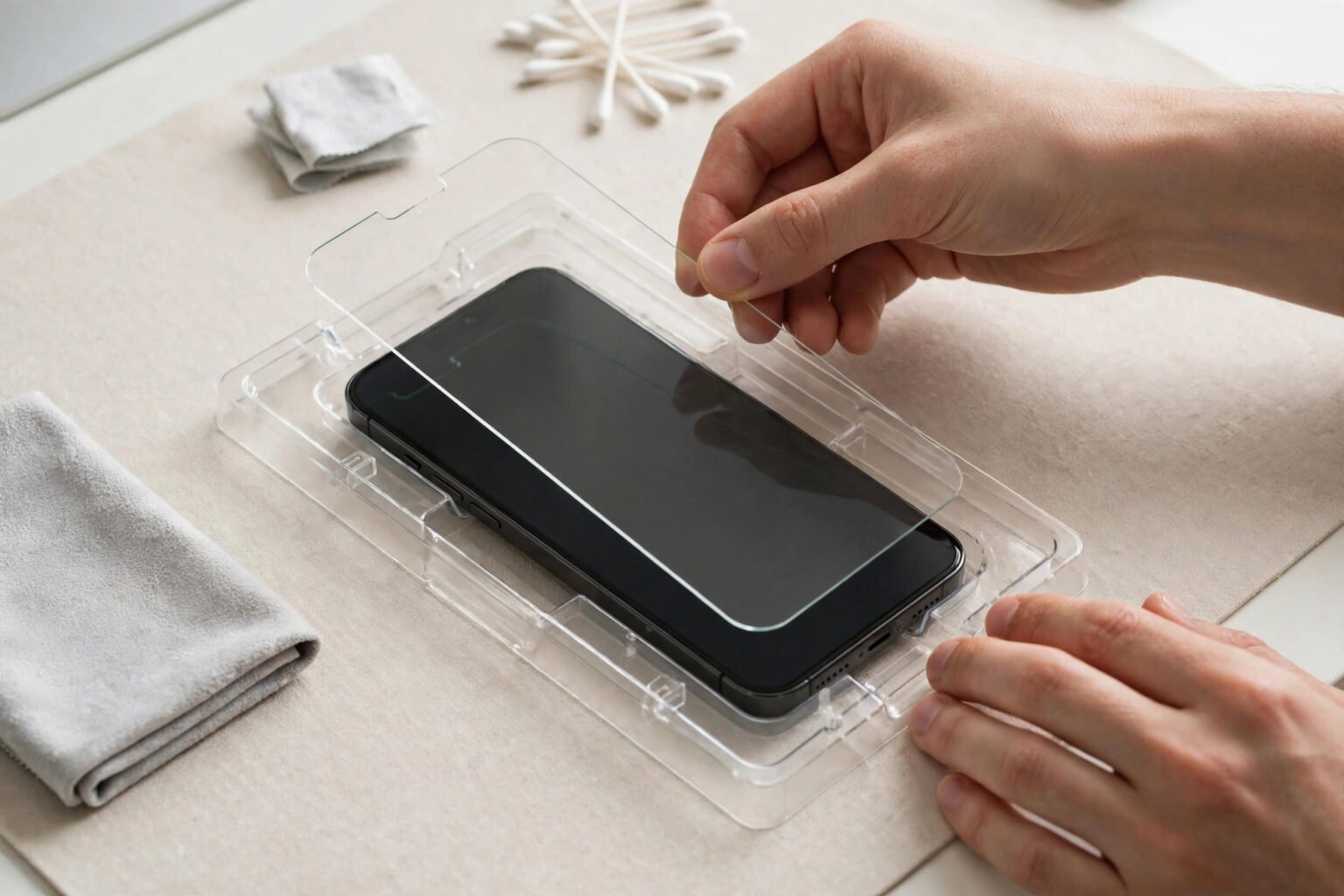
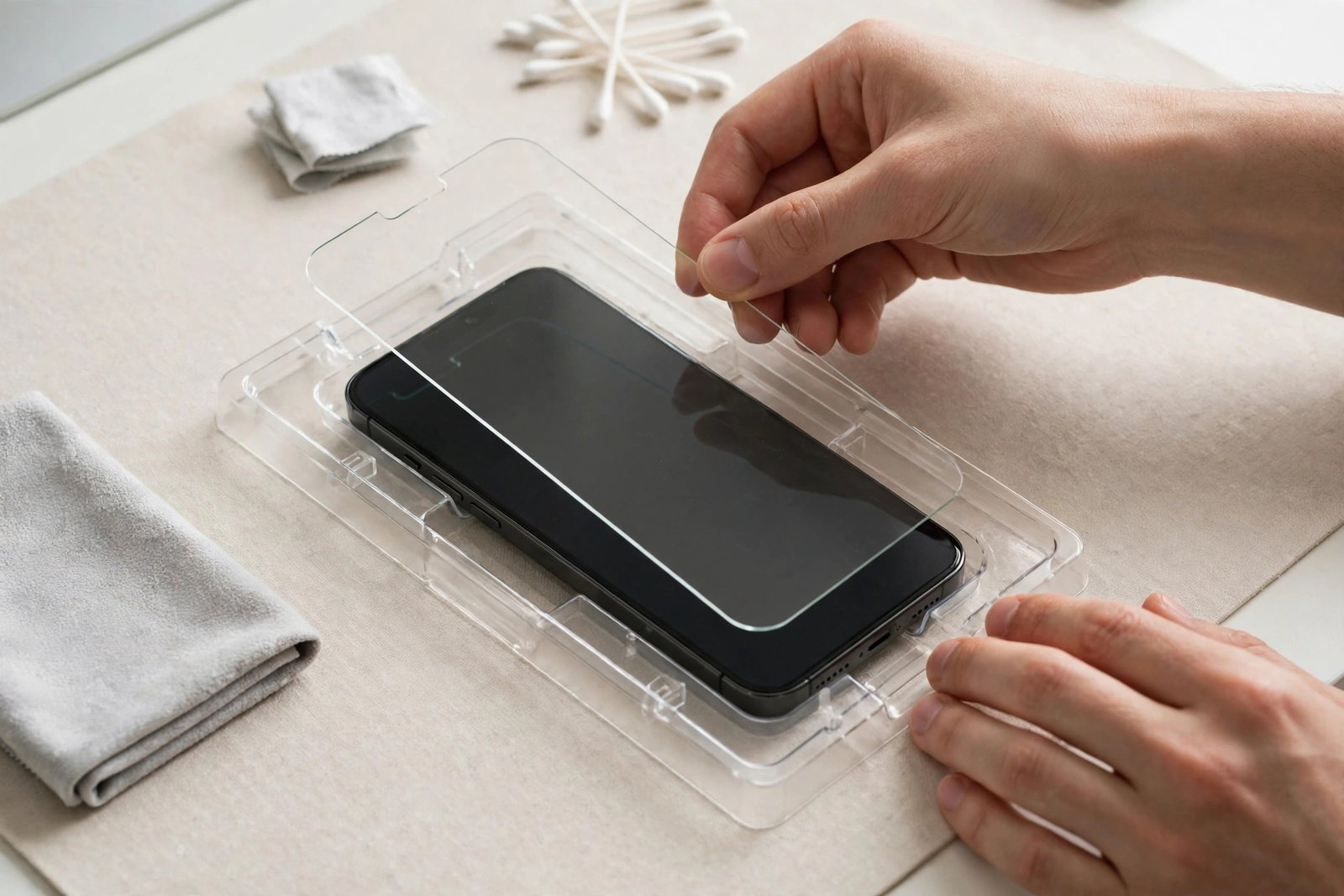
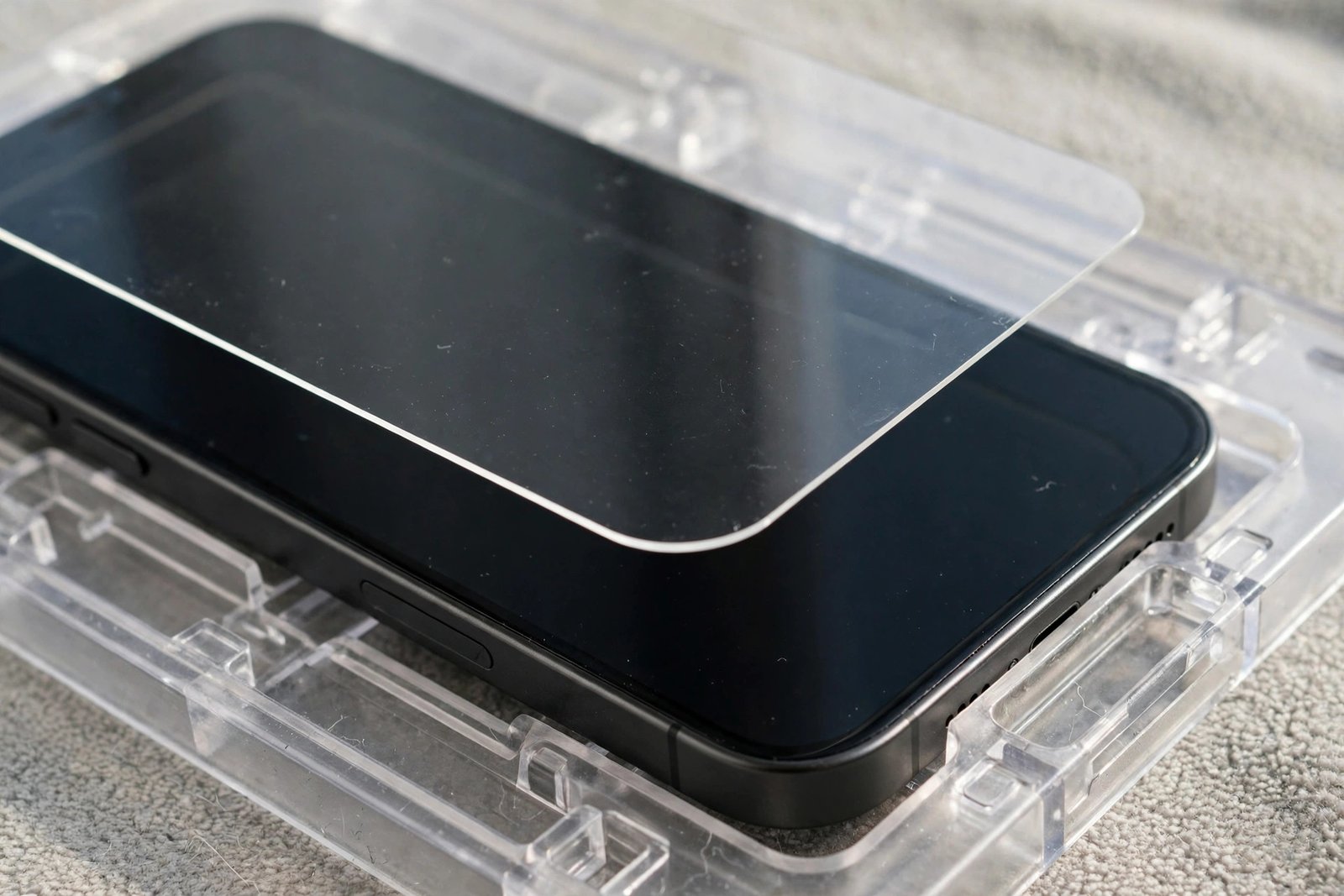
The Spigen Glas.tR EZ Fit is the easiest screen protector to fit in this guide, and that is its main advantage. It comes with an alignment tray that positions the glass exactly on the screen, so you do not need to line it up by hand. The tray also reduces dust and bubbles, and most buyers get a clean fit on the first attempt. The glass itself is 9H tempered glass with an oleophobic coating that resists fingerprints and smudges.
Protection is strong for everyday use, with good scratch resistance and the ability to absorb the impact of a drop. The protector is case-friendly, so it works with most cases, and it is compatible with Face ID. It is usually sold in a pack of two, which is useful if you make a mistake fitting the first one or need a replacement later. Check current price before buying, as prices vary by retailer and pack size.
Belkin UltraGlass — the best premium screen protector
Best for: buyers who want the clearest, toughest glass and are happy to pay more for it.
Belkin’s UltraGlass is a premium tempered glass protector with a reputation for clarity and toughness. It uses strengthened glass with a high level of scratch resistance, and it is designed to feel as close as possible to the bare iPhone screen. The oleophobic coating keeps fingerprints to a minimum, and the glass is compatible with Face ID and the touchscreen.
Belkin also offers a fitting service in many Apple Stores and retail stores, which is worth using if you want a perfect fit without doing it yourself. The protector is sold singly rather than in a multi-pack, so it costs more per unit than the Spigen or ESR options. If you want the best glass and the option of professional fitting, the extra cost is justified. If you are happy to fit a protector yourself, a cheaper option will serve you well.
ESR Armorite — the best value screen protector
Best for: buyers who want a good protector with an alignment tray for less money.
The ESR Armorite is a strong value choice. It is a tempered glass protector with 9H hardness, an oleophobic coating and a fitting tray that makes installation straightforward. The glass is clear, touch-sensitive and compatible with Face ID, and it is case-friendly so it works with most cases. ESR usually sells the Armorite in a pack of two or three, which brings the cost per protector down.
The main difference from the premium options is the glass itself, which is slightly less resistant to the hardest scratches, though the difference is small in everyday use. For most iPhone 17 owners, the Armorite offers the best balance of price and performance, and the multi-pack means you have a spare if the first protector cracks. It is a sensible choice if you replace protectors regularly or want one for a second phone.
Spigen Glas.tR Privacy — the best privacy screen protector
Best for: commuters and anyone who reads sensitive information in public.
The Spigen Glas.tR Privacy is a tempered glass protector with a privacy filter that darkens the screen when viewed from an angle. Someone sitting beside you on a train or in a cafe will see a dark screen, while you see the display clearly from directly in front. It offers the same 9H hardness and drop protection as the standard Glas.tR, with the same EZ Fit alignment tray.
The compromise is brightness and viewing angle. A privacy protector reduces brightness slightly and narrows the viewing angle, so it is less suited to sharing photos or watching video with someone beside you. It also costs more than a standard protector. If you regularly read email, messages or banking apps in public, the privacy is worth it. If you rarely use your phone in crowded places, a standard protector is clearer and cheaper. For a case to pair with a privacy protector, read our best phone cases with a card holder guide.
Best screen protectors for iPhone 17: comparison table
| Protector | Best for | Material | Hardness | Fitting tray | Pack size |
|---|---|---|---|---|---|
| Spigen Glas.tR EZ Fit | Most owners | Tempered glass | 9H | Yes | Usually 2 |
| Belkin UltraGlass | Premium clarity | Tempered glass | 9H | In-store fitting | Usually 1 |
| ESR Armorite | Value | Tempered glass | 9H | Yes | Usually 2 or 3 |
| Spigen Glas.tR Privacy | Privacy | Tempered glass, privacy filter | 9H | Yes | Usually 1 or 2 |
Table: the best screen protectors for iPhone 17 compared on material, hardness, fitting method and pack size.
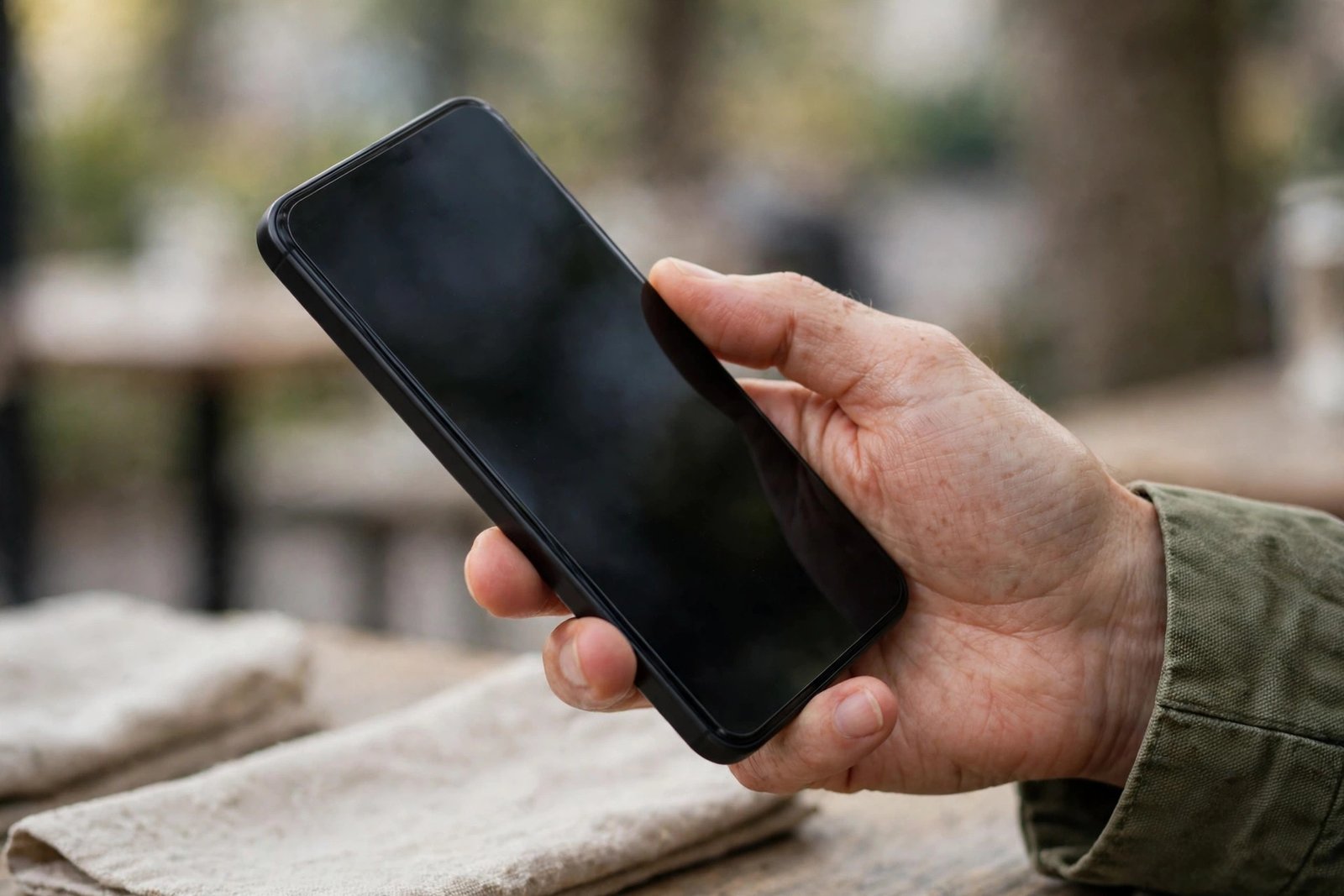
A practical checklist for choosing and fitting a screen protector
- Confirm the exact model: buy a protector made for the iPhone 17, not the iPhone 17 Pro or Pro Max.
- Choose tempered glass: it offers the best feel, clarity and drop protection for most owners.
- Look for an alignment tray: a tray makes fitting easy and reduces bubbles and misalignment.
- Check case compatibility: a case-friendly protector leaves a small gap at the edges so a case does not lift it.
- Clean the screen first: use the wipes and dust stickers supplied, and fit the protector in a dust-free room.
- Check Face ID after fitting: unlock the phone with Face ID and test the touchscreen before you finish.
- Keep the spare: a multi-pack gives you a replacement if the first protector cracks or is fitted badly.
Frequently asked questions
Do I need a screen protector for iPhone 17?
A screen protector is not essential, because the iPhone 17 screen is made from strengthened glass, but it protects against scratches from keys, sand and everyday use, and it absorbs impact in a drop. A protector is cheaper to replace than a screen, so most owners find it worthwhile.
Will a screen protector affect Face ID?
A good tempered glass protector made for the iPhone 17 should not affect Face ID, because it is clear and does not cover the sensors. If Face ID stops working after fitting, remove the protector and check the sensor area is clean, then try a different protector.
Can I use a screen protector with a case?
Yes, if the protector is case-friendly. Look for a protector that leaves a small gap around the edges, and check the manufacturer’s case compatibility guidance. A protector that extends to the very edge may lift when a tight case is fitted.
How do I remove a screen protector?
Lift a corner with a fingernail or a thin plastic card, then peel it off slowly. Do not use a metal tool, which can scratch the screen. Clean the screen with a microfibre cloth after removal before fitting a replacement.
The verdict
The best screen protector for most iPhone 17 owners is the Spigen Glas.tR EZ Fit, because its alignment tray makes fitting easy, its glass is clear and tough, and it is sold in a pack of two. The Belkin UltraGlass is the best premium choice if you want the clearest glass and the option of professional fitting, and the ESR Armorite is the best value choice if you want a good protector for less. The Spigen Glas.tR Privacy suits anyone who needs privacy in public.
Whichever protector you choose, confirm it is made for the iPhone 17, not a Pro model, check that it is case-friendly, and fit it carefully in a dust-free room. A protector is a small purchase that protects a costly screen, so it is worth choosing well and fitting properly. Start by deciding whether you need privacy or anti-glare, then choose the protector that matches, and keep the spare from a multi-pack in a drawer. For help choosing the phone itself, read our how to choose a smartphone guide.