A brighter smile at home starts with choosing a whitening method that fits both your teeth and your routine. Coffee, busy mornings, and sensitive teeth can all shape which option feels manageable. The best at home teeth whitening kits for you depend on the active ingredient, the format, and how comfortably you can follow the directions.
This comparison matches common needs with product types, not a promise that every person will see the same results. A shopping choice also cannot diagnose a change in tooth color or explain a new symptom. Keep your expectations realistic and choose a product you can use as directed.
Key Takeaways
- Check the active ingredient before choosing a whitening product.
- Compare strips, trays, gels, and other formats against your daily routine.
- Comfort matters because you need to follow the product directions.
- Whitening may not address every cause of tooth discoloration.
- Use the comparison to narrow your options, then follow the directions for the product you choose.
What Ingredients Actually Whiten Teeth?
For actual bleaching, start by checking whether the active ingredient is hydrogen peroxide or carbamide peroxide. Peroxide-based strips, gels, and trays can lighten suitable stains, while products without a bleaching agent do not bleach in the same way.
Hydrogen peroxide acts on colored compounds in teeth, helping make them look lighter. Carbamide peroxide breaks down and releases about one-third of its content as hydrogen peroxide. Both are active bleaching ingredients used in at-home whitening products.
An LED attachment does not change the identity of the active ingredient listed on the box.
Concentrations vary by product and regimen, so two peroxide kits may not use the same strength or schedule. Read the active-ingredient label rather than assuming a device in the box does the bleaching. Tooth enamel is the hard outer layer, and product directions help limit contact with gums and other soft tissue.
Intrinsic discoloration is a change in tooth color that originates inside the tooth rather than on its surface. By contrast, surface stains, also called extrinsic stains, sit on the tooth’s outer surface. The ADA overview of tooth whitening explains how peroxide bleaching relates to these stain types.
A carbamide peroxide product releases about one-third of its content as hydrogen peroxide, though the labeled concentration still matters. Compare active ingredients before being swayed by packaging or added gadgets.
Best At Home Teeth Whitening Kits for Different Needs
For an adult who wants a straightforward OTC strip, Crest 3D Whitestrips Professional Effects is the clearest starting point in this comparison. ADA acceptance makes it a useful strip choice, though it cannot guarantee a particular result for every person.
These picks cover different needs rather than naming one universal winner. Choose by active ingredient, format, and treatment time. The table lists what each option offers.
| Pick | Active ingredient | Format or treatment time | Why it fits |
|---|---|---|---|
| Crest 3D Whitestrips Professional Effects | Hydrogen peroxide | Strip, 45 minutes | ADA-accepted strip option |
| Opalescence Go | Hydrogen peroxide, 15% | Prefilled tray, 15-20 minutes | Ready-to-wear tray format |
| Lumineux Teeth Whitening Strips | Peroxide-free, plant-based ingredients | Strip | Fits a preference to avoid peroxide |
| Moon Oral Beauty Midnight Enamel Care Dissolving Whitening Strips | Hydrogen peroxide | Dissolving strip, 15 minutes | Short-session strip choice |
Crest 3D Whitestrips Professional Effects is an ADA-accepted hydrogen peroxide strip with a 45-minute treatment. NBC Select also names it as an OTC whitening-strip pick, but that recognition does not predict your result.
Opalescence Go offers a prefilled tray with 15% hydrogen peroxide and a 15-to-20-minute treatment. That format may suit you if placing a tray feels easier than positioning whitening strips.
Lumineux Teeth Whitening Strips use plant-based ingredients and contain no peroxide. Moon Oral Beauty Midnight Enamel Care Dissolving Whitening Strips use hydrogen peroxide and have a 15-minute treatment.
For adults comparing the best at-home teeth whitening kits, these options match different preferences rather than one claimed best result. Choose a peroxide-free option only if avoiding peroxide matters more to you than bleaching.
Which Kit Format Fits Your Routine?
A strip is the simplest fit for many routines, while a tray helps keep gel in contact with more tooth surfaces. Daily comfort matters because the product only fits your routine if you can use it as directed.
Each format has trade-offs in placement, contact, and pace. Choose the application style you can use correctly, not just the one with the most parts.
Strips and Ready-to-Wear Trays
Whitening strips bend around teeth and need careful placement. They can be easy to carry and apply, though crowded teeth may not get equal contact.
A prefilled tray comes ready to wear, without filling a reusable mouthpiece yourself. Opalescence Go is one example, with hydrogen peroxide gel held in the tray during its short treatment.
Custom Trays and Whitening Gels
A custom tray is a fitted reusable mouthpiece that holds whitening gel against your teeth. Opalescence Teeth Whitening Gel Syringes are an OTC option, but they require custom trays rather than coming with a ready-to-wear tray.
Opalescence Custom gel comes in five carbamide peroxide strengths. Its formula contains potassium nitrate and fluoride, with at least 20% water content. The listed wear times vary by concentration:
| Concentration | Listed wear time | Day or night use |
|---|---|---|
| 10% carbamide peroxide | 8-10 hours or overnight | Night or overnight |
| 15% carbamide peroxide | 4-6 hours | Day or night |
| 20% carbamide peroxide | 2-4 hours | Daytime |
| 35% carbamide peroxide | 30-60 minutes | Daytime |
| 45% carbamide peroxide | 15-30 minutes | Daytime |
The gel is an OTC option that requires custom trays, not proof that dentists universally use or recommend it. Its label lists 10%, 15%, 20%, and 35% carbamide peroxide for the syringe product.
Toothpastes, Rinses, Pens, and Powders
Whitening toothpaste can help with surface stains, but it generally does not make a major change to intrinsic tooth color. It is a practical cream-like choice for surface care, not a substitute for a peroxide gel when deeper color change is the goal.
Whitening toothpaste and rinses work more slowly than strips and gel-filled trays. ACT Whitening + Anticavity Fluoride Mouthrinse combines hydrogen peroxide with fluoride. Colgate Optic White Overnight Teeth Whitening Pen is applied before bed and brushed off in the morning.
For the best teeth whitening powder for adults, activated charcoal is not a proven bleaching choice. Evidence for its effect is limited, and repeated use may damage teeth over time. Never substitute medicine-cabinet hydrogen peroxide for a product made for dental use.
How Long Do Results Take, and How Much Change Is Typical?
A typical home course is used once or twice a day for up to 14 days, with a modest one-to-two-shade change as a realistic expectation. Typical results depend on your teeth and stain depth, even when you follow the directions.
Strips and gels often lighten teeth within two weeks. Toothpaste and rinses work more slowly, so they are not a quick substitute for a gel-based treatment. Many home products are used for up to 14 days, not indefinitely.
| Product format | Typical use or pace | Realistic expectation |
|---|---|---|
| Strips | Once or twice daily, up to 14 days | Often lighten teeth within two weeks |
| Gel-filled trays or gels | Used as directed, often once or twice daily | Often lighten teeth within two weeks |
| Toothpaste or rinses | Regular use; slower pace | Gradual change, mainly to surface stains |
For a Consumer Reports comparison of the best at-home teeth whitening kits or best teeth whitening products, weigh the active ingredient, format, wear time, and how well you can follow the schedule. A product ranking alone cannot account for the stain depth or condition of your teeth.
A one-to-two-shade change is a typical result when people use products as directed, not a promised outcome. Some teeth respond more than others, and a deeper stain may take longer to lighten.
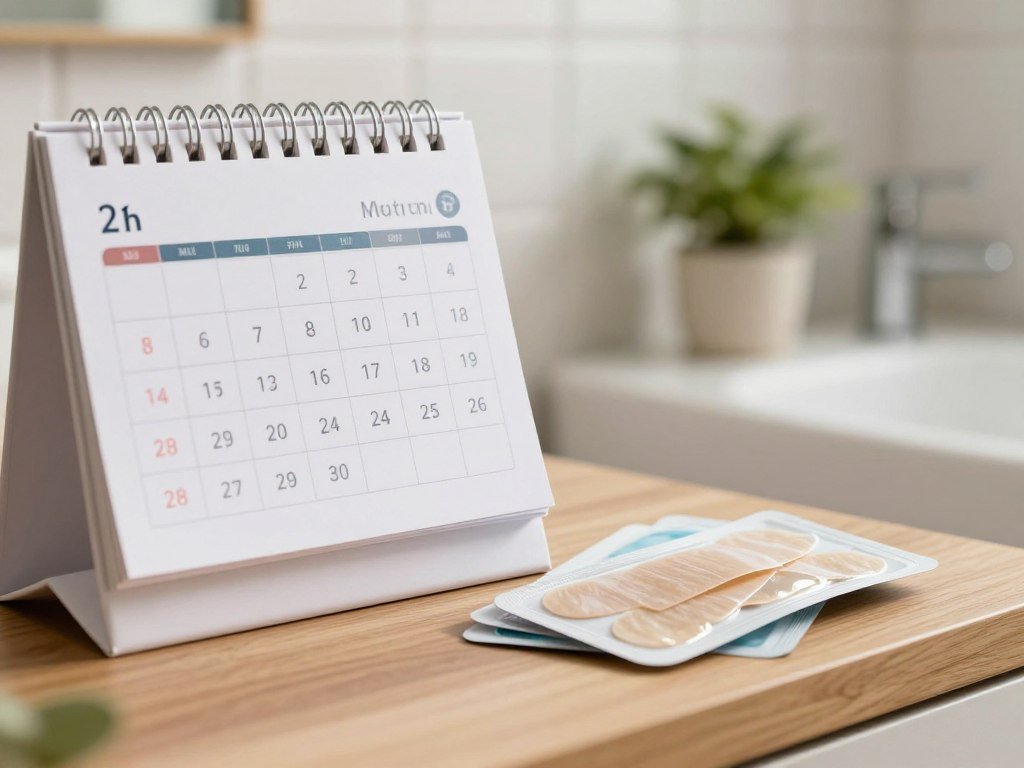
Treat the product’s full directions as the schedule, not an invitation to extend each session.
Which Stains Can At-Home Whitening Treat?
Surface discoloration from coffee, tea, cola, red wine, or smoking is the clearest match for peroxide-based home treatment. Extrinsic stains are on the tooth surface, where hydrogen peroxide or carbamide peroxide can lighten them.
These products can help with stains from smoking and highly pigmented foods and drinks. Brown stains from fluorosis or tetracycline may also respond to bleaching. The cause and depth of discoloration affect how much a tooth changes.
Surface Stains from Food, Drinks, and Smoking
Coffee, tea, cola, and red wine can leave color on teeth over time. Smoking can also cause surface stains. Peroxide products are a reasonable match for these common extrinsic stains.
A dental cleaning can remove many surface stains, while home whitening aims to lighten tooth color. The two do different jobs, so a cleaning may help show how much color remains after surface buildup is gone.
- Coffee or tea stains on the tooth surface
- Surface staining from smoking
- Brown fluorosis or tetracycline staining
- White orthodontic or fluorosis spots
Intrinsic Stains from Fluorosis or Tetracycline
Intrinsic discoloration begins inside a tooth rather than on its surface. Brown marks linked to fluorosis or tetracycline may respond to bleaching, but white spots can behave differently.
White stains linked to fluorosis or orthodontic treatment may become less noticeable as the surrounding tooth color lightens. The contrast can soften even if the white spot itself does not disappear.
Tetracycline discoloration may need an average of three to four months of nightly treatment to diminish. That is much longer than a standard short home course, and the stain may still need individual care.
A long nightly course for tetracycline staining is a reason to plan treatment with a dentist rather than improvise.
What Should You Do About Sensitivity?
If whitening makes your teeth or gums uncomfortable, pause treatment rather than adding another session. Temporary sensitivity and gum irritation are common short-term effects, especially when treatment starts.
These effects often pass relatively quickly, but discomfort is a signal to change your approach. Follow the product directions and take a break or switch to a milder product if sensitivity develops.
If Teeth or Gums Become Sensitive
Do not try to push through pain by leaving gel in place longer. Misuse can irritate gums and increase tooth sensitivity, even when the product itself is designed for home use.
- Take a break from whitening until discomfort eases.
- Switch to a milder product if sensitivity returns.
- Contact a dentist if the sensitivity is significant.
Pay attention to gum irritation as well as tooth discomfort. Gel that spreads beyond the teeth can bother soft tissue, so careful placement matters.
Concentration and Misuse Risks
Leaving gel on too long or using it too often can trigger sensitivity and gum irritation. More treatment is not a safe way to speed up results.
Products with hydrogen peroxide concentrations above 6% should be used only under dental-professional supervision. Check the ingredient strength and follow the product’s stated treatment time, rather than borrowing a schedule from another kit.
Opalescence Custom instructions also call for a clear response to strong discomfort. Significant sensitivity during Opalescence Custom use calls for stopping treatment and talking with a dentist.
Do LED Lights Make Whitening Kits Work Better?
The peroxide serum is the whitening agent in an LED kit; the light is an add-on. The gel does the bleaching, so an LED light is not a replacement for an active ingredient that can whiten teeth.
Evidence that LED lights add a meaningful boost or speed up whitening is limited. A device may be part of the kit, but its presence does not show that the light itself changes tooth color. Check the serum’s active ingredient first.
Colgate Optic White ComfortFit LED pairs a hydrogen peroxide serum with a 10-minute treatment. The kit includes 21 treatments, so the serum and its directions remain central to how you use it.
A whitening kit may look more advanced when it includes a light, but the device does not replace the product’s directions. Compare the active gel and treatment directions before paying extra for a light device.
When Should You Check with a Dentist Before Whitening?
If you have a crown, implant, or other tooth-colored restoration, check the plan before whitening natural teeth around it. Restorations do not bleach, so the color difference may become more noticeable.
A dental exam can help identify why teeth look discolored and assess whether whitening suits your oral health. Only natural teeth change color with bleaching; crowns, implants, and other tooth-colored restorations do not.
A dentist can consider existing dental work and the cause of a color change before treatment begins. The URochester Medicine guidance on whitening safety also notes that a dentist can help assess whether home products are suitable.
Bring these concerns to an appointment before choosing a whitening product:
- Existing crowns, implants, fillings, or other restorations
- Discoloration with no clear cause
- Questions about whether whitening is appropriate for your teeth
Ask the dentist to consider the color of both natural teeth and restorations before you begin.
How Can You Maintain a Brighter Smile?
Consistent daily oral care is a better maintenance habit than repeatedly extending a whitening course. Daily care helps manage surface buildup without turning extra bleaching sessions into a routine.
A simple routine supports your teeth between whitening treatments. Brush twice daily for two minutes with fluoride toothpaste and clean between your teeth once daily.
Use these habits to support a brighter smile:
- Brush twice a day for two minutes with fluoride toothpaste.
- Clean between your teeth once each day.
- Follow the product’s own directions for any whitening touch-ups.
- Ask a dentist how often professional cleanings fit your needs.
Regular brushing and cleaning between teeth help manage surface buildup, but they do not justify longer or repeated bleaching courses. The right interval for professional cleanings depends on your individual dental needs.
Keep touch-ups within the product directions and the cleaning schedule recommended for your own oral health.
Conclusion
The best fit is the product that matches your goal and that you can use as directed. A suitable active ingredient and a manageable format matter more than added features you may not need.
If restorations or an unexplained change in tooth color affect your choice, ask a dentist before starting. Their advice can help you avoid a mismatch and decide whether whitening suits your teeth.
Before starting, check the label and arrange a dental exam if you have a concern about your teeth or existing dental work.
FAQ
Do whitening strips work evenly on crowded or overlapping teeth?
Not always; whitening strips may miss crowded or overlapping areas. The material can sit more evenly against flat front teeth than against teeth that turn or overlap. This may leave some spots darker and make the change look uneven. If your teeth are crowded, a dentist can help you weigh other formats before you start.
Should pregnant or breastfeeding people use whitening products?
Whitening is generally advised against during pregnancy or breastfeeding. The safest timing depends on your health and the product, so ask a dentist before using strips, trays, or gels. You can also bring the product label to the visit. Waiting until after pregnancy or breastfeeding may be the simpler choice if the treatment is not urgent.
Can children younger than 13 use whitening products?
Whitening is generally advised against for children under 13. A parent should ask the child’s dentist before considering any whitening product, including strips or toothpaste sold for whitening. Tooth color can change for reasons that need a dental check, and adult products may not suit a child. Do not share your own whitening schedule with a child.
Will an at-home whitening kit remove tartar or treat a cavity?
No. An at-home whitening kit does not remove tartar or treat a cavity. Whitening changes tooth color, while a cleaning removes hardened buildup and a dentist treats decay. A cavity can worsen without care, even if the tooth looks lighter after whitening. Schedule a dental visit for pain, a visible hole, or suspected tartar.
Can whitening lighten one dark tooth after an injury?
A home kit may not fix one dark tooth after an injury, so have a dentist assess it first. A single tooth can darken because of a change inside the tooth, and that cause may need care beyond whitening. Tell the dentist when the injury happened and whether pain or swelling followed. Avoid starting a full-mouth treatment before the tooth is checked.



