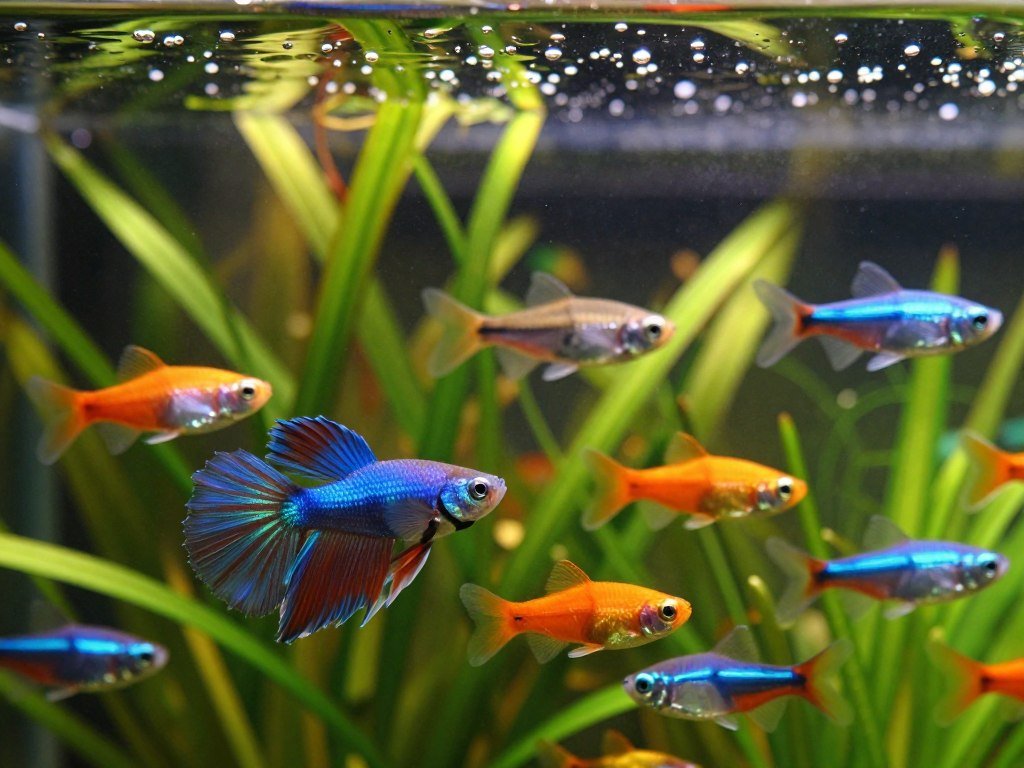
A colorful fish can be a lovely first pet, but the right choice starts with the home you can provide. Even hardy freshwater pets need suitable water, filtration, and regular attention. Their care does not end when you bring them home.
Cycling means establishing beneficial bacteria in the filter and aquarium that process fish waste before fish are added. This step helps prepare the aquarium for life with fish. It also gives you time to learn how to check water conditions.
The best aquarium fish for beginners are not simply the brightest ones. Their adult size, social needs, and temperament should fit your aquarium. You will find practical options here, along with ways to think about their needs before choosing.
Key Takeaways
- Choose a species that fits your aquarium as an adult.
- Cycle the aquarium before adding fish.
- Check each fish’s group needs and temperament.
- Keep up with water tests and regular care.
- Avoid adding fish just because the aquarium looks empty.
A suitable aquarium and a manageable routine matter more than finding a fish that needs no care.
What Tank Size Fits Your First Fish?
A 10-gallon aquarium is a workable starting point for a few carefully chosen fish, but it leaves little room for stocking mistakes. Small tanks have less water to dilute waste, so water quality can change quickly. Most fish need a filter because waste builds up without one.
A filter also holds helpful bacteria that break down fish waste. Cycling a home aquarium takes time, and you should test the water as the bacteria grow. The University of Florida explains this process in its ammonia and nitrogen cycling guide.
Use the inch-per-gallon rule only as a rough guide, never as a stocking formula.
The inch-per-gallon rule uses a fish’s fully grown length, but it cannot account for behavior, waste, or group needs. A fast swimmer or a schooling species may need more room than its length suggests. For 5-10 gallons, focus on fish around 1/2-2 inches long, and do not assume a full school will fit.
| Tank size | Examples that fit | Stocking limit or condition |
|---|---|---|
| 5-10 gallons | 4-6 Serpae or Black Phantom tetras; 4-6 small Corydoras | At least 12 neon or cardinal tetras need the tank to themselves, except with some Corydoras or a bristlenose pleco. |
| 10 gallons | One male betta; 6-8 ember tetras, celestial pearl danios, or green neon tetras | Another option is 6 ember tetras or 6 pygmy Corydoras, with a nerite snail or cherry shrimp. |
| 20-50 gallons | Groups of Tiger, Black Ruby, Clown, Rosy, or Checkerboard Barbs | Keep at least 6 barbs; territorial behavior can still cause crowding. |
| 29 gallons | 3-4 fancy Ryukin or Oranda goldfish | Common and Florida Plecos grow too large; a bristlenose pleco is smaller. |
Four to six Panda or Salt and Pepper Corydoras can suit a 5-10-gallon aquarium. Guppies, platies, and common mollies can do well under 10 gallons, while swordtails and sailfin mollies need more space. A 20-50-gallon tank opens options for fish reaching 3-4 inches, but size alone does not prevent crowding.
For a beginner fish in a 10-gallon tank, consider one male betta or one of the small groups listed above. A tropical aquarium may also need a submersible heater to hold suitable water conditions. A 10-gallon setup needs a weekly 25-30% water change.
Cycle the tank for 4-6 weeks before adding fish, and start with fewer fish than the maximum if you are still learning to manage water quality.
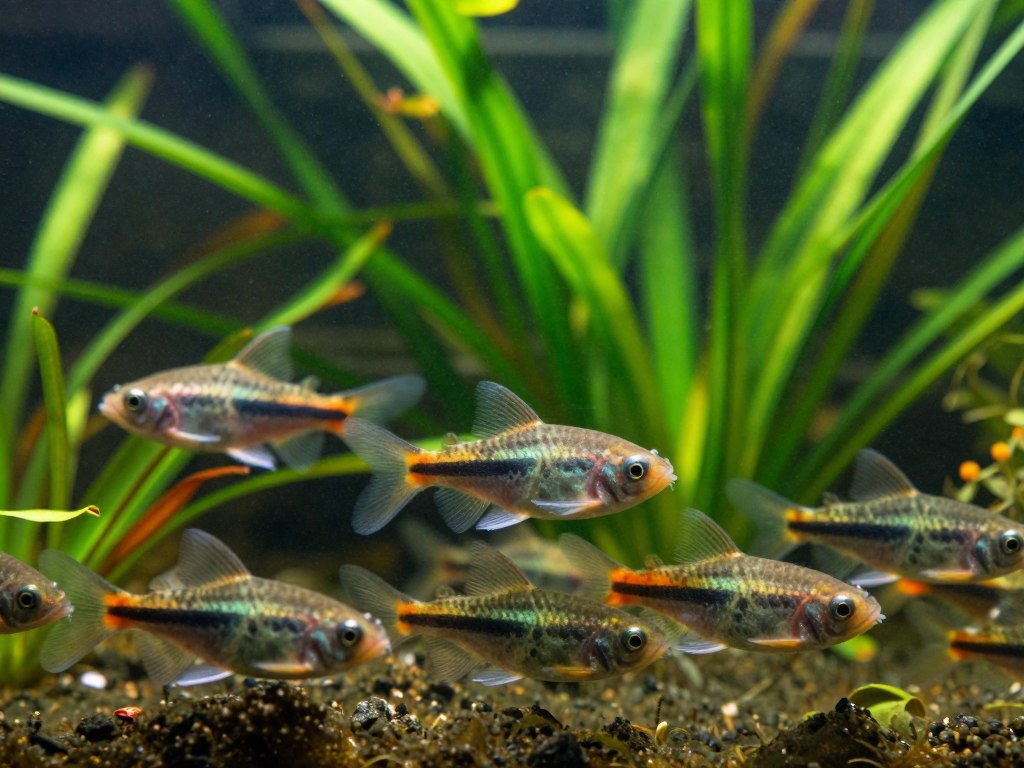
10 Best Aquarium Fish for Beginners by Tank Setup
A single male betta suits a different first setup from a group of fast-moving zebra danios. The best aquarium fish for beginners depends on whether you want a centerpiece, active swimmers, or a group to watch. Match the species’ social needs and adult size to your aquarium.
For a freshwater setup, these beginner fish offer different activity and viewing styles. Choose with care, since the same species may not suit every tank.
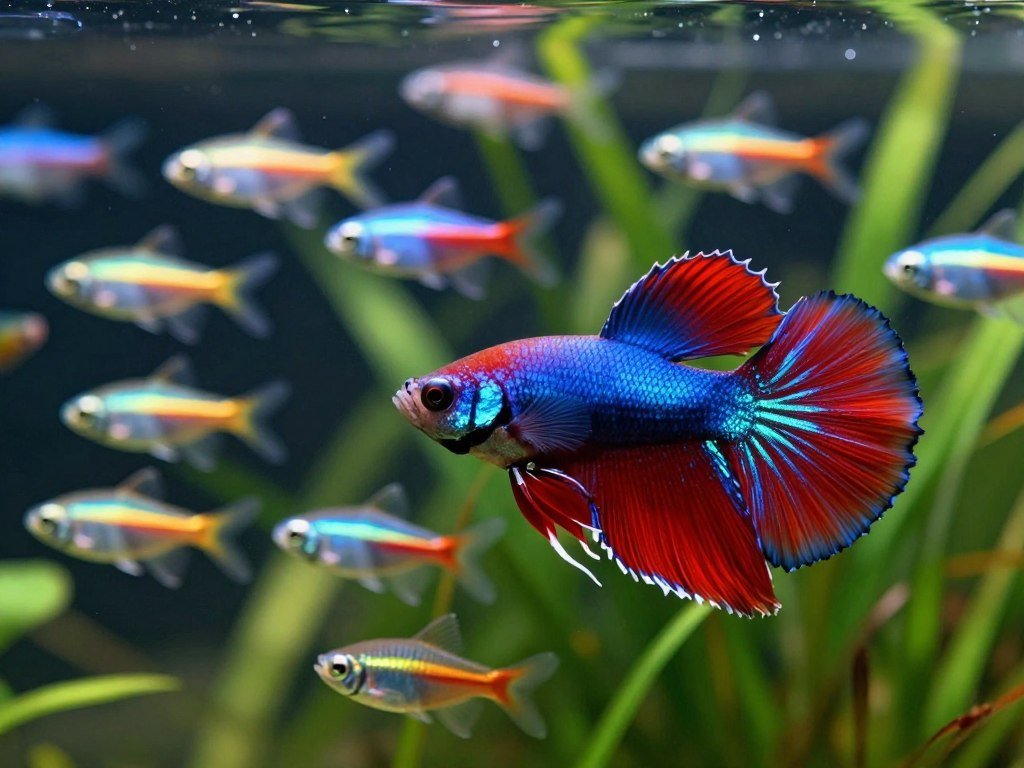
A centerpiece fish and easygoing livebearers
- One male betta can be a solo centerpiece. Its flowing fins make it easy to follow, and a tropical setup may need a heater.
- Guppies are active livebearers suited to tanks of at least 10 gallons. Their many colors make them engaging to watch, but both sexes can produce fry.
- Platies are livebearers with lively movement and varied colors. Both sexes may produce fry; one male with 2-3 females is a suggested group, not a fit for every tank.
- Common mollies are livebearers that give you active fish to watch. Keep their group needs in mind, since mixed sexes can produce fry.
- Zebra danios are fast swimmers that often stay near the surface. Their movement is fun to follow, while Giant Danios need larger aquariums.
Livebearers give birth to live young, so mixed-sex groups may grow through fry. The University of Florida describes these fish in its freshwater ornamental fish guide. Base group choices on the aquarium’s space and the fish’s needs.
Schooling fish and bottom dwellers
- White cloud minnows are group fish that prefer cooler water: 60-72°F and pH 6.0-8.0. They need at least 10 gallons and do best in 20 gallons or more.
- Cherry barbs are group fish for aquariums of 20 gallons or more. Their preferred range is 74-80°F and pH 6.0-7.0.
- Green neon tetras are small schooling fish for a modest group setup. Give them suitable water and enough space to swim together.
- Corydoras are small, active bottom dwellers that reach 1-2 inches. Keep at least four, with water at 72-82°F and pH 6.5-7.8; offer food made for them.
- Bristlenose plecos need hiding places, driftwood, and targeted food. They are often nocturnal, and males grow snout bristles; albino, long-finned, and red varieties are available.
White clouds need cooler water than cherry barbs, so those needs should guide any setup. Corydoras should not rely on leftovers to meet their diet. A bristlenose pleco’s quiet daytime habits may make it harder to spot than active swimmers.
Choose the fish whose adult needs and social behavior fit the aquarium you already have.
Which Beginner Fish Can Live Together?
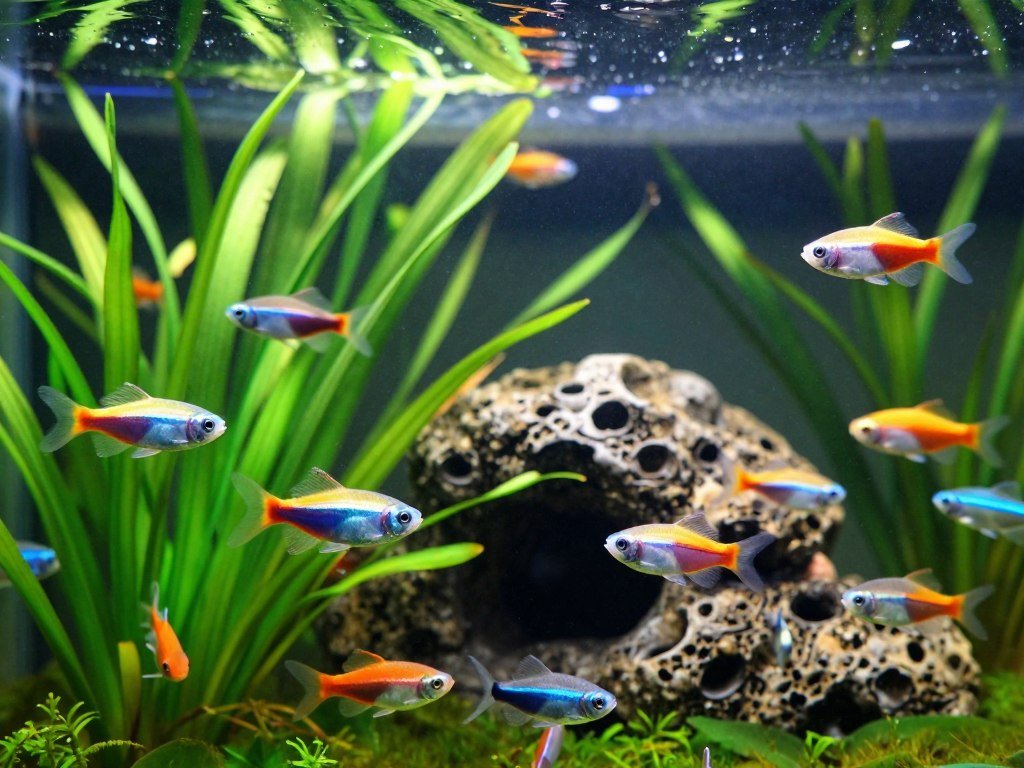
A calm community tank is possible when each fish has enough room and its tank mates suit its temperament. Danios, tetras, and rasboras are generally compatible with guppies, gouramis, small schooling catfish, and snails. Generally compatible does not mean every fish will get along. Individual temperament still matters.
Check each species’ size, diet, natural habitat, and need for hiding places before you combine them. The aquarium’s size and conditions also affect how well a pairing works.
| Pairing | General fit | What to check |
|---|---|---|
| Danios, tetras, or rasboras with guppies, gouramis, small schooling catfish, or snails | Generally compatible | Temperament, diet, adult size, and hiding places |
| A betta with community fish | Use caution | Tank size, individual temperament, and environmental conditions |
| A betta kept alone | Solo setup | Suitable water conditions and enough room for the fish |
A betta kept alone avoids the added risk of a community pairing, though its aquarium still needs proper care. Even a peaceful-looking mix can change as fish settle in or grow. Plan for the needs of every species instead of assuming one fish will suit the others.
An algae eater or bottom dweller does not replace checks on diet, hiding places, adult size, and each species’ needs. Corydoras and bristlenose plecos need species-appropriate care, not just a role near the bottom. Their presence cannot make an incompatible community safe.
Watch for chasing, fin damage, or a fish hiding constantly, and separate incompatible tank mates rather than waiting for injury.
How Should You Feed and Care for Beginner Fish?
Most beginner fish do well on a small measured feeding once or twice a day, not an overflowing pinch of food. Small portions help limit uneaten food and waste. Feed only what the fish can eat within a few minutes, adjusting for species.
Flakes and pellets suit many fish, while freeze-dried or frozen diets can offer other choices. Match food to the species and how it feeds, including whether it eats near the surface or bottom. Goldfish should generally get only what they can eat within one minute.
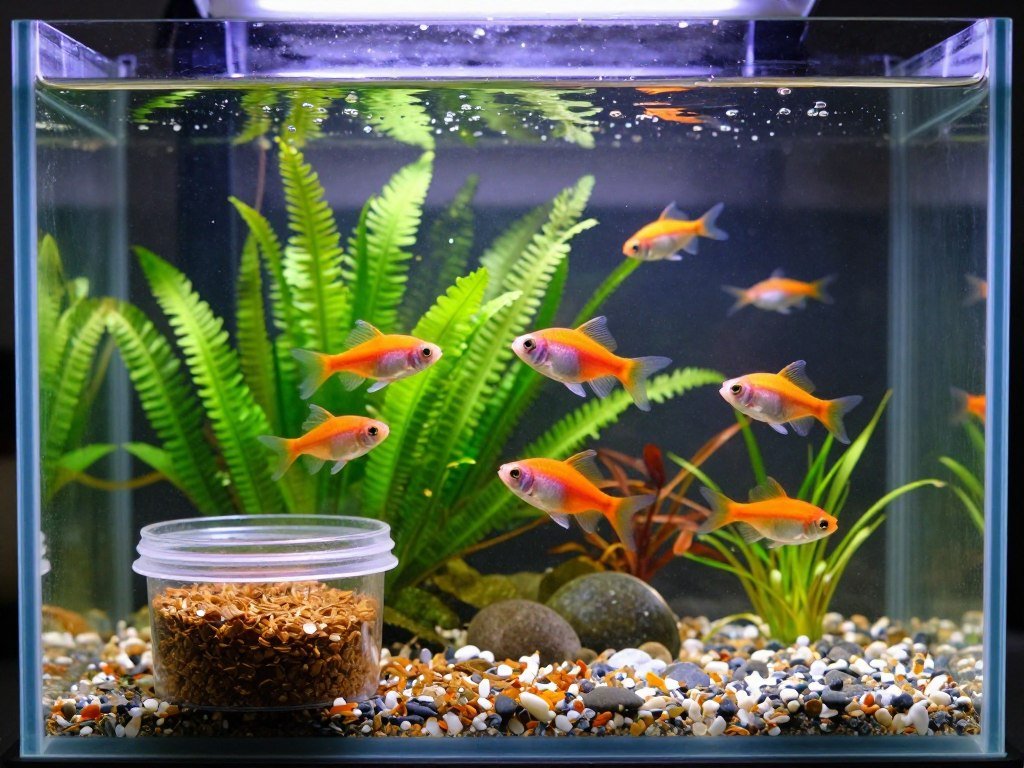
Live food can carry a higher disease-transmission risk than freeze-dried or frozen options. Those prepared foods are often a lower-risk choice when they suit the fish’s diet. Varying food types does not mean adding more than the fish can eat.
Most tanks need a weekly partial water change and a more thorough cleaning about once a month. A general weekly change is 10-25%, adjusted for tank size and fish load. A 10-gallon setup needs a weekly 25-30% change instead.
Use water tests and the aquarium’s conditions to guide your routine. Remove visible waste and dead plant matter during care, and avoid disrupting the filter’s helpful bacteria. A steady schedule makes it easier to notice changes before water quality slips.
Remove uneaten food promptly so it does not add to the waste in the aquarium.
What Should You Do About Brown Algae or a Sick Fish?
A brown coating in a newly set-up aquarium is often diatoms, while a dying fish calls for a prompt water-quality check. Brown diatoms commonly appear on glass, plants, and decorations about 1-3 weeks after setup. Test the water when fish look or act unwell.
Diatoms can use nitrates, phosphates, and silica found in tap or well water. They are usually harmless to fish, shrimp, and snails, but thick growth can block light from plant leaves. Scrape glass with an aquarium scraper or old gift card, then gently rub or brush the leaves.
Siphon or gravel-vacuum the loosened debris. Weekly water changes, removing dead or rotting plants, and siphoning fish waste and uneaten food can help limit more growth. The brown film may look unpleasant, but it does not always signal a sick aquarium.
Remove a dead fish promptly because its body can rot and pollute the aquarium.
Remove brown diatoms without harming the aquarium
Clean plant leaves gently so you do not damage them. A scraper or old gift card can lift the film from glass without household cleaners. Siphoning the loosened material removes it from the aquarium instead of leaving it to settle.
Respond promptly when a fish dies
After a fish dies, test ammonia, nitrite, nitrate, and pH. General hardness and carbonate hardness tests can also help explain water conditions. The University of Florida’s fish health problem-solving guidance supports checking system conditions when fish health changes.
Wait seven days before restocking, and add new fish gradually. If a fish is still alive but declining, test the water promptly, correct detected problems, and seek an aquatic veterinarian’s guidance. That advice can help you respond, but it cannot promise a cure.
If several fish or more than one species dies, treat it as a tank-wide problem to investigate before adding replacements.
Conclusion
The best first fish is the one whose needs fit your aquarium and the time you can give it. Your available space, preferred fish personality, and willingness to manage care should shape the choice. Color alone is not a good reason to bring home a species.
Before buying, write a short list of compatible options and compare their adult needs. Pick a fish you will enjoy watching and can care for well, rather than filling the aquarium quickly. Set up and cycle the aquarium first, then add a small number of carefully chosen fish.
FAQ
Do fish sleep at night?
Yes, many fish rest during darkness, though they do not sleep exactly like people. A steady light-dark routine gives them a clear day and night pattern. Keep aquarium lights on a regular schedule and allow a dark period each day. If a fish rests in an unusual spot, check its behavior and water conditions rather than assuming it is ill.
What fish will keep my tank clean?
No fish replaces tank maintenance. Bristlenose plecos and Corydoras still need species-appropriate food and care, so do not treat them as cleaning tools. Corydoras feed near the bottom, while bristlenose plecos may be active after dark. Both need a suitable setup, and your own routine must keep the aquarium clean.
What kind of fish are suitable for a 20-gallon tank?
Cherry barbs are one option for a 20-gallon tank or larger. They do best in a group, and their preferred water range is 74-80°F with pH 6.0-7.0. You can consider other species too, but choose group sizes and tank mates to fit the aquarium. Check adult size and compatibility before adding fish.
How do I clean a fish tank?
Wipe aquarium surfaces with aquarium-safe tools, siphon debris, and use partial water changes. A gravel vacuum can help remove waste from the bottom without removing all the tank water. Never use soap or household cleaners, since residue can harm fish. Clean on a steady schedule and avoid disturbing the filter’s helpful bacteria.
What kills fish in a fish tank?
Poor water quality, unsuitable conditions, disease, and aggression can harm or kill fish. When something goes wrong, test ammonia, nitrite, nitrate, and pH promptly. Fish waste and uneaten food can add to harmful waste in the water. Watch for changes in swimming, appetite, or appearance, then address the cause instead of guessing.
Can I use Dawn dish soap to clean my fish tank?
No, do not use Dawn or any dish soap to clean a fish tank. Soap residue can harm fish even after the tank looks rinsed. Use dedicated aquarium tools and water to wipe surfaces, and siphon debris during regular care. Keep household cleaners away from the aquarium and its equipment.
How do I get rid of the brown stuff in my fish tank?
Scrape the glass, gently clean plant leaves, and siphon out the debris. Brown diatoms often appear about 1-3 weeks after an aquarium is set up, and they are usually harmless. They can block light when they coat plant leaves. Regular water changes and removing decaying plants can help reduce their growth.
How to save a dying fish?
Check water quality promptly and correct any problem your tests find. Test ammonia, nitrite, nitrate, and pH, since poor water conditions can harm fish. If the fish keeps declining after you address a detected issue, seek guidance from an aquatic veterinarian. A quick response may help, but no treatment can promise recovery.