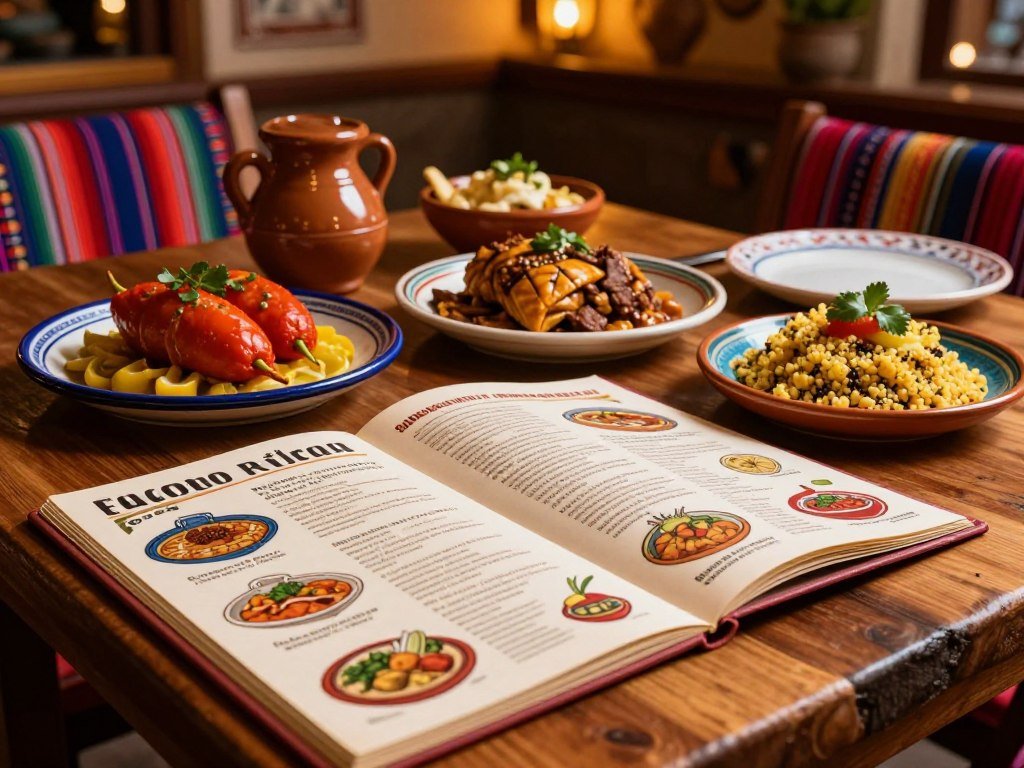
A nearby Peruvian restaurant is not automatically a nearby Pachamanca option, so confirm the dish before making plans. The best nearby pick is a restaurant that confirms it serves the preparation you want, not simply one with Peruvian cuisine on its menu. Menus can list a broad range of flavors, while a specific dish may be offered only on certain dates. A useful recommendation names the preparation and gives current availability and dining details. Exact local picks need a city or ZIP Code, and each restaurant sets its own price. A city or five-digit ZIP Code is the essential starting point for narrowing the search to local choices.
Key Takeaways
- Confirm the preparation, not just the cuisine.
- Check the restaurant’s current menu and availability.
- Compare prices on the same serving basis.
- Use a city or five-digit ZIP Code to narrow your search.
- Ask the restaurant about portions before ordering.
What goes into traditional Pachamanca?
A traditional Pachamanca combines meat, Andean crops and herbs in a meal cooked underground with heated stones. Its distinctive flavors come from cooking ingredients together, and the traditional method places the food beneath the soil. The dish has roots several thousand years old in the central Andes.
In Quechua, Pachamanca means “Earth Pot,” a name linked to its cooking place. The meal also carries a long connection to Andean food traditions and shared celebrations. PROMPERÚ describes its history and cultural meaning in its article on Pachamanca’s ancient traditions.
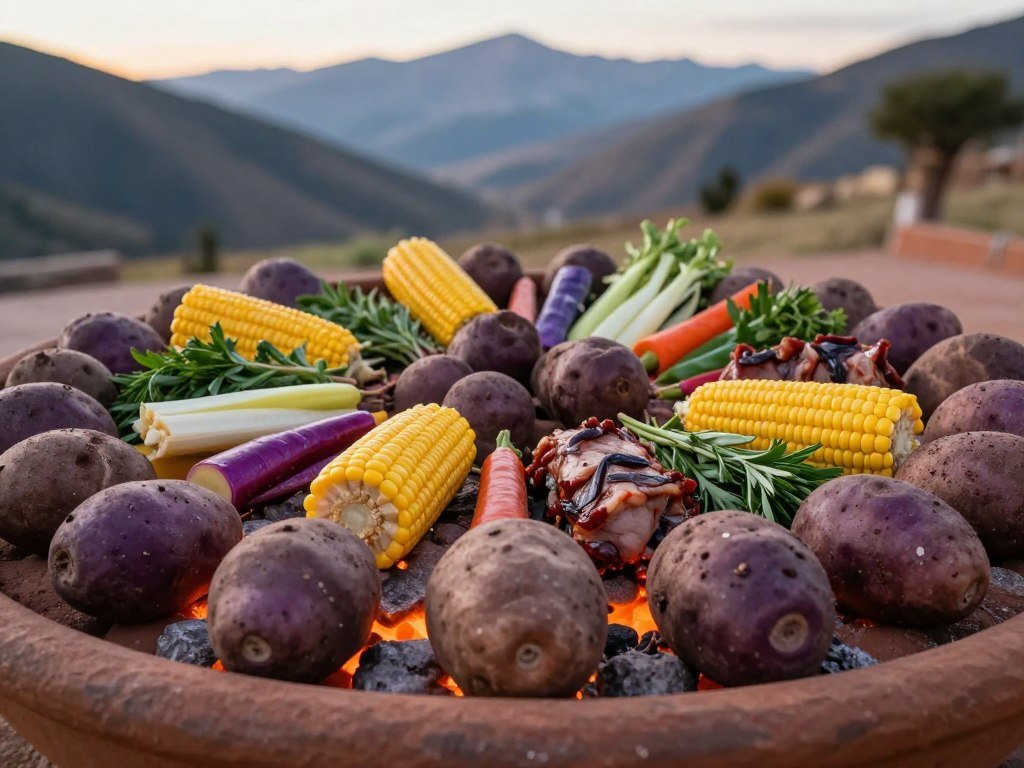
The meats, vegetables, and Andean herbs
Chicken or beef commonly supplies the meat, while potatoes and corn bring hearty Andean crops to the meal. Aromatic herbs add depth without hiding the natural taste of the ingredients. These familiar foods help make the dish part of Peru’s iconic cuisine and a source of comfort at its heart.
Ingredients can differ by region, so one version may not taste exactly like another. Some cooks use other local foods alongside the usual crops and herbs. The blend of meat, vegetables and seasoning gives the meal its flavors, rather than one fixed recipe.
The underground cooking method
Underground pit cooking means cooking ingredients beneath the soil with heated stones and coals. Cooks heat the stones, place the food among them, then cover the meal with earth. The steady heat cooks the ingredients together.
This shared cooking process suits a communal meal, where people gather around food prepared as one large offering. It also sets the traditional method apart from a dish that only borrows its name or seasonings. Treat the earth covering as part of the cooking setup, not decoration.
The earth covering is part of the traditional cooking method, not a decorative touch.
Ask whether the restaurant uses underground pit cooking if that traditional preparation is important to your choice.
Where can I find the best pachamanca near me?
Start with restaurants near your city or ZIP Code that explicitly list Pachamanca, then verify the preparation before choosing. Search results for the best pachamanca near me can include related dishes, so compare the menu description with the cooking method you want. No verified nearby restaurant or price can be named without your location.
Traditional Pachamanca and regional versions
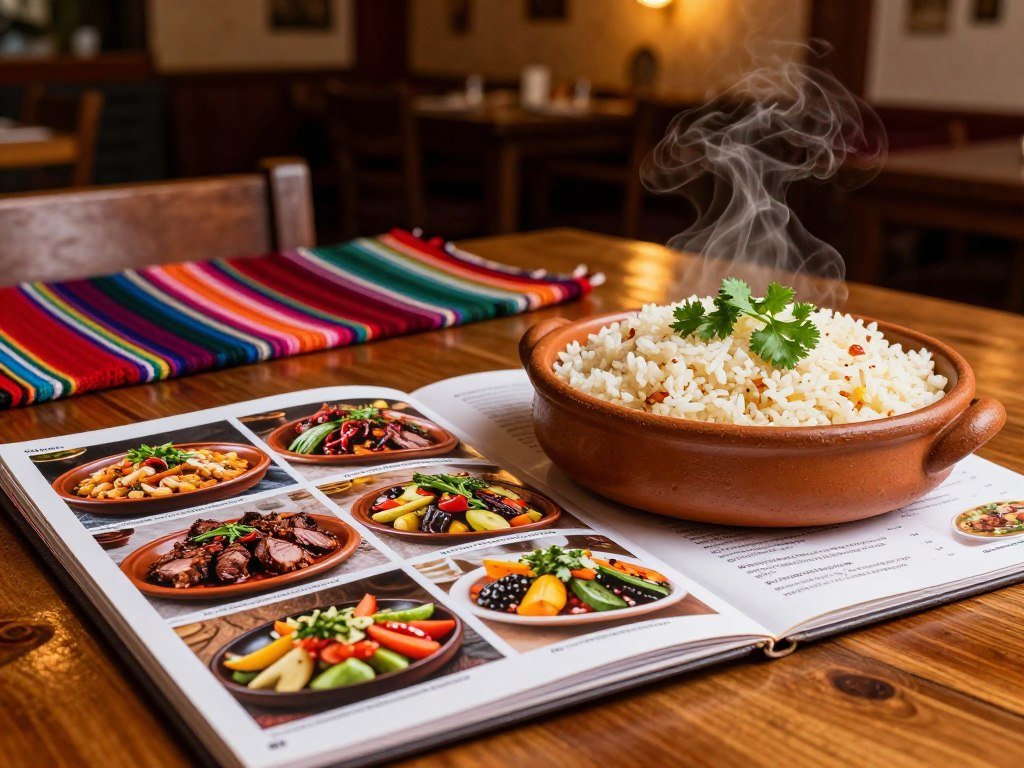
In Peru, traditional regions include Cusco, the Sacred Valley towns of Pisac and Ollantaytambo, Ayacucho and Huanuco. Cusco versions may feature lamb with seasonal crops, while Huanuco is known for pork with local seasoning. Ayacucho often pairs potatoes and corn.
These differences reflect local ingredients and tastes, rather than a single standard recipe. Pachamanca is also prepared for communal gatherings and special events, where a shared serving can suit a group better than individual dishes. Ask whether rice comes with the meal if that side matters to your order.
Restaurant menus and chicken pachamanquero
A U.S. restaurant may list traditional Pachamanca, a special-event version or pollo pachamanquero. The chicken preparation is related, but menu wording alone does not confirm underground cooking. Compare current menus, then contact restaurants directly about the dishes they offer.
Restaurant-quoted prices depend on the offering and portion, so confirm the amount directly with the restaurant. A listed price for one person does not compare fairly with a platter meant for several diners. Ask what the serving includes, especially when a menu lists a price without a clear portion size.
Compare the same serving basis, such as a per-person price against another per-person price, before deciding which local option is the better value.
What should I confirm before booking?
Before you reserve, get the restaurant to confirm the dish, date and serving size in plain terms. A five-digit ZIP Code can make a local search more precise, but it does not confirm that the dish is available. Get the serving basis in writing or repeat it back so the restaurant and you mean the same thing.
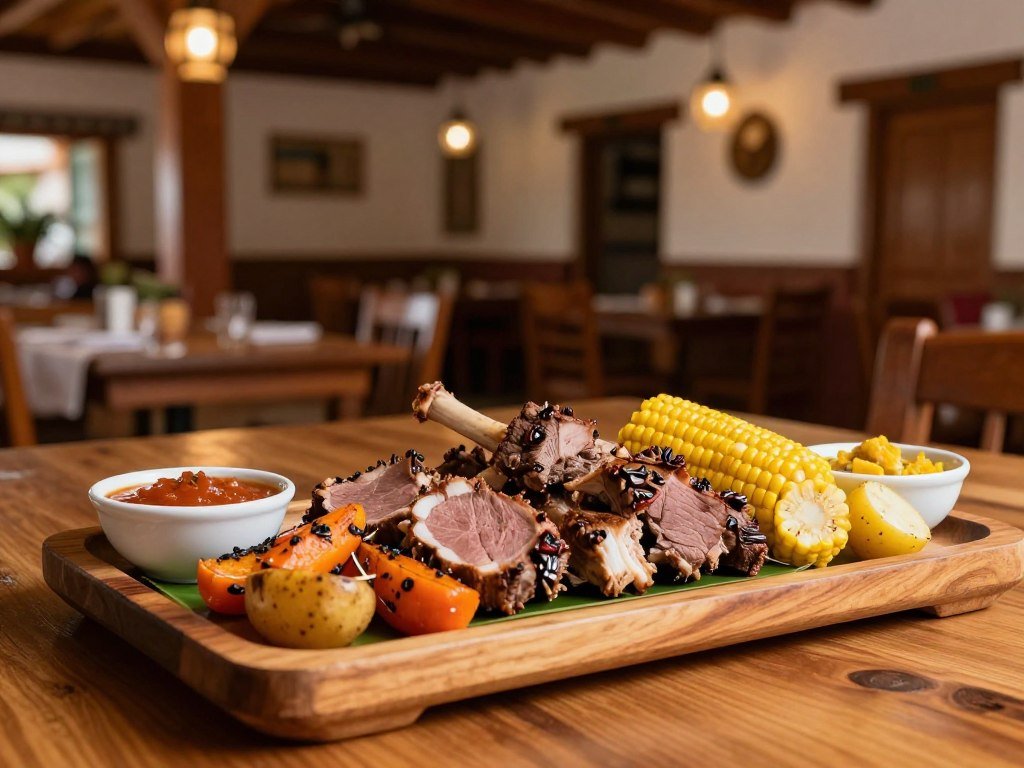
- Confirm the date the dish is available.
- Ask whether it is underground-cooked Pachamanca or pollo pachamanquero.
- Check whether the quoted amount is per person or for a full platter, and how many servings or pieces it includes. Ask whether onions and sauces come with it.
- Verify reservation or advance-order details directly with the restaurant.
A five-digit ZIP Code narrows the local search, but it cannot tell you whether the dish is available.
Keep the restaurant’s confirmation of the serving basis beside its quoted price so you can compare like with like.
Conclusion
The best local choice is the one that can confirm the preparation and serving details you actually want. You may prefer traditional underground cooking or a related menu version, but the restaurant should be clear about what it offers. That clarity helps you choose an experience that fits your taste and interest in Peruvian cuisine and traditions.
Take the next step with a local search using your city or ZIP Code. Contact a nearby restaurant to confirm availability and its current price before you make the trip.
FAQ
How much does Pachamanca cost in the United States?
There is no single nationwide price for Pachamanca; each restaurant sets its current amount. The serving may be priced per person or as a platter for several diners. Ask which basis the restaurant uses, how many servings the platter includes, and what comes with it. Compare only prices that cover a similar portion.
Is Pachamanca available on a regular restaurant menu?
Yes, Pachamanca can appear on a regular restaurant menu, but some places prepare it for gatherings or special events. A menu listing does not mean it is served every day. Ask which date it will be available and whether the menu describes traditional cooking or a related dish. Event meals may also use shared platters.
Is pollo pachamanquero the same as traditional Pachamanca?
No, the name pollo pachamanquero does not by itself mean the chicken was cooked underground. It may be a related restaurant preparation rather than traditional Pachamanca. Ask whether the chicken cooks beneath the soil with heated stones and coals. The restaurant can also tell you how its preparation differs from the traditional method.
How far ahead should I order Pachamanca?
There is no set lead time that applies to every restaurant. Some preparations may need advance ordering, while other menu offerings may be available on the day. Ask the restaurant whether it requires an order ahead, and confirm the date and number of servings. Do not assume a reservation alone secures the dish.
Can I order Pachamanca for one person?
Some restaurants may sell individual servings, but you should not assume that every place does. Pachamanca is also served as a shared platter for a group. Ask whether the menu offers a single portion, the size of that serving, and whether the listed price is per person. This helps you avoid ordering more than you need.
Is Pachamanca vegetarian?
Traditional versions commonly include chicken or beef, so do not assume the dish is vegetarian. Ask whether the restaurant can prepare a separate meat-free version and confirm every ingredient. Check whether the cooking method or serving setup includes meat, stock or shared cooking surfaces. A restaurant can explain what its vegetarian option contains.



