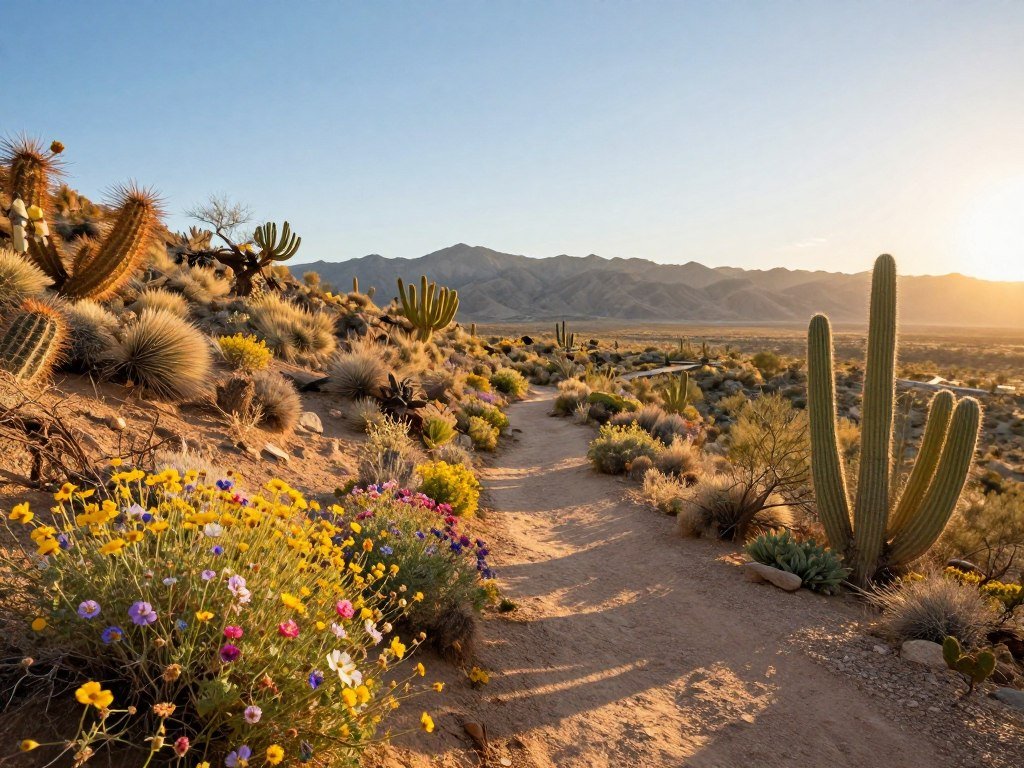
March is a strong month for exploring warm desert landscapes, subtropical wildlife habitats, and island parks before summer heat takes hold. The best national parks to visit in March can offer mild afternoons, though the season still brings snow and cold nights to northern or high-elevation areas. A superbloom is an unusually widespread desert wildflower display that can follow favorable rainfall.
Your weather, trail access, and scenery will depend on the park you choose. The options ahead span desert hiking, wildlife viewing, coast, and island scenery, with no promise that every park feels like spring.
Key Takeaways
- Lower-elevation desert parks often suit March travel.
- High-elevation parks may still have winter weather and snow.
- Wildflower blooms depend on rainfall and other conditions.
- Island parks can require advance transport planning.
- Check current weather and access before you set dates.
Choose the trip around the kind of landscape you most want to experience, then check that park’s current conditions before setting dates.
Best National Parks to Visit in March for Desert and Cactus Country
For dramatic desert scenery, Death Valley and Saguaro make the clearest March choices, while Petrified Forest adds a geology-focused stop. Pick by scenery: salt flats, cactus country, or ancient stone.
March average highs and lows are 65°F/43°F in Death Valley, 65°F/44°F in Saguaro, and 62°F/31°F in Petrified Forest. These temperatures help set expectations, but weather can change across each park.
Choose a park for the terrain you want to explore, not just its daytime temperature.
Death Valley and Saguaro for desert scenery
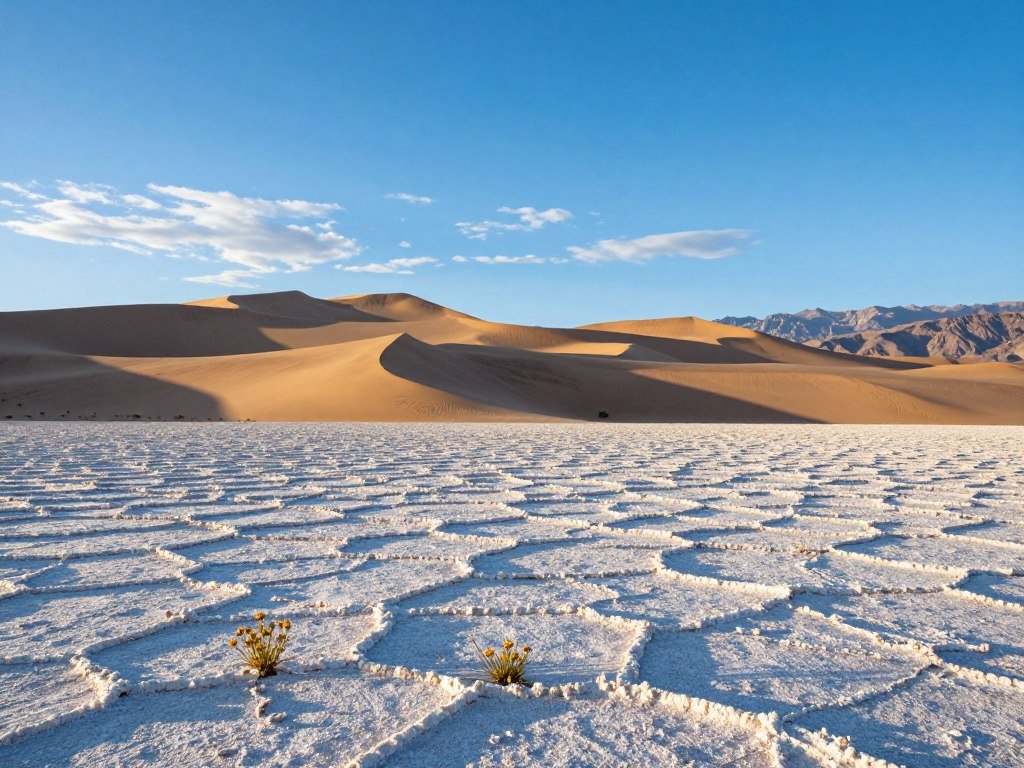
Death Valley National Park pairs broad salt flats with sand dunes and mountain views. Its scale makes it a strong choice for scenic drives and hikes across varied desert ground.
Saguaro National Park sits near Tucson, Arizona, with towering cacti across its desert setting. It works well if you want a cactus-focused trip and easy access to a city base.
Petrified Forest and Big Bend for a different desert trip
Petrified Forest National Park centers on fossilized logs and colorful badlands. The park’s rock and soil patterns give your visit a geology focus rather than a cactus one.
The best national parks to visit in March near Texas include Big Bend, a separate Texas option outside these 12 featured picks. Arizona and California offer the other desert options. The best national parks to visit in the USA in March depend on whether travelers prefer desert hiking, geology, or wildlife.
When comparing parks visit options, consider the travel distance as well as the scenery. If you are starting in Texas, consider Big Bend as a separate March alternative rather than adding a long cross-country detour.
Which Utah Parks Are Worth Visiting in March?
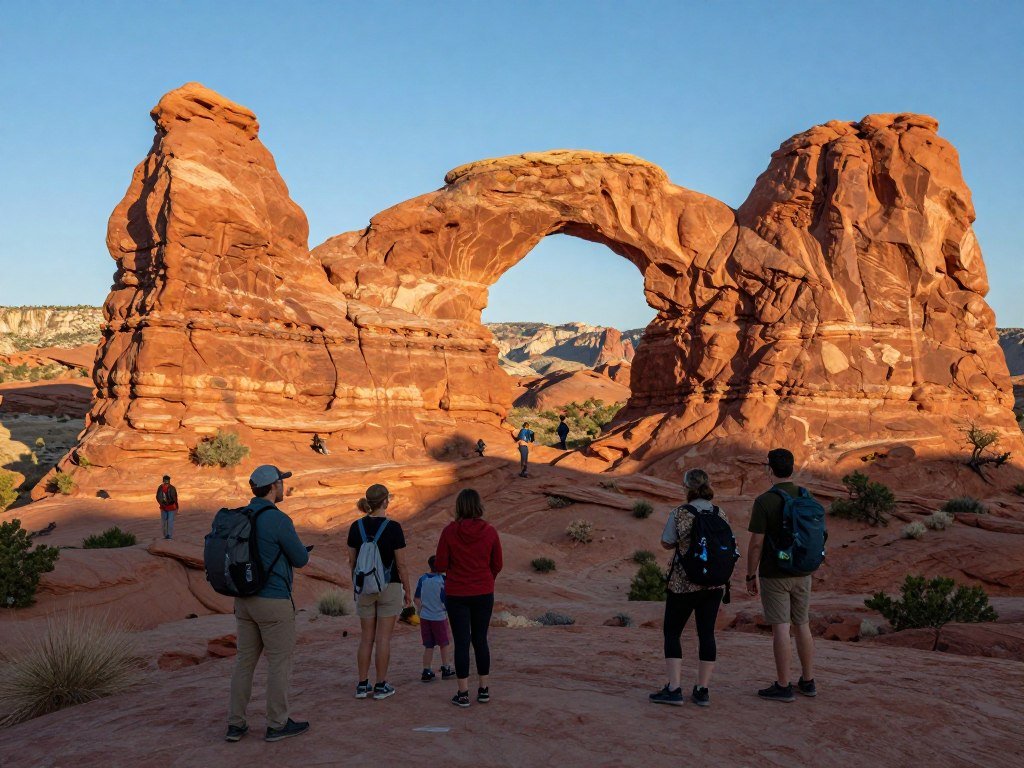
Zion is the strongest fit for a classic canyon hike, while the other three parks offer distinct ways to explore Utah’s red-rock country. For signature trails, Zion and Arches are natural starting points.
March average highs and lows are 55°F/30°F in Zion, 61°F/35°F in Arches, 59°F/30°F in Canyonlands, and 52°F/36°F in Capitol Reef. Nights can feel cold, even after a sunny day.
These parks make a varied national parks visit, but conditions can differ by trail and elevation. Plan for weather that may still feel wintry.
Zion and Arches for signature hikes
Zion National Park is a strong choice for canyon scenery and established hikes. The Narrows follows a river through a deep canyon, so high water can affect access.
Check the Zion current conditions page for river flow, closures, and shuttle updates. Arches National Park has famed sandstone formations and hikes ranging from short walks to longer routes.
Arches’ variety suits a trip where you want to see rock formations on foot without choosing only one style of hike. Weather and trail conditions still shape what is practical.
Canyonlands and Capitol Reef for expansive geology
Canyonlands has distinct districts, each with its own access and views. Canyon overlooks give you a broad sense of the park, while the distance between districts calls for route planning.
Capitol Reef centers on the Waterpocket Fold, with cliffs and canyons across a less familiar setting. It suits travelers seeking a quieter-feeling alternative to Utah’s better-known stops.
Gifford House in Capitol Reef starts its season on March 14, Pi Day. Treat the opening as a seasonal extra, not proof that every visitor service is open.
For a Zion National Park hike in the Narrows, check current trail and water conditions before committing to the route.
Where Can You Find Warm Water, Wildlife, and Island Scenery?
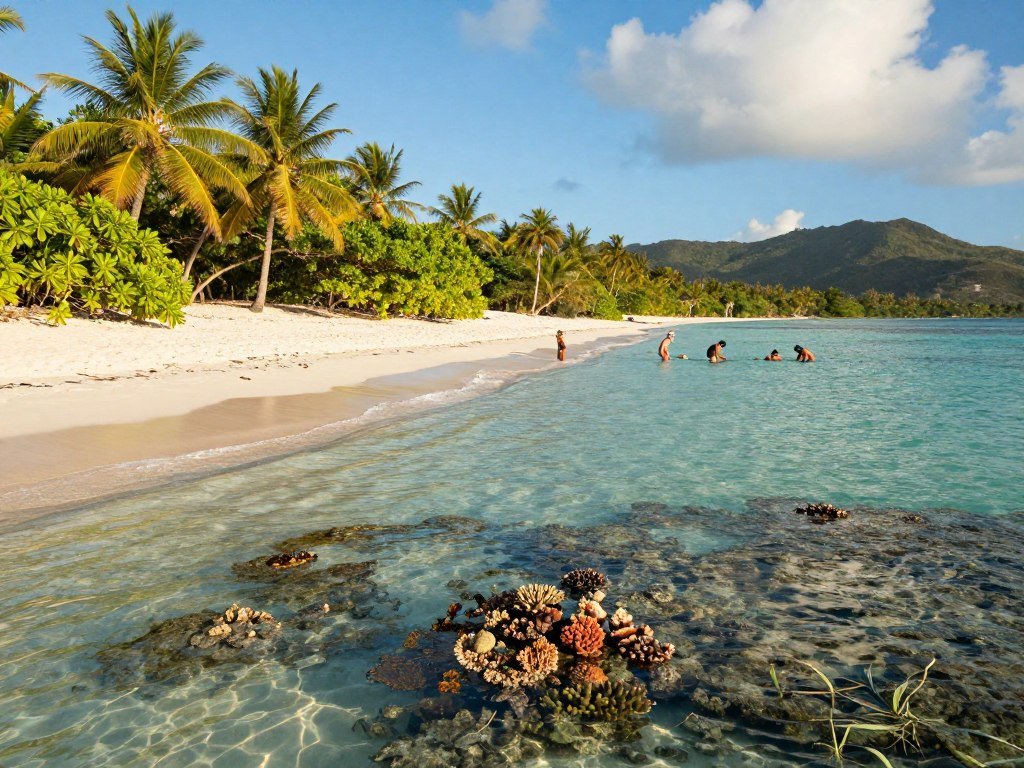
Choose Everglades for wetland wildlife, Biscayne for time on the water, and the island parks for beaches, snorkeling, or historic scenery. Warm-water trips suit travelers seeking a different March season.
March average highs and lows range from 72°F/66°F in Biscayne to 82°F/75°F in Virgin Islands National Park. Everglades averages 80°F/61°F, while Dry Tortugas averages 79°F/68°F.
These national parks offer very different ways to spend a day, from wildlife watching to boat travel. Choose based on the activities you want most.
Everglades and Biscayne for wildlife and waterways
Everglades National Park protects about 1.5 million acres of wetlands, forests, and marine habitats. You may spot wildlife in a range of settings, from marshes to coastal waters.
Biscayne National Park is 95% underwater, so boat-based activities are central to a visit. The park suits travelers who want to spend time on the water rather than follow a land-based trail plan.
Both parks offer wildlife and water, but the balance differs. Everglades spans many habitat types, while Biscayne’s mostly underwater setting shapes how you explore.
Dry Tortugas and Virgin Islands for an island escape
Dry Tortugas National Park lies 70 miles off Key West and is reached by ferry or seaplane. Its historic fort and birdlife make the remote trip more than a beach stop.
Dry Tortugas requires advance transport planning because visitors reach it by ferry or seaplane. Build that travel leg into your dates and timing.
Virgin Islands National Park pairs beaches and snorkeling with hiking. Its island scenery suits visitors who want both time in the water and trails on land.
Unlike a mainland park reached by road, Dry Tortugas depends on transport across open water or by air. For Dry Tortugas, make the transport plan part of choosing the trip dates, not an afterthought.
Can You Visit Olympic National Park in March?
Yes, Olympic can be visited in March, but snow and road conditions can change which areas are reachable. Access varies across the park, so plan around the roads and areas open during your dates.
Hurricane Ridge Road closes due to snow and reopens when conditions permit. The Hoh Rain Forest area, including trails, parking areas, and restrooms, is listed as open.
The Hoh Rain Forest Visitor Center is scheduled for Friday through Sunday, 9 a.m. to 4:30 p.m., through October 31, 2026. Those hours do not apply to March.
Pinnacles for a California hiking stop
Pinnacles National Park offers rock formations, caves, and chances to look for California condors. Its March average high and low are 64°F and 35°F, making it a cooler hiking choice.
The best national parks to visit in March near California include Pinnacles and Death Valley. Pinnacles offers the cooler hiking option, with trails among striking rock formations.
Try these activities at Pinnacles:
- Hike among the rock formations.
- Check whether the Talus Caves are open.
- Look for California condors.
Both Talus Cave sections may be open during the last week of March and sometimes throughout the month. Cave access can change, so check conditions for your visit.
Olympic offers varied scenery, with winter access checks
Olympic combines rain forest, coast, and mountain scenery, but March access is not the same across every area. Travelers headed to Ozette should check State Route 112, which often has closures or detours from flooding and landslides.
The park’s road and weather hotline, 360-565-3131, offers a practical check before you go. For the latest park conditions, use the Olympic conditions page.
Call 360-565-3131 for current Olympic road, campground, and weather information before you travel.
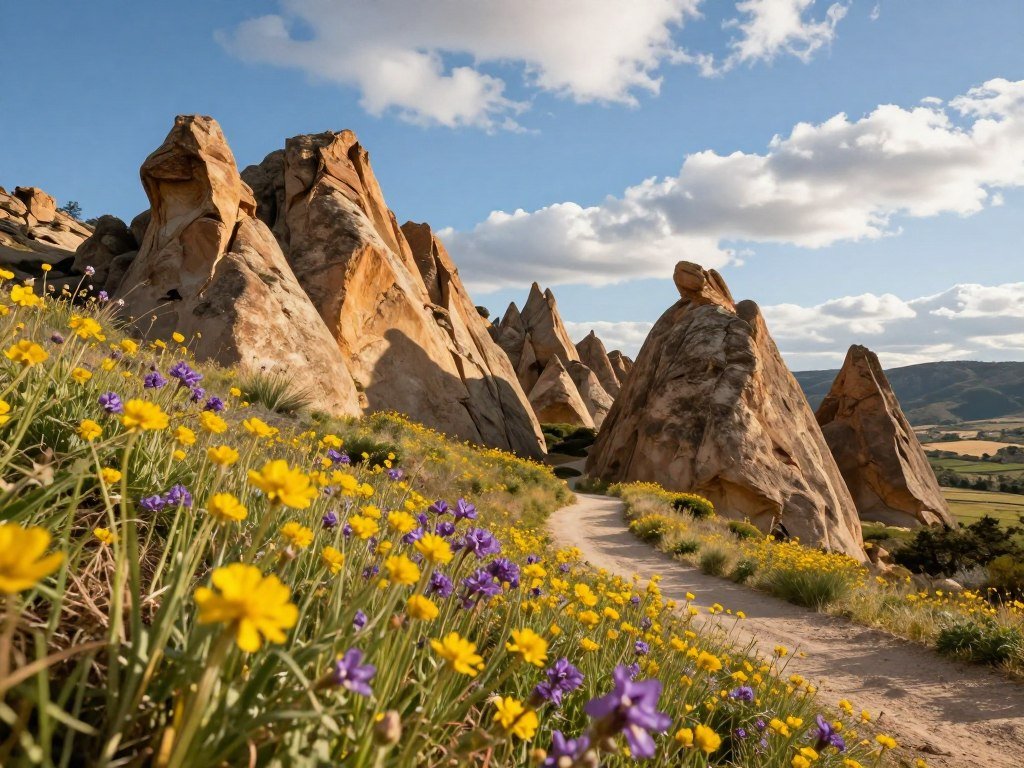
What Is March Weather Like, and When Do Death Valley Blooms Appear?
March weather changes sharply across the country, so desert comfort does not mean every park is warm from morning to night. Desert days can feel mild, while nights and early hours stay cool.
Death Valley’s 2026 superbloom began in late February and was over by the end of March. Flowers increased in early March, with Desert Gold and Phacelia fields along Badwater Road by early to mid-March.
That 2026 display lasted about two weeks, then ended after early high temperatures. It is a dated example, not a forecast for another year.
Wildflower years depend on well-spaced rainfall through fall, winter, and spring, enough warmth, and an absence of drying winds. Death Valley needs a rainstorm of at least half an inch to wash away a seed’s protective coating and let it sprout.
Use a simple preparation list for changing temperatures and sun:
- Pack layers for cool mornings and warmer afternoons.
- Carry water.
- Bring sun protection.
- Check current weather.
Rainfall patterns and heat shape the chance of blooms, so no March visit guarantees flowers. Plan to enjoy Death Valley’s scenery whether or not flowers appear.
How Can You Avoid Crowds and Choose the Right March Week?
March is not uniformly quiet, since spring break and peak flower viewing can concentrate visitors in popular areas. Midweek dates may help, but famous trailheads can still fill.
Death Valley’s typical peak wildflower period runs from mid-February through early April, bringing crowds and limited parking in popular areas. The National Park Service recorded 323,014,305 recreation visits in 2025 across 406 reporting parks.
Attendance fell by 2.7% from 2024, yet 26 parks still set annual visit records. That mix shows why a national trend cannot predict conditions at one park.
| 2025 visitation measure | Figure | What it shows |
|---|---|---|
| Total recreation visits | 323,014,305 | Visits across 406 parks |
| Change from 2024 | Down 8.85 million | 2.7% fewer visits |
| Parks setting annual records | 26 parks | 6% of reporting parks |
Try these simple crowd tactics:
- Travel midweek.
- Arrive early.
- Consider a less prominent park.
The best national parks to visit in April include Arches, Canyonlands, Guadalupe Mountains, and Grand Canyon. December falls within the November-to-March best season for Death Valley, Big Bend, Saguaro, Dry Tortugas, Everglades, and Virgin Islands National Parks.
A systemwide attendance decline does not guarantee an empty trailhead at a well-known park.
The best national parks to visit in winter include those same six southern parks, where November through March brings mild temperatures and lower crowds than summer.
What Fees, Permits, and Reservations Should You Check?
Entry fees, park reservations, and activity permits are separate rules, so check each one for your destination. Entry is only one part of planning a visit.
In 2026, Yosemite charges non-U.S. residents aged 16 or older an extra $100 unless they enter with an Annual or America the Beautiful Pass. Yosemite’s standard entrance pass costs $20-$35.
Private vehicles pay the vehicle fee instead of the $20 per-person fee, and the nonresident fee applies separately. Yosemite does not accept cash; it accepts major credit cards and mobile payment services.
Yosemite’s annual park pass costs $70 and gives U.S. citizens and permanent residents 12 months of free entrance. The America the Beautiful Resident Annual Pass costs $80 and covers entrance fees and standard amenity day-use fees at participating federal recreation sites.
An entrance pass does not cover a separate reservation requirement or fee.
| Park or situation | Fee or rule | When it applies | Important exception |
|---|---|---|---|
| Yosemite non-U.S. residents | Extra $100 per person | Age 16 or older, 2026 | Waived with Annual or America the Beautiful Pass |
| Zion general entry | Park fee; no entry reservation | Park entry, most Zion Canyon visits, shuttle | Shuttle needs no ticket or reservation |
| Zion Angels Landing | Permit required | Every hiker | General park entry differs |
| Rocky Mountain timed entry | Reservation required | May 22-October 12, 2026 | Dates exclude March |
| Olympic wilderness camping | Advance permit required | Wilderness camping | No permits at trailheads |
Yosemite entrances are open 24 hours except Hetch Hetchy. Zion needs no ticket, permit, or reservation for general entry, most Zion Canyon visits, or the shuttle, though visitors pay the park fee.
Every Angels Landing hiker needs a permit. Rocky Mountain’s timed-entry period starts May 22, 2026, so it does not apply to March dates.
Olympic wilderness camping permits must be obtained in advance, with none available at trailheads. Check related drone access rules too, since park land and airspace permissions differ.
Verify current-year fees and access requirements shortly before departure.
Conclusion
March rewards a trip built around the landscape and activities you care about most. Decide whether you want desert hiking, subtropical wildlife, or island scenery, then match your dates to current access and weather conditions.
Conditions can shift between parks and even between areas in one park. A little planning helps you choose a trip that fits your time and comfort with changing weather.
Pick one destination, confirm its conditions and entry rules, and start planning your March itinerary.
FAQ
What are the best vacation spots in the US during March?
For a national park trip, Death Valley and Saguaro are strong warm-desert choices, while Everglades offers subtropical wildlife. March brings milder daytime conditions to many lower-elevation parks than summer. Your choice depends on whether you prefer desert trails, cactus scenery, or wetland habitats. Check conditions for your dates, since temperatures and access can vary by park.
Can I visit Olympic National Park in March?
Yes, you can visit Olympic National Park in March, but winter conditions may limit access. Snow closes Hurricane Ridge Road until conditions allow it to reopen. Flooding or landslides can also cause closures or detours on State Route 112, the road toward Ozette. Check current road and weather updates before choosing your route and departure time.
Do national parks require reservations in March?
Reservation rules vary by park and activity. Zion does not require a reservation for general entry, most Zion Canyon visits, or its shuttle. Rocky Mountain National Park’s timed-entry dates in 2026 begin May 22, so they do not cover March. Special hikes and wilderness camping can have separate permit rules, even when general park entry does not require a reservation.
Are national parks crowded during March spring break?
Some popular parks can get busy during March spring break, especially during peak flower viewing. Death Valley’s typical wildflower period runs from mid-February through early April, and popular areas can have limited parking. Midweek visits, early starts, and less prominent parks may make your day easier. Crowds still depend on the park and the dates you choose.
Does Death Valley bloom every March?
No, Death Valley does not bloom every March. A strong wildflower year needs well-spaced rain through fall, winter, and spring, enough warmth, and few drying winds. In Death Valley, a rainstorm of at least half an inch helps remove the seed’s protective coating so it can sprout. Even favorable conditions do not promise the same bloom each year.
Are desert national parks warm in March?
Many desert parks have mild daytime temperatures in March, but nights can be much cooler. Death Valley and Saguaro average highs of 65°F, while their average lows are 43°F and 44°F. Higher or colder desert areas can have lower temperatures. Pack layers for early starts, then check the local forecast for your exact dates and planned stops.



