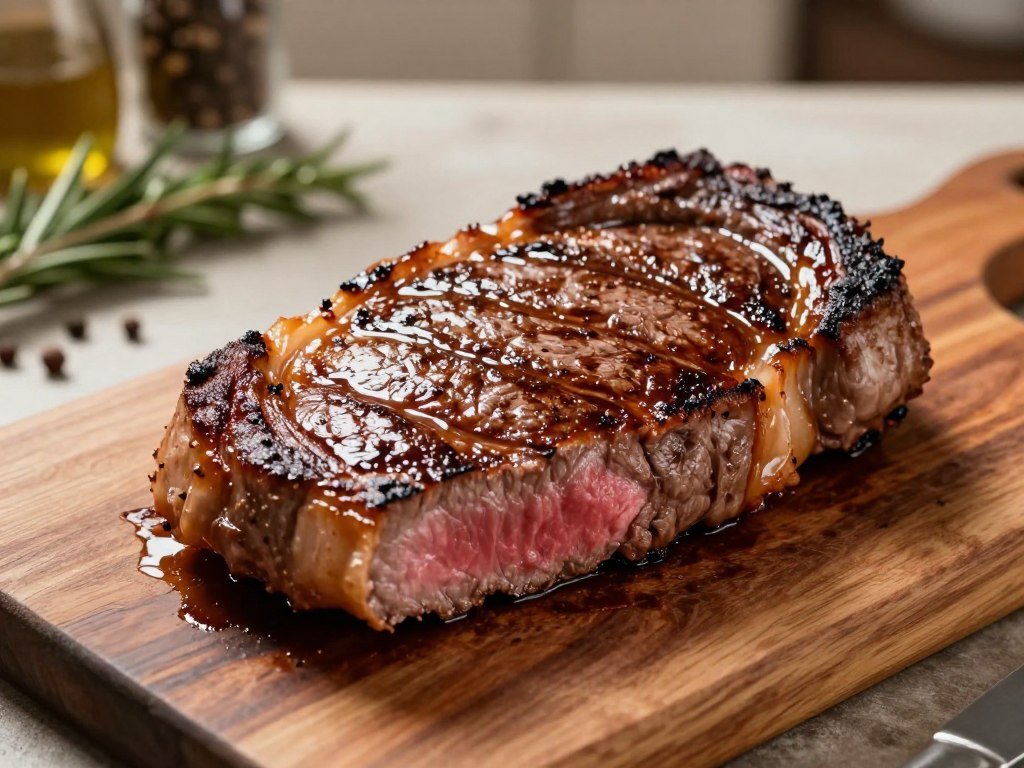
A second serving can still taste tender if you control the heat instead of rushing it, especially with steak. Dinner leftovers can dry out when they get too hot, too fast, so choose a method that fits the portion and your schedule.
For a whole cut, gentle warming can help protect the center before you restore the crust. Sliced portions need less time and call for a different approach. Carryover heat is residual heat that continues warming the steak after it leaves the pan.
You can serve it warm, or skip reheating when cold slices suit the meal. Either way, start with safely stored leftovers and check the internal temperature when heating them. The right method depends first on whether the steak is whole or already sliced.
Key Takeaways
- Use gentle heat to help protect a whole cut’s texture.
- Choose a covered pan for sliced portions.
- Use a thermometer to check safe reheating.
- Cold slices work well in sandwiches, wraps, and salads.
- Pick your serving style before choosing a method.
What Is the Best Way to Reheat Steak?
For a whole, thick cut, the oven-and-sear method offers the most control over how evenly the center warms. It starts with gentle oven heat, then uses a short skillet finish to refresh the crust. That makes it the best choice when texture matters more than speed.
The 110°F oven target is an intermediate point, not a safe finished reheating temperature. Use the finished-temperature rule in the food-safety section, and check the center with a meat thermometer.
Warm the steak gently in the oven
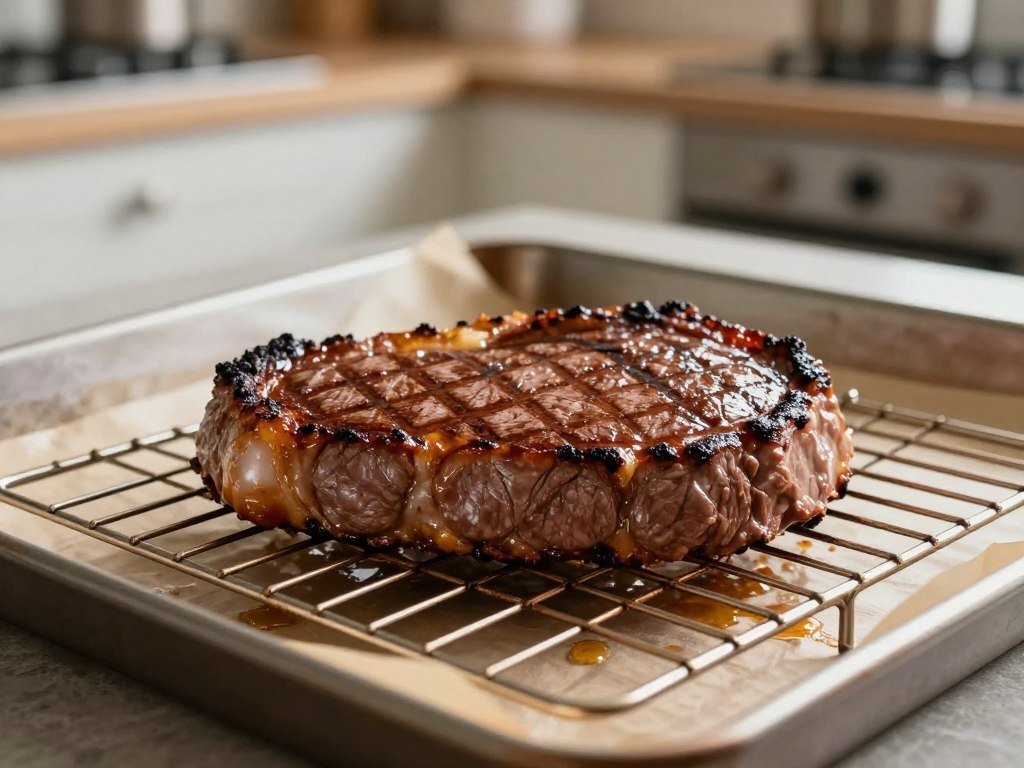
Set the steak on a wire rack over a rimmed baking sheet. The rack lets warm air move around the meat, while the sheet catches drips. Warm it in a 250°F oven until its internal temperature reaches 110°F.
A 1½-inch steak took roughly 30 minutes in a test, but thickness and size affect the time. The best way to reheat steak in the oven is to warm it slowly before searing. To reheat steak without cooking it more than needed, use gentle heat and keep the sear brief.
Restore the crust with a quick sear
Pat the surface dry, then heat 1 tablespoon of vegetable oil in a skillet. Sear steak for 60-90 seconds per side, then rest it for 5 minutes. The tested steaks reached 125-130°F after resting, which is a test result, not a safe reheating endpoint.
The oven reading marks a stage in reheating, not the safety finish. Use the required safe temperature for the final check.
That quick finish adds browning without leaving the steak over direct heat for long. The method works best when you keep the steak in one piece until the warming stage ends.
| Phase | Setup | Temperature or timing | Endpoint |
|---|---|---|---|
| Oven warming | Wire rack over rimmed sheet | 250°F until 110°F | Intermediate center reading |
| Skillet finish | 1 tablespoon oil | 60-90 seconds per side; rest 5 minutes | Crust restored |
Keep the steak whole during the gentle warm-up so its exposed surface stays limited.
How Long Can You Keep Leftover Steak Safely?
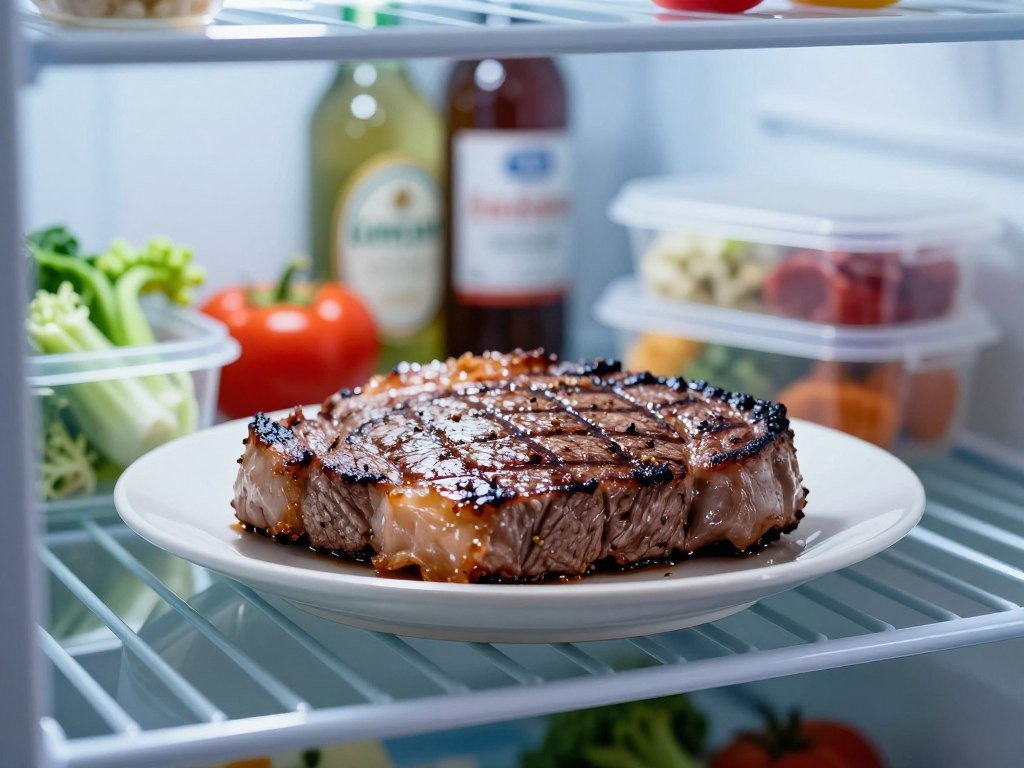
Refrigerate leftover steak within 2 hours of serving, and use it within 3-4 days. Reheat leftovers to a minimum internal temperature of 165°F, checked with a meat thermometer. Those limits help you judge both the meat and how it was handled.
Discard steak left at room temperature for more than 2 hours, or for more than 1 hour when the temperature is above 90°F. Extra heat cannot make improperly stored food safe. Keep the refrigerator at 40°F or below; an appliance thermometer for your refrigerator can help you check its actual temperature.
Use this quick checklist when you put away dinner. The room-temperature limit applies before refrigeration, so do not count on a later cooking step to fix a long delay.
- Refrigerate the portion promptly after serving.
- Use it within the 3-4 day window.
- Discard portions that exceeded the room-temperature limit.
Store the meat in a covered container so it does not sit exposed in the refrigerator. Labeling the container with the day you stored it can make the use window easier to track.
Fresh-looking meat is not proof that it stayed safe. If a portion exceeded either time limit, discard it rather than trying to rescue it with extra heat.
How Do You Reheat Steak in a Pan?
A covered skillet is the practical choice when the leftover portion is already sliced. Medium heat and a little butter or oil warm the pieces more gently than direct high heat. For steak strips, a pan lets you watch them closely as they warm.
Use about 1 tablespoon of butter or oil, and cover the pan to hold in heat. A rough estimate for medium-rare steak is 2-3 minutes, but that timing does not replace the 165°F food-safety temperature. Check the center rather than relying on the clock.
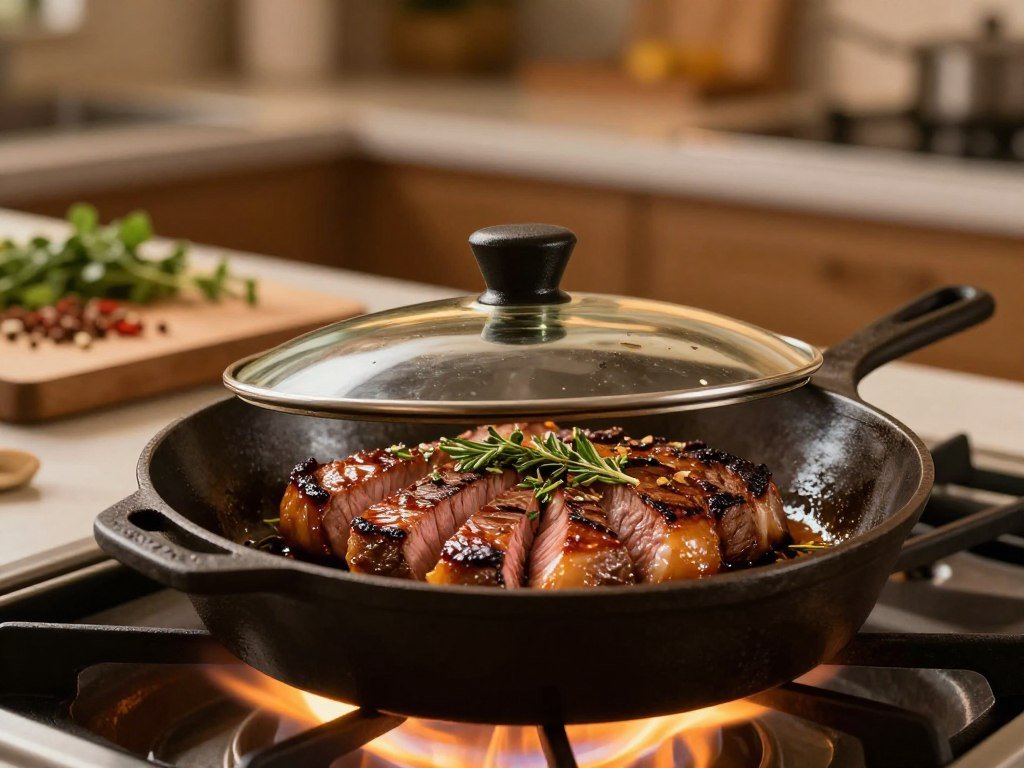
To reheat steak in a pan, keep the slices in one layer when possible. Follow these steps on the stovetop:
- Warm the pan over medium heat with butter or oil.
- Arrange the steak slices in one layer.
- Cover the pan and flip the slices regularly.
- Remove the slices once they are warm, then check the center.
A lid helps heat reach the top of each slice, so the pan does not need a fierce flame. That matters with thin strips, which can turn tough before a thick piece would finish warming.
The best way to reheat steak strips is to warm them only until they feel ready to serve. For thin strips, take the pan off the heat as soon as they feel warm so they do not turn chewy.
How Do You Reheat Steak in the Microwave?
If the microwave is the only convenient option, lower power and short bursts help limit tough, uneven heating. Full power can overheat the outside before the center gets warm. The microwave is a quick fallback when ease matters more than an even texture.
Place the steak on a microwave-safe plate and cover it with a damp paper towel. Set the microwave to 50% power, then heat in 30-second bursts. Check the steak often and stop when it reaches the safe reheating temperature.
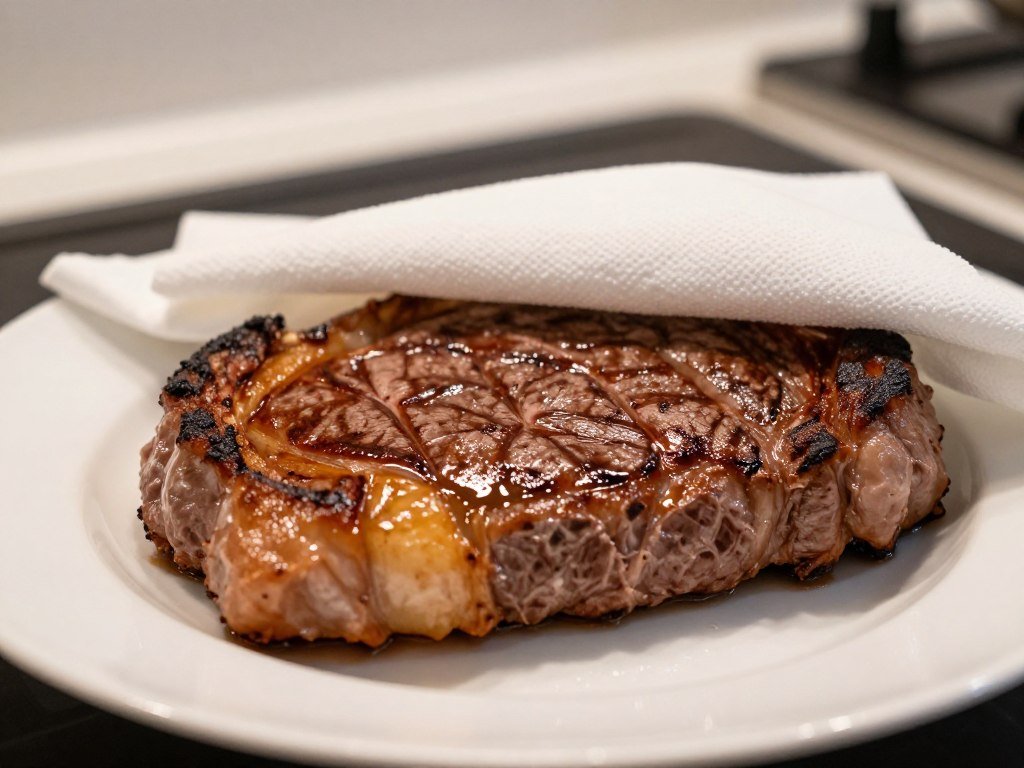
A damp towel helps keep the surface from drying as the meat heats. Let the steak sit briefly between bursts, then check the center before adding more time. Thin portions may warm sooner than a thick piece.
This approach can help when you need one portion ready without setting up another appliance. It gives you less control than slower, more even warming, so short checks matter more than a fixed total time.
Do not wait for the outside to look freshly cooked. Stop once the center is warm rather than waiting for the surface to look freshly cooked.
Can You Reheat Steak in an Air Fryer?
An air fryer can reheat steak quickly, especially when you want a browned exterior without using a stovetop pan. Preheat it for 5 minutes at 360°F, then place the steak in the basket. Check it before the outside dries; size and thickness change how fast the center warms.
Use these steps for either a whole cut or slices. A whole steak generally needs more time than smaller pieces, so check the center at the suggested point.
- Preheat the air fryer for 5 minutes at 360°F.
- Place steak in the basket without crowding it.
- Check a whole steak after 5-6 minutes, or sliced steak after 2-3 minutes.
- Remove it when heated through, checking the center first.
Those times are starting points, not guarantees. Thicker cuts and larger portions take longer to warm through than small, thin slices. A browned surface can form before the center is ready.
For the safest check, use a thermometer and follow the finished reheating temperature. The air fryer is a compact option when you want a browned outside, but it needs close attention with thicker cuts.
Check the center before serving because a browned surface does not confirm that the steak is heated through.
Which Steak Reheating Method Fits Your Cut and Schedule?
For a thick whole steak, choose the oven-and-sear method; for slices, use a covered skillet. The best fit depends on your cut, equipment, and preferred texture. An air fryer suits a quick browned finish, while a microwave is an urgent fallback.
Between a microwave and air fryer, choose the air fryer for a browned exterior and the microwave when it is the only available appliance. Sous vide offers precise warming if you already own the equipment: seal the steak in a bag, then place it in a 120-130°F water bath for 5-8 minutes.
Choose the oven-and-sear method for a whole, thick cut
The oven-and-sear method is the best choice for most whole, thick steaks because it warms the center gently before restoring the outside. It takes two appliances and more attention than a single quick method, but it gives you more control over an even warm-up.
Choose a faster method for slices or limited equipment
A covered skillet suits slices because you can turn them as they warm. An air fryer keeps the setup compact, though a thick center can be harder to monitor. The microwave works when speed and access matter most, with a less even result.
| Method | Best case | Setup | Tradeoff |
|---|---|---|---|
| Oven-and-sear | Thick whole cut | Oven plus skillet | Even warming, two appliances |
| Skillet | Slices | Covered pan | Hands-on flipping |
| Air fryer | Quick browned finish | Basket | Less control over thick center |
| Microwave | Urgent single portion | Microwave-safe plate and damp towel | Most uneven texture |
| Sous vide | Precise warming | Sealed bag and water bath | Specialized equipment needed |
Choose the method for the shape of the portion, not just the appliance within reach. Check the center because browning alone cannot show that the steak is heated through.
Each method has a different tradeoff, from extra setup to less control over the center. Match the tool to the cut and the texture you want, then monitor the center rather than trusting appearance alone.
How Can You Serve Leftover Steak Without Reheating It?
Thin slices do not always need another round of heat to make a satisfying meal. Cold steak works well in sandwiches, wraps, and salads, especially when another heating step could overcook the meat. Cold serving is an option only when the portion was stored safely.
Use warmed steak in tacos, grain bowls, or breakfast hash. Add it near the end of cooking, so it warms with the dish instead of sitting over heat for too long. Beef broth or saved juices can add moisture to a dish, but they do not make unsafe meat safe.
Already-sliced portions can be hard to reheat without cooking them further. A sandwich or wrap makes those thin pieces easy to use straight from the refrigerator, while a salad offers a lighter meal. Choose the dish based on whether you want a cold or warm plate.
For tacos or hash, cut the meat into bite-size pieces and stir them in near serving time. That gives the steak a chance to warm without taking over the cooking time of the other ingredients.
Serving steak cold does not extend its storage life. Cold slices belong in a meal only if they were handled and stored safely.
There is no need to heat every piece just because it is leftover. Choose a cold sandwich or salad when the slices are already thin and you want to avoid cooking them further.
Conclusion
A little patience makes leftover steak easier to enjoy without treating it like a fresh cut. Gentle heat helps protect texture, while safe handling and a thermometer guide the final decision. The best way to serve a portion may be warm or cold, depending on its shape and your meal.
Start by deciding how you want dinner to look: a whole cut, thin slices, or a cold dish. Then choose a reheating method that fits that portion, and check its center before serving.
For your next meal, decide whether the portion will be served whole, sliced, or cold before you warm it.
FAQ
How to reheat carne asada?
Warm thin carne asada slices briefly in a covered skillet, and make sure reheated leftovers reach 165°F. Turn the pieces so they warm evenly, then check the center with a food thermometer. Because carne asada is often sliced thin, it can dry out quickly if left over the heat. Take the pan off the burner once the meat is ready.
Can you reheat steak in an air fryer?
Yes, you can reheat steak in an air fryer, using the timing for a whole or sliced portion. Start with a preheated air fryer, then check whether the steak is heated through before serving. Size and thickness affect how quickly the center warms, and a browned outside does not prove the middle is ready. Use a thermometer for a clear check.
Can I reheat steak and baked potatoes in the oven?
Yes, you can warm steak and baked potatoes in the same oven, but check each one separately. Their size and shape affect how quickly heat reaches the center, so one may be ready before the other. Bring reheated leftovers to 165°F, and use a thermometer to check the steak and potato. Remove each item when it reaches that temperature.
What is the best way to reheat an already cooked steak?
For a whole, thick cut, use a low oven followed by a quick sear, then follow the safe reheating temperature. This method warms the center gently and restores some crust at the end. A covered skillet works better for sliced steak because the pieces need less warming time. Check the center with a food thermometer before serving.
How long to reheat a steak at 350 in the oven?
There is no dependable time that fits every steak at 350°F, so use a thermometer and reach the safe minimum. A 350°F oven is hotter than the gentle oven method, and a thin cut warms faster than a thick one. Check the center as it heats instead of relying on the surface or a fixed number of minutes.
Is it better to reheat a steak in the oven or the microwave?
The oven is better for even warming, while the microwave is a convenience fallback. Use gentle oven heat for a whole cut, or use low microwave power and short bursts when you need a quick portion. The microwave can heat the surface before the center, so check often. Either way, use a thermometer to confirm the safe finished temperature.
Can I reheat steak in the oven using foil?
Yes, you can loosely tent foil over steak in the oven if you want to limit surface drying. Keep the meat on a rack so warm air can move around it, and monitor its internal temperature. Foil does not replace a thermometer or change the safe reheating temperature. Remove the cover for a brief sear if you want to refresh the crust.