A new phone can be a daily camera, work tool and entertainment screen, so the right pick depends on what you actually use. In 2026, you can choose a premium flagship or spend less on a phone that handles everyday needs. The main platforms are Apple’s iOS and Android, used by Google, Samsung, Motorola and other brands.
Camera quality, battery life, screen size and software support matter in different ways to different people. This roundup helps you compare phones by budget, platform and daily use, so you can find a good experience without paying for features you rarely need. Optical zoom means magnification created by the camera lens, rather than by cropping and enlarging an image digitally.
Readers who decide first which two features matter most can avoid paying extra for hardware they will rarely use.
Key Takeaways
- Start with your budget and preferred operating system.
- The iPhone 17 is a strong starting point for most buyers.
- The Galaxy S26 Ultra suits Android power users.
- The Pixel 10 Pro is the AI-focused Android pick.
- The Pixel 10a is a more affordable Android choice.
- Compare screen size, battery life and support before buying.
How to Choose the Best Phone 2026 for Your Needs
Start with your two daily must-haves, such as all-day battery life and a comfortable screen. Those needs matter more than a processor name if you mainly message, take photos and want reliable battery life.
Pick for the way you use a phone, not the highest number on a spec sheet. A week or more of real-world use can reveal battery drain and handling issues that listed specs do not show. A useful phone buying checklist can help you compare the main trade-offs.
Do not pay for processor speed alone when messaging, photos and dependable battery life cover your daily needs.
Use this four-point checklist to narrow your options before comparing models:
- Budget: Set a price limit that includes the phone’s full cost.
- Platform and devices: Apple makes iOS phones; Google, Samsung and Motorola make Android phones. Consider the devices you already own.
- Screen and handling: Compare screen size with the phone’s width, weight and comfort in your hand.
- Camera and battery: Decide whether you need flexible cameras, long runtime, or both.
Battery life can change with screen brightness, signal strength and demanding apps. A week with your main device gives you a clearer picture of those effects than a quick store visit.
A phone that fits comfortably in your hand and lasts through your usual day is a better match than one with a faster chip you do not need.
Which Phones Make the Strongest 2026 Shortlist?
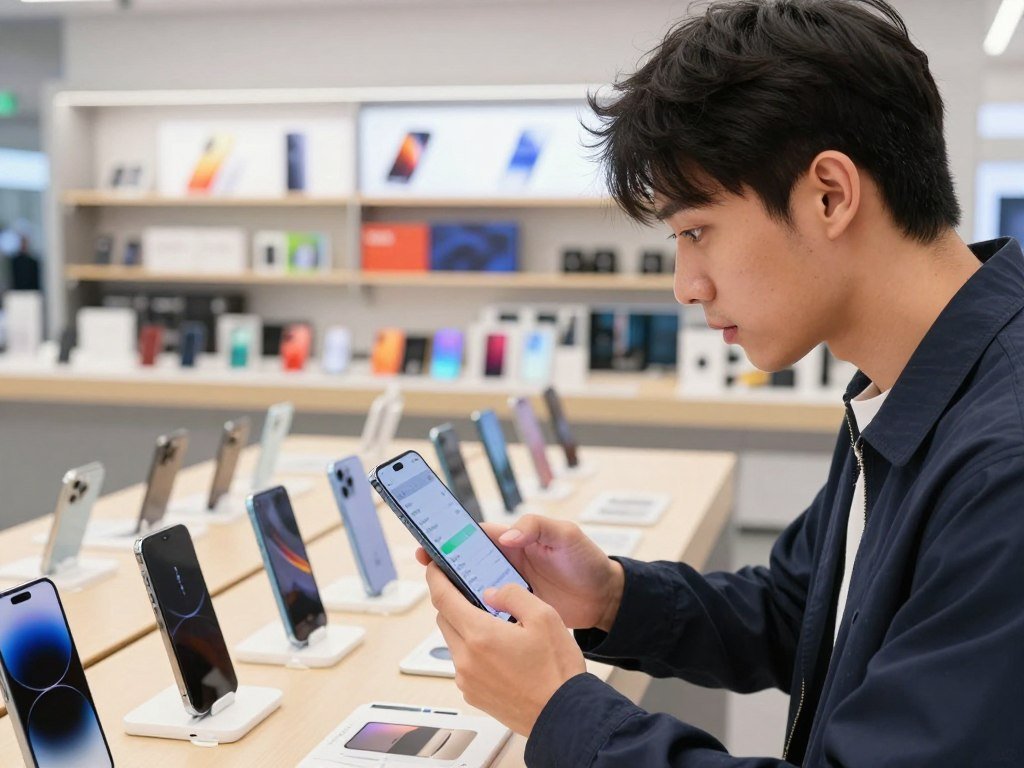
If you want one default starting point, put the iPhone 17 at the top of the list, then branch out by platform and budget. For most people, it offers a useful balance of features and cost compared with a Pro model.
The Galaxy S26 Ultra is the premium Android option, the Pixel 10 Pro is the AI-focused choice, and the Pixel 10a is the budget pick. These phones answer different needs, so there is no need to treat one flagship as the winner for every buyer.
Here are 20 candidates grouped by the way you might use them:
- iPhone family: Apple iPhone 17, iPhone 18 Pro, iPhone 18 Pro Max and iPhone 17e.
- Samsung family: Samsung Galaxy S26 Ultra, Galaxy S25 FE, Galaxy A57 5G and Galaxy A17 5G.
- Google Pixel family: Google Pixel 11, Pixel 10 Pro, Pixel 10a, Pixel 10 and Pixel 10 Pro Fold.
- Other camera and foldable phones: OnePlus 15, Oppo Find X9 Ultra, Motorola Razr Fold, Samsung Galaxy Z Fold 8 and Galaxy Z Fold 7.
- Senior-focused phones: Consumer Cellular IRIS Easy Flip and Lively Jitterbug Smart5.
This short list covers standard phones, camera specialists, foldables and simpler devices. The top five choices make a useful first cut, while the longer list includes options for less common needs.
A top 10 best phones in the world in 2026 list should include phones for more than one budget. A top 5 best phones in the world in 2026 can focus on broad appeal, while a top 20 best phones in the world in 2026 adds specialist models. There is no single number one phone in the world in 2026 for every buyer.
Treat the shortlist as a way to narrow your options, not a ranking that overrides your own priorities.
Which iPhone Gives Most People the Best Value?
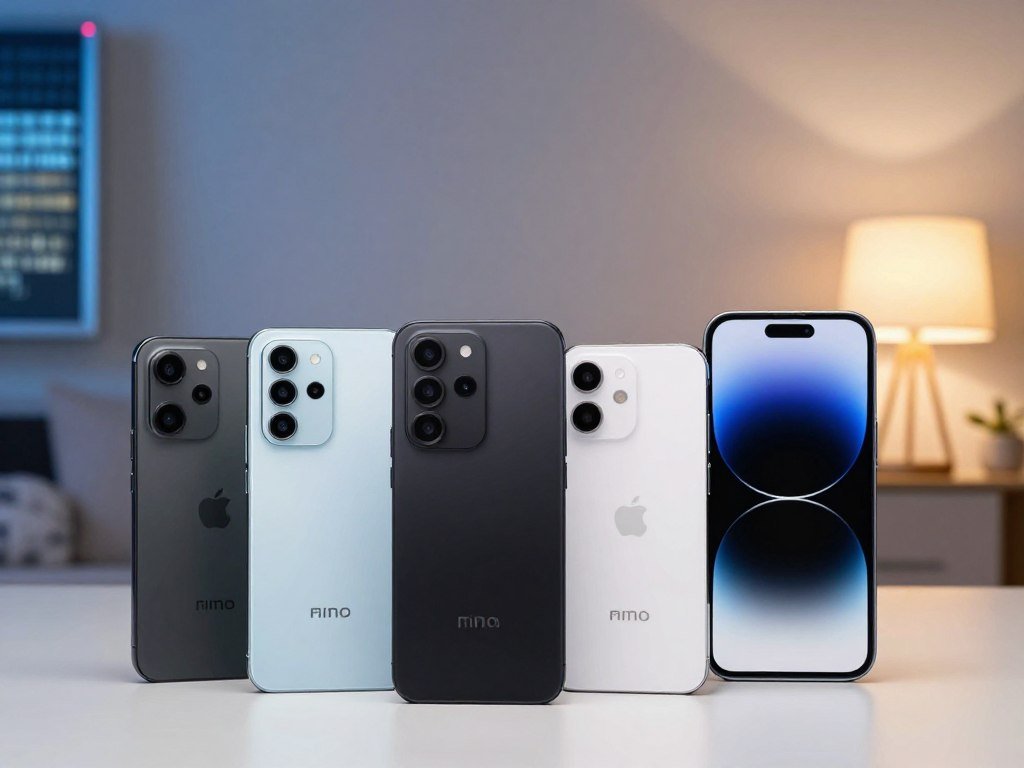
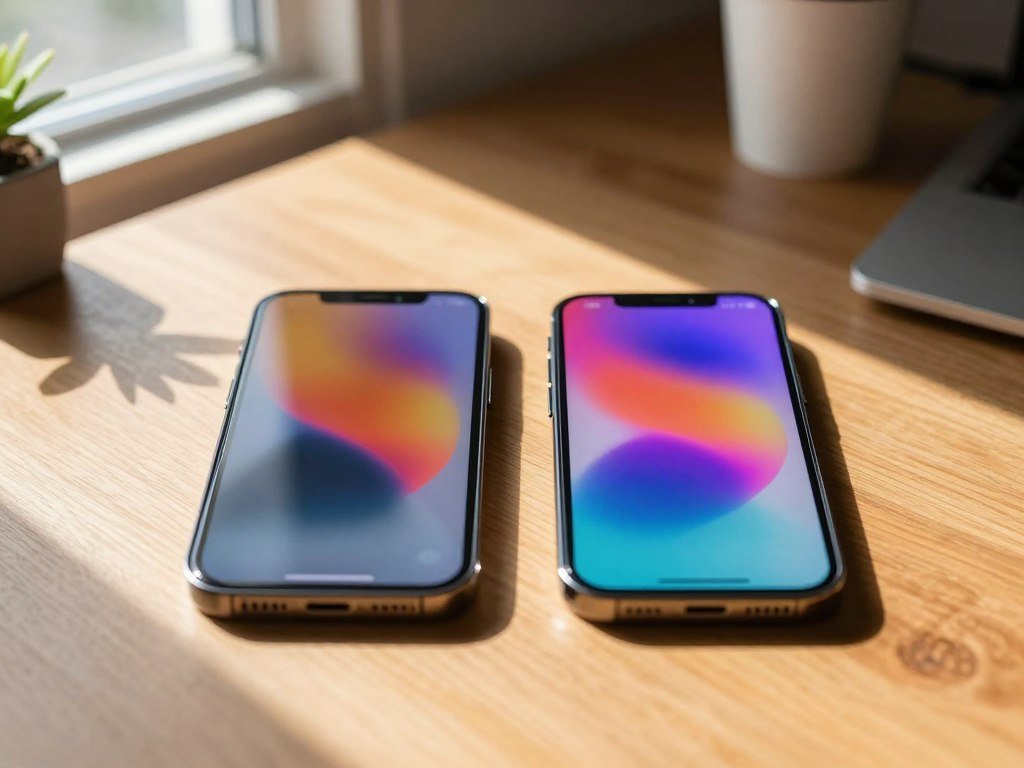
The iPhone 17 is the safest iPhone recommendation for most people who want a current standard model without stepping up to Pro. It balances a smooth display, two rear cameras and enough storage for everyday use.
Choose the iPhone 17 for a more capable screen and camera setup, or the 17e to spend less. The standard model has a 6.3-inch OLED display with a 120Hz variable refresh rate, which can make scrolling feel smoother.
| Model | Platform tier | Best-fit buyer |
|---|---|---|
| iPhone 17 | Standard iPhone | Wants a smooth screen and two rear cameras |
| iPhone 17e | Lower-priced iOS | Wants a less costly iPhone |
| Google Pixel 10a | Budget Android | Wants an affordable Google phone |
The iPhone 17 uses Apple’s A19 processor and has 48MP wide and ultrawide rear cameras. It comes with 256GB or 512GB of storage, and its listed price is $829.99.
In a battery test, the iPhone 17 lasted 24 hours and 31 minutes. That result reflects a test method, not a promise of the same runtime for every person.
The iPhone 17e lists at $599.99, with 256GB of base storage, a 6.1-inch screen and a stated battery rating of up to 26 hours. A T-Mobile listing shows $600, a slight difference from the listed $599.99 price.
The 17e gives up the larger screen and smoother refresh rate but remains a lower-priced way into iOS. Its smaller screen may suit you if you prefer a phone that takes up less space.
If you are choosing between these two iPhones, pay for the 17’s larger, smoother display only if you will appreciate it in everyday use.
iPhone 18 Pro or Pro Max: Which One Fits?
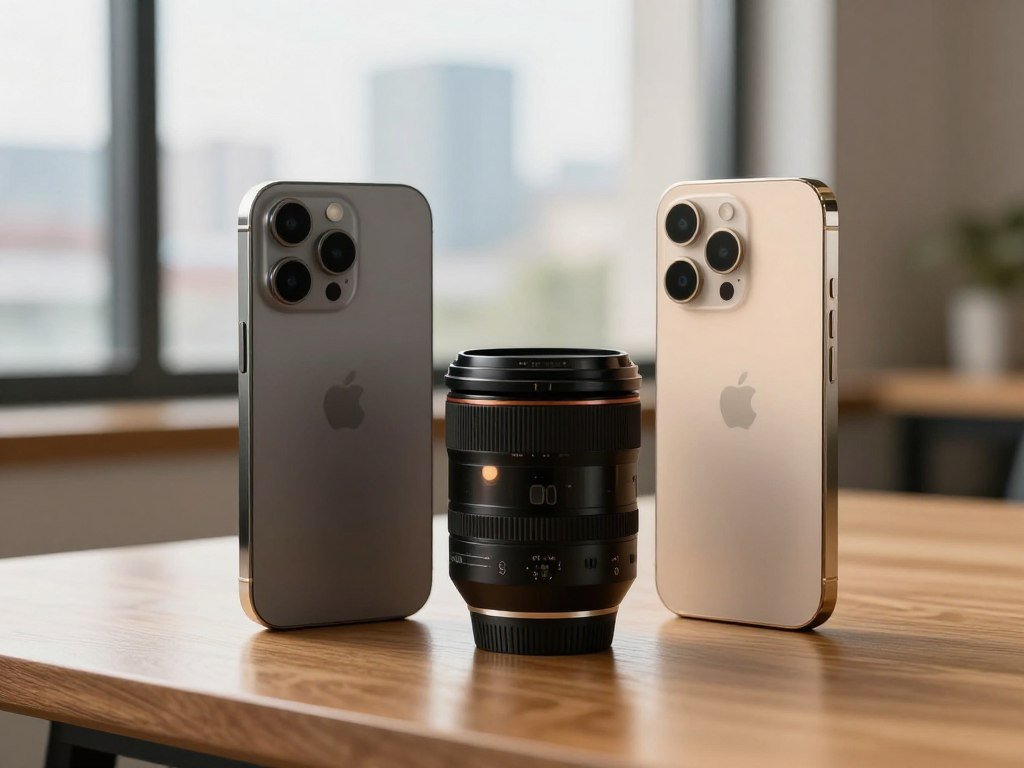
Choose the iPhone 18 Pro if you want the premium iPhone camera and performance package in the smaller of these two sizes. The Pro Max is the better fit if you want a much larger display.
Both models share Apple’s A20 Pro processor and a three-camera rear system with a 4x optical-zoom telephoto camera. The iPhone 18 Pro has a 6.3-inch display, while the Pro Max measures 6.9 inches.
Choose the iPhone 18 Pro for a smaller premium phone
The Pro’s main camera has a variable aperture from ƒ/1.48 to ƒ/4.0. Aperture means the opening in a lens that controls how much light reaches the camera sensor.
That variable opening gives the camera a way to adjust how much light enters. Both phones also have three 48MP rear cameras, so the smaller Pro does not drop the shared camera system.
The iPhone 18 Pro can reach 50% charge in 15 minutes with wired charging. That milestone can help when you have little time to plug in between outings.
Choose the iPhone 18 Pro Max for a larger screen
The 6.9-inch Pro Max gives you more room for video, games and reading. Its larger body may feel less convenient in a pocket or when you use it one-handed.
Think about how often you hold a phone for long stretches. A screen that looks impressive in a store can feel heavy during a full day of carrying it.
The Pro Max is the sensible upgrade only if its larger screen is worth carrying every day.
Which Samsung Galaxy Flagship Suits Android Power Users?
For an Android power user who wants Samsung’s most complete slab-style flagship, start with the Galaxy S26 Ultra. Its large display and built-in tools support work, notes and entertainment.
The S26 Ultra is best for buyers who will use its S Pen, big screen and extra hardware. Its 6.9-inch AMOLED display, Snapdragon 8 Elite Gen 5 processor, 200MP main camera and built-in S Pen make it a feature-rich flagship.
| Android model | Strongest use case | Distinguishing feature |
|---|---|---|
| Samsung Galaxy S26 Ultra | Power users | Built-in S Pen and Privacy Display |
| Google Pixel 10 Pro | AI-focused buyers | Named a leading Android AI phone |
| Google Pixel 10a | Lower-cost buyers | Budget-focused Google phone |
The S Pen can help you jot down notes or mark up a document, while the wide screen makes it easier to keep more than one task in view. Privacy Display is another feature on the phone’s spec list.
Samsung lists 60W wired charging for the S26 Ultra. That gives you a clear hardware detail to compare when charging speed matters in your routine.
Size and price are real trade-offs. A buyer who mainly texts, browses and takes casual photos may not need a large Android phone with a stylus.
Skip the Ultra tier if a large screen, stylus and extra hardware would mostly sit unused.
Which Google Pixel Is Best for AI Features?
For Android buyers who put on-device AI features first, the Pixel 10 Pro is the direct recommendation. Its AI focus makes it the clearest choice if you want Google’s AI tools at the center of your phone use.
Judge AI features by whether they save time in daily tasks, not by their marketing claims. A tool that helps you finish a real task matters more than a long feature list you rarely open.
TechRadar named the Google Pixel 10 Pro its best Android phone for AI in 2026. That category fit makes it a better starting point for AI-focused buyers than choosing a phone just because it is newer.
The standard Pixel 11 is a newer option if you want a regular Pixel rather than a Pro model. It has a 6.3-inch OLED display with a 120Hz variable refresh rate and Google Tensor G6 processor.
The Pixel 11 comes with 256GB or 512GB of storage and is rated for up to 30 hours of battery life. Its listed storage options give you a choice based on how many apps and files you keep on the phone.
That maximum battery rating is not the same as a runtime you can expect in every daily routine. Brightness, apps and network use all affect how long a charge lasts.
Buyers who want a more affordable Google Pixel should compare the Pixel 10a separately. It sits in a different price tier from the Pro and standard models.
Choose the standard Pixel 11 when its screen, storage and daily-use balance matter more than a Pro label.
Which Phones Last Longest Between Charges?
In the stated battery test, the iPhone 18 Pro Max lasted 2 hours and 10 minutes longer than the iPhone 18 Pro. That test makes the Pro Max the stronger choice between the two for measured endurance.
The iPhone 18 Pro Max lasted 18 hours and 27 minutes, compared with 16 hours and 17 minutes for the Pro. A reviewer measured about 30 hours of use from both models in a separate real-use report.
Those results came from different methods and conditions, so they are not direct matches. A controlled test and a reviewer’s use can put different demands on the same phone.
Your screen brightness, video playback, navigation, signal strength and gaming can all change battery life. Long stretches with bright video or navigation use more power than lighter tasks.
The Pixel 11 is rated for up to 30 hours of battery life. That is a manufacturer-style maximum rating, not a directly comparable result from the iPhone test.
A phone’s battery performance also changes with the way you use it during the day. Streaming video on a weak signal, for example, creates a different load from reading messages on Wi-Fi.
When comparing phones, keep test results separate from ratings and real-use reports. Each can help, but only the test with matching conditions gives a direct comparison.
Choose the Pro Max for longer tested endurance, but use your own daily workload as the final guide.
Which Phone Should Camera-First Buyers Choose?
For a phone chosen primarily as a camera, the Oppo Find X9 Ultra is the specialist pick to investigate first. Its camera-first role makes it a natural starting point for buyers who care more about photos than general value.
Good photos depend on image processing and stabilization as well as megapixel count. A high number on a camera spec sheet cannot tell you how well a phone handles motion or low light.
A main camera covers the everyday shots you take of people, pets and places. An ultrawide camera fits more of a group or landscape into the frame.
A telephoto camera brings distant subjects closer using the lens. The Google Pixel 11 pairs a 48MP main camera with a 10.8MP 5x telephoto camera, giving you more reach for faraway details.
That mix shows why camera flexibility can matter more than a single headline number. You can frame a close scene with the main camera, fit in more with an ultrawide, or use a telephoto lens for a distant subject.
Optical zoom comes from the lens, while digital cropping enlarges part of an image. High-resolution cropping cannot always replace a dedicated optical-zoom lens, especially for distant subjects or video.
Video adds another reason to check sample footage. Stabilization, focus and the way the image looks while moving can matter more than still-photo resolution.
Before buying, check sample photos in the kinds of low-light and moving-subject situations you actually shoot.
What Is the Best Budget Phone in 2026?
For the best balance of budget-phone features, start with the Google Pixel 10a; for the lowest listed price in this group, choose the Galaxy A17 5G. The Pixel is the stronger all-round choice, while the A17 keeps the upfront cost lower.
The Pixel 10a was named a top budget-phone pick in 2026. Its 6.3-inch display and 48MP main camera make it appealing if you want a useful screen and camera without flagship spending.
| Model | Listed price | Standout fact | Best fit |
|---|---|---|---|
| Google Pixel 10a | $499.99 | 6.3-inch display, 48MP main camera | All-round budget Android |
| Samsung Galaxy A17 5G | $199.99 | Six-year software-support commitment | Lower upfront cost |
| Samsung Galaxy A57 5G | $499.99 | 18-hour battery test result | Battery test priority |
| Samsung Galaxy A16 5G | $189.99 | 6.7-inch screen, up to 47-hour rating | Large screen and stated endurance |
The Galaxy A17 5G lists at $199.99 and has a six-year software-support commitment. A low price helps at checkout, but the support period also matters if you plan to keep a phone for years.
The Galaxy A57 5G lists at $499.99 and lasted 18 hours in a battery test. The Galaxy A16 5G was listed at $189.99, with a 6.7-inch screen and a stated maximum battery life of up to 47 hours.
Those battery figures come from different kinds of claims, so do not treat them as a head-to-head result. The Pixel’s screen and camera may be a better match if you take photos often.
You can compare more budget phones under $500 if you want to weigh other models and trade-offs. A low purchase price can be a poor bargain if you need longer software support or a better camera.
Pick the A17 if upfront cost is the priority, but compare support length before choosing it as a long-term phone.
Which Phone Works Best for Seniors?
Choose a basic flip phone if calls and simple texting matter more than apps; choose a touchscreen if the user needs familiar smartphone features. The best fit depends on hearing, vision, dexterity and which apps the person uses.
Compare the phone’s controls and full cost with the user’s needs before choosing a model. The Consumer Cellular IRIS Easy Flip costs $59 plus a $10 activation fee, and Consumer Cellular plans start at $20 per month.
Choose a basic flip phone for calls and simple texting
The IRIS Easy Flip has a 2.8-inch screen, 5MP camera and stated seven-hour battery life. Its M4/T4 hearing-aid compatibility rating gives you a specific feature to consider when choosing a simpler phone.
The Lively Jitterbug Smart5 is a touchscreen phone with a 6.75-inch screen. It costs $119.99 plus a $35 activation fee, so its larger display comes with different startup costs.
Choose a touchscreen smartphone for apps and larger text
The Samsung Galaxy A16 5G has a familiar touchscreen layout and a 6.7-inch screen. It may suit someone who already uses apps or wants a larger display.
Use this four-point checklist when comparing phones:
- Hearing: Check the exact hearing-aid compatibility rating.
- Buttons and text: Make sure controls and on-screen words are easy to see and use.
- Emergency and caregiver needs: Consider any help features the person relies on.
- Plan and fees: Add the monthly plan and activation fee to the phone cost.
The Lively Jitterbug Flip3 has a HAC 2019 rating. A rating is not a substitute for trying the phone with the wearer’s own hearing aids.
For more options, compare these phones for seniors by controls and app needs. Confirm the hearing-aid rating and the full activation and monthly cost before committing.
What Should You Choose If You Want a Smaller Phone?
If a large flagship feels unwieldy, compare the phone’s width and weight as carefully as its screen diagonal. Comfort comes from the whole shape, not screen size alone.
A 6.2- or 6.3-inch screen can be more manageable than a very large flagship, but it is not truly tiny. The Samsung Galaxy S25 has a 6.2-inch 120Hz OLED display and a dedicated telephoto camera.
The Google Pixel 10 has a 6.3-inch 120Hz OLED display. These Android phones offer high-refresh-rate screens in bodies that may feel easier to handle than larger models.
Use these four checks when trying a phone:
- Width and weight: Compare the full body, not just the screen diagonal.
- Reach: Check whether you can reach common controls with one hand.
- Camera flexibility: See if the camera setup covers the photos you take.
- Battery expectations: Decide whether the phone can fit your usual day.
Screen diagonal measures from one corner of the display to the opposite corner. It does not show how wide the phone feels in your palm or how its weight is balanced.
A compact design also depends on where buttons sit and how easily your thumb moves across the screen. Try reaching common controls while holding the phone as you normally would.
The Galaxy S25’s telephoto camera is a useful reminder that a smaller phone does not have to mean a basic camera setup. The Pixel 10 also has a 120Hz display, despite its standard-size screen.
Try the device in one hand if possible, since a fraction of an inch can change how easily you reach across the screen.
Is a Foldable Phone Worth Choosing in 2026?
A foldable makes the most sense for someone who will use the larger inside screen for reading, video or multitasking. Regular use of that opened display is what can justify the added bulk and cost.
A book-style foldable earns its place when you often open it for a larger screen. The hinge lets a phone unfold into a tablet-like space, but it adds hardware and thickness compared with a standard phone.
The Samsung Galaxy Z Fold 8 is a wide-format foldable with a 7.6-inch inner display. That extra room can help when you read, watch video or keep more than one task in view.
The Google Pixel 10 Pro Fold has an 8-inch inner screen and an IP68 dust and water resistance rating. The rating and larger interior screen make it a distinct option for buyers weighing foldable hardware.
The Motorola Razr Fold has three 50MP rear cameras. That camera setup gives shoppers another point to compare alongside the screen and hinge design.
Opening a phone can make a book, video or work task easier to see. If you rarely use the inside screen, the hinge adds cost and bulk without changing much of your routine.
Think about where you will use the larger display. A foldable can help at a desk or on a commute, but it may be less handy for quick one-handed use.
If most of your phone use happens one-handed while walking, a standard phone is usually the simpler fit.
Should You Choose iOS or Android?
Choose iOS when your other everyday devices and the people you communicate with already fit naturally into Apple’s ecosystem. Existing habits can make the platform change more important than a single phone feature.
iOS runs on iPhones, while Android gives you more choices across brands and phone designs. Apple makes both iPhone hardware and its operating system; Google, Samsung, Motorola and other manufacturers make Android phones.
Pick iOS if Apple devices and services are already part of your routine
An iPhone may suit you if family or friends use Apple messaging and file-sharing features. Your other devices matter too, including a watch or tablet that works with the same platform.
Check whether the apps you rely on work the way you expect. A familiar interface can be valuable if you prefer a consistent experience across your devices.
Pick Android if you want more choice across brands and prices
Android spans more manufacturers, prices and form factors. You can choose among standard phones, larger models and foldables without staying with one maker.
Think about how you manage apps and files. Some buyers want a familiar set of menus across devices, while others prefer a wider range of phone choices.
Messaging and file sharing with family can also shape the choice. Consider the devices the people close to you already use before changing platforms.
Before switching platforms, check that your essential apps and accessories work the way you expect.
How Are 2026 Phone Prices and the Market Changing?
The 2026 market combines rising prices with a forecast decline in worldwide shipment volume. Price and volume can move in different directions, so a busy phone market does not always mean more phones ship.
IDC forecast a 16.7% drop in worldwide smartphone shipments for 2026, to just over 1 billion units. It also forecast a higher average selling price and greater market value.
| Market measure | 2026 figure | Year-over-year change |
|---|---|---|
| Worldwide shipments | Just over 1 billion units | Down 16.7% |
| Average selling price | $581 | Up 27.6% |
| Worldwide market value | $613 billion | Up 6.3% |
U.S. smartphone shipments grew 6% year over year in Q2 2026. Apple had 54% of U.S. shipments, Samsung 30%, Motorola 11% and Google 3% that quarter.
In Q1 2026, Apple held 58% of U.S. shipments, Samsung 26%, Motorola 10% and Google 3%. Those figures describe shipments during a quarter, not the share of phones people actively use.
StatCounter’s September 2026 U.S. mobile vendor figures measured something else: Apple had 53.58%, Samsung 28.11%, Xiaomi 5.89%, Motorola 3.49% and Google 3.16%.
Global Q2 2026 shipments fell 7.4% year over year to 276.3 million. Samsung held 22.7% of worldwide shipments and Apple held 20.2%.
U.S. shipment growth and IDC’s global shipment decline cover different markets and periods. Shipment share, mobile vendor share and worldwide shipments are separate measures, not interchangeable rankings.
Apple, Google and Samsung raised prices on new smartphone launches in 2026. Samsung raised S26-line prices by $100 to $200 effective October 1, 2026, and the Pixel 11 starting price was $100 above the Pixel 10 Pro starting price.
The iPhone 17’s regular price increased by $100 in 2026, and each iPhone 18 Pro model increased by $100 over its predecessor. You can follow technology and product updates as prices and launches change.
Compare the price of the exact model and storage tier you want, rather than inferring value from a brand’s market share.
What Should You Check Before Buying a Phone?
Before you pay, check the software-support promise and the carrier terms as carefully as the monthly installment. The full deal includes more than the amount due at checkout.
Read the support, storage, carrier and payment terms before you agree to buy. Use this five-item checklist to catch details that can affect how long the phone suits you:
- Software updates: Check how many years of OS updates the maker promises. The Samsung Galaxy S25 has a seven-year OS-update commitment.
- Storage: Choose enough space for your apps, photos and files.
- Carrier and lock status: Check compatibility and whether the phone is an unlocked phone.
- Trade-in and financing: Read payment terms and conditions tied to a trade-in.
- Returns and warranty: Check the return period and what the warranty covers.
A carrier-subsidized phone can require a plan change or impose other conditions. An unlocked phone usually gives you more freedom to switch carriers.
Compare the full terms, not just the monthly payment, before you commit to a phone.
Storage is easy to overlook when a phone seems like a good deal. Think about how many photos, videos and apps you keep on the device before selecting a storage tier.
Save the exact model, storage tier and deal conditions you agreed to so you can compare them with the final checkout total.
Conclusion
The best starting point for most buyers is the iPhone 17, while Android power users should compare the Galaxy S26 Ultra and AI-focused buyers the Pixel 10 Pro. Budget Android shoppers can start with the Pixel 10a.
Move to a specialist phone only when its feature matches a real daily need. A larger screen, camera system or AI tool should make a difference in how you use your phone.
Set your budget, choose your operating system, and compare the two models that best match your everyday priorities.
FAQ
Can someone be watching everything I do on my phone?
Not through ordinary phone use alone, but someone may gain access through an app, account or device setting. Check unfamiliar apps, device-management profiles, account sign-ins and location-sharing permissions. Protect the phone with a passcode and turn on two-factor authentication for important accounts. If you find an app or profile you do not recognize, review its permissions before removing it.
What is the No. 1 brand of phone?
Apple led U.S. smartphone shipments in Q2 2026, with 54% of shipments. That figure measures new phones shipped during a quarter, not the share of all active phones or users. Samsung held 30% of U.S. shipments in that period. Your best brand still depends on the phone’s price, operating system and features, rather than its shipment position alone.
What is the best budget phone in 2026?
The Google Pixel 10a is the stronger all-round budget pick at its listed $499.99 price, while the Samsung Galaxy A17 5G costs $199.99. The Pixel suits buyers who value its screen and main camera. The A17 is a better match when a lower upfront price matters most, with a six-year software-support commitment to consider as well.
What is the best Android phone?
The Samsung Galaxy S26 Ultra is a strong choice if you want a complete premium Android flagship with a large display and S Pen. The Google Pixel 10 Pro is the AI-focused alternative. If you do not need a stylus or extra flagship hardware, a lower-cost phone may suit you better. Match the choice to the features you will use often.
What is the top 10 best phone?
A useful top 10 starts with the iPhone 17 for most people, then adds the iPhone 18 Pro, iPhone 18 Pro Max and Samsung Galaxy S26 Ultra for premium buyers. Include the Pixel 10 Pro for AI, Pixel 11 as a standard Android pick, Pixel 10a and Galaxy A17 5G for budgets, Oppo Find X9 Ultra for camera use, and Pixel 10 Pro Fold for foldable needs.
Which Android phone is the best for the money?
The Google Pixel 10a is the better all-round value choice, while the Samsung Galaxy A17 5G is the pick when minimizing the listed upfront price matters most. The Pixel’s 6.3-inch screen and 48MP main camera suit buyers who want a balanced phone. The A17 costs less and has a six-year software-support commitment, so compare both the purchase price and your needs.
Which phone to take in 2026?
The iPhone 17 is the default recommendation for most buyers. Choose the Samsung Galaxy S26 Ultra if you want a premium Android phone with power-user features, the Pixel 10 Pro for an AI-focused Android choice, or the Pixel 10a for a budget Android phone. Before deciding, set a spending limit and choose the operating system that fits your other devices.