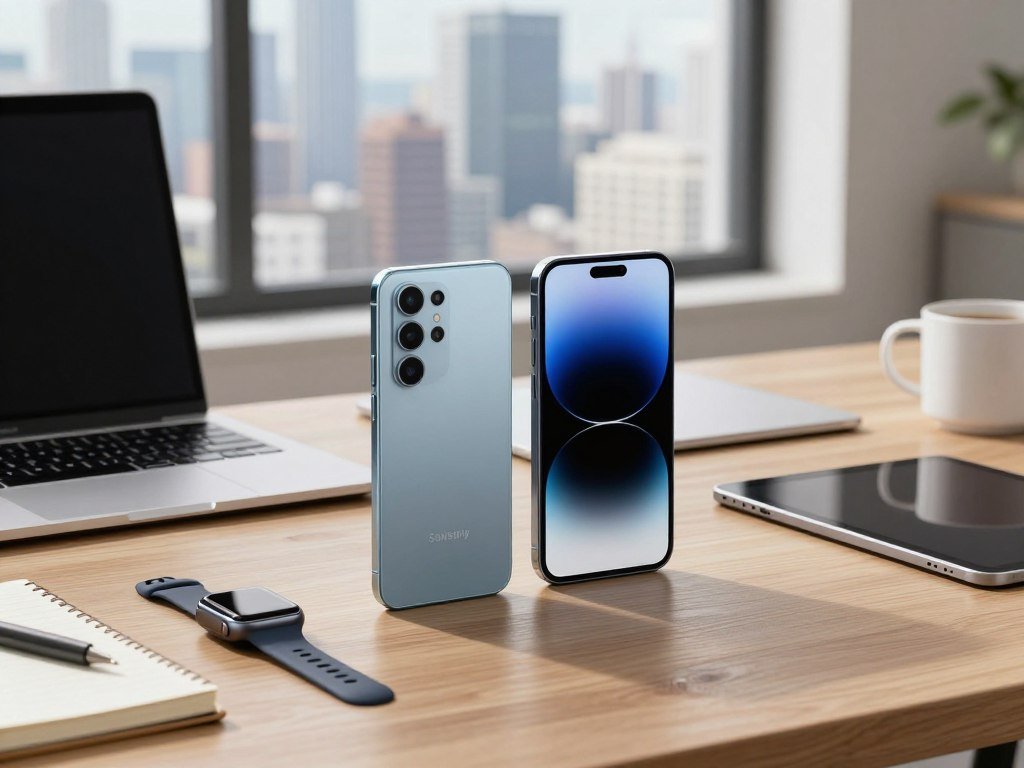
Choose an iPhone for Apple integration and a simple daily experience, or Samsung for more customization and camera flexibility. The choice depends on what you value as a user, not which brand your friends prefer. We compare the Galaxy S26 Ultra and iPhone 17 Pro Max as the current flagships. The active installed base means the number of smartphones currently in use, rather than the number shipped during a particular period.
Both phones offer a polished experience, but they work differently with your apps, accessories, and habits. One may fit your routine better even if the other looks stronger on a specification list. We’ll compare the features that shape everyday use, from camera choices to software and ownership costs.
Start with the parts of your phone that matter most. A device you use every day should suit your habits, not just impress you in a store. Decide first which features you will use every day, since a long specification list matters only when it changes your routine.
Key Takeaways
- Choose iPhone for Apple integration and a more controlled experience.
- Choose Samsung for more customization and dedicated zoom cameras.
- The Galaxy S26 Ultra is lighter, while both screens measure 6.9 inches.
- The iPhone 17 Pro Max led a 2025 battery test.
- Consider device compatibility and resale value before you switch.
Samsung vs iPhone: Which Brand Leads in 2026?
Samsung led the Q2 2026 shipment race, while Apple had the larger share of active smartphones in 2025. Shipments and active use measure different things, so neither figure alone names the better phone for you.
Samsung shipped 62.7 million smartphones in Q2 2026, held 22.7% of the global market, and grew shipments 8.1% year over year. Apple shipped 55.7 million, held 20.2%, and grew shipments 14.9%. Samsung led new shipments, but Apple had greater reach among phones still in use.
Q2 2026 shipment figures put both brands ahead of most competitors. In 2025, Apple accounted for about one in four active smartphones worldwide, while Samsung held around one in five. Together, they made up 44% of the active installed base, and each had more than one billion active devices.

Apple also added more net new smartphone devices globally in 2025 than the next seven leading manufacturers combined. Samsung vs iPhone users worldwide can be compared by shipment share or active devices; one tracks new sales, while the other tracks current reach.
- Shipments: smartphones a company sent to the market during a period.
- Shipment share: a company’s portion of all shipments in that period.
- Active installed base: smartphones currently in active use.
- Net additions: active devices added after accounting for removals.
Treat shipment growth as a snapshot of new purchases, not proof that one brand makes the better phone for you.
IDC forecast global smartphone shipments would fall 16.7% in 2026, to just over one billion units, while average selling prices rose 27.6% to $581. Its 2026 smartphone forecast also projected Android shipments down 24.3%, against a 1.3% drop for iOS. IDC expected iOS share to rise almost four percentage points, reaching 23.6%.
A Samsung vs iPhone in 2022 comparison describes older phone generations, not these current flagships. The Galaxy S26 Ultra and iPhone 17 Pro Max are the relevant pair for a current model choice.
Shipment growth can point to changing demand, but it cannot tell you how a phone feels in your hand or fits your routine.
How Do the Current Flagships Compare on Specs?
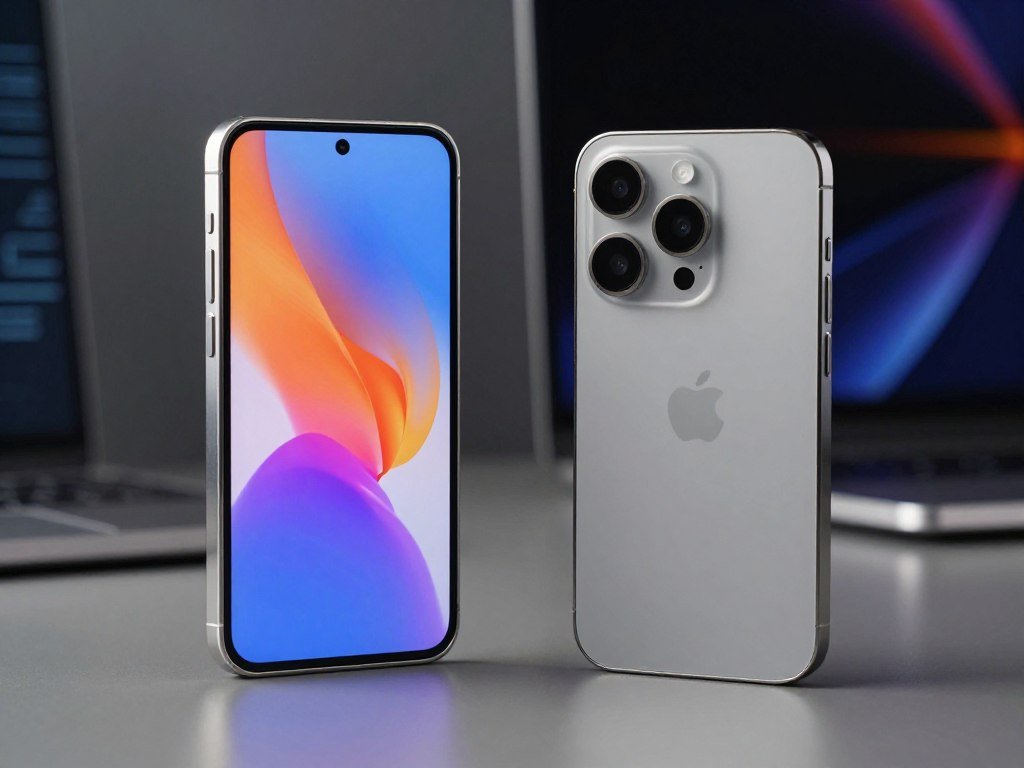
Both flagships have 6.9-inch screens, but the Galaxy S26 Ultra is sharper on paper and lighter in hand. The display size is the same, while resolution, weight, and thickness differ.
Equal diagonal screen sizes do not mean equal resolution or carrying weight. This iPhone vs Samsung comparison chart keeps each hardware value tied to its named model.
Display and physical design
| Attribute | Galaxy S26 Ultra | iPhone 17 Pro Max |
|---|---|---|
| Screen size | 6.9 inches | 6.9 inches |
| Resolution | 3,120 × 1,440 pixels | 2,868 × 1,320 pixels |
| Refresh rate | Adaptive 1-120Hz | Variable 1-120Hz |
| Weight and thickness | 214 grams; 7.9 mm | 233 grams; 8.75 mm |
| IP68 rating | IP68 dust and water resistance | IP68 dust and water resistance |
Both phones can adjust the screen refresh rate from 1Hz to 120Hz. A higher refresh rate can make scrolling look smoother, while the resolution describes how many pixels form the image.
Durability, storage, and price
The Galaxy S26 Ultra weighs 19 grams less and measures 0.85 mm thinner than the iPhone 17 Pro Max. You may notice that difference when holding either phone for a long stretch or slipping it into a pocket.
Both models carry an IP68 rating for dust and water resistance. That rating does not make water damage impossible, so avoid treating either phone as waterproof in every situation.
Screen quality involves more than resolution. Your usual brightness, text size, and viewing angle can affect how comfortable a large display feels over time. If you want to compare more buying factors, see this 2026 phone buying roundup.
Use the physical dimensions as well as the display size to judge whether either large flagship will feel comfortable in your hand.
Which Phone Has the Better Camera for Your Shots?
Samsung offers more dedicated telephoto reach, while the iPhone’s listed video options include 4K at up to 120 frames per second. Your best fit depends on what you shoot, not on the largest megapixel number.
The Galaxy S26 Ultra has two dedicated telephoto cameras, while the iPhone 17 Pro Max has one. That gives Samsung more lens-based framing choices for distant subjects.
Zoom, lenses, and still photography

| Camera attribute | Galaxy S26 Ultra | iPhone 17 Pro Max |
|---|---|---|
| Main camera | 200 megapixels | 48 megapixels |
| Ultrawide camera | 50 megapixels | 48 megapixels |
| Telephoto arrangement | 10-megapixel 3x and 50-megapixel 5x cameras | 48-megapixel 4x telephoto camera |
| Listed video formats | 8K capture | 4K up to 120 frames per second; 1080p spatial video at 30 frames per second |
The Samsung setup gives you two optical telephoto options for framing at different distances. Optical zoom uses a lens to magnify the view, rather than relying only on a digital crop.
Megapixel counts describe camera hardware, not guaranteed photo quality. Lighting, focus, and the way each phone processes an image all affect the final result. More pixels do not automatically make better pictures.
Video formats and recording choices
The iPhone 17 Pro Max supports 4K recording at up to 120 frames per second, along with 1080p spatial video at 30 frames per second. The Galaxy S26 Ultra supports 8K video capture. Those formats offer different recording options, so consider how you watch, edit, and share clips.
For an iPhone-specific look at lens reach and video controls, compare the best iPhone camera options with your usual shooting needs. A zoom-focused photographer may favor Samsung’s two telephoto lenses, while a video maker may prefer the iPhone’s listed frame rates.
Choose around the shots you actually take, especially whether distant subjects or high-frame-rate video matter more.
Is Samsung or iPhone Faster for Gaming?
For heavy multitasking, the Galaxy S26 Ultra offers up to 16GB of RAM, while both phones use their own flagship processors. More RAM helps with parallel tasks, but it does not settle every speed comparison.
The Samsung’s RAM and multitasking flexibility favor heavy parallel use, while the chip and game both shape perceived speed. The Galaxy S26 Ultra uses Qualcomm’s Snapdragon 8 Elite Gen 5 for Galaxy processor.
Chip and memory for demanding tasks

The iPhone 17 Pro Max runs Apple’s A19 Pro chip. A phone’s processor matters, but the app’s design also affects load times, frame rates, and heat during a long session.
Samsung offers up to 16GB of RAM and up to 1TB of storage. The iPhone 17 Pro Max comes with 256GB, 512GB, 1TB, or 2TB of storage. RAM holds active tasks; storage keeps games, photos, and other files.
Qualcomm’s Snapdragon chip coverage describes company claims about performance gains over the prior generation. Those are manufacturer claims, not independent results that prove one phone wins every game.
Gaming controls and everyday performance
Samsung gives you more Android multitasking controls, which can help if you switch between a game, chat, and other demanding apps. It is the stronger fit when you want to tune settings and keep several tasks active.
iPhone gaming can feel smooth when a game is optimized for iOS. For many players, opening a game and using its standard controls is enough; you may not need extra system choices.
So, Samsung vs iPhone: which is faster? Samsung’s RAM and multitasking flexibility favor heavy parallel use, while the chip and the game both matter. Which is better, Samsung or iPhone, for gaming? Choose Samsung for control and multitasking, or iPhone for a simple gaming setup.
Check that the specific games you play support the graphics settings and controls you want before choosing a phone for gaming.
Which Phone Lasts Longer Between Charges?
The iPhone 17 Pro Max topped a 2025 comparison of 35 phones, while the Galaxy S26 Ultra has faster wired charging. Tested battery life favors the iPhone, but Samsung offers a quicker wired top-up.
The iPhone 17 Pro Max topped CNET’s 2025 battery test, while the Galaxy S26 Ultra supports 60-watt wired charging. The iPhone 17 Pro Max supports 40-watt wired charging.
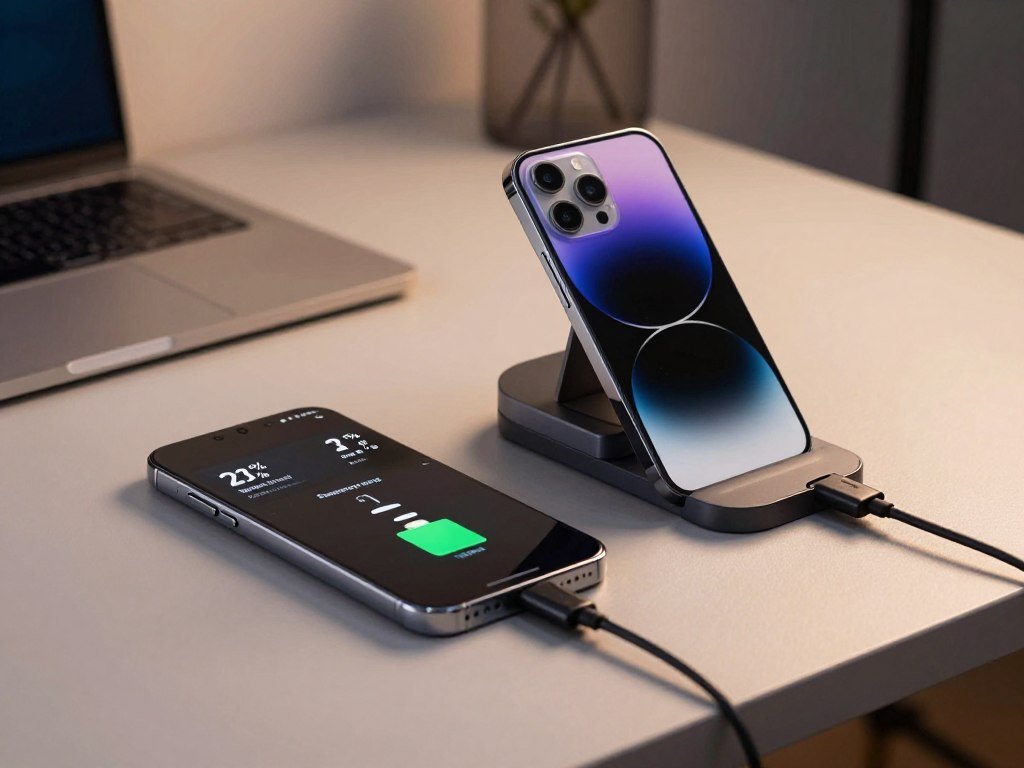
The Galaxy S26 Ultra has a 5,000-mAh battery, and the iPhone 17 Pro Max has a 5,088-mAh battery. That capacity number alone does not establish longer real-world battery life. A 2025 battery test of 35 phones ranked the iPhone 17 Pro Max at the top.
Your charging habits can change which result matters more. Think about where you charge, when you have access to an outlet, and how long you stay away from one.
- Overnight charging: either phone may fit if you usually start the day with a full battery.
- Quick wired top-up: Samsung’s faster wired charging suits short breaks near an outlet.
- Long day away from a charger: the iPhone’s test result may matter more to your routine.
Charging speed describes how quickly a phone takes power from a wired charger. Battery life describes how long it runs before you need that charger again.
Match the test result to your routine, since frequent quick top-ups may make charging speed more useful than a small capacity difference.
How Do iOS and Android Differ in Updates and Security?
The iPhone 17 Pro Max runs iOS 26, and the Galaxy S26 Ultra runs One UI 8.5 based on Android 16. The main daily difference is control: iOS is more controlled, while Android with One UI gives you more ways to adjust the phone.
Security depends on platform design, timely updates, and the choices you make. Neither operating system makes a phone immune to threats.
Update experience and app habits
iOS offers a more consistent experience across Apple’s devices and apps. Android with One UI makes more customization and system-level choices available, which can be useful if you like setting up the phone your way.
That openness brings more options, but it can also make it easier to change a setting you do not understand. App habits matter on both brands: install software updates, review app permissions, and avoid apps from untrusted sources.
Privacy, security, and user control
Updates can fix security flaws, so leaving them uninstalled for long periods raises risk. Check the exact model’s update support when you buy, since the years of support can affect how long the device stays current.
Permissions let you control what an app can access, such as your location or microphone. Give access only when an app needs it for a feature you use. A game that asks for unrelated access deserves a closer look.
Brands design their software with different levels of openness and control. Your security also depends on patching, app sources, and how carefully you manage those choices.
Keep automatic updates enabled and review app permissions on whichever platform you choose.
What Changes When You Switch Ecosystems?
Check your connected devices before switching, especially if you use an Apple Watch. Wearable support can decide the change, since an Apple Watch does not pair with Android.
Moving from iPhone to Samsung can mean changing your watch as well as your phone. Samsung Smart Switch can transfer photos, contacts, and messages in both directions.
Smart Switch helps carry basic personal data, but it does not make every part of your old setup follow you. App purchases and platform-specific services may not transfer to the new system.
Samsung, Google, and Apple have made some phone-to-phone moves easier. A CNET hands-on transfer report still found that some media and early messages could be missed. Treat a transfer as a useful tool, not a perfect copy.
Use this checklist before you move:
- Wearable compatibility: confirm your watch works with the phone you want.
- Messages and group chats: check how your conversations will appear after the switch.
- Purchased apps: list paid apps and see whether the new platform offers them.
- Data transfer: choose a way to move photos, contacts, and messages.
Your earbuds can also behave differently across phones. Pairing may still work, but some app controls or special features can depend on the brand and model.
Back up the old phone and confirm the transfer method before erasing it.
Which Flagship Offers Better Value After Resale?
The iPhone 17 Pro Max started $101 below the Galaxy S26 Ultra’s listed $1,300 price, while iPhones generally hold resale value better. Upfront cost is only one part of what you pay over ownership.
The iPhone 17 Pro Max started at $1,199, and the Galaxy S26 Ultra was priced at $1,300. Current price alone does not determine total ownership value.
Upfront price and model range
| Comparison | Galaxy S26 Ultra | iPhone 17 Pro Max |
|---|---|---|
| Starting flagship price | $1,300 | $1,199 |
| Resale-value tendency | Generally below comparable iPhones | Generally holds value better |
| Brand model range | Wider range of models and price points | Fewer models and price points |
The $101 starting-price gap makes the iPhone less expensive at those listed prices. Yet the value you keep later can change the total cost of owning either phone.
Resale value across ownership
iPhones tend to hold resale value better than comparable Samsung phones. Samsung, in turn, offers more models and price points across its brand, giving you more choices if you do not need its flagship.
Those differences matter if you plan to sell your phone after a few years. A higher starting price may be offset by a stronger resale value, while a lower-cost model can reduce what you spend upfront.
Compare the price you would pay with the likely value you can recover when you sell, not just the checkout total.
How Many Years Can You Keep Either Phone?
A well-cared-for modern smartphone typically lasts about four to six years, while flagship phones are designed for a five-to-seven-year horizon. Designed life and physical use differ: care, software support, and battery condition all affect how long you keep a phone.
Most contemporary smartphones are designed to retain about 80% of their original battery capacity after approximately 500 full charge cycles. That is a general design point, not a promise for every device.
A screen replacement can cost $80 to $300, while a battery replacement can cost $40 to $150, depending on the model. These repairs may keep a working phone useful rather than sending it straight to replacement.
A repair usually makes sense if it costs less than 50% of the phone’s current resale value. Compare the quote with what the device could sell for now, not its original price. A repair-cost rule of thumb can help frame that choice.
Check these points before you replace a phone:
- Battery condition: note how quickly the charge drops during normal use.
- Software update availability: confirm whether the phone still receives updates.
- Repair quote: compare the price of the needed work with the phone’s value.
- Current resale value: estimate what the device could bring in its present state.
Careful handling can also prevent avoidable damage. A case, a screen protector, and keeping the phone away from harsh conditions can help it last longer.
Compare a repair quote with 50% of the phone’s current resale value before deciding to replace it.
Which Brand Fits Your Daily Use?
Choose based on the feature you will use daily: the Galaxy S26 Ultra has an S Pen, while the iPhone 17 Pro Max uses Face ID and adds Camera Control and Action buttons. Your daily habits matter most, because unused features add little to your experience.
Choose iPhone for Apple’s ecosystem and a straightforward experience, or Samsung for the S Pen, fingerprint unlocking, and Android customization. Both phones offer useful features, but the better choice depends on your priorities.
The Galaxy S26 Ultra pairs its S Pen with an under-display fingerprint sensor. The iPhone 17 Pro Max uses Face ID for face-based unlocking, along with the Camera Control and Action buttons.
Pick the profile that sounds most like you:
- Apple ecosystem user: choose iPhone for closer ties to Apple products and services.
- Zoom-focused photographer: choose Samsung for its dedicated telephoto options.
- Customization-focused user: choose Samsung for more Android settings and control.
- Budget-conscious buyer: compare Samsung’s wider range of models and prices.
If you want to buy Samsung, decide whether the S Pen and extra control justify choosing a flagship. People who prefer a simpler setup may find the iPhone’s daily experience easier to manage.
See this related iPhone and Galaxy comparison for another look at the brands, but note that it compares different phone models.
Before you choose a platform, make sure its standout feature solves a real daily need rather than a problem you rarely have.
Before buying, make sure your first-choice feature matters more to you than the tradeoffs that come with its platform.
Conclusion
If Apple integration and resale matter most, choose iPhone; if customization and camera reach matter most, choose Samsung. Your best choice follows your routine, not a brand’s reputation or one impressive spec.
iPhone suits you if ecosystem continuity and resale matter most. Samsung suits you if customization, zoom flexibility, and the S Pen matter most.
Before choosing an exact model, check whether your current accessories work with it and set a budget you can stick to. Check your accessory compatibility and budget, then choose the model whose strongest features fit your daily routine.
FAQ
Which mobile is World No. 1?
Samsung led Q2 2026 smartphone shipments with 62.7 million units, while Apple had about one in four active smartphones worldwide in 2025. Those figures answer different questions: shipment totals track phones sent to market during a period, while the active installed base counts phones still in use. The leading brand depends on which measure matters to you.
Do Samsung or Apple phones last longer?
Flagship phones from Apple, Samsung, and Google are designed for a five-to-seven-year horizon, while typical physical use is about four to six years with care. Battery condition, software updates, and careful handling affect how long a phone remains useful. A worn battery can often be replaced, so reduced battery life does not always mean the whole phone needs replacing.
Should I buy Apple or Samsung?
Choose Apple for ecosystem integration and resale value; choose Samsung for customization, zoom flexibility, and a wider range of models. Your existing accessories can influence the choice, especially if you rely on an Apple Watch. Compare the specific models you can afford, then consider which platform’s daily controls feel more natural to you.
What’s the most fragile phone?
No single phone is always the most fragile, because damage depends on the exact model, the impact, the surface, and whether you use a case. A drop onto tile can cause different damage than a fall onto carpet. Compare drop testing for the exact model you plan to buy, and remember that a test cannot predict every real-world accident.
Who gets hacked more, Android or Apple?
There is no useful brand-wide winner for who gets hacked more, since risk depends on updates, app sources, permissions, and user behavior. Keep your phone’s software current, review what apps can access, and avoid installing apps from untrusted sources. Both Android and Apple build security features into their platforms, but safe habits still matter on either phone.



