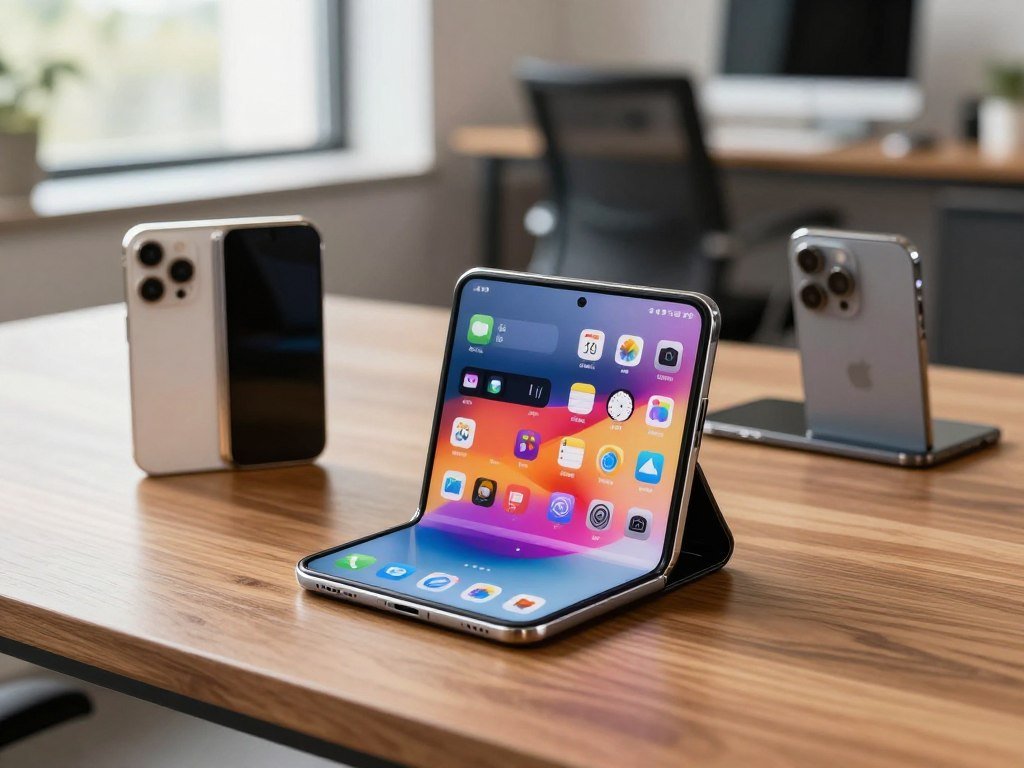
The newest iPhone, Apple’s foldable iPhone Duo, starts at $1,999 in the United States. Today, customers can also choose from Apple’s wider iPhone lineup, with several sizes and price levels. The right fit depends on how you use your phone and what you want to spend.
Configuration, condition, activation choice, and payment method all affect the total you see. A new device with more storage costs more than the base version, while used and refurbished phones have different condition grades. Financing can also change how much you pay each month and what you owe over time.
First, compare the device price with the amount due at checkout. Then look at any monthly charge, the length of the payment term, and what happens at its end. This helps you compare offers on the same terms, instead of focusing only on the first number you see.
Key Takeaways
- The iPhone Duo is Apple’s newest foldable model.
- The current lineup includes several screen sizes and price tiers.
- Storage, phone condition, and activation choice can change the total.
- Monthly payments may include a term or return obligation.
- Compare the full price with the monthly commitment before choosing a device.
How Much Is the Newest iPhone in the US?
The newest iPhone model, the iPhone Duo, starts at $1,999. That is the starting device price for Apple’s foldable option, not a promise of one final checkout total. The broader range includes lower-priced models with standard screens.
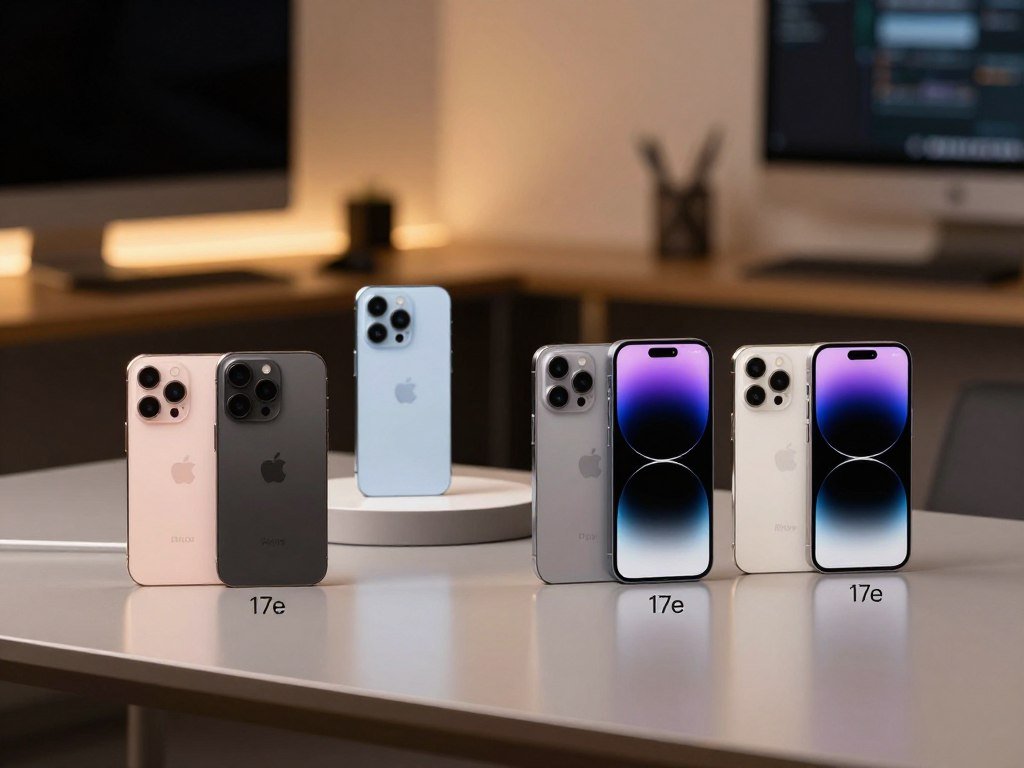
The iPhone Air starts at $1,099, and the iPhone 17e starts at $799. These three starting prices offer a quick view of the current choices, from a foldable design to a more basic model. The table shows each model’s format or screen size.
| Model | Starting price | Format or display |
|---|---|---|
| iPhone Duo | $1,999 | Foldable, 7.6-inch inner and 5.4-inch outer displays |
| iPhone Air | $1,099 | 6.5-inch display |
| iPhone 17e | $799 | 6.1-inch display |
Starting prices describe the device configuration, not a guaranteed final checkout total.
Your final payment can change with storage, device condition, and activation terms. A larger storage option raises the device price, while a used phone’s condition can affect its listing. Carrier activation may also be required for a particular advertised price.
Those differences matter when you compare a new Apple iPhone with a used device or a carrier offer. Check that two prices refer to the same model, storage size, condition, and activation choice. Treat the listed starting price as the device price, not a guaranteed final checkout total.
Which iPhone models are in Apple’s current lineup?
Apple’s current lineup ranges from the iPhone 17e and iPhone 16 to the iPhone 18 Pro models and its first foldable, the Duo. The models suit different needs, not just different budgets. Your screen size, camera needs, and comfort carrying the phone all matter.
Pro and Pro Max mark higher size and feature tiers, not one shared price. The iPhone 18 Pro has a 6.3-inch display, while the Pro Max has a 6.9-inch display. Model names help you spot broad differences, but they do not tell you the final cost by themselves.
Premium and foldable choices
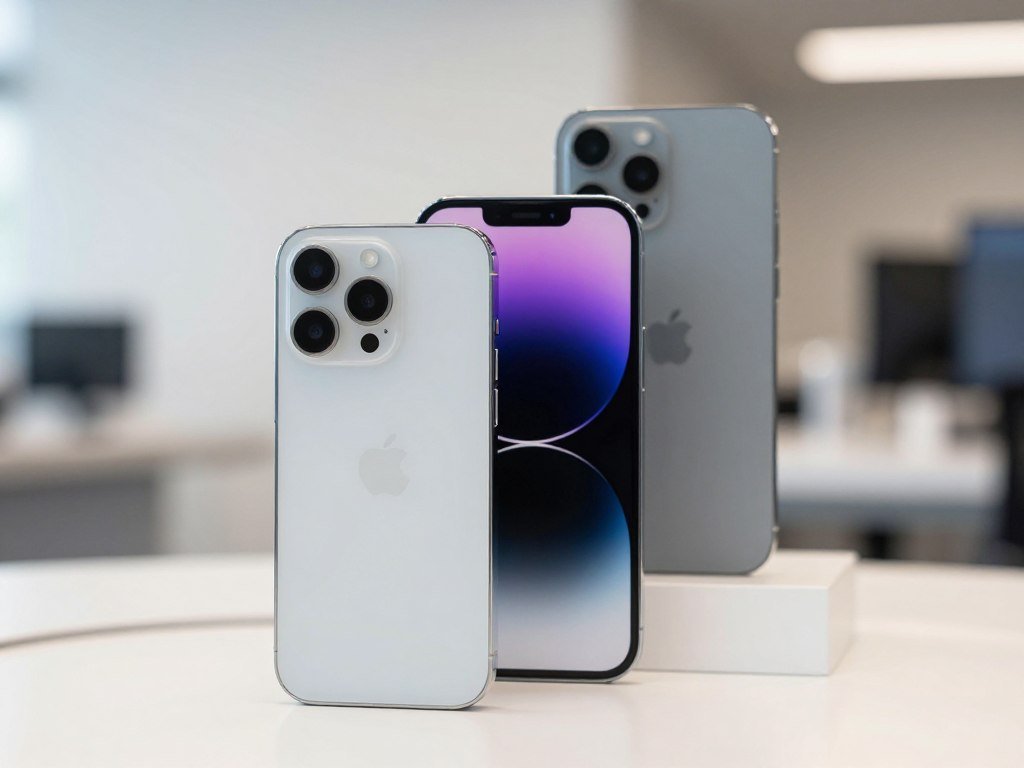
The iPhone 18 Pro pair is for buyers who want a premium model in two screen sizes. The iPhone Duo is different: it folds open to a larger inner display. If camera features rank high for you, compare the best iPhone camera picks across the range before choosing.
The Pro and Pro Max share a family name, but the larger model may feel less handy in a pocket or one hand. The Duo gives you a compact outer screen when folded and a larger screen when open. These are distinct formats, not simply larger and smaller versions of one phone.
Standard, slim and lower-priced models
The iPhone Air pairs a 6.5-inch display with a thin design. The iPhone 17 is a standard model with a 6.3-inch display. The 17e and iPhone 16 offer other choices, with different features, storage, and release generations.
Use these six cues to narrow the list before you compare offers:
- Screen size
- Portability
- Camera needs
- Storage
- Battery needs
- Budget
A larger screen may help with reading, while a smaller device may be easier to carry. Your camera needs can also separate a basic model from a premium one. Start by narrowing the lineup to the screen size and feature tier you will actually use.
What do the iPhone 18 Pro and Pro Max cost?
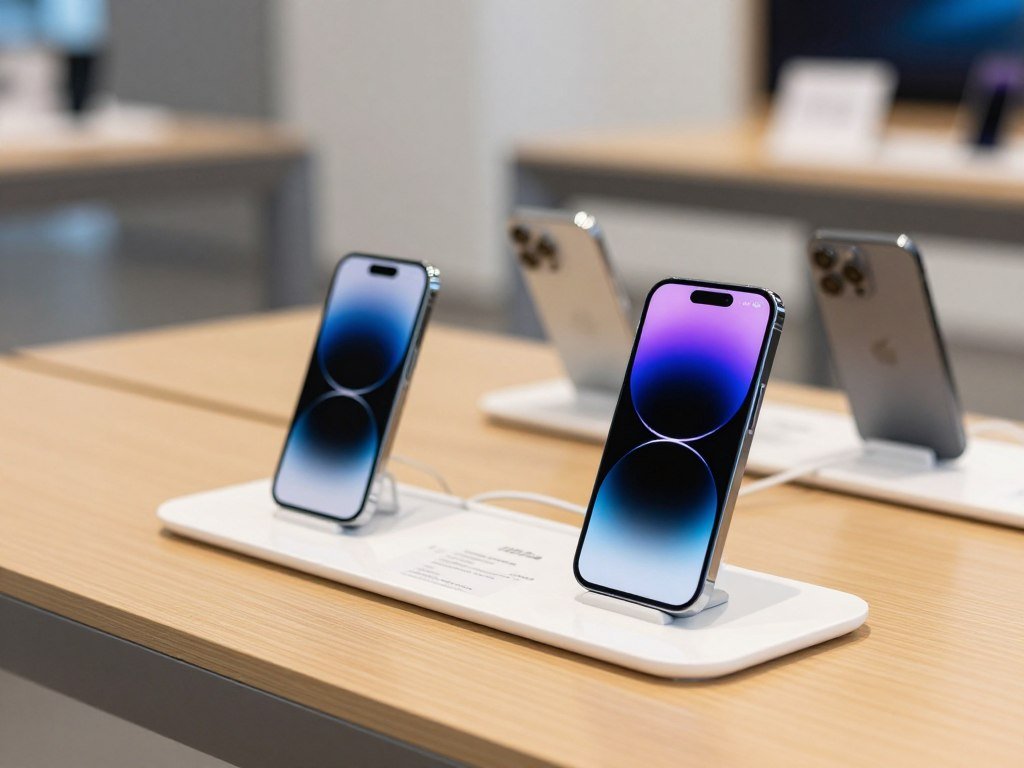
The iPhone 18 Pro starts at $1,199, while the larger iPhone 18 Pro Max starts at $1,299. Apple announced both models on September 9, 2026, and availability began September 18, 2026. The starting price does not include any higher storage configuration.
The iPhone 18 Pro Max costs $100 more at the starting tier. As a previous-generation comparison, AT&T lists the iPhone 17 Pro Max retail price at $1,199.99. Carrier credits or financing may change how an offer is paid, but they are separate from that retail listing.
Release dates and starting prices
The September 2026 release gives you two screen sizes in the same Pro family. The 6.3-inch iPhone 18 Pro is the smaller option. The 6.9-inch Pro Max gives you more screen space, but also a larger phone to carry.
Apple Upgrade lists a typical lease payment of $34.99 per month for a 256GB iPhone 18 Pro over 24 months. That example excludes taxes and trade-in credit. It is a monthly lease amount, so do not treat it as the full device price.
What the Pro upgrades add
Both models use the A20 Pro chip and a 48MP Fusion Main camera with variable aperture. Variable aperture lets the camera adjust how much light passes through its lens. The shared camera system means that the Pro Max’s main difference is its larger display, not a different camera tier.
If you want more detail on how the two premium sizes compare, read this iPhone camera comparison. Screen size can affect how you read, watch, and hold your phone each day. Choose the Pro Max for its larger screen only if that added size suits how you carry and use a phone.
How much does the iPhone Duo cost, and who should consider it?
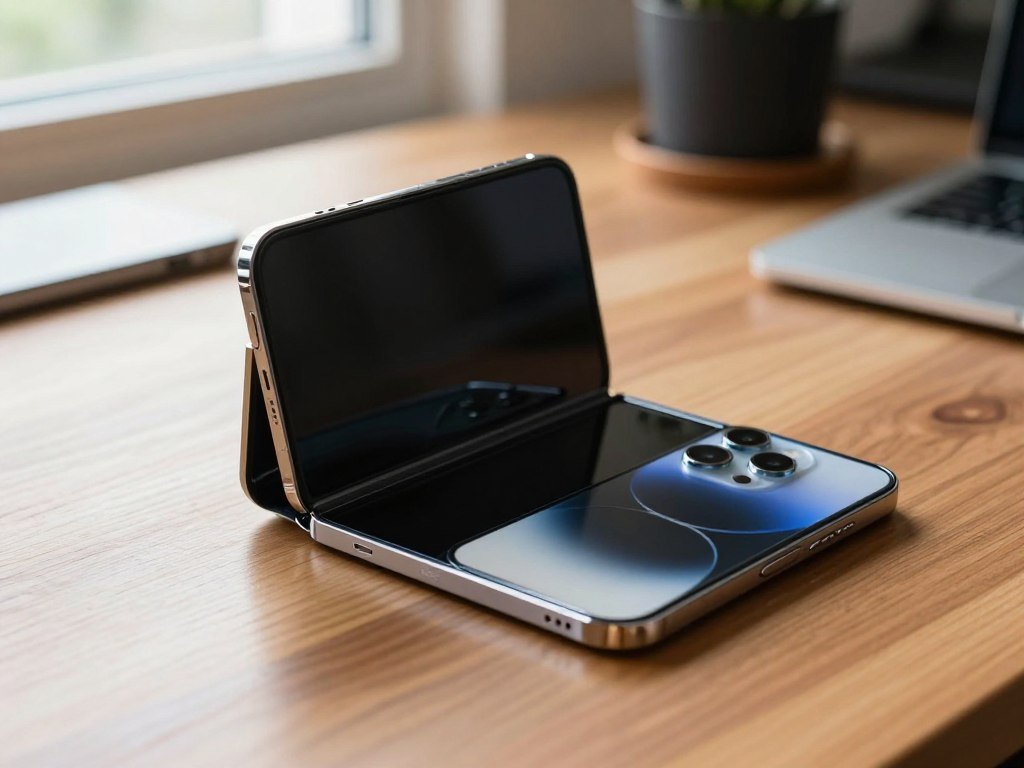
The iPhone Duo costs $1,999 to start and is aimed at buyers who want a phone that unfolds into a larger display. It has a 7.6-inch inner screen and a 5.4-inch outer screen. That split format is the Duo’s main reason to choose it, if you will use both screens.
The Duo offers four storage sizes: 256GB, 512GB, 1TB, and 2TB. More storage can suit a large photo or video library, but choose capacity based on what you keep on your device. The Duo also has a 48MP Dual Fusion camera system.
What the foldable format offers
When folded, the outer display measures 5.4 inches. Open the device, and the 7.6-inch inner display gives you a larger space. The two sizes create a different way to carry and use a phone than a standard slab design.
The larger inside screen may help when you read long pages, view two tasks, or watch video. These are possible uses, not a promise that every app or task will work in a particular way. Think about the things you do most, then ask whether a wider screen would change them.
Who benefits from the larger interior screen
The Duo may be a fit for buyers who value these traits:
- People who want a large unfolded screen
- People who value a compact outer display when folded
- Buyers willing to prioritize a foldable design
Its form may suit someone who reads or watches on a phone often, but it may be less useful if you rarely open the screen. Storage and camera features also matter, though neither replaces the core question of how often you would unfold it. Before committing, decide whether you will use the inside display often enough to justify the foldable format.
Is the iPhone Air worth its $1,099 starting price?
At $1,099, the iPhone Air pairs a 6.5-inch display with a slim, light design and an A19 Pro chip. It suits buyers who want a large screen without choosing a Pro model, especially if a thin feel matters. Its starting price reflects that design and its feature set.
The Air has one 48MP Fusion camera and a listed video playback time of up to 27 hours. That single rear camera may be enough for everyday photos. Buyers who want several rear cameras should compare the iPhone Pro models instead.
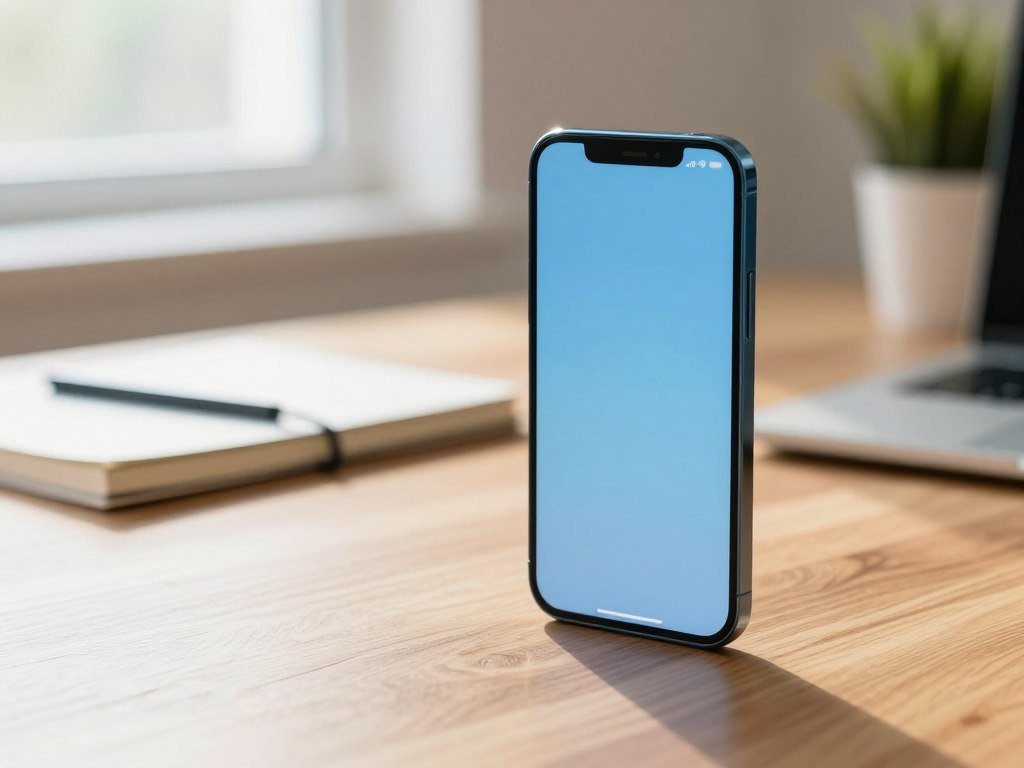
Apple lists the Air in sky blue, light gold, cloud white, and space black. Color can help you choose a finish, but it should come after the features you need. The thin-and-light shape may stand out most when you carry your phone all day.
The Air’s screen is larger than some standard models, yet its camera setup remains simple. Consider whether you often use more than one rear camera view, rather than paying for a feature set you will not use. If you mostly take everyday photos, one rear camera may be a fair trade for a slimmer device.
Battery figures describe video playback, not every kind of daily use. Apps, signal strength, screen brightness, and your habits can change how long a charge lasts. Compare the Air’s single rear camera with the camera setup you need before paying for its design.
How much is an iPhone 17, and what makes it different?
A new iPhone 17 starts at $899 when activated through a carrier, while Apple’s 256GB price is $929 with eligible carrier activation. The conditions are different, so the smaller number is not a universal price for every purchase. Storage also changes the listed amount.
Apple lists the 512GB iPhone 17 at $1,129. The model uses an A19 chip and a 48MP Dual Fusion camera system. Apple lists up to 30 hours of video playback, and colors include lavender, sage, mist blue, white, and black.
The 256GB starting configuration
The 256GB configuration gives you twice the storage of a 128GB option, though this model starts at 256GB. If you save many photos, videos, or downloaded files, that capacity may be useful. If you store most content online, the extra room may matter less.
Apple’s listed $929 price applies when you buy with eligible carrier activation. It is important to keep that condition beside the number when comparing offers. A different purchase path may show a different starting amount.
Carrier activation and the higher-capacity option
The table separates the two 256GB prices from Apple’s 512GB listing:
| Configuration | Purchase condition | Price |
|---|---|---|
| 256GB | Apple with eligible carrier activation | $929 |
| 256GB | Activated through a carrier | $899 |
| 512GB | Listed by Apple | $1,129 |
With its A19 chip, dual-camera system, and large base capacity, the iPhone 17 may suit someone who wants a standard model with room to grow. The five listed colors give you several finishes without changing its core specifications. Check the activation condition beside the price, since the lower figure is not a universal unlocked-device quote.
What does the iPhone 17e cost?
The iPhone 17e starts at $799 and includes 256GB of storage. Its 6.1-inch display makes it a smaller choice than the Air, and its A19 chip handles everyday phone tasks. For many buyers, the key appeal is a lower tier with generous starting storage.
The 17e has a 48MP Fusion Main camera and up to 26 hours of listed video playback. You can choose 256GB or 512GB. Apple lists soft pink, white, and black, so buyers can pick a finish without changing the model’s core setup.
The 17e has one rear camera and does not include the ProMotion display feature found on higher-tier options. Those differences matter if you often take wide group shots or want a display with that feature. For other buyers, a single camera and simpler screen may be enough.
Its starting storage gives you room for photos and apps, while the 512GB version adds capacity for larger libraries. Think about how many files you keep on the phone, rather than assuming you need the biggest option. The listed video playback time is a helpful comparison point, not a guarantee for every pattern of use.
Choose the 17e when its simpler camera setup and display features meet your needs without paying for a higher tier.
How much is the iPhone 16?
Apple lists the iPhone 16 at $829, with 128GB of storage at its base configuration. It has a 6.1-inch display and storage options of 128GB, 256GB, and 512GB. That base capacity can affect how the price compares with newer models.
The iPhone 16’s rear cameras include 48MP wide-angle and ultrawide cameras, plus a 2x camera. That gives you more than one view for photos. Choose storage based on how many images, apps, and videos you plan to keep on the device.
Carrier listings may also show an iPhone 16 Plus. That is a separate, larger-screen model, not another name for the iPhone 16. Keep the model name and screen size clear when you compare two listings.
A lower generation can still suit you if its size and camera features match your use. Yet its 128GB base storage may not fit someone who keeps a large media library on the phone. Moving up to another capacity changes the configuration, so compare matching storage when you check prices.
Storage is easy to overlook when two phones appear side by side with different base configurations. A phone with less room may cost less upfront, but it may also require more frequent file cleanup. Compare the storage you need with the base configuration before treating the lower generation as the lower-cost choice.
How much does the iPhone 15 cost used or refurbished?
An iPhone 15 can cost substantially less used, with an October 28, 2026 starting listing of $325 and a $455 average price. These are different measures: one is a starting listing, and the other is an average sale price. Neither guarantees what a particular seller charges.
On October 28, 2026, average sale prices rose with storage: $382 for 128GB, $441 for 256GB, and $469 for 512GB. Each average is a market snapshot, not a fixed price for every device. Condition and seller details can vary.
Swappa sale prices by storage
Swappa listed the iPhone 15 at $325 to start on October 28, 2026, with a $455 average overall. Its storage averages give you a closer comparison. A 128GB iPhone 15 average sale price of $382 was lower than the 256GB and 512GB averages that day.
That average does not mean every phone in that storage size sells for the same amount. The phone’s condition, seller, and listing details all affect an individual offer. Use the averages to frame a comparison, not as a promise of a specific price.
Refurbished prices by condition
Back Market listed these refurbished prices in October 2026. Swappa’s average sale price appears in the final column for comparison.
| Storage | Fair | Good | Excellent | Average sale price |
|---|---|---|---|---|
| 128GB | $396.00 | $406.00 | $427.00 | $382 |
| 256GB | $428.00 | $501.00 | $482.00 | $441 |
| 512GB | $487.31 | $578.47 | $569.00 | $469 |
Condition labels describe the seller’s grading, so check what the grade means for that exact device. An average sale price is not the same as a guaranteed listing price. Match the storage and condition before comparing two iPhone 15 offers.
How much is the iPhone 14 refurbished?
In October 2026, refurbished iPhone 14 prices started at $272.00 for a 128GB model in fair condition. The listed amount rose with storage and grade, but not in one fixed pattern. Compare each capacity and condition separately.
The lowest example is $272.00 for 128GB in fair condition; the highest is $467.00 for 512GB in excellent condition. The listings show how storage and seller grade can shape a price. A condition label describes a device’s grade, not every detail of its wear or battery state.
Back Market listed a 128GB iPhone 14 at $272.00 in fair condition, $282.00 in good condition, and $315.00 in excellent condition. Those three amounts let you compare condition within the same storage size. The device details still matter.
For 256GB, the October 2026 listings were $305.00 in fair condition, $355.00 in good condition, and $440.00 in excellent condition. The 512GB options cost $376.00 in fair condition, $420.00 in good condition, and $467.00 in excellent condition.
A fair grade may describe more visible wear than an excellent grade, but sellers define and report condition for each listing. Read the seller’s description of the screen, body, and battery rather than treating the label as a guarantee. Compare the exact storage and grade, then inspect the stated return and device-condition terms before paying.
Should you buy iPhone 17 or iPhone 16?
The iPhone 17 is the stronger pick for a buyer who wants a 120Hz-capable display and 256GB base storage. Its 6.3-inch screen supports a variable refresh rate up to 120Hz. The iPhone 16 starts at 128GB, so the newer model gives you twice the base capacity.
In a three-hour streaming test, the iPhone 17 fell from 100% to 89%, while the iPhone 16 fell to 86%. That is one test, not a guarantee of your everyday battery life. Your apps, signal, and viewing habits can change battery use.
The streaming result gives a direct comparison under the same test length. It does not predict exactly how long either device will last for you. For a broader look at battery testing, read the CNET iPhone battery test summary.
The iPhone 16 can make sense when its lower generation and 128GB base storage are enough for your daily routine. Think about whether you keep large videos or many games on the phone. If not, its smaller starting capacity may be acceptable.
The iPhone 17’s screen and storage give it the edge for someone who wants room and a smoother refresh feature. The 16 remains a reasonable choice if those differences do not affect how you use a phone. Choose the iPhone 16 only if its smaller base storage and display differences are acceptable for your everyday use.
How do storage and condition change iPhone prices?
Storage capacity and refurbishment grade are separate reasons two phones with the same model name can have different prices. A phone with more room may cost more, while a higher grade may also raise a refurbished listing. Keep those factors apart when comparing offers.
Compare matching storage and condition before judging the price gap. The storage options differ by model, so two devices with the same capacity may not have the same starting configuration. The table shows three current choices.
Storage tiers across current models
| Model | Base storage | Available capacities |
|---|---|---|
| iPhone Air | 128GB | 128GB, 256GB, 512GB |
| iPhone 18 Pro | 256GB | 256GB, 512GB, 1TB |
| iPhone Duo | 256GB | 256GB, 512GB, 1TB, 2TB |
A higher-capacity configuration gives you more room for photos, apps, and files. It is a different change from buying a refurbished phone in better condition. Keep each factor visible in your comparison instead of treating them as one feature.
Refurbished condition grades
A refurbished phone’s grade describes its condition, while its storage states how much space it has. An excellent-condition phone with less capacity is not directly equal to a fair-condition phone with more capacity. Decide which difference matters more for your use.
The common mistake is to compare only the model name and total price. A larger storage tier can shift a listing up, and a higher grade can shift it up too. Compare matching storage and condition first, then judge the price difference.
What does monthly iPhone financing really cost?
A monthly iPhone payment is only one part of the cost, because the term, taxes, and end-of-term obligation also matter. Apple Upgrade offers 12- or 24-month leases. The monthly charge can look small beside the full price, but the lease has rules.
Apple Upgrade early upgrading requires paying remaining lease payments plus applicable taxes and returning the device in good working condition. At the end of the lease term, the upgrade option depends on meeting its terms. A lease is not the same as installment payments that pay off a device.
Apple Upgrade leases
Apple Upgrade uses 12- or 24-month terms. If you upgrade early, you must pay the remaining lease payments and applicable taxes, then return the original device in good working condition. That return duty is part of the cost decision.
Before you choose a payment option, keep these four items in view:
- Full device price
- Payment term
- Taxes
- Remaining balance or return obligation
Installment payments and the total owed
An installment plan spreads payments over time; a lease can include a device return obligation. Apple Card Monthly Installments are described as interest-free payments over time. Other financing choices may use different terms, charges, and end rules.
Sales tax is set by your state and locality, so the amount can differ by address. Check the tax shown at checkout instead of estimating from the device price alone. Before agreeing, check whether the device will be yours to keep or must be returned.
How do carrier activation and eSIM affect the price?
Current U.S. iPhone models use eSIM rather than a physical SIM tray, so check carrier support before you order. eSIM is a digital SIM built into a device that lets you activate a wireless plan without inserting a physical SIM card. Setup also needs Wi-Fi.
An eSIM needs a wireless service plan, carrier support, and Wi-Fi for setup. The U.S. iPhone 16, 17e, 17, Air, 18 Pro, and Duo have no physical SIM tray. Activation choice can affect which offer or service plan works for you.
Activating with eSIM
Before checkout, make these three checks:
- Carrier eSIM support
- Activation timing
- Lock status under financing
The plan and carrier must support eSIM for the setup to work. Wi-Fi is needed during setup, so have a connection available when you activate. AT&T, T-Mobile, and Verizon offer 5G service in the United States.
Carrier financing, locking and compatibility
An iPhone bought from Apple is generally unlocked. A device on carrier financing may stay locked until you pay it in full. The network lock can limit which carrier accepts the phone, even if another carrier offers service in your area.
5G access and coverage depend on carrier support and location. A carrier’s 5G service does not mean every phone plan or place has the same connection. Confirm the phone’s lock status and activation method before counting on a quick carrier switch.
Which iPhone is the best buy in 2026?
For most people who want a current everyday iPhone, the iPhone 17 is the most balanced place to start. It offers a standard model experience without the special foldable format or Pro tier. The best fit still depends on what you value most.
Choose by your main priority, not by a universal ranking. The 17e has a 6.1-inch display, the Air has a 6.5-inch display, and the Pro Max has a 6.9-inch display. Those size anchors can help you picture how each phone may feel in hand.
These five picks suit common needs:
- iPhone 17: a balanced everyday choice.
- iPhone 17e: a lower starting price.
- iPhone 18 Pro or Pro Max: advanced camera features.
- iPhone Air: a thin, light design.
- iPhone Duo: a foldable screen.
The Pro and Pro Max share a camera system, so size is the main distinction between those two. For a closer look at camera choices, see this guide to iPhone camera models. If you plan to buy an iPhone 16, check the exact fit before adding a case for an iPhone 16 Pro Max.
The best iPhone is the one that fits your main need and the way you use a phone.
Someone who wants a simple daily phone may value different features from a buyer who takes many photos or watches on a large screen. Start with the feature you will notice every day, then choose the model tier that supports it. Pick the option that matches your top priority, then confirm its configuration and final checkout terms.
Conclusion
A good iPhone choice is the one whose size, features, and total commitment fit your everyday use. Start with the feature that matters most, such as screen size, camera needs, or storage. Then compare phones with the same capacity and purchase conditions.
Check the selected configuration, activation terms, tax, and payment obligation at checkout before placing an order. A listed device price and a monthly charge describe different parts of the cost. Select the model and storage you want, then review the complete checkout total before confirming.
FAQ
How much is the iPhone 17?
The iPhone 17 starts at $929 for 256GB when purchased from Apple with eligible carrier activation, or $899 when activated through a carrier. The lower figure has a different purchase condition, so it is not a general unlocked-device price. Apple lists the 512GB model at $1,129. Compare the storage and activation terms shown with each offer.
How much is the iPhone 17 Pro Max?
AT&T lists the iPhone 17 Pro Max retail price at $1,199.99. That figure is the retail listing, not a promise of the final amount after carrier credits or financing. A credit may lower what you pay over time, while financing sets a payment schedule. Compare the retail price with the total payments and any offer conditions.
How much will the iPhone 18 Pro Max cost?
The iPhone 18 Pro Max starts at $1,299 in the United States. That is the starting price for the model’s base configuration. A higher storage choice may cost more, and the monthly payment depends on the financing terms you choose. Compare the device price with the amount due and any payment commitment before placing an order.
Is the iPhone 17 cheaper now?
The iPhone 17’s $899 carrier-activated price is below Apple’s $929 price for 256GB with eligible carrier activation. The two prices have different conditions, so the gap does not make them identical offers. Check what activation the lower price requires and whether the storage matches. That way, you compare the amount you can actually pay under the offer.
How much is an iPhone 17 cheap?
The iPhone 17 starts at $899 when activated through a carrier. Eligibility and activation conditions affect whether you can get that amount, so it may not apply to every buyer or purchase route. Apple lists the 256GB model at $929 with eligible carrier activation. Check the condition attached to the price before comparing it with an unlocked phone.
Which iPhone is the best to buy in 2026?
The iPhone 17 is the balanced everyday pick for most buyers who want a current standard model. Choose the 17e for a lower starting cost, the iPhone 18 Pro or Pro Max for advanced camera features, the Air for a thin design, or the Duo for foldable use. The best fit depends on which feature you will use most.
Why is an iPhone 17 so expensive?
The iPhone 17 starts with 256GB of storage, has a 6.3-inch display, and uses a 48MP Dual Fusion camera system. Its carrier-activated starting price is $899, while Apple lists the 512GB option at $1,129. The higher-capacity model costs more because it offers extra storage. Compare the storage you need before paying for a larger configuration.