Indian Motorcycle’s ownership has changed across several distinct eras, from its early Springfield business to a modern corporate owner. For riders, that history helps explain why the name has lasted through changes in the business behind it.
A majority stake means an ownership interest exceeding half of a company. The brand’s story includes the original company, a long period under Polaris, and a later move to stand-alone status.
This timeline follows who owned the business and who held the name, while keeping those roles distinct. It gives readers a clear way to place the brand’s different eras.
The timeline distinguishes ownership of the original operating company from later ownership of the Indian name and brand.
Key Takeaways
- George M. Hendee started the business as a bicycle maker.
- The original Springfield operation stopped making motorcycles in 1953.
- Polaris acquired the brand in 2011 and restarted production under its name.
- Carolwood LP took control of the stand-alone company in 2026.
- Polaris kept a small equity position after the sale closed.
Who Owned Indian Motorcycles Before Polaris?
George M. Hendee began the business in 1897 as a bicycle manufacturer, before he and Oscar Hedstrom established its first factory in Springfield. Their early partnership grew from bicycle making into motorcycle production, with Hedstrom serving as an engineer.
The Indian name helped products gain recognition in export markets. The name’s later owners did not keep the original Springfield company in operation.
Hendee and Hedstrom Build the Original Company
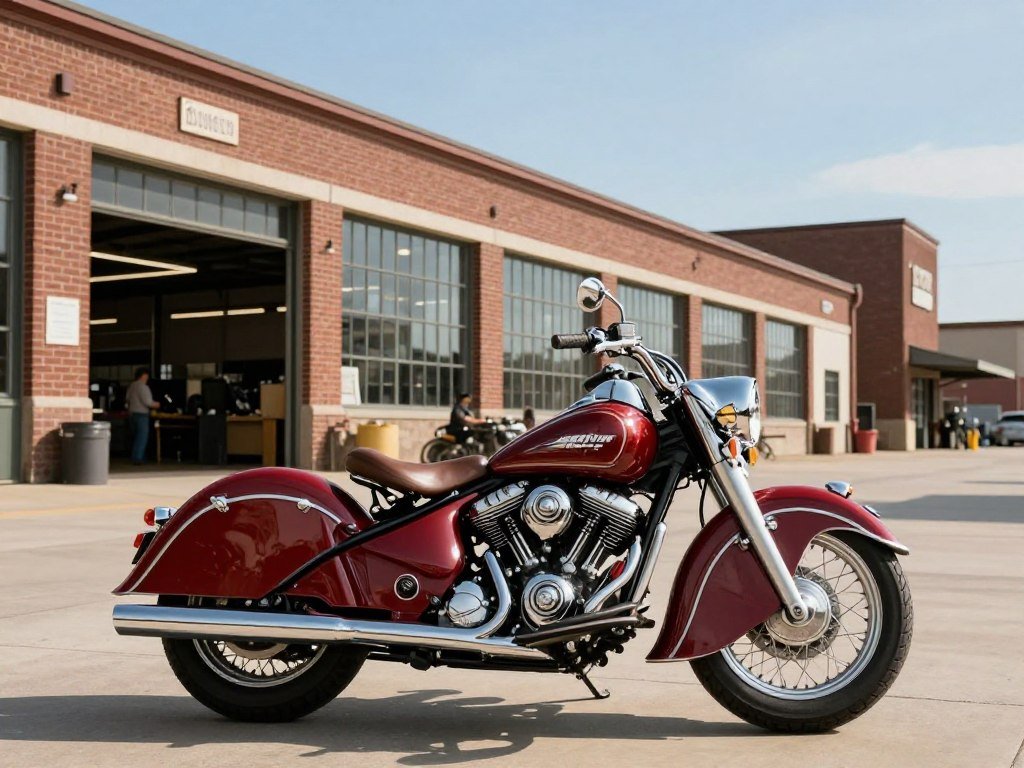
Hendee founded Hendee Manufacturing as a bicycle company in 1897. Hendee and Hedstrom opened the first factory in Springfield, Massachusetts, in 1901, and began making motorcycles there.
The name Indian was adopted to help products stand out in export markets. The company later changed its name to The Indian Motocycle Company in 1923. Hedstrom resigned in 1913, and Hendee fully retired in 1916.
The Original Business Ends and Its Name Changes Hands
E. Paul duPont and DuPont Motors became involved with the company in 1930 through investment and a merger. A group led by Ralph Rogers gained a controlling interest in 1945.
A brand name can outlast the factory and business that first made it.
The original business ceased production and was declared bankrupt in 1953. Brockhouse Engineering acquired rights to the Indian name that year. That history helps explain why Indian is often called America’s first motorcycle company, even though later name holders were separate businesses.
| Period | Owner or controlling party | Change |
|---|---|---|
| 1897-1901 | Hendee and Hedstrom | Bicycle roots and Springfield factory |
| 1930 | DuPont Motors and E. Paul duPont | Merger and investment |
| 1945 | Ralph Rogers group | Gained controlling interest |
| 1953 | Brockhouse Engineering | Acquired rights to Indian name |
Rights to the name after 1953 did not mean the original company continued making motorcycles. The key distinction is that later holders of the Indian name were not continuing the original Springfield operation.
What Changed When Polaris Owned Indian Motorcycle?
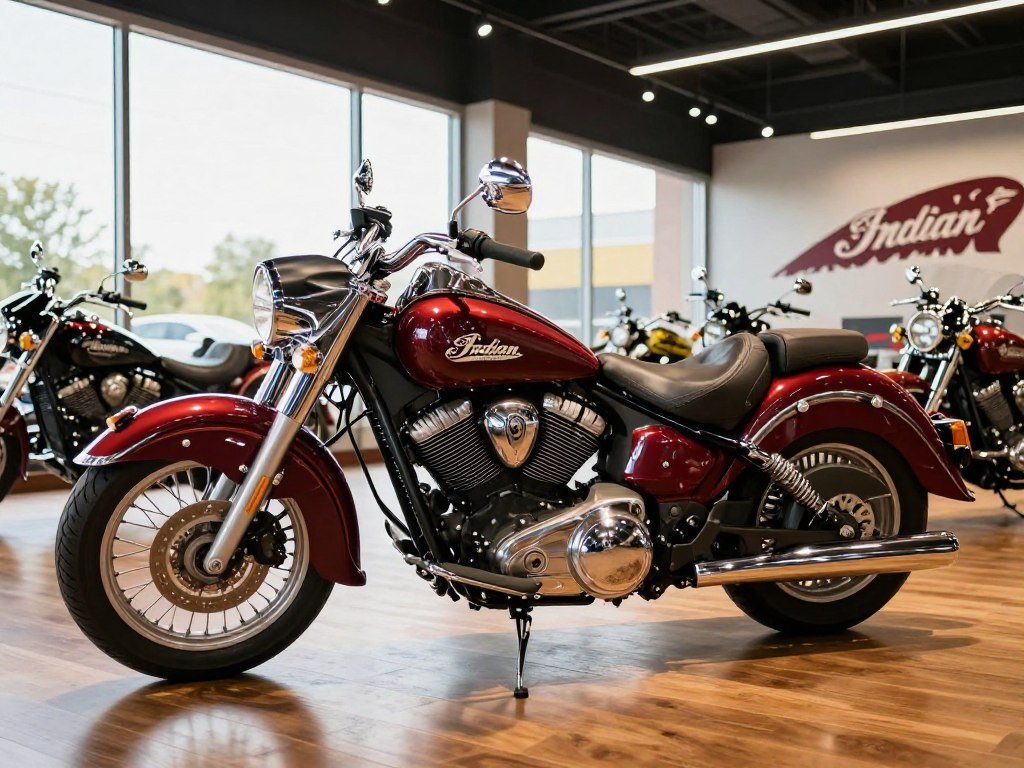
Polaris acquired the Indian Motorcycle brand in 2011, beginning the modern revival under a large powersports company. The acquisition brought the name into a new business, rather than restoring the original company under unchanged ownership.
Polaris put motorcycle design, development, and manufacturing back into production under the Indian brand. The move gave the historic name a working motorcycle company and a new product line.
Before that revival, the name had passed through other holders after the original business ended. Polaris’s ownership created a modern Indian motorcycle company with the resources of a large powersports maker.
In August 2013, Polaris began designing, developing, and manufacturing motorcycle lines under the Indian name. That step marked the return of new motorcycles carrying the brand.
Polaris’s period formed the modern revival that came before the stand-alone era. It placed the brand back in active production and established the business that later changed ownership.
By August 2013, Polaris was designing, developing, and manufacturing motorcycles under the Indian name.
Who Owns Indian Motorcycle Today?
Carolwood LP became Indian Motorcycle’s controlling owner when the agreement closed on February 2, 2026. The Los Angeles-based private equity firm now owns a stand-alone company focused solely on motorcycles.
Polaris retained a small equity position, but Carolwood controls the business. Indian’s closing announcement named Mike Kennedy as CEO; he brings more than 30 years of motorcycle-industry experience.
Carolwood Takes Control in 2026
Polaris announced a majority-stake sale agreement on October 13, 2025, with closing expected in the first quarter of 2026. The deal closed on February 2, and approximately 900 employees transitioned to the new company.
Carolwood’s announced plan focused on motorcycles, rider ownership experience, and dealer support. Those aims describe its direction, while the employee and factory changes are confirmed parts of the transition.
Plans for better rider support are intentions; employee and factory transitions are completed changes.
The transition included three concrete details:
- Approximately 900 employees moved to the new company.
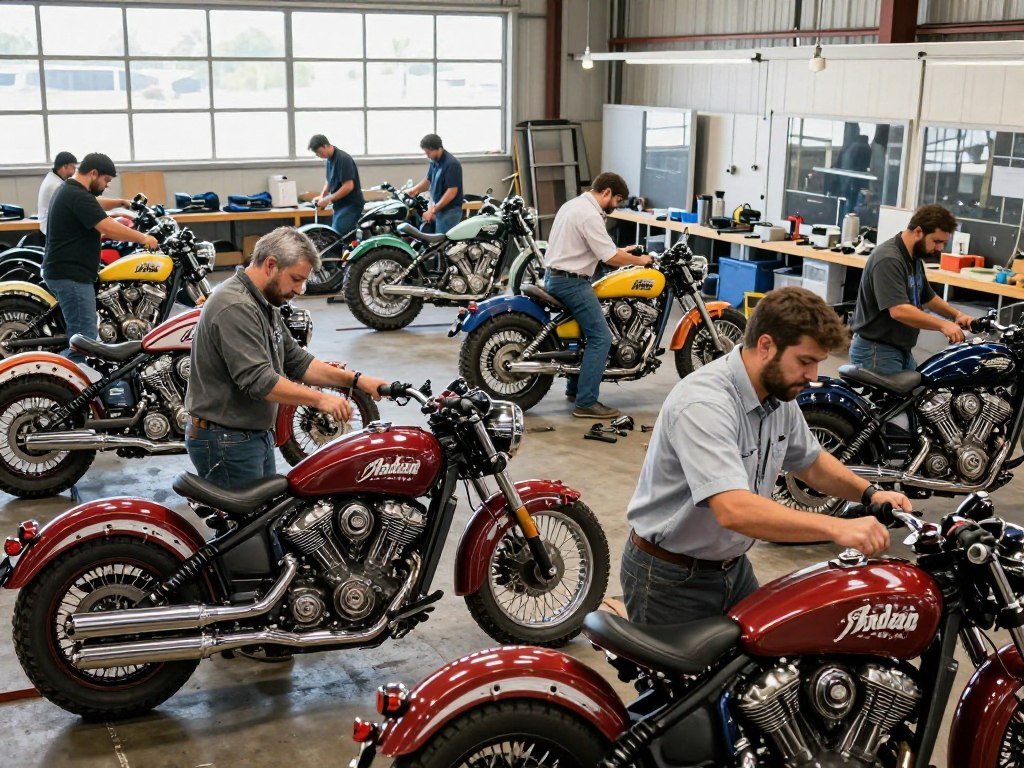
- Manufacturing continued in Spirit Lake, Iowa, and Monticello, Minnesota.
- Design and product development remained tied to centers in Burgdorf, Switzerland, and Wyoming, Minnesota.
What the Stand-Alone Company Means for Riders
The company marked its 125th anniversary in 2026. Its 2026 Scout lineup costs about $12,000-$15,000, depending on trim, while the Chieftain PowerPlus Limited lists at $28,749 with the 108 engine or $32,499 with the 112.
The PowerPlus 112 is 112 cubic inches, or 1,834 cc, and makes 126 horsepower. It delivers 133 lb-ft of torque at 3,600 rpm. The 2026 Chieftain PowerPlus, Challenger, Roadmaster, and Pursuit offer that engine.
A search for Carolwood LP stock concerns a private equity firm, not an Indian Motorcycle model. Indian and Harley-Davidson need no major maintenance differences, and both can be reliable with proper care. Proper care matters when comparing their reliability.
For a 2026 touring comparison, the PowerPlus 112 offers 126 hp and 133 lb-ft of torque at 3,600 rpm.
Conclusion
Indian Motorcycle’s current era combines independent control with a continuing Polaris minority investment. Carolwood controls the stand-alone company, while Polaris retains a small equity position.
That split matters to riders because the business is no longer a Polaris division, though the brand has a long history under different owners. A local dealer can explain which models and services fit a rider’s needs.
Before choosing a model, ask a local dealer to confirm the current configuration and service support available in your area.
FAQ
What are some popular American motorcycle brands?
Indian Motorcycle and Harley-Davidson are two well-known American motorcycle brands. Both offer models for riders who want a distinct American style and a wide range of riding options. Their lineups include different bike types, engines, and price levels. A rider’s preferred style, budget, and intended use can help narrow the choice.
What is the history of Indian motorcycles?
George M. Hendee and Oscar Hedstrom opened the first factory in Springfield in 1901. The original company stopped production in 1953, and later holders owned the Indian name. Polaris acquired the brand in 2011 and began making motorcycles under it in 2013. Carolwood LP took control of the stand-alone company in 2026.
Does Indian still make motorcycles?
Yes, Indian Motorcycle still makes motorcycles as a stand-alone company and offers a 2026 lineup. The business focuses solely on motorcycles, with manufacturing in Spirit Lake, Iowa, and Monticello, Minnesota. Its range includes the Scout and touring models such as the Chieftain, Challenger, Roadmaster, and Pursuit.
Is Indian as good as Harley?
For maintenance and reliability, Indian and Harley-Davidson show no significant difference when either brand receives proper care. The broader choice depends on the model, riding style, performance needs, and comfort each person prefers. Riders can compare seat height, handling, engine feel, and dealer service in person before choosing.
How much does an Indian Scout cost in 2026?
The 2026 Indian Scout lineup costs about $12,000-$15,000, depending on trim. Different versions can vary in features, finish, and equipment, which affects the price. Riders comparing Scout models should also consider the riding style and fit they want, along with local dealer service and support.