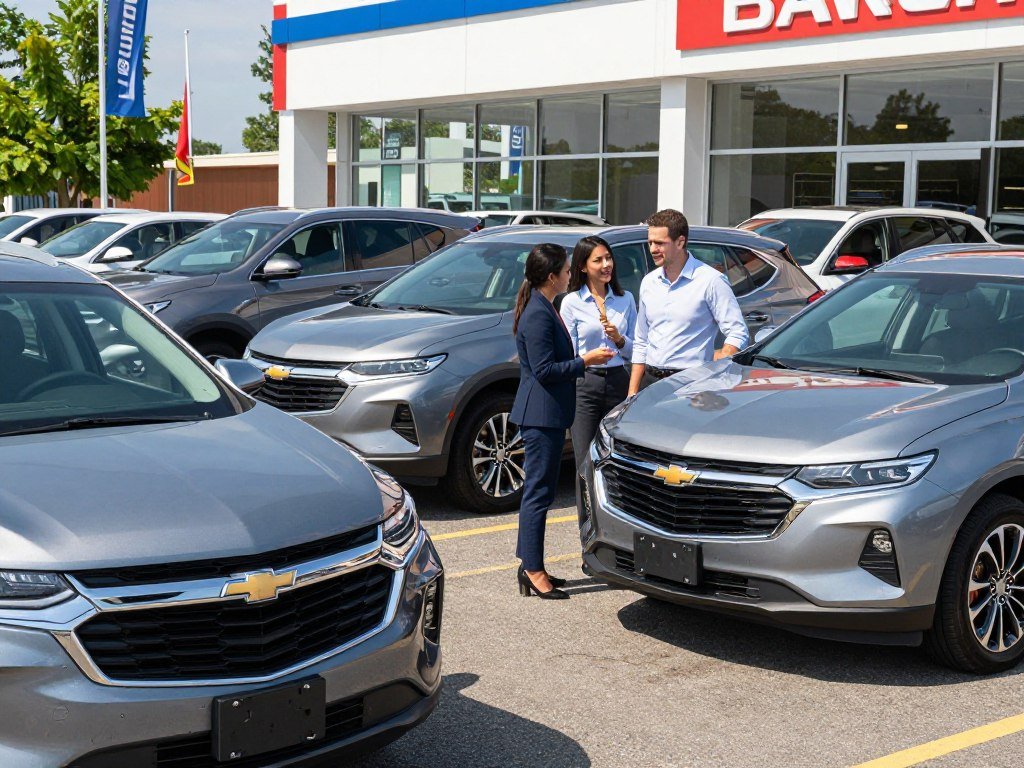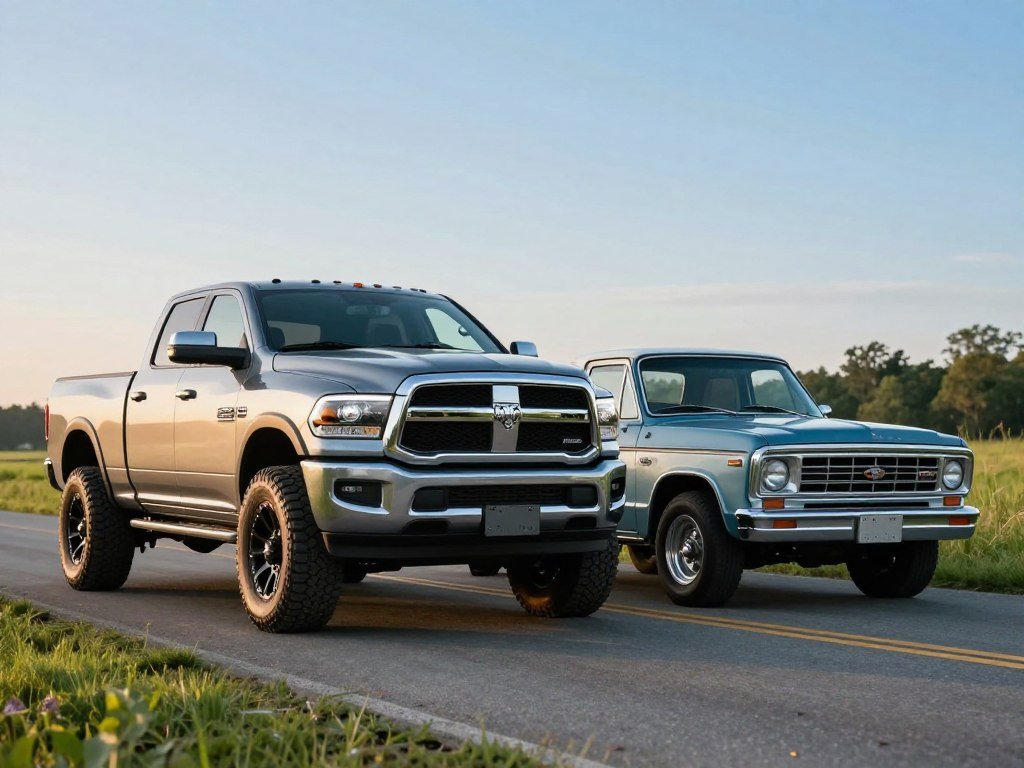
Stellantis owns Ram Trucks, while Dodge is the brand’s historical relative rather than its current parent. A standalone brand is a distinct marque marketed within a larger automaker. Ram has a Dodge heritage, but it is no longer Dodge’s truck division.
The old Dodge Ram name still appears in conversation, used-car listings, and memories of past models. That familiar label can blur the line between a brand’s history and its current corporate owner. The difference matters when comparing trucks, checking company details, or making sense of names in the auto market.
Ram’s identity took shape over time, even as its parent company changed. Its trucks share history with Dodge, but the two brands now have separate roles. The distinction is simple: Stellantis owns the Ram brand, and its Dodge roots explain the familiar old name.
Key Takeaways
- Stellantis owns Ram.
- Ram has a historical link to Dodge.
- Ram and Dodge are distinct brands today.
- “Dodge Ram” is a former combined name.
- Ram’s identity reflects years of change.
Who Owns Ram Trucks Today?
Stellantis is Ram’s parent company, and Matt VanDyke leads the Ram brand as CEO. Ram is an American truck marque within a multinational automaker. It is a brand, not a separate car company with its own parent-free ownership.
Stellantis formed in 2021 through the merger of Fiat Chrysler Automobiles (FCA) and PSA Group. It lists 14 automotive brands and two mobility arms. Its brands include Chrysler, Dodge, Jeep, Fiat, Alfa Romeo, Maserati, and Peugeot.
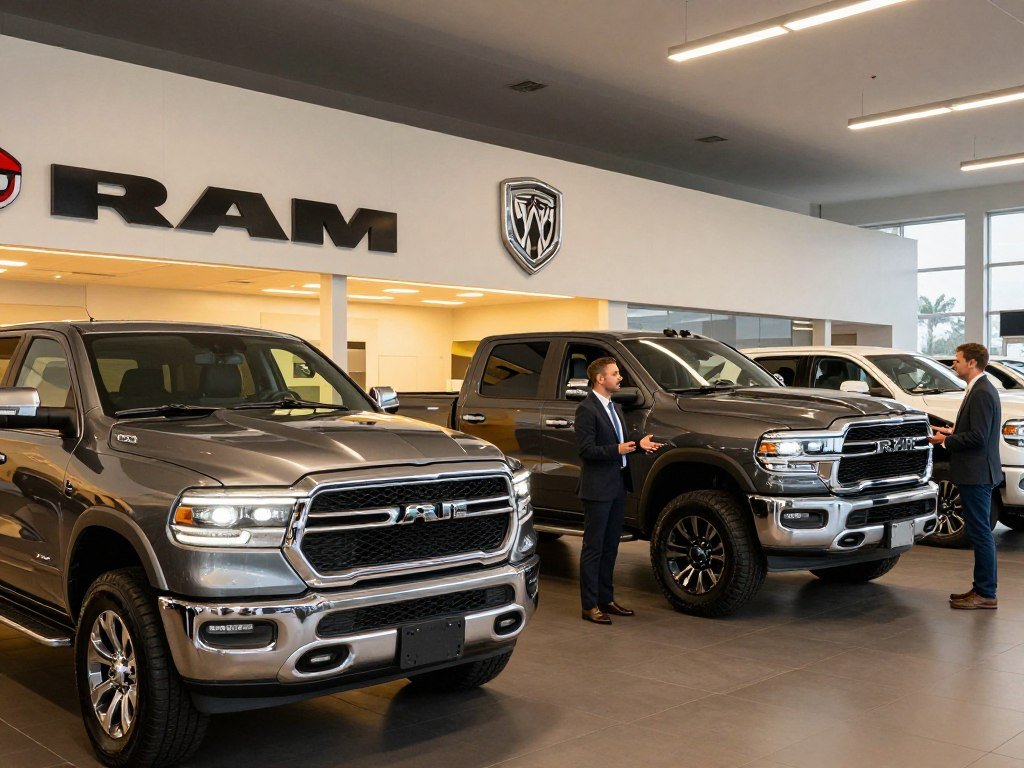
Stellantis’ portfolio and Ram’s place
Ram’s American identity sits inside a global company with roots in Europe and North America. The automaker sells vehicles under several names, each with its own market and customers. Ram focuses on trucks, while the wider group also makes cars and offers mobility services.
For 2020, FCA owned Chrysler, and Ram belonged to that corporate group. The change came the next year, when Stellantis became the parent after the FCA and PSA Group merger. So the answer to who owned Ram trucks in 2021 depends on the date: FCA led before the merger, and Stellantis did afterward.
Matt VanDyke’s role at Ram
Matt VanDyke became Ram brand CEO effective July 20, 2026, succeeding Tim Kuniskis in that role. VanDyke reports to Kuniskis, who heads American brands, North America marketing, and retail strategy at Stellantis North America.
Ram’s CEO leads the Ram brand, not the entire automaker. Dodge has its own brand leadership.
That distinction keeps the company structure clear: the Ram brand CEO is not the Dodge leader. Ram is American in origin and identity, even though its parent automaker operates across many countries.
For ownership questions about either year, the key change is the 2021 merger that created Stellantis from FCA and PSA Group.
Why Did Ram Separate from Dodge?
Chrysler separated Ram from Dodge to give the truck and commercial vehicle business a distinct identity and focus. The move let Ram serve pickup and work-truck buyers, while Dodge could concentrate on performance cars. That split made the two brands easier to define for customers.
The change shaped how each marque could speak to the market. Dodge leaned into performance, including cars such as the Charger and Challenger, while Ram built its name around trucks and commercial vehicles.
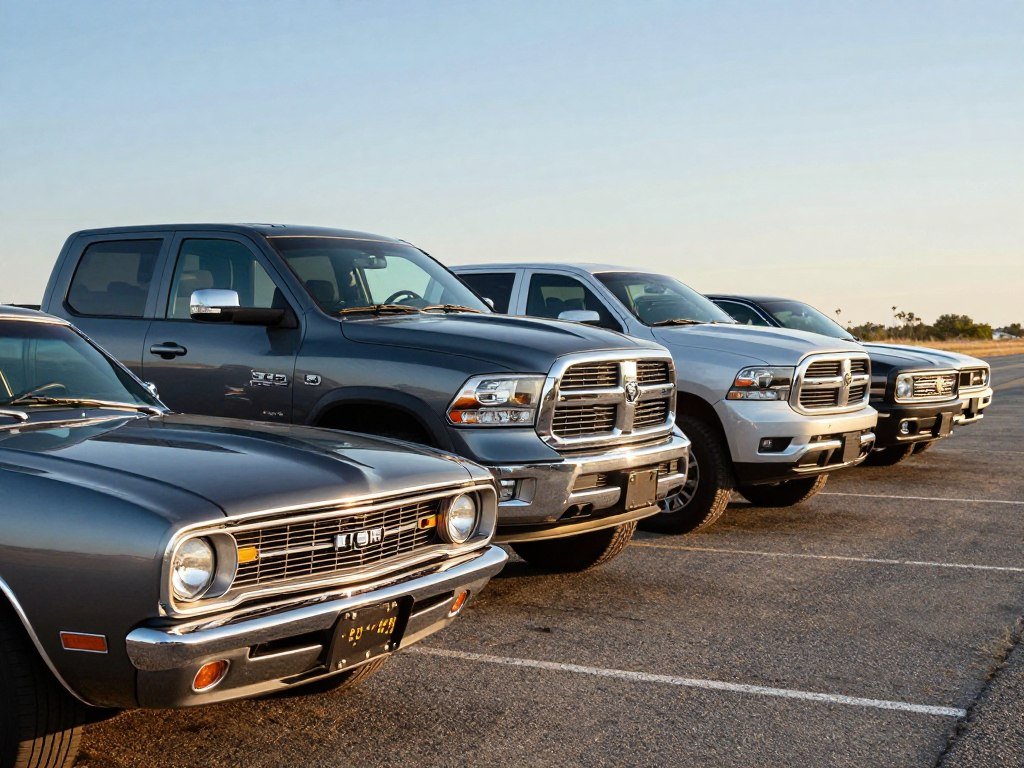
The decision to focus Ram on trucks
The truck business had different needs from the Dodge brand’s muscle cars. Pickup customers often compare towing, payload, cab choices, and work features. A distinct truck marque could put those needs at the center of its sales and product plans.
Ram Trucks began as a Chrysler division in 2009 and was marketed separately from Dodge in 2010. The Ram name itself dates back further: Dodge introduced it in 1981. The separation changed the brand structure, not the history behind the badge.
Why the Dodge Ram name still sounds familiar
“Dodge Ram” remains familiar because the truck name and Dodge name appeared together for years. Many drivers saw Dodge Ram trucks on roads and in showrooms before the split. The phrase still turns up in casual talk, even though Ram and Dodge now have separate brand identities.
That older name can cause confusion in listings and conversations. A used truck may have Dodge badges or paperwork from its original model year, while newer vehicles carry Ram branding. The history explains the name; it does not make Dodge Ram a current combined brand.
Ram models from light duty to commercial
The main North American Ram lines run from light-duty pickups to commercial vehicles. This order follows work class, and the final entry is a van rather than a pickup:
- Ram 1500 light-duty pickup.
- Ram 2500 and 3500 heavy-duty pickups.
- 3500, 4500, and 5500 Chassis Cab trucks.
- Ram ProMaster vans.
These are the main Ram truck models in order, with each class aimed at a different kind of work. Chassis Cab versions support commercial uses, while ProMaster vans add cargo and passenger options to the broader lineup.
Use “Dodge Ram” for the historical name, but call current vehicles Ram trucks or Ram commercial vehicles.
How Did Ram’s Parent Company Change Over Time?
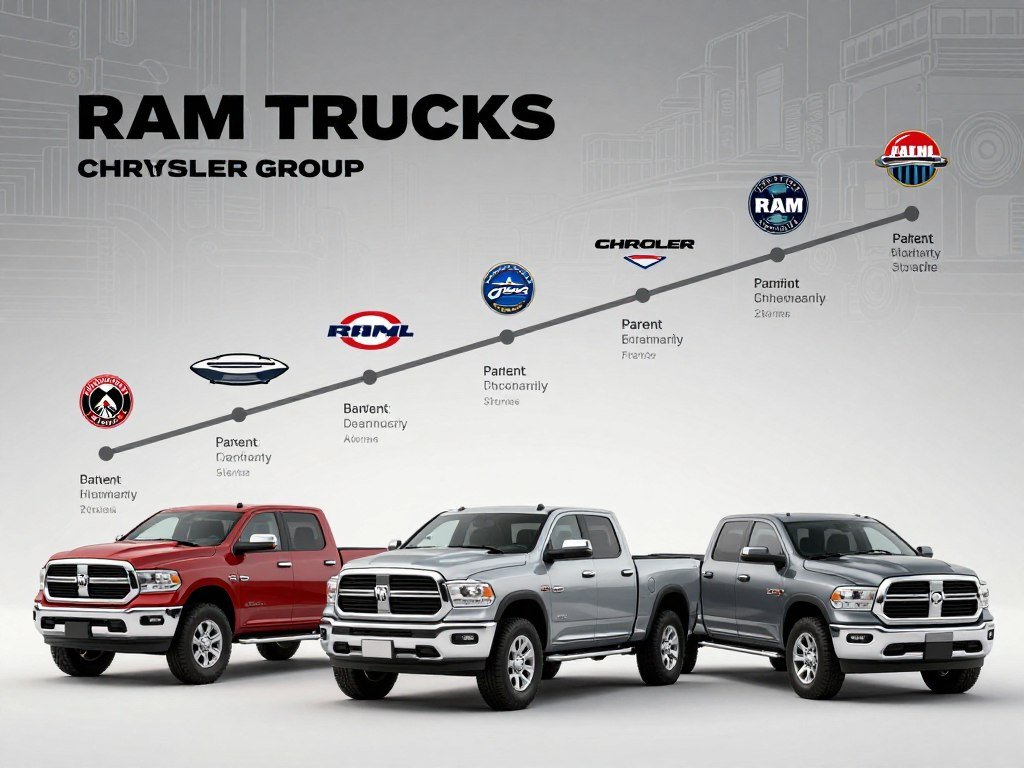
Ram’s corporate history runs through several parent-company changes before reaching Stellantis in 2021. The brand stayed distinct as the companies above it changed hands and merged. The key dates trace the parent company, not a return of Ram to Dodge.
Chrysler’s 1928 acquisition of Dodge began a long chain of corporate restructuring. Later deals changed Chrysler’s ownership, which eventually placed Ram inside Stellantis.
From Chrysler to Fiat Chrysler Automobiles
The main changes happened in this order:
- In 1928, Chrysler acquired Dodge.
- In 1998, Daimler-Benz and Chrysler merged.
- In 2007, Cerberus bought a majority stake in Chrysler.
- In 2009, Fiat took a 20% stake in Chrysler.
- In 2011, Fiat acquired the remaining U.S. Treasury shares.
- In 2014, Chrysler became a wholly owned Fiat subsidiary.
Those events shifted the Chrysler group’s ownership over many years. They did not erase the separate identity that Ram developed as a truck brand.
The 2021 merger that created Stellantis
Fiat Chrysler Automobiles, or FCA, joined PSA Group in 2021 to form Stellantis. That merger brought brands from both companies into one automaker, with Ram among its marques.
The corporate name changed as Chrysler moved from one parent structure to another. Ram’s place within that structure changed with ownership, while its truck identity remained its own. The 2021 merger is the point at which the present-day parent-company name entered the story.
What Does the 2026 Ram Lineup Offer?
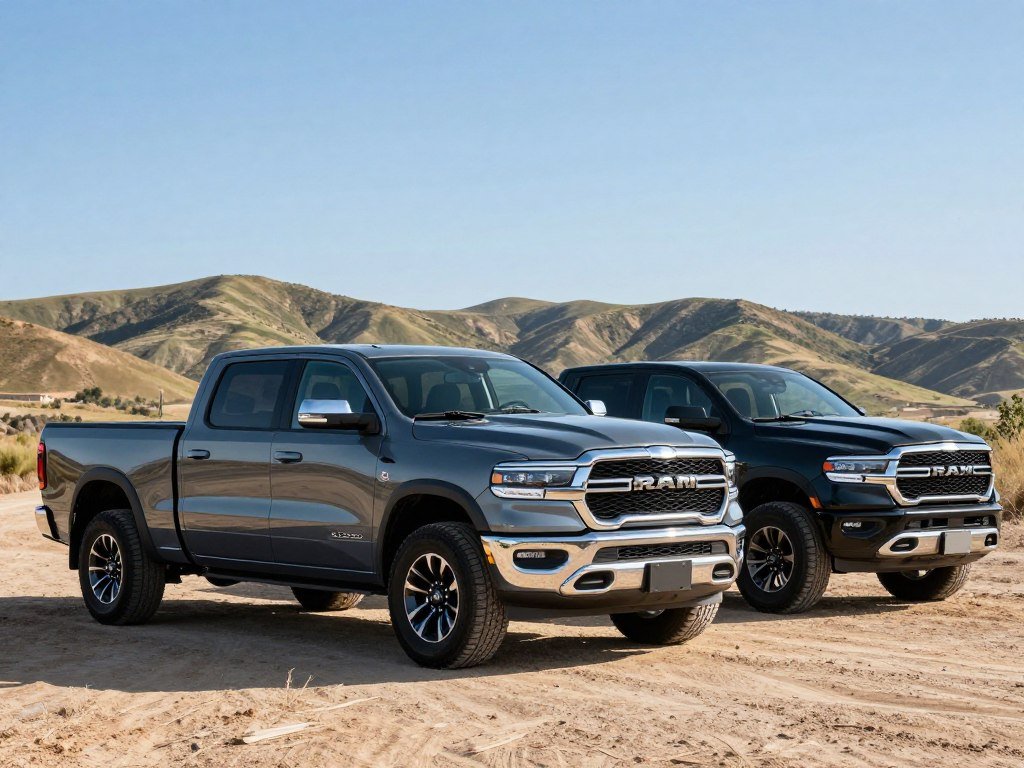
The 2026 Ram lineup spans light-duty pickups, heavy-duty trucks and commercial vehicles, with capability depending on model and powertrain. The Ram 1500 offers several engine choices, while the Ram 2500 can be equipped for heavy towing. Those choices affect power, payload, and the kind of work each truck suits.
The 2026 Ram 1500 starts at $41,575, before options and added equipment. Its final price changes with configuration and features, so the starting MSRP is not the price of every model.
2026 Ram 1500 and Heavy Duty capability
The Ram 1500 offers a 3.6L Pentastar V6, two available 3.0L Hurricane engines, and a newly available 5.7L HEMI V8. Its top output reaches 540 horsepower, and maximum payload is 2,360 pounds.
Ram lists up to 540 horsepower in the 2026 Ram 1500. That figure describes the most powerful listed engine choice, not every truck in the lineup. The range gives buyers options for daily driving and heavier tasks.
The 2026 Ram 2500 offers an available High-Output 6.7L Cummins Turbo Diesel I6. It makes 430 horsepower and 1,075 lb-ft of base diesel torque, paired with a TorqueFlite HD eight-speed automatic transmission.
With that diesel, the 2500 has a maximum available towing capacity of 20,000 pounds. The Power Wagon can also be ordered with the High-Output Cummins diesel, with projected availability in the second half of 2026.
Ram’s broader 2026 lineup includes pickups, Chassis Cab vehicles, and ProMaster vans. For a separate look at commercial truck technology, Tesla’s electric Semi program offers another example of how heavy vehicle design is changing.
Recall counts by Ram 1500 model year
NHTSA recall campaign totals differ by model year. The counts below compare selected Ram 1500 years; they do not measure every part of vehicle reliability.
| Model year | NHTSA recall campaigns | Context |
|---|---|---|
| 2017 | 13 | Lowest among DS-generation years |
| 2019 | 30 | Highest among 2014-2026 years |
| 2024 | 6 | Fewest among 2014-2026 years |
| 2025 | 8 | Campaign total for this model year |
| 2026 | 9 | As of October 2026 |
Recall counts alone do not establish a model’s overall reliability. A campaign may affect only certain vehicles or parts, so check a specific truck’s open recalls by VIN through NHTSA.
A recall total is a starting point, not a reliability verdict. A VIN check shows whether a specific truck has an open campaign.
For a used Ram 1500, the VIN can reveal whether a recall still needs attention. A model-year count cannot tell you whether an individual truck received its required repair.
Editions, pricing, and Cummins details
The 2026 Ram 1500 Big Horn, Laramie, and Rebel America 250th Anniversary editions are available in limited units. Their availability may vary by trim and equipment, so buyers should compare the exact configuration they want.
Cummins supplies the available diesel engine for Ram Heavy Duty pickups. Its global sales and service network spans more than 190 countries and territories. Nearly 70% of Ram 2500 and 3500 Heavy-Duty pickup owners rely on Cummins engines.
Cummins engines also have a long military use. The V903 has powered the Bradley Fighting Vehicle for over four decades, and its latest generation delivers 760 horsepower.
Before buying a used Ram 1500, check its VIN for open recalls and confirm that any required repair has been completed.
Conclusion
Ram’s ownership is straightforward today: Stellantis owns the brand, while its Dodge history explains the familiar name. That distinction helps separate an old model label from the current company behind the truck.
A truck’s badge is only one part of a buying decision. Its payload and towing ratings show whether it can handle a planned job, while its condition and recall status matter for a used vehicle.
Compare the published ratings with the load you expect to carry or tow. Before choosing a truck, match its published capability to your actual load and check its VIN for open recalls.
FAQ
Can you give me a list of truck models?
The main North American lineup runs from the Ram 1500 to heavier work vehicles. It includes the Ram 1500, Ram 2500 and 3500, Chassis Cab trucks, then ProMaster vans. The Chassis Cab models serve commercial needs, while ProMaster is a van line, not a pickup. This order follows vehicle class rather than trim level or price.
Which brands are owned by the Stellantis group?
Stellantis lists 14 automotive brands and two mobility arms. Its brands include Chrysler, Dodge, Jeep, Fiat, Alfa Romeo, Maserati, and Peugeot, along with Ram and other marques. Each brand serves its own market, though they share one parent automaker. The group formed in 2021 through the merger of FCA and PSA Group.
Who makes RAM engines?
Ram’s 2026 1500 engine choices include the Pentastar V6, Hurricane engines, and HEMI V8. The 2500 Heavy Duty has an available Cummins diesel, which is a distinct engine option. The automaker lists powertrains by model, so an engine offered for one Ram truck does not mean it is available across every model.
Which RAM truck to stay away from?
No Ram model year should be avoided based on recall totals alone. A campaign count does not show the repair status or condition of a specific truck. Check the vehicle identification number, or VIN, for open recalls, then confirm that required repairs are complete. A careful inspection can also reveal wear that recall data cannot show.
Does the US military use Cummins engines?
Yes, the Cummins V903 has powered the Bradley Fighting Vehicle for over four decades. Its latest generation delivers 760 horsepower. Cummins also makes engines for commercial uses, including available diesel power in Ram Heavy Duty pickups. The military example shows the V903’s long service history, but it does not mean Ram trucks use that engine.