
Kia is not simply a car brand owned outright by one company: its ownership involves a major shareholder, other shareholders and a wider corporate group. A shareholder is a person or organization that owns shares in a company. For car buyers, this difference helps explain how a South Korean automaker can have public investors and still sit within a larger corporate family.
Hyundai Motor Company and Hyundai Motor Group are distinct names with different roles. The first is a direct shareholder; the second is the broader group umbrella, not one single direct shareholder. That distinction matters when you read ownership details or follow the company’s automotive history.
Key Takeaways
- Hyundai Motor Company is the largest direct shareholder.
- Other investors also own shares.
- The company trades publicly in South Korea.
- Hyundai Motor Group is the wider corporate umbrella.
- Direct share ownership and group membership mean different things.
The clearest answer depends on whether you mean Kia’s largest direct shareholder or the broader group it belongs to.
Kia Is Owned By Who? Hyundai’s Stake and Kia’s Other Shareholders
Hyundai Motor Company is Kia’s largest direct shareholder, but its 35.17% stake is not the same as owning every share. The 2025 figures also list other major investors, while Kia remains publicly traded.
Kia trades on the Korea Exchange under KRX: 000270, so public shareholders can own part of the company. That listing gives U.S. readers context for how ownership can extend beyond Hyundai Motor Company.
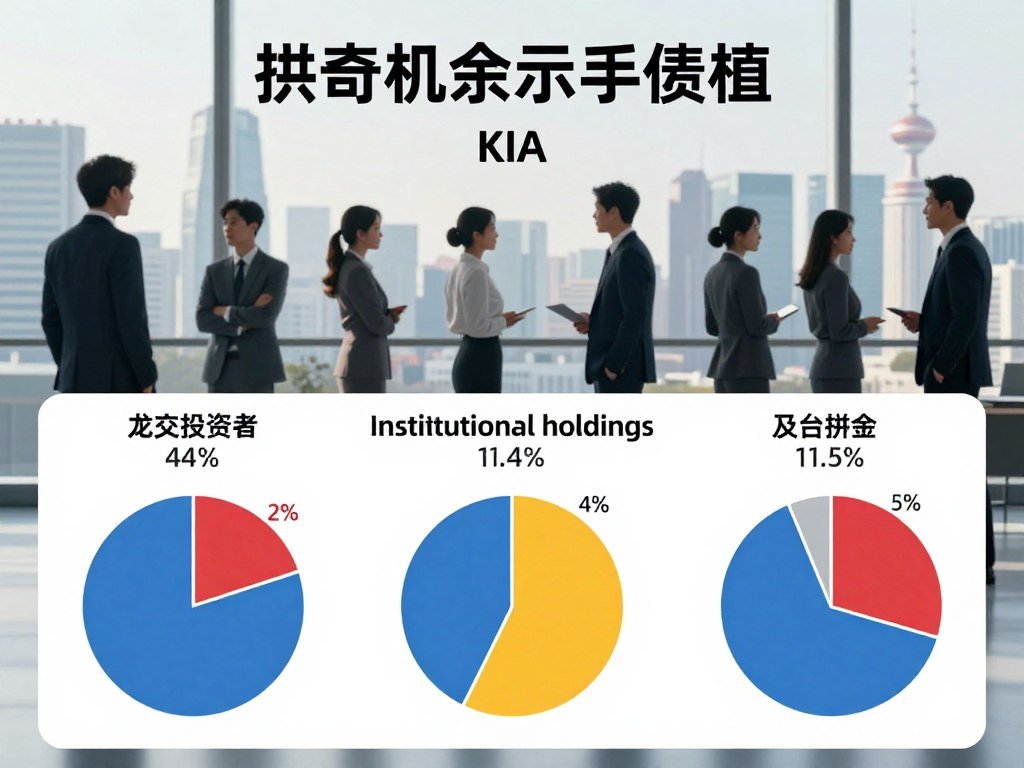
A largest shareholder is not a sole owner. The other shares belong to additional investors.
Hyundai Motor Company owns Kia as its largest direct shareholder. The phrase “owns Kia Motors” can blur that direct stake with the broader Hyundai Motor Group relationship, so the exact entity matters.
In 2025, Hyundai Motor Company and related parties together held 36.99%. This combined figure includes Hyundai Motor Company’s direct holding. It is an aggregate, not a separate stake to add to the company’s 35.17%.
| Shareholder or group | Holder type | Disclosed 2025 stake | What the figure means |
|---|---|---|---|
| Hyundai Motor Company | Corporation | 35.17% | Largest direct shareholder |
| Hyundai Motor Company and related parties | Combined group | 36.99% | Aggregate, not an additional stake |
| National Pension Service | Institutional investor | 7.25% | Disclosed shareholder |
| Chung Eui-sun | Individual shareholder | 1.81% | Disclosed shareholder |
The distinction can help when you read about a company’s public shareholders or a possible deal. For example, shareholder votes in a proposed merger can matter, even when talks have not produced an agreement.
Read the 36.99% figure as a combined Hyundai-related holding, not as a second stake to add to 35.17%.
What Was Kia’s First Passenger Car?
Kia began as Kyungsung Precision Industry in 1944, decades before it opened its first integrated automotive assembly plant. Its first passenger-car range was the Mazda-based Brisa, introduced in 1974.
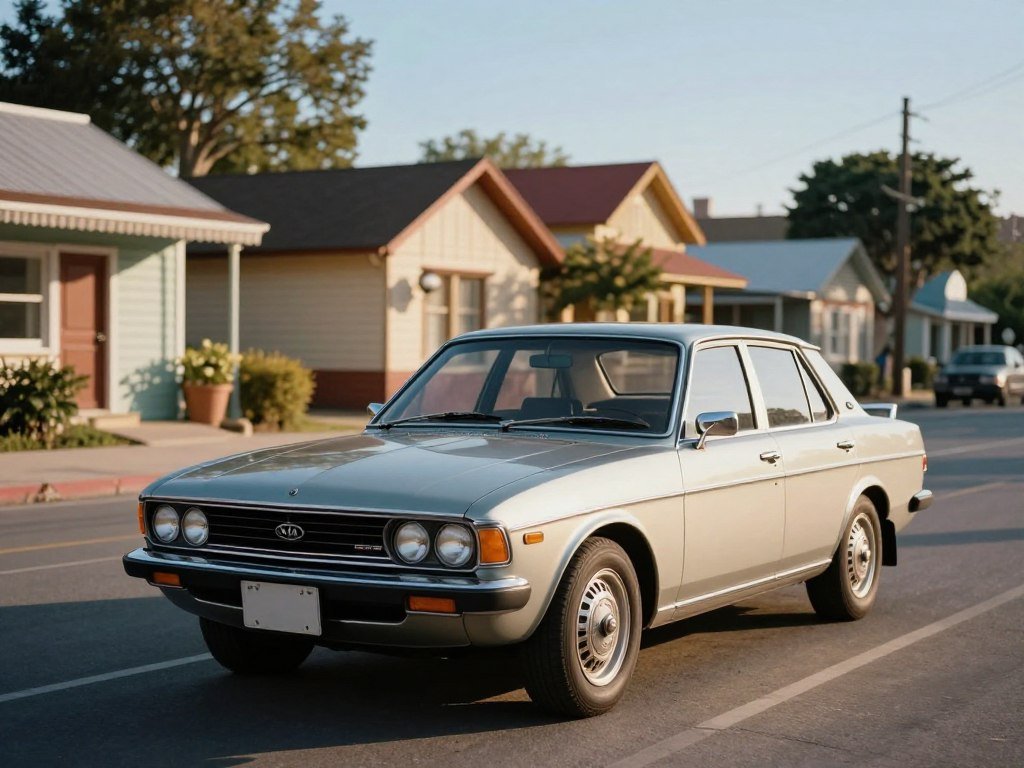
When Kia Began Building Passenger Cars
Kyungsung Precision Industry started in May 1944, making steel tubing and bicycle parts, not cars. The company entered transport production in stages, first building bicycles and later expanding into automobiles.
In 1951, Kyungsung Precision produced the Samchuly, South Korea’s first domestic bicycle. Kia Industries adopted its name in 1952, marking a new chapter for the growing company.
The Sohari Plant opened in 1973 as Kia’s first integrated automotive assembly plant. The site gave the automaker a place to bring more parts of vehicle production together.
The Mazda-Based Brisa Was Kia’s First Passenger-Car Range
The Mazda-based Brisa range debuted in 1974. It was Kia’s first passenger-car range, not the company’s first product or its first step in manufacturing.
Kia adopted the Kia Motors Corporation name in 1990. The company later faced bankruptcy in 1997 during the Asian financial crisis, changing its path and ownership.
In 1998, Hyundai Motor Company acquired a 51% stake in Kia. That purchase brought Hyundai Motor Company into the ownership story after the bankruptcy.
| Year | Milestone | Why It Matters |
|---|---|---|
| 1944 | Kyungsung Precision Industry founded | Made steel tubing and bicycle parts |
| 1951 | Samchuly produced | South Korea’s first domestic bicycle |
| 1973 | Sohari Plant opened | First integrated automotive assembly plant |
| 1974 | Brisa debuted | First passenger-car range |
| 1998 | Hyundai Motor Company acquired a 51% stake | Ownership changed after Kia’s bankruptcy |
The distinction to keep in mind is that Kia was founded in 1944, but its first passenger-car range arrived in 1974.
What Does Kia’s Name Mean?
Kia is a name built from two Hanja characters, not an acronym formed from the initials of a longer English name. The company’s rough translation is “rising from East Asia.”
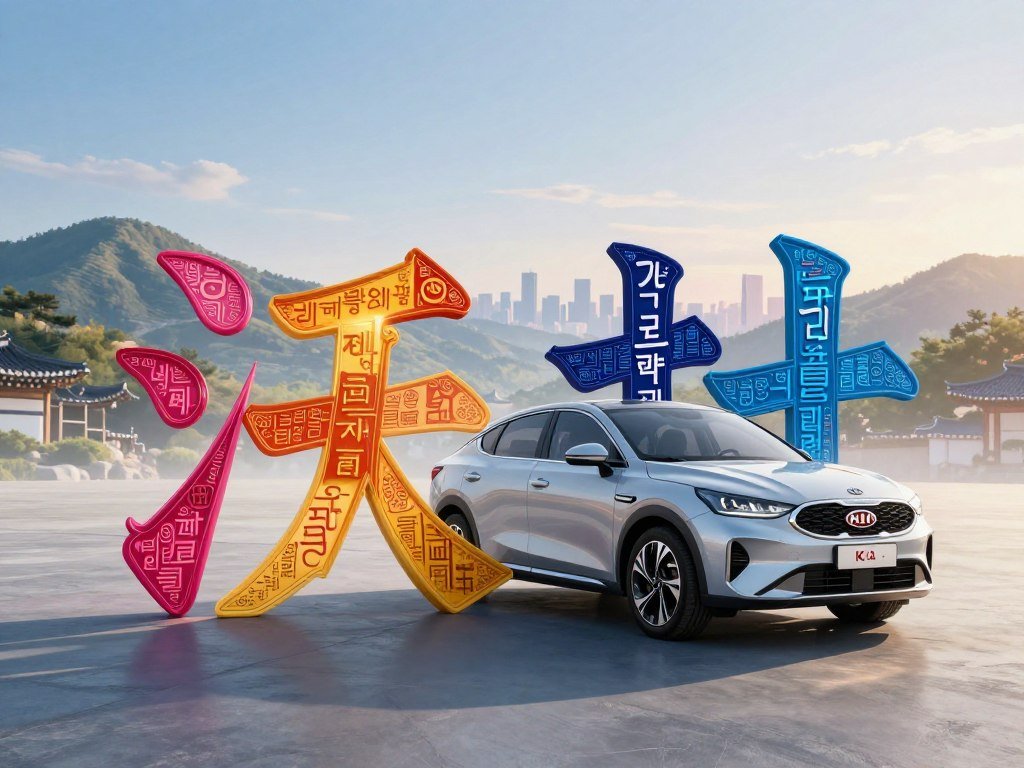
The Hanja Behind the Kia Name
The name combines 起, read as “ki,” and 亞, read as “a.” The first character means “to arise,” while the second stands for Asia.
Together, the characters express a goal tied to the brand’s roots in South Korea. The meaning is a short idea about rising from East Asia, not a full sentence or slogan.
That origin also helps explain why the name does not work like many English brand names. It does not spell out a longer phrase, and the letters do not represent separate words.
People sometimes ask what Kia Motors stands for. In this company name, “Motors” identifies the business, while “Kia” carries the meaning drawn from the Hanja characters.
Does Kia Have a Military Meaning?
The automaker’s name has no separate military expansion. It is not a military acronym in the company-name context described by its Hanja origin.
That answer applies to the name of the automobile brand. It does not make a claim about every use of the same letters or sounds in other settings.
For readers comparing car brands, the distinction is simple: Kia’s name has an explained cultural origin, while “Kia Motors” is not a set of initials.
The two characters offer a clear link to Asia, but they do not describe a vehicle, a military role, or a technical feature.
The name is brief, yet its roots point to the region where the South Korean company began and built its identity.
When the question is about the automaker, the useful meaning is “rising from East Asia,” not a military acronym.
How Much Autonomy Does Kia Have From Hyundai?
Hyundai Motor Group is the broader corporate umbrella, while Hyundai Motor Company is the company that holds Kia shares directly. Kia Corporation operates as a distinct automaker and brand within that larger group.
Hyundai Motor Company and Hyundai Motor Group Have Different Roles
The names describe different levels of the business. Hyundai Motor Group is the corporate group; Hyundai Motor Company is an automaker and Kia’s direct largest shareholder.
Kia and Hyundai keep separate design, research and development, and marketing teams. They also share some platforms, engines and technology, which can lower the need to build every part from scratch.
Shared technology does not make every Kia and Hyundai model identical. Each brand sets its own design and product choices, even when some vehicle parts or systems overlap.
| Entity | Type | Role in relation to Kia | What the role means |
|---|---|---|---|
| Hyundai Motor Group | Corporate group | Umbrella relationship with Kia | Not the direct shareholder named in the ownership table |
| Hyundai Motor Company | Automaker | Holds Kia shares directly | Kia’s largest shareholder |
| Kia Corporation | Automaker | Kia’s operating company and brand | Produces and markets its own vehicles |
Kia’s U.S. Sales Arm and Manufacturing Footprint
Kia Motors America was incorporated in the United States in 1992. Kia-branded Sephia sales began the next year through four dealerships in Portland, Oregon.
Its U.S. sales operation came before local production. Kia began U.S. production in November 2009 at its plant in West Point, Georgia.
- 1992: Kia Motors America incorporated.
- 1993: Sephia sales began in Portland.
- November 2009: U.S. production began in West Point, Georgia.
Kia produced 2.85 million vehicles in 2025, a measure of the automaker’s scale. That total does not mean Hyundai Motor Company owns every share.
Kia’s U.S. history began with a sales operation before its U.S. production started in Georgia.
What Do Kia’s Reliability Results Say About Its Models?
Kia’s survey results show a meaningful difference between individual models, so a single brand label cannot tell the whole reliability story. In the latest Consumer Reports survey, the Carnival Hybrid ranked highest among Kia models, while the EV9 ranked lowest.
The survey used data on about 380,000 vehicles. Brand scores covered model years 2023 through 2025, with early 2026 data included when sample sizes allowed.
A brand-level result cannot guarantee how every car will perform. A specific vehicle’s records and condition still matter.
The Carnival Hybrid was new for 2025 and was Kia’s most reliable model in the survey. The EV9, an electric three-row SUV, was its least reliable model.
Those results describe specific models in a survey, not every vehicle from the brand. They also cannot replace a vehicle’s maintenance history.
Before choosing a used car, use this three-part checklist:
- Compare the exact model year and powertrain.
- Check the vehicle’s service and recall history.
- Arrange an inspection instead of relying on a brand-level rating.
A hybrid and an electric SUV can have different parts and systems, so one model’s result may not fit another.
For a used Kia, the model-year rating is only a starting point; the individual vehicle’s records and condition still matter.
Conclusion
The simplest way to understand Kia is to keep the shareholder, the corporate group and the vehicle brand as separate ideas. Hyundai Motor Company holds shares directly, while Hyundai Motor Group describes the wider corporate relationship.
For a car decision, a model-specific record tells you more than a broad belief about all vehicles from one brand. Start by naming the exact Kia model and model year you are considering.
Then check that vehicle’s history and review current ownership information, since company stakes can change over time. Before making a decision, check the exact model year and the date of the ownership information you are using.
FAQ
Is Kia a Korean company?
Yes, Kia is a South Korean automaker headquartered in Seoul. The company began in South Korea and has grown into an international vehicle maker. Its cars and SUVs are sold in many countries, while its headquarters remain in Seoul. The country where a vehicle is built can differ from the country where its brand is based.
Are any Kia cars made in the USA?
Yes, Kia has made vehicles in the United States since November 2009. Its production plant is in West Point, Georgia. A vehicle’s assembly location can vary by model and model year, so the brand alone does not identify where a specific car was built. Check the vehicle label or its VIN details for that information.
Are Kia and Hyundai parts interchangeable?
No, Kia and Hyundai parts are not universally interchangeable. The brands share some platforms and components, but a similar-looking part may not fit or work in both vehicles. Compatibility can depend on the exact model year, trim and powertrain. Check the vehicle’s model details and the part number before buying a replacement part.
Can U.S. investors buy Kia shares?
Yes, U.S. investors may be able to buy Kia shares through a brokerage that supports Korean equities. Kia is listed on the Korea Exchange under KRX: 000270. Brokerage access, fees and trading rules vary, so check your account’s options before placing an order. A stock listing does not mean every brokerage offers that market.
How should I check whether a Kia has been recalled?
Use the vehicle’s VIN in the National Highway Traffic Safety Administration recall lookup. A VIN helps match recall notices to a specific vehicle, since a campaign may cover some cars but not every car of that model. You can find the VIN on the dashboard near the windshield or on the driver-side door area. Check again before buying a used vehicle.