
Casino Royale (2006) leads this audience-rating-based ranking, making it a strong starting point for a modern spy adventure. This countdown ranks the 25 Eon-produced films by IMDb rating. An IMDb rating is a user-submitted score summarized on a 10-point scale.
That ranking helps viewers pick an action film, a spy thriller, or a bigger adventure for movie night. Personal taste may favor a different Bond era, from classic espionage to modern stories with more personal stakes. The ratings show what audiences have liked most, not an objective verdict on artistic merit.
Key Takeaways
- Casino Royale (2006) leads this audience-based ranking.
- IMDb ratings reflect user scores, not a single critical verdict.
- The list covers 25 films produced by Eon.
- Different Bond eras offer distinct moods and styles.
- Use the ranking as a shortlist, then choose the era whose tone sounds most appealing.
How This 25-Film Ranking Is Scoped
This countdown covers Eon’s 25 Bond films, not every movie that has used the character. It follows James Bond, a British secret agent working for the Secret Service, through the official Eon-produced series. That boundary keeps the list focused on one connected film run.
The 25-film countdown uses IMDb audience ratings, not an all-purpose verdict on quality. Vote totals add context to each score, but a large total does not mean every viewer loves a film. It shows how many users submitted ratings.
IMDb ratings and vote totals
IMDb ratings put user-submitted scores on a 10-point scale. A film’s rating can help compare it with other Bond titles, while its vote total shows how many users weighed in. Neither measure captures every viewer’s taste or the reasons behind each rating.
A film with many votes has a broader pool of ratings than one with fewer votes. That makes the score useful for comparison, but not a promise that a new viewer will agree. A viewer who prefers dry humor may rate a different era above the highest-ranked film.
Why two Bond titles sit outside the countdown
The 1967 Casino Royale spoof and Never Say Never Again (1983) were produced outside Eon. They do not belong in this Eon-only countdown, even though both use the James Bond character. The 1967 film is a separate comedy with an ensemble cast, not part of the same run.
These limits matter because lists can rank different sets of movies. A viewer comparing two rankings should first check which films each one includes. The Eon count also gives each entry a shared production scope, rather than mixing unrelated productions.
Treat a rating as a useful comparison point, not a substitute for your preferred Bond style.
Vote totals can help readers judge how widely a score has been submitted. They cannot turn an audience average into a universal rule about which film deserves a watch.
Best James Bond Movies: Top 10 by IMDb Rating
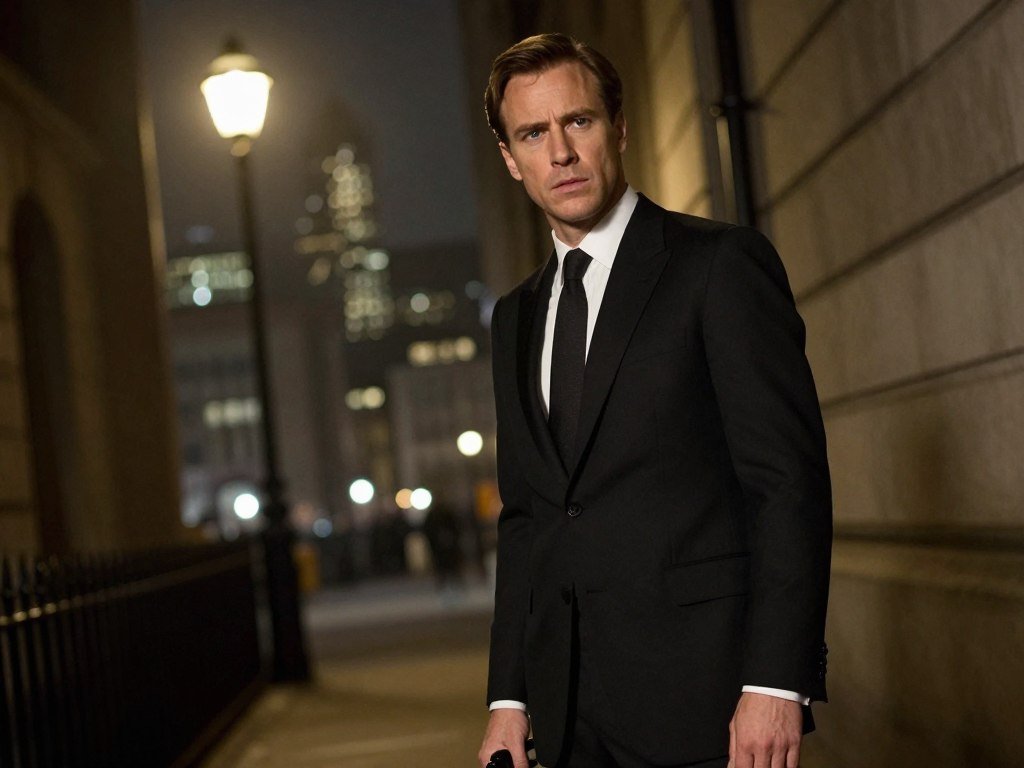
Casino Royale is the strongest starting pick for viewers who want a modern origin story with a tense poker-centered mission. It ranks first among the best James Bond movies by IMDb rating, while Skyfall and Goldfinger offer close alternatives for different tastes. Casino Royale leads this audience-based top ten at 8.0/10.
These ten titles move from a stripped-down modern reset to classic espionage and larger set pieces. The vote totals show how many IMDb users rated each film. The plot hooks also help viewers find the right first movie, even when a close score leaves several strong choices.
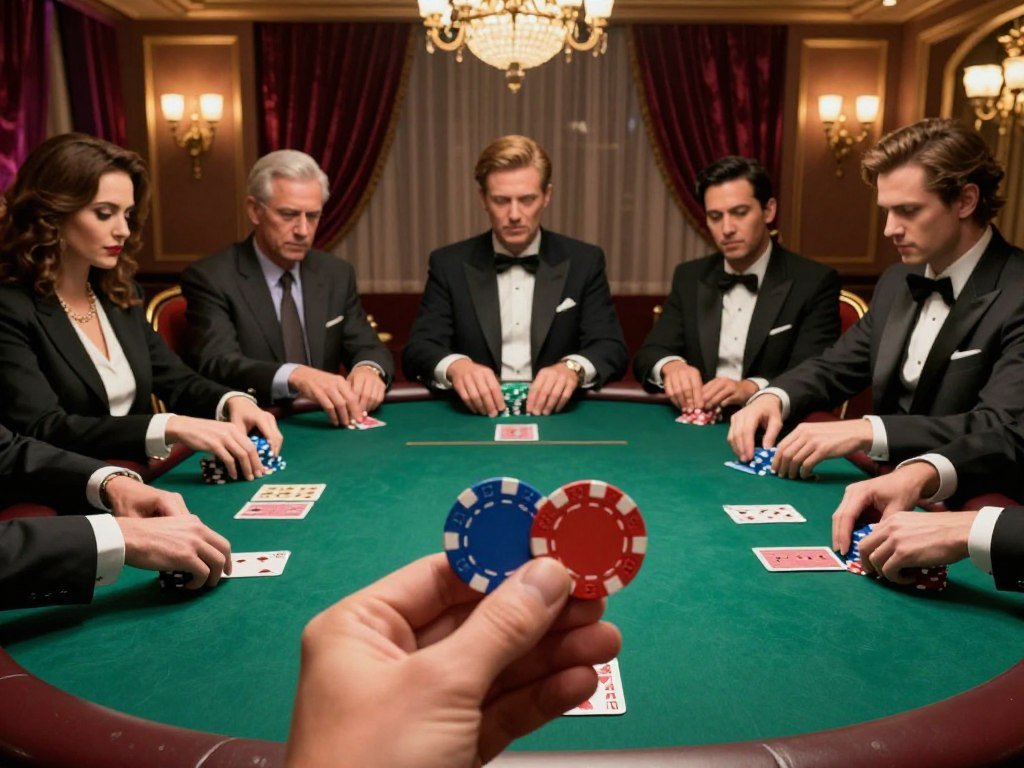
- Casino Royale (2006), 8.0/10 from 758K votes. Bond takes on a high-stakes poker game in Montenegro, where a win could disrupt a dangerous financier’s plans. The film gives the agent a rougher beginning, with early mistakes and sharp risks shaping his new role.
- Skyfall (2012), 7.8/10 from 783K votes. A mission puts Bond’s loyalty to M under pressure after a threat reaches the heart of the Secret Service. Its personal stakes make it a strong pick for viewers who want a thriller as much as an action movie.
- Goldfinger (1964), 7.7/10 from 221K votes. Bond investigates a scheme aimed at Fort Knox, where a plot against the gold reserve gives the villain a bold target. Its mix of gadgets, memorable threats, and a clear mission helped define a classic Bond mood.
- No Time to Die (2021), 7.3/10 from 497K votes. The story begins after Bond has left active service, but a new request draws him back into danger. Its place in the top ten makes it a good choice for viewers who want a later chapter with familiar character ties.
- From Russia with Love (1963), 7.3/10 from 162K votes. Bond pursues a stolen Soviet encryption device, and rival forces turn the mission into a tense contest. The film leans on espionage and suspicion more than flashy action, making it the top-ten pick for classic spy-story fans.
- GoldenEye (1995), 7.2/10 from 290K votes. A stolen defense system threatens wide damage, and Bond must face a conflict rooted in his own past. The film pairs a direct mission with the arrival of a new Bond era.
- Dr. No (1962), 7.2/10 from 199K votes. The first Eon Bond film sends the agent to investigate a missing colleague and trouble affecting the American space program. Its lean setup introduces the series’ blend of travel, danger, and secret work.
- The Spy Who Loved Me (1977), 7.0/10 from 127K votes. Bond investigates hijacked submarines and a plan that could put global powers at risk. The film adds bright spectacle to its spy plot, offering a playful option for viewers who like a lighter adventure.
- Thunderball (1965), 6.9/10 from 140K votes. Bond hunts for stolen nuclear warheads before they can be used as bargaining tools. Underwater action gives this mission a distinct look among the classic-era entries.
- Spectre (2015), 6.8/10 from 504K votes. A message from Bond’s past draws him toward a hidden group and a larger threat. Its story suits viewers who want a modern spy movie built around connections across Bond’s earlier missions.
Skyfall and Goldfinger sit close behind the leader, but they serve different moods. Skyfall is the pick for a personal thriller, while Goldfinger delivers a classic mission and villain. For a classic espionage mood rather than a modern reset, From Russia with Love is the clearest alternative in this top ten.
Ranks 11-15: Which Bond Films Keep the Momentum?
This stretch moves between outsize spectacle and more personal spy stories, rather than settling into one Bond formula. Each film has a distinct mission, and their close ratings leave plenty of room for taste. The premise often gives a better clue than rank alone.
You Only Live Twice favors bold spectacle, while Licence to Kill turns Bond’s mission into a personal pursuit. For a less showy mission, For Your Eyes Only keeps the focus on a missing British vessel and its sensitive cargo.
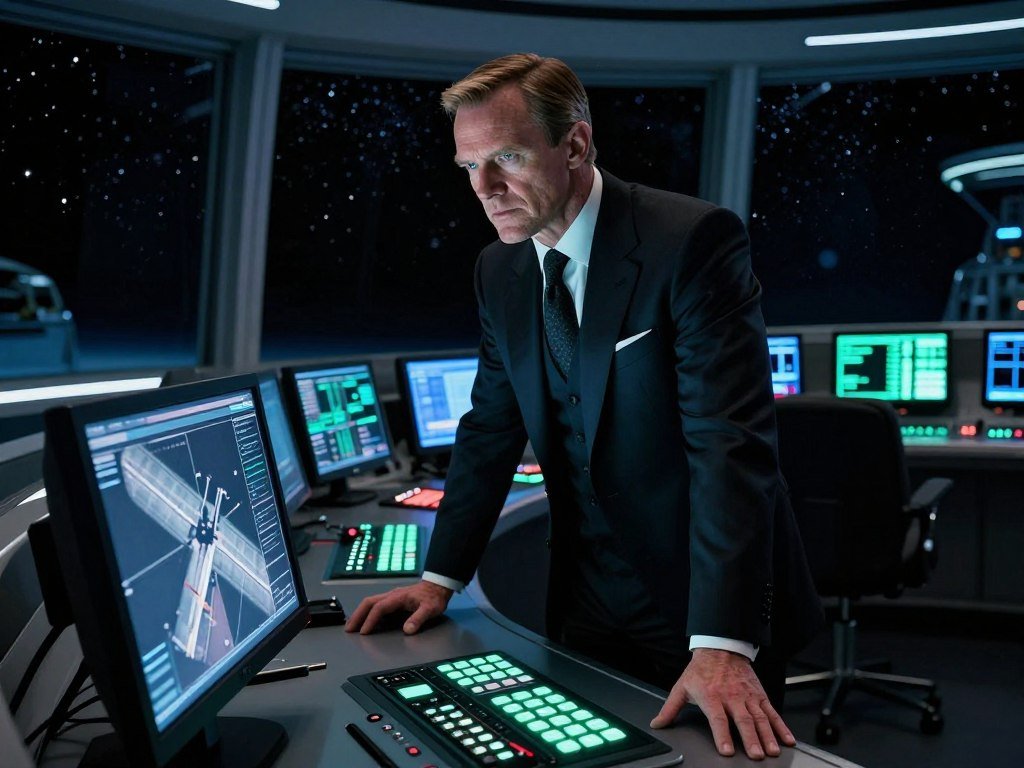
- You Only Live Twice (1967), rank 11, 6.8/10 from 129K votes. A series of space hijackings pushes Bond into a mission with an unusually large scale. Choose it for a story that sends the agent toward an international threat above the Earth.
- Live and Let Die (1973), rank 12, 6.7/10 from 127K votes. Bond targets a heroin magnate whose reach pulls the agent into a dangerous investigation. The criminal network gives the movie a different flavor from a mission focused on weapons or a stolen device.
- The Man with the Golden Gun (1974), rank 13, 6.7/10 from 124K votes. An assassin and a new form of solar-cell technology draw Bond into a contest over valuable power. The threat is personal, but the technology gives the chase a wider aim.
- Licence to Kill (1989), rank 14, 6.7/10 from 122K votes. Bond pursues a drug lord in a story driven by revenge rather than a standard assignment. Its direct motive makes it a strong pick for viewers who want a tougher, more personal spy film.
- For Your Eyes Only (1981), rank 15, 6.7/10 from 118K votes. A British vessel carrying a weapons encryption device has gone missing, and Bond must find it before rival forces do. The grounded mission offers a quieter alternative to space-age spectacle.
The list’s middle ranks do not make these films interchangeable. You Only Live Twice sends Bond into a space-hijacking plot, while Licence to Kill keeps its focus on revenge. For a more grounded mission in this group, choose For Your Eyes Only.
Ranks 16-20: Which Mid-Ranking Films Suit Your Taste?
This group rewards viewers who are willing to trade a consistently polished plot for a specific Bond-era flavor. Its stories range from a KGB policy dispute to a diamond trail in Las Vegas. Different tastes can make any one of them the right pick.
On Her Majesty’s Secret Service brings the most personal stakes, while Tomorrow Never Dies builds its threat around the media. Quantum of Solace suits viewers who prefer brisk, modern action and a story about a country’s valuable resource.
- The Living Daylights (1987), rank 16, 6.7/10 from 116K votes. A KGB policy and an arms deal bring Bond into a conflict where motives shift. Its plot suits viewers who enjoy a spy mission built on questions of loyalty.
- On Her Majesty’s Secret Service (1969), rank 17, 6.7/10 from 111K votes. Bond pursues Blofeld, but the story gives its danger a more intimate edge. Viewers who want romance and personal loss alongside espionage may find this entry especially rewarding.
- Quantum of Solace (2008), rank 18, 6.5/10 from 505K votes. Bond investigates an organization targeting a country’s valuable resource. The film moves quickly through its action and works best for viewers who like a modern, direct style.
- Tomorrow Never Dies (1997), rank 19, 6.5/10 from 218K votes. A media mogul tries to provoke a war, turning news power into the film’s central threat. That premise gives the movie a more public conflict than a story centered on one rogue agent.
- Diamonds Are Forever (1971), rank 20, 6.5/10 from 125K votes. Bond follows a diamond-smuggling operation into Las Vegas, where a trail of gems hides a larger plan. Its setting and crime plot make it an easy pick for viewers who want a colorful caper.
The five entries do not share one tone. On Her Majesty’s Secret Service puts Bond’s private life close to the center, while Tomorrow Never Dies plays with media power. Choose On Her Majesty’s Secret Service for the strongest personal drama in this five-film group.
What Are the Worst-Rated James Bond Movies?
Die Another Day is the lowest-ranked Eon film in this countdown, while the other four entries each have a different kind of excess. The bottom five span jewel smuggling, nuclear danger, space travel, and a high-tech weapon. Low ranking does not mean a film has no entertainment value.
The IMDb order reflects audience scores, not a rule about which film no one should watch. A viewer who enjoys large stunts or campy spectacle may have a better time with one of these entries than its rank suggests.
- Octopussy (1983), rank 21, 6.5/10 from 122K votes. A fake Fabergé egg, jewel smuggling, and a threat to a NATO air base come together in a busy mission. Its mix of crime and global danger suits viewers who enjoy a packed adventure.
- The World Is Not Enough (1999), rank 22, 6.4/10 from 223K votes. An oil heiress and a nuclear plot give Bond a threat tied to energy and power. Its story may appeal to viewers who want a large-scale conspiracy with a personal target.
- Moonraker (1979), rank 23, 6.3/10 from 119K votes. Bond investigates a stolen space shuttle and follows the trail into a larger scheme. The space setting pushes the film toward the series’ more extravagant side.
- A View to a Kill (1985), rank 24, 6.3/10 from 114K votes. A microchip and Max Zorin’s plan bring Bond into a battle over new technology. The villain’s scheme gives this entry its own high-stakes hook.
- Die Another Day (2002), rank 25, 6.1/10 from 243K votes. Bond faces a North Korean terrorist and a space weapon in a story that leans hard into exaggeration. Its bold premise makes it a clear choice for viewers who enjoy outsized action.
Octopussy turns jewel smuggling into a threat to a military base, while Die Another Day reaches for a space weapon. Their different kinds of excess show why a low score can still point to a specific kind of fun. If campy spectacle is part of the appeal, Moonraker may still be more fun than its position suggests.
Which Daniel Craig Bond Movies Are Best?
Casino Royale is the strongest Craig-era starting point, while Skyfall is the best alternate for viewers who want more emotional weight. For a grounded reset, Casino Royale follows Bond as he earns his place in the role. Skyfall is the pick when Bond’s ties to M matter as much as the mission.
Craig’s five films move from an early test to a final chapter shaped by returning relationships. No Time to Die followed a six-year gap between Bond movies. Craig’s uninterrupted on-screen run as Bond lasted 15 years, while Sean Connery’s appearances as Bond spanned 21 years.
| Film | Bond’s situation | Central conflict | Viewing appeal |
|---|---|---|---|
| Casino Royale | Early in his 007 career | A high-stakes poker mission | Modern, grounded origin story |
| Quantum of Solace | Driven by a personal search | An organization targets a country’s resource | Brisk action and direct momentum |
| Skyfall | Testing his loyalty to M | A threat reaches the Secret Service | Emotional thriller with personal stakes |
| Spectre | Following a message from his past | A hidden group ties events together | Modern plot with links to earlier missions |
| No Time to Die | Living away from active service | A new danger brings him back | Returning character ties and a final chapter |
The six-year wait before No Time to Die was the longest gap between Bond films at the time. That pause gives its returning relationships extra weight, especially for viewers who have followed Craig’s full run.
Craig’s films work as separate adventures, but his later stories build on earlier ties. Save No Time to Die for a watch sequence that gives its returning character relationships room to land.
Which Pierce Brosnan Bond Movie Is the Best?
GoldenEye is the best Brosnan starting point for a viewer who wants confident 1990s action with a Cold War aftertaste. Its stolen defense system gives Bond a direct mission with a personal edge. GoldenEye is the clearest first pick from Brosnan’s four-film run.
The other three entries lean on different threats, from a media mogul to a nuclear plot and a space weapon. Brosnan’s second Bond film was Tomorrow Never Dies (1997), and Die Another Day (2002) was his final Bond film. The table can help fans choose by premise instead of rank.
| Film | Main threat | Story setup |
|---|---|---|
| GoldenEye | A stolen defense system | Bond faces a threat tied to a former agent |
| Tomorrow Never Dies | A media mogul | A news empire tries to provoke a war |
| The World Is Not Enough | A nuclear plot | An oil heiress draws Bond into a dangerous scheme |
| Die Another Day | A North Korean terrorist and a diamond mogul | A space weapon raises the stakes |
GoldenEye gives the era a sturdy first watch, but the later films fit other moods. Tomorrow Never Dies uses media power as its threat, while The World Is Not Enough ties danger to oil and nuclear weapons. Die Another Day pushes the action toward a more exaggerated style.
Viewers who like a clear villain plan may prefer the second film, while fans of rogue-agent tension can start with GoldenEye. Pick Tomorrow Never Dies instead if a media mogul as the villain sounds more entertaining than a rogue-agent story.
Which Sean Connery Bond Films Still Stand Out?
Goldfinger is the best Connery pick for classic Bond spectacle, while From Russia with Love is the sharper choice for spycraft. Goldfinger’s bold scheme targets Fort Knox and gives Bond a signature villain. From Russia with Love puts espionage and suspense ahead of elaborate gadgets.
The five Connery-era films offer several ways into classic Bond. Dr. No introduces a missing colleague and a threat to the American space program. Thunderball turns stolen nuclear warheads into a chase, while You Only Live Twice takes its plot into space.
| Film | Main mission | What makes its premise distinct |
|---|---|---|
| Dr. No | Find a missing colleague | A threat reaches the American space program |
| From Russia with Love | Recover a Soviet encryption device | A tense contest built around espionage |
| Goldfinger | Stop a plan against Fort Knox | A bold target and a memorable villain |
| Thunderball | Find stolen nuclear warheads | Underwater action shapes the chase |
| You Only Live Twice | Stop space hijackings | A large-scale threat reaches beyond Earth |
Goldfinger fits the familiar gadget-and-villain formula, while From Russia with Love keeps its tension close to the spy mission. Dr. No is a good choice for viewers who want to see where the Eon film sequence began. Each film offers a different balance of action and covert work.
Connery’s era can suit both fans of large set pieces and viewers who prefer suspense. Choose From Russia with Love when suspense matters more to you than elaborate gadgets.
How Do Roger Moore, Timothy Dalton and George Lazenby Compare?
Choose Roger Moore for a winking adventure, Timothy Dalton for a harder-edged spy story and George Lazenby for a more vulnerable Bond. Each portrayal has a clear mood, but their film runs vary in size. Dalton’s two-film run and Lazenby’s single outing offer very different samples.
Roger Moore played Bond in seven films, giving viewers a long run of lighter stories. The Spy Who Loved Me is a strong place to begin with his playful style. It combines hijacked submarines with a larger threat, then keeps a knowing tone around the action.
Roger Moore’s lighter, playful Bond
Moore’s Bond often treats danger with a raised eyebrow. The humor and self-aware style make his films a good fit for viewers who like spectacle without a grim mood. The Spy Who Loved Me is the clearest recommendation for that version of the agent.
Timothy Dalton’s tougher spy thriller
Dalton played Bond in The Living Daylights and Licence to Kill. His approach feels grittier and more intense than Moore’s, with less room for a wink. Licence to Kill is the strongest pick for viewers who want a harder-edged story about Bond pursuing a drug lord.
The Living Daylights offers a different entry into Dalton’s short run. Its KGB policy and arms deal give the story a spy-thriller shape. Two films make his era brief, but they still show two sides of a tougher Bond.
George Lazenby’s single Bond outing
Lazenby played Bond in one film, On Her Majesty’s Secret Service. His portrayal gives the agent a more vulnerable and romantic side, with personal bonds close to the story’s center. That single outing offers a very different sample from Moore’s seven films.
The contrast matters when viewers compare actors. Dalton’s two films offer a small but varied run, while Lazenby’s only film centers on a more intimate version of Bond. For a viewer curious about the series’ most intimate Bond portrayal, begin with On Her Majesty’s Secret Service.
How IMDb and Rotten Tomatoes Rank Bond Differently
IMDb and Rotten Tomatoes answer different questions, so a film can fare differently on an audience-rating list and a critic-focused ranking. IMDb reflects users, while the Rotten Tomatoes Tomatometer summarizes critics’ reviews. The two measures do not rank the same thing.
IMDb combines user-submitted ratings into a score on a 10-point scale. That makes it useful for comparing audience response across the Eon-produced films. Rotten Tomatoes focuses on critics and also marks films by certification status.
What an IMDb rating represents
An IMDb rating gives a quick view of user response. A high score means users submitted ratings that average well on its scale, but it does not explain why they liked the film. The number also does not replace an individual viewer’s taste in actors, action, or plot.
Vote totals help show how many users rated a title, while the score offers a broad comparison. A film can be popular with its audience and still receive a different response from critics. That difference is normal when two measures use different groups and methods.
What Rotten Tomatoes adds
The Rotten Tomatoes James Bond ranking covers 27 movies, making its scope broader than the 25-film Eon countdown. Its critic reviews and certification labels can highlight films that a user-score list places elsewhere. On Her Majesty’s Secret Service is Certified Fresh.
GoldenEye is the only Pierce Brosnan Bond film described as Certified Fresh; his other three are Rotten. That split shows how a critic-focused label can distinguish titles within one actor’s run. It does not prove that every viewer will agree with critics.
A rating works best when readers know whose response it summarizes. Check which kind of rating matters most to you before using either list to settle a close choice.
Which Bond Movie Should You Watch First?
For a modern starting point, choose Casino Royale; for classic Bond spectacle, choose Goldfinger. The best first watch depends on whether a viewer wants a grounded origin, spycraft, or a lighter adventure. Four distinct moods make an easy shortlist.
These picks offer clear entry points without requiring a full franchise watch. Each one has a simple reason to choose it, so a viewer can match a film to the kind of night ahead.
- Modern and grounded: Casino Royale follows Bond early in his career and builds its mission around a tense poker game.
- Classic gadgets and villainy: Goldfinger pairs a scheme against Fort Knox with an iconic villain and gadget-filled adventure.
- Espionage and suspense: From Russia with Love centers on a stolen Soviet encryption device and a close spy contest.
- Playful spectacle: The Spy Who Loved Me mixes hijacked submarines with a lighter style and a memorable vehicle.
A viewer who wants the British secret agent at his most serious can start with Casino Royale. Fans of classic movie craft may prefer Goldfinger, while those who value stealth and suspense can choose From Russia with Love. The Spy Who Loved Me is a brighter pick for a relaxed night.
Netflix’s U.S. catalog can change, so a title may not stay available from one visit to the next. Check the current listing before making plans around a particular movie. Verify a title’s current Netflix listing before building a watch night around it.
Should You Watch the Bond Films in Release Order or by Actor?
Release order is the clearest choice for a first full run, while actor-by-actor viewing suits anyone comparing portrayals. Release order shows the series changing across eras, and actor order keeps one version of Bond together. Choose based on whether franchise history or performance comparison matters more.
The Eon film sequence opens with Dr. No, while Casino Royale begins Daniel Craig’s Bond story. Between them, Sean Connery, George Lazenby, Roger Moore, Timothy Dalton, Pierce Brosnan, and Craig each bring a distinct screen era.
Release order shows the franchise changing over time
Release order makes shifts in tone, production style, and casting easier to spot. Viewers can see how a familiar secret agent changes as films respond to new eras. The method also shows how the franchise moves from Dr. No toward later stories like Casino Royale.
For a first full franchise watch, release order gives each change a clear place in the series. It also avoids jumping between decades, which can make changes in action style feel abrupt. The steady path is especially useful for viewers who want to understand the films as a long-running series.
Actor-by-actor viewing makes tonal shifts easier to follow
Actor order lets viewers compare one portrayal across its own run. Connery’s classic spy stories, Moore’s playful adventures, and Dalton’s tougher missions each have their own shape. Craig’s set begins with a modern origin story, so Casino Royale works as the start of his actor-focused run.
People who enjoy comparing performances can watch each actor’s Bond films together. That approach makes changes within a single portrayal easier to notice. It can also help viewers see how each Bond handles action, humor, and personal stakes.
For viewers who also enjoy spy games, a guide to classic PS2 games can help find more stealth stories. Choose one viewing path before starting so that shifts in tone feel intentional rather than random.
What Makes a Bond Film Feel Like Bond?
The most recognizable Bond adventures combine a specific mission with a memorable threat and a set piece built around the agent’s ingenuity. A strong set piece gives action a clear purpose, rather than making it a string of stunts. A villain and personal stakes help the spycraft matter.
Signature props can make a scene easy to recall, but the mission gives each one meaning. A car, a tank, or an unusual tool works best when Bond needs it to solve a problem. The table shows four different ways the films turn objects into action.
| Film | Signature prop or vehicle | Bond-style action hook |
|---|---|---|
| Goldfinger | Aston Martin DB5 and Oddjob | Gadgets help Bond face a bold Fort Knox scheme |
| The Spy Who Loved Me | Lotus Esprit that becomes a submarine | A car turns into a tool for an underwater mission |
| The Living Daylights | Viola case | An instrument case becomes part of an action sequence |
| GoldenEye | Tank | Bond takes a large vehicle into a pursuit |
A memorable villain gives the mission a face
A strong antagonist gives Bond’s plan a clear obstacle. Oddjob helps make Goldfinger’s plot feel personal and easy to remember, while the stolen defense system in GoldenEye gives Bond a direct threat to stop. A villain’s goal can turn gadgets and action into parts of one story.
The set pieces also show how Bond solves problems under pressure. A tank, an instrument case, or a submarine car stands out because the agent must adapt. Fans of game stories about stealth and spy action may also enjoy PS5 action and stealth games, including a young Bond adventure.
Personal stakes keep spycraft from becoming spectacle
Personal stakes give a mission weight beyond its scale. A danger that touches Bond’s loyalties or relationships can make a chase matter as much as the threat itself. That balance helps explain why some films feel tense even between action scenes.
Choose a film whose villain and action premise appeal to you, rather than assuming every Bond entry uses the same formula.
A memorable antagonist and a clear goal make the action easier to follow. The best match is the one whose threat and set piece fit the mood a viewer wants tonight.
Conclusion
Start with Casino Royale for a modern reset or Goldfinger for the classic Bond formula. The first offers a grounded origin story, while the second brings classic gadgets and a memorable villain. Both are strong entry points, but neither has to become every viewer’s favorite.
Audience ratings can narrow the choices, yet a personal favorite need not match the ranking. A viewer may prefer the spycraft of From Russia with Love or the playful style of The Spy Who Loved Me. Pick the tone you want tonight, then let that film be your own first-place Bond choice.
FAQ
Which James Bond is most popular?
If popularity means the highest-rated individual film in this ranking, Casino Royale (2006) leads at 8.0/10. That score reflects users’ ratings of one movie, not the popularity of an actor across a career. A film can rank highly even when its lead actor is not every viewer’s favorite Bond. Actor popularity depends on personal taste, era, and the roles audiences remember.
What are the best James Bond movies, ranked in order?
The top three are Casino Royale (2006) at 8.0/10, Skyfall (2012) at 7.8/10, and Goldfinger (1964) at 7.7/10. Those IMDb ratings put a modern origin story, an emotional thriller, and a classic spy adventure at the top. Their different styles make the order useful as a shortlist, not a rule about which one every viewer must prefer.
What is the lowest rated Bond film?
The 1967 Casino Royale spoof is the lowest-rated Bond film, at 5.0/10 from 36K votes. It is not one of the 25 Eon-produced films in the main countdown. That separate ensemble comedy uses the character in a different kind of movie, so its rating should not be confused with the lowest-ranked Eon entry.
Which is the highest rated Bond?
Casino Royale (2006) is the highest-rated film in this ranking, with an IMDb rating of 8.0/10 from 758K votes. The score belongs to the film, not to an actor’s full career. Its modern origin story makes it a useful place to start for viewers who want an intense mission and a younger Bond learning the role.
Who is considered the best James Bond ever?
There is no single actor who is objectively the best James Bond, because viewers value different traits. Sean Connery is a classic-era choice for a cool, early version of the agent. Daniel Craig is a strong modern choice for viewers who want a more grounded and emotionally focused portrayal. The best pick depends on which Bond style feels right.
Who is the least popular James Bond?
Film ratings do not establish which actor is least popular overall. If a film score serves as a rough proxy, Brosnan’s Die Another Day is the lowest-ranked Eon entry in this countdown. That result describes one movie’s IMDb rating, not how audiences judge Brosnan’s whole run or his popularity as an actor.
Who is the most attractive James Bond?
Attractiveness is subjective, so no actor is an objective winner. Some viewers may prefer Sean Connery’s classic screen presence, while others may favor the style of Pierce Brosnan or Daniel Craig. Casting, costume, and the tone of each era can shape those reactions. Personal preference is a better guide than a film rating for this choice.
Who played the worst James Bond?
A film’s score does not prove that its lead actor gave the worst performance. The 1967 Casino Royale is an ensemble spoof, so it does not offer a simple comparison with the Eon Bond portrayals. Die Another Day is the lowest-ranked Eon film here, but that rating measures the movie, not proof that Brosnan was the worst Bond.