A great role-playing game gives you a character to inhabit and decisions that make the adventure feel personal. Player agency means the ability to make choices that meaningfully affect your character’s path, relationships, or story. The best role games can make a quiet talk with a companion feel as important as a fight.
This ranking weighs engaging play and memorable stories, while recognizing that your best fit depends on your preferred style. You will find PC, Android, Switch, and tabletop options, though no single game works on every platform. Some picks make story the main draw; others ask you to master combat, explore a huge world, or share the adventure with friends.
Key Takeaways
- Start with Baldur’s Gate 3 for flexible choices and story.
- Try Elden Ring if you want exploration with demanding combat.
- Look to tactical games for battles built around planning.
- Check device support before choosing a game for PC, Android, or Switch.
- For tabletop play, match the rules and session length to your group.
Use the ranked picks as a starting point, then choose by the kind of play you most enjoy.
What Are the Best Role Games for Story and Choice?
For a story-first PC adventure, start with Baldur’s Gate 3; choose Disco Elysium if you want dialogue and investigation to lead. Baldur’s Gate 3 makes player choice central, while other role-playing games offer different kinds of story and character drama.
These five are strong PC RPGs, but check platform availability before choosing. Baldur’s Gate 3 received a 5.0 PCMag rating in 2026, with flexible choices as a defining part of its tabletop-inspired design.
| Rank | Game | Best for | Distinguishing play experience |
|---|---|---|---|
| 1 | Baldur’s Gate 3 | Player choice | Tabletop-inspired choices shape scenes and paths |
| 2 | The Witcher 3: Wild Hunt | Open-world story | Quest lines build stories across a broad world |
| 3 | Mass Effect 2 | Squad drama | Companions and consequential decisions drive the story |
| 4 | Disco Elysium | Dialogue and investigation | Skills and conversations shape an unusual case |
| 5 | Dragon Age: Origins | Party-based fantasy | Companions and origins shape a classic adventure |
Choose a story RPG by the choices you want to make, not by its label alone.
Baldur’s Gate 3 suits players who want choices to affect how scenes unfold. Its Dungeons & Dragons-inspired design gives you room to approach problems in different ways. A PCMag review of Baldur’s Gate 3 gives the game a 5.0 rating and highlights its flexible role-play choices.
The Witcher 3: Wild Hunt arrived in 2015 and puts open-world storytelling at the center. Its quests can draw you into the lives of people across a large fantasy setting. Mass Effect 2, released in 2010, takes a tighter approach: your squad and the decisions around its survival shape the adventure.
Disco Elysium, released in 2019, makes dialogue and skill checks the heart of play. You investigate a case by talking, thinking, and deciding what kind of person your character will be. Dragon Age: Origins offers another strong party-focused option, with a fantasy world built around companions and character backgrounds.
For a broader look at branching and linear storytelling, explore these story-driven game picks. If choices among companions and a team’s survival appeal most, Mass Effect 2 is a particularly strong fit.
Which Classic PC RPGs Still Reward Your Time?
Fallout and Planescape: Torment remain compelling choices if you want classic PC role-playing with distinct worlds and consequential decisions. Fallout stands out for its post-nuclear setting and freedom to shape your character.
These community rankings are separate from the ranking in this article. In RPG Codex’s 2024 vote of the top 101 PC RPGs, Fallout: A Post Nuclear Role Playing Game placed first, and Planescape: Torment placed second.
| Rank | Game | Best for | Defining appeal |
|---|---|---|---|
| 6 | Fallout: A Post Nuclear Role Playing Game | Post-apocalyptic role-play | Character-building freedom in a ruined world |
| 7 | Planescape: Torment | Dialogue-led fantasy | Unusual setting and conversations shape the story |
| 8 | Chrono Trigger | Time travel | Time-spanning adventure with turn-based battles |
| 9 | Final Fantasy VII | Cinematic storytelling | Memorable characters and a sweeping story |
| 10 | Fallout: New Vegas | Wasteland exploration | Faction choices and a detailed desert setting |
Fallout gives you control over the kind of survivor you become. Its post-nuclear setting puts hard choices in front of your character, while its systems leave room to build different strengths. The game’s age shows, but its mix of role-play and a harsh world remains distinctive.
Planescape: Torment takes you into an unusual fantasy world where dialogue drives much of the experience. It suits players who enjoy learning who their character is through conversations and decisions. Chrono Trigger, released in 1995, offers a time-travel adventure with turn-based battles that remain easy to follow.
Final Fantasy VII arrived in 1997 and helped bring cinematic storytelling and memorable characters to a broad audience. Fallout: New Vegas carries the series’ post-apocalyptic role-play into a different setting. Its factions give you competing interests to consider as you shape your path.
That 2024 vote reflects one community’s favorites, not a universal measure of the RPG ever made. For a tightly focused post-apocalyptic story, Fallout is the classic to put first on your shortlist.
Which Action RPGs Make Combat the Main Attraction?
Elden Ring is the best all-around pick here if you want action combat paired with room to explore. Its mix of demanding fights and open discovery gives you more than one reason to keep moving.
Choose by the kind of combat you want to practice. Dark Souls III focuses on hard battles, while other action RPGs add magic, combos, or playful ways to customize your fighter.
| Rank | Game | Combat style | Best for |
|---|---|---|---|
| 11 | Elden Ring | Demanding action with exploration | Players who want challenge and discovery |
| 12 | Dark Souls III | Focused, challenging battles | Players who want a concentrated test |
| 13 | Black Myth: Wukong | Melee fighting and magic | Players who want varied attacks |
| 14 | Crisis Core: Final Fantasy VII Reunion | Combo-driven action | Players who favor flowing combos |
| 15 | Another Crab’s Treasure | Custom shells and abilities | Players who want a lighter spin on action |
Dark Souls III makes the challenge itself the main attraction. Its action-focused combat and tough battles reward patience and practice. PCMag gave it a 4.0 rating for that demanding style, so expect a game that asks you to learn from each fight.
Black Myth: Wukong pairs melee fighting with magic. PCMag rated it 4.0, noting its blend of close-range attacks and spells. Crisis Core: Final Fantasy VII Reunion also received a 4.0 rating, with free-flowing combos, redesigned boss mechanics, and PC voice work.
Another Crab’s Treasure brings a more playful angle to action combat. It received a 3.5 PCMag rating and lets you customize shells and abilities. Those changes can shape how you approach a fight, rather than simply changing how your character looks.
For more picks across action styles, see these RPG recommendations by play style. Pick Dark Souls III instead when the appeal is a tighter focus on difficult battles.
Which Turn-Based RPGs Suit Tactical Players?
If you want battles that reward deliberate choices, Clair Obscur: Expedition 33 and Persona 5 Royal are the clearest starting points. Both games ask you to think about timing, though their styles differ.
Turn-based games give you time to plan each move. Some add timed inputs, party building, or card choices, so you can pick the kind of tactics that feels fun.
| Rank | Game | Tactical hook | Best for |
|---|---|---|---|
| 16 | Clair Obscur: Expedition 33 | Timed attacks during turn-based battles | Players who like timing and planning |
| 17 | Persona 5 Royal | Turn-based combat and social simulation | Players who want battles and daily life |
| 18 | Octopath Traveler: Champions of the Continent | Break/Boost weakness system | Players who enjoy party tactics |
| 19 | Across the Obelisk | Deck building and branching stories | Players who like cards and story paths |
| 20 | Divinity: Original Sin 2 | Tactical, party-based play | Players who want flexible team tactics |
Clair Obscur: Expedition 33 received a 3.5 PCMag rating. Its turn-based battles include attacks that need specific timing, adding an active skill to each plan. Persona 5 Royal pairs turn-based battles with social simulation, so time outside combat matters too.
Persona 5 Royal was released in 2019 and 2022. The different dates reflect its release history, not a single launch in both years. Octopath Traveler: Champions of the Continent builds its battles around Break/Boost: exploit an enemy’s weakness to break shields, then boost attacks.
Across the Obelisk received a 3.5 PCMag rating. It combines deck-building RPG mechanics with multiple storylines, giving you both card choices and branching paths. Divinity: Original Sin 2 supports tactical, party-based play, with a team you can shape around your approach to a problem.
Players who enjoy planning beyond an RPG can compare other turn-based strategy game options. Choose Across the Obelisk when building a deck and following more than one storyline sound like the fun part.
Which RPGs Offer the Most Room to Explore?
Skyrim is the easiest recommendation for a broad fantasy sandbox, while Daggerfall suits players curious about an older, more open-ended adventure. Skyrim lets you roam a fantasy world at your own pace.
Choose the setting that makes you want to wander. The options here range from fantasy wilderness to a science-fiction city, and their platform support differs.
| Rank | Game | World or setting | Exploration appeal |
|---|---|---|---|
| 21 | Skyrim | Open fantasy wilderness | Roam widely and follow quests at your pace |
| 22 | Cyberpunk 2077 | Science-fiction city | Explore a dense urban setting |
| 23 | The Elder Scrolls II: Daggerfall | Expansive fantasy world | Take on an older, open-ended adventure |
| 24 | Moonring | Offline PC adventure | Explore through a classic PC RPG format |
| 25 | Genshin Impact | Fantasy setting | Explore a broad world at your own pace |
Skyrim is a familiar fantasy RPG choice when you want a world to roam between quests. Daggerfall takes the series in an older direction, with an expansive fantasy world and a more open-ended feel. It can suit players curious about the roots of modern open-world RPG design.
Cyberpunk 2077 shifts the view to a science-fiction city. Its urban setting gives exploration a different rhythm from traveling through fantasy wilderness. For more open-world options, compare these PC games built around exploration.
Moonring offers an offline PC adventure, while Genshin Impact builds its appeal around exploring a fantasy setting. These games do not share one common platform list, so the best fit depends partly on where you play. Choose by setting first, since exploring a fantasy wilderness and a science-fiction city create very different experiences.
Which RPGs Can You Play on Android?
For a native Android RPG that combines exploration and combat, Genshin Impact is the broadest starting point, provided your phone has room for its installation. Native play means installing and running the game on your phone.
Android offers three routes: native installation, cloud streaming, and remote play. Genshin Impact’s core exploration, combat, and story were free to play on Android in 2026; character collection used gacha spending rather than progression purchases.
Native Android adventures
Genshin Impact needs more than 25GB of storage for its full Android installation in 2026. That size matters if your phone already holds many apps, photos, or other games. In an Android test, it ran at a locked 60fps on highest settings on a Samsung Galaxy S25 Ultra.
On a Pixel 8a, the same 2026 test reached 45-50fps on medium settings. The difference shows why phone model and graphics settings matter when you choose a native game. Genshin Impact’s Android test results give a useful sense of the storage and performance trade-off.
Turn-based games and long sessions
Honkai: Star Rail brings turn-based combat to Android and includes auto-battle for grinding. Its main story was described as 20 hours in 2026, while side content raised total playtime to 60+ hours. That makes it a substantial option if you like taking battles at your own pace.
Octopath Traveler: Champions of the Continent launched in Japan in 2020 and received an English release two years later. Its Break/Boost system targets enemy weaknesses, breaks shields, and boosts attacks. The system gives turn-based fights a clear rhythm without asking for constant real-time input.
Cloud streaming and remote play
Cloud streaming runs a game on a remote service and sends the picture to your phone. Persona 5 Royal was playable through Xbox Game Pass cloud streaming in 2026, with noticeable but manageable input lag for a turn-based game.
Baldur’s Gate 3 had no Android mobile port in 2026. Divinity: Original Sin 2 could be played through Steam Link on Android with a Bluetooth controller. Steam Link streams from your own PC, so it is remote play rather than a native phone install.
Before installing, check both available storage and whether you are choosing a native game, cloud stream, or remote-play setup.
Which RPGs Run on a Low-End PC?
Moonring is a useful first check for an older PC, with an 800MB storage requirement and 4GB RAM requirement. Old School RuneScape and Albion Online are other games to check first on modest hardware.
Compare each game’s RAM, graphics, and storage needs before choosing. Old School RuneScape recommends 8GB RAM and supports Intel UHD 610 graphics; the table shows other options with listed figures.
| Game | Minimum or recommended RAM | GPU | Storage |
|---|---|---|---|
| Albion Online | 4GB minimum | DirectX 10-capable GPU | 2GB |
| Path of Exile | 8GB minimum | GTX 650 Ti or HD 7850 | 40GB |
| Warframe | 4GB minimum | DirectX 11-capable GPU | 75GB |
| Torchlight: Infinite | 8GB minimum | GTX 660 Ti or R9 270 | 10GB |
| Guild Wars 2 | 8GB minimum | GTX 680 or HD 7970 | 80GB |
Minimum RAM is only one part of the PC requirements. A game may fit your memory while asking for a graphics card your computer lacks. Albion Online has a low listed storage need, while Warframe and Guild Wars 2 call for much more room.
Use this short checklist before installing:
- Compare the game’s minimum RAM with the RAM installed in your PC.
- Verify that your GPU or DirectX support meets the listed requirement.
- Make room for the game’s full storage requirement.
Moonring’s September 2026 PC requirements list 4GB RAM and 800MB of storage. Compare your actual GPU and free storage as well as RAM, since the least demanding-looking game is not automatically the best match.
Which Free RPGs Are Worth Trying on PC?
Moonring and The Elder Scrolls II: Daggerfall are two distinct free PC starting points: one is an offline RPG, while Daggerfall Unity modernizes the original game using its files. Free access can mean different things, so check what kind you are getting.
Free-to-play games can still offer optional purchases. That does not make them paid games, but it does mean free access and optional spending can exist together.
These five PC options give you different ways to start without an upfront game price:
- Moonring: completely free and offline, with 800MB storage and 4GB RAM needs in September 2026.
- The Elder Scrolls II: Daggerfall: available free for PC from Bethesda in September 2026.
- Old School RuneScape: a PC role-playing game with a free-to-play model.
- Albion Online: a free-to-play online RPG.
- Path of Exile: a free-to-play action RPG.
Daggerfall Unity is a separate community-made modernization, not the original game. It uses the original game files, while Daggerfall itself was available free for PC from Bethesda in September 2026. Keep those two options distinct when deciding what to install.
Final Fantasy XIV offers a free trial with restrictions, not permanent free-to-play access. Its listed PC requirements include 8GB RAM minimum, a GTX 970 4GB or RX 480, and 140GB of storage. Check whether the trial’s limits suit the way you want to play.
Free-to-play games can change their optional purchases and terms over time. Check whether a game is fully free, free-to-play, or a limited trial before investing time in a long campaign.
Which RPGs Are Listed for Switch and Switch 2?
For Switch players, Fire Emblem: Fortune’s Weave is the entry listed for September 17, 2026, while two Xenoblade editions have 2026 dates for Switch 2. The listed system matters as much as the game title when choosing between them.
These dates identify listed releases, not current stock or prices. The three options have separate release dates and system labels.
- Fire Emblem: Fortune’s Weave: listed for Nintendo Switch, with a September 17, 2026 release date.
- Xenoblade Chronicles X: Definitive Edition – Nintendo Switch 2 Edition: listed for Switch 2, with a February 19, 2026 release date.
- Xenoblade Chronicles 2 – Nintendo Switch 2 Edition: listed for Switch 2, with a July 30, 2026 release date.
The Xenoblade titles are distinct editions listed for Switch 2, while Fire Emblem: Fortune’s Weave is listed for Nintendo Switch. A title’s name can make editions easy to mix up, so read the full system label before making a choice.
For more Switch 2 context, compare other games listed for Nintendo Switch 2. Confirm the edition and the system it supports before deciding which Xenoblade title to play.
What Makes a Tabletop RPG Beginner-Friendly?
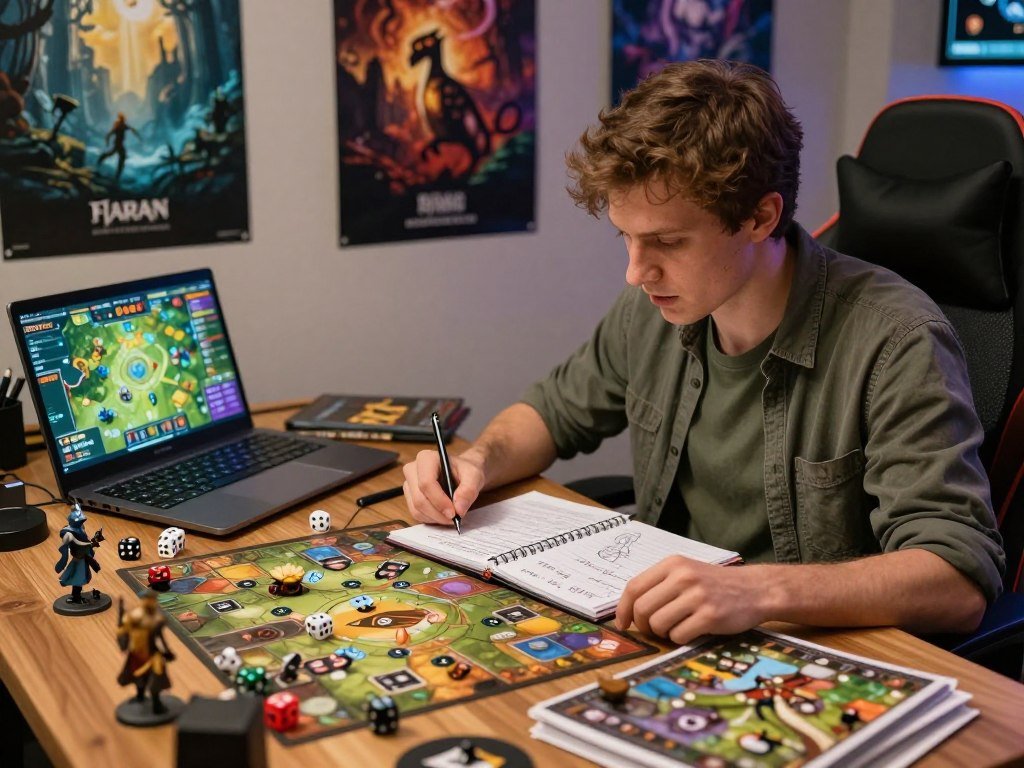
A beginner-friendly tabletop RPG is one your group can learn and schedule comfortably, not simply the one with the biggest name. Tabletop role-playing game, often shortened to TTRPG, means a game played through conversation, rules, and shared imagination.
Match the rules, setting, and session length to the people at your table. A core rulebook for a major tabletop RPG typically costs $30-$60, so the group should agree on a game before buying books.
Familiar fantasy rules and flexible campaigns
Dungeons & Dragons 5th Edition and Pathfinder Second Edition are familiar fantasy starting points. Dungeons & Dragons sessions typically run 3-5 hours, while Pathfinder sessions typically run 3-6 hours. Both suit groups ready to spend a full evening playing.
These systems give a game master room to run an ongoing campaign, but the rules take time to learn. A new group can ask whether everyone wants a long fantasy campaign before picking a rulebook. That simple talk can prevent a mismatch between the game and the group’s schedule.
Shorter sessions and lighter rulebooks
Narrative and indie RPG sessions typically last 2-3 hours, and many rulebooks are under 40 pages. OSR RPG sessions typically last 2-4 hours. These options can suit friends who want a shorter game or prefer less rules reading.
Shorter does not mean less serious role-play. Narrative games can center conversations and hard choices, while OSR games often ask players to solve problems with care. If your group enjoys character chat outside games, these role-play chat tools offer another way to explore made-up characters.
Setting-led games for established fans
A known setting can help a group picture the world, though learning its rules may take work. Star Trek Adventures uses a detailed setting and complex rules. Alien RPG offers both cinematic and campaign modes, letting groups choose a shorter arc or ongoing play.
Other setting-heavy options include the West End Games Star Wars RPG, GURPS, Dungeon Crawl Classics, Forbidden Lands, Vampire: The Masquerade 5th Edition, and the Song of Ice and Fire RPG. GURPS was published in 1986 and is now in its fourth edition. Its fourth-edition books work with earlier material.
Before settling on a game, use these four checks:
- Agree on how long each session should last.
- Ask how much rule reading the group wants to do.
- Choose a setting everyone knows or wants to learn.
- Confirm the game master feels comfortable teaching the rules.
Choose a shorter-session game if your group has only a couple of hours to play at a time.
What Makes a Game Feel Like an RPG?
A game feels like an RPG when character development and role-play choices matter to how you experience its world. There is no single recipe: games use different mixes of story, abilities, relationships, and player decisions.
Look for character growth and choices that change how you play. A game’s label can help, but its systems show what kind of role-play it supports.
Choices that shape the character and story
RPGs commonly develop a player-controlled character through abilities, relationships, or decisions. Baldur’s Gate 3 received a 5.0 PCMag rating in 2026, with player-choice flexibility as a defining strength. Fallout puts more weight on character-building, while Planescape: Torment makes dialogue-led role-play central.
Those examples do not use the same mix. One may give you many ways to answer a problem, while another focuses on how your character grows or speaks. For more on how decisions shape scenes and relationships, read about games with branching stories.
Systems that change how you solve problems
Mechanics can make role-play matter beyond dialogue. A character’s skills might help with a challenge, while another game may let you build a team or choose how to approach a fight. The important point is that your character’s tools affect what you can do.
Use these four signs as a guide when judging a game:
- Character growth through abilities, traits, or relationships.
- Consequential decisions that can alter later events.
- Role-play options that let you express a character’s values.
- Systems that support more than one way to solve a problem.
A shooter, sandbox, or adventure game can share some of these features without fitting the usual RPG label. For a contrast with a first-person shooter, see this guide to FPS game styles. Use the four signs as a guide, not a rigid test, because RPGs can emphasize some more than others.
How Should You Choose Between Story, Combat, and Exploration?
Start with the part of an RPG you most want to spend time on, whether that is story, combat, or exploring a world. Your preferred gameplay is a better starting point than a list of scores.
Choose Baldur’s Gate 3 for flexible story choices, Elden Ring or Nioh 3 for action, and Skyrim or Genshin Impact for fantasy exploration. Each style makes different demands on your time and attention.
Use this short decision list to build a first shortlist:
- Choose Baldur’s Gate 3 for flexible choices and a story shaped by your decisions.
- Choose Elden Ring or Nioh 3 for action and challenge.
- Choose Skyrim or Genshin Impact for exploration in a fantasy world.
Nioh 3 joined PCMag’s recommended PC RPGs in its July 8, 2026 update. Baldur’s Gate 3 received a 5.0 rating in 2026, Black Myth: Wukong received a 4.0 rating, and Clair Obscur: Expedition 33 received a 3.5 rating.
A rating is one evaluation, not a promise that a game fits your taste.
A high score can point you toward a game’s strengths, but your own preferences still matter. You may enjoy a story that moves slowly or combat that asks for repeated practice. A friend’s favorite can still feel wrong if its main activity is not the one you want.
Think about the moments you want most: talking through a hard choice, learning a tough fight, or wandering into a new place. If you are choosing an open-world PC adventure, compare open-world PC games by setting. Pick one title from your preferred style and try its opening before committing to a long adventure.
Conclusion
The best pick is the one whose style makes you want to return to its characters and world. Your fit depends on the mix of story, combat, setting, and the platform you can use.
Start with one game that suits the way you like to play. A strong opening can show whether its pace and choices hold your interest before you invest in a long campaign.
Choose one game from the section that matches your play style, then check its platform and system requirements before you start.
FAQ
What are some good RPG games for PC?
Baldur’s Gate 3, The Witcher 3: Wild Hunt, and Disco Elysium are strong PC RPG choices. Baldur’s Gate 3 gives you broad freedom to shape choices and scenes. The Witcher 3: Wild Hunt suits players who want an open-world story. Disco Elysium puts dialogue and investigation at the center, with skills that affect conversations and your approach to a case.
What does TTRPG stand for?
TTRPG stands for tabletop role-playing game, a game played through conversation, shared rules, and imagination. Players describe what their characters do, while a game master explains the world and guides the rules. Dice or other tools may help settle uncertain actions. Unlike a video game, the group creates scenes together instead of watching them unfold on a screen.
What game never gets boring?
No game is guaranteed to stay fun for every player, but different kinds of replay appeal can help. Baldur’s Gate 3 offers choices that can change how scenes and relationships unfold. Skyrim gives you room to explore and follow different paths. Your interest can also depend on whether you enjoy repeating combat, trying new builds, or discovering side stories.
What makes a game an RPG?
Character development and role-play choices are common signs of an RPG, though every game does not need the same features. A player may shape abilities, relationships, or a character’s response to events. Some games make dialogue central, while others focus on building a hero or solving problems through different systems. The label covers many styles.
What is the world’s #1 RPG game?
There is no single number-one RPG across every ranking or measure. Fallout: A Post Nuclear Role Playing Game placed first in the RPG Codex’s 2024 vote of the top 101 PC RPGs. Baldur’s Gate 3 received a 5.0 PCMag rating in 2026. Those results reflect different kinds of evaluation, so your favorite may be a different game.
Is GTA technically an RPG?
Grand Theft Auto games include some character progression and open-world role-play elements, but they are generally classified as action-adventure games. You can explore a city and shape parts of a character’s experience, yet RPG systems are not usually the main focus. The genre label depends on which features define the core play, not just one shared element.
Is Minecraft technically an RPG?
Minecraft has progression and character-building elements, but it is generally classified as a sandbox game rather than a traditional RPG. Players can gather resources, craft gear, and explore a world they can shape. Those systems may feel RPG-like, especially in some play styles, but open-ended building and survival define the game more strongly.