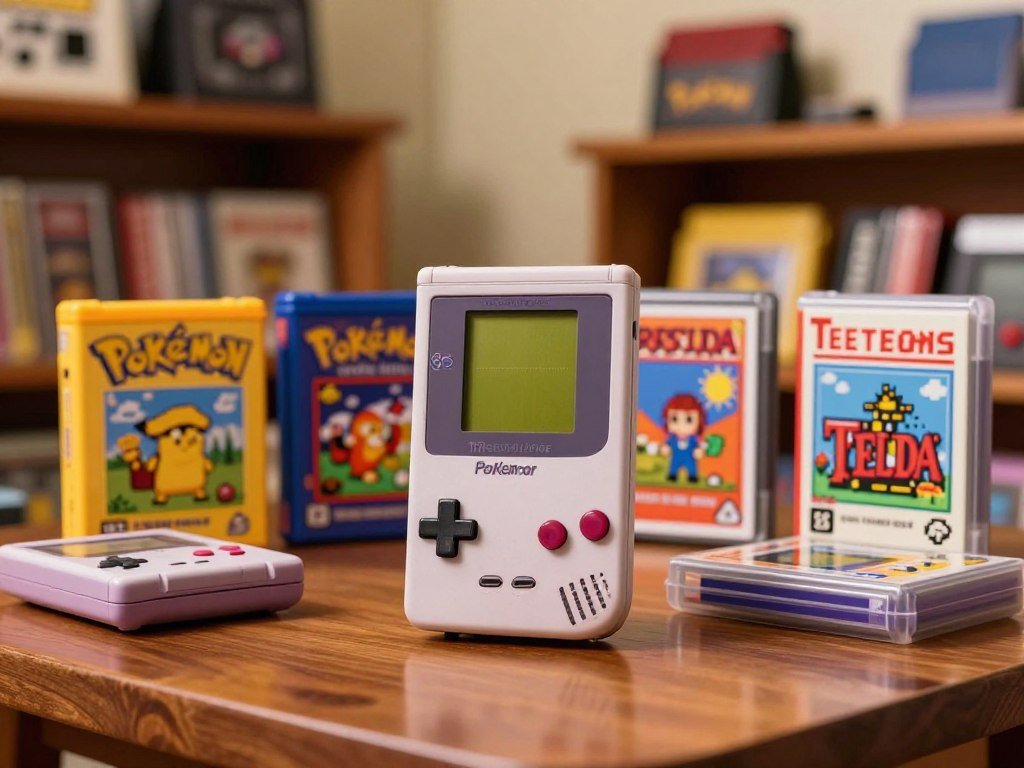
The Game Boy Color made handheld play brighter without leaving the original Game Boy library behind. Released in North America on November 18, 1998, it used a reflective 160 × 144-pixel screen. Backward compatibility means a newer console can play games made for an older compatible console.
Inside, a Sharp SM83 processor ran at 4.2 MHz, or 8.4 MHz in dual-speed mode. The console had 32 KB of RAM and 16 KB of video RAM. The Game Boy and Game Boy Color sold 118.69 million units worldwide together.
This selection of 15 classics is a starting point, not a definitive ranking. It spans role-playing, puzzles, sports and action, with choices for solo play or time with friends. If you enjoy exploring Nintendo games across generations, these Nintendo 64 classics offer another set of play styles to consider.
Its mix of color, portability and backward compatibility makes the library an easy place to start exploring retro gaming.
Key Takeaways
- Start with Pokémon Gold and Silver for a full role-playing adventure.
- Try an Oracle game for a distinct Zelda quest.
- Choose Kirby Tilt ’n’ Tumble for motion-based puzzles.
- Pick Pokémon Pinball for quick arcade sessions.
- Mario Tennis offers solo progress and tennis matches.
- Several games support link play with another person.
Which Gameboy Color Games Make the Best First Picks?
For a first return to the handheld, Pokémon Gold and Silver offer the clearest mix of a new region and generation-defining mechanics. Start here if you want a substantial RPG, or choose Pokémon Crystal for a color-exclusive take on the same generation.
Gold and Silver are high-priority RPG picks, not a ranked score on a gameboy color games tier-list. A Top 100 Game Boy Color games ranking would cover far more titles than this selective list, while this shortlist keeps its focus on 15 strong choices.
Pick Gold or Silver for the broader Johto adventure, and pick Crystal when a Game Boy Color-exclusive version matters more.

Pokémon Gold and Silver Build on the Johto Adventure
Released in 1999, Pokémon Gold and Silver introduced the Johto region and 100 new Pokémon. The games shipped 23 million units worldwide, and their real-time clock made the world feel tied to your day.
Held items such as berries added new choices to battles. Roaming legendary Pokémon also made each meeting matter: their health stayed depleted after they fled, so later encounters could continue the fight.
Pokémon Crystal Refines the Same Generation
Crystal shipped 6.39 million units worldwide and became the best-selling Game Boy Color-exclusive game. It gives you another way to play the Johto generation without replacing Gold and Silver’s role as the starting pair.
Retro Game Boy Color games with a strong reason to revisit include these RPGs. Pokémon Puzzle Challenge offers a separate, puzzle-focused alternative, while Metal Gear Solid is a stealth-action title outside these 15 selections.
Keep Crystal in mind when the priority is a color-exclusive entry from the same Johto generation.
Why Play The Legend of Zelda: Oracle of Ages and Seasons Together?
The Oracle games work best as a pair because each gives Link a distinct adventure and both complete the larger story. Playing both reveals the full storyline and outcome, while either game still offers its own satisfying trip.
Ages leans toward puzzles, and Seasons leans toward action. Their characters, items and weapons differ, so the second game brings fresh details instead of repeating the first adventure.

| Option | Setting | Main emphasis | Story payoff |
|---|---|---|---|
| Oracle of Ages | Labrynna | Puzzles | Distinct adventure |
| Oracle of Seasons | Holodrum | Action | Distinct adventure |
| Completing both | Both lands | Paired play | Full storyline and outcome |
Released in 2001, The Legend of Zelda: Oracle of Ages and The Legend of Zelda: Oracle of Seasons are often best considered together. They rank among the strongest paired choices for a Game Boy Color games tier list, without needing made-up scores.
A Top 50 Game Boy Color games list could hold many more picks, so this pair is one recommendation within a selective set. If you enjoy Zelda on a later system, these memorable GameCube games include other adventures from the series.
Choose Ages for more puzzle-solving or Seasons for more action, then finish the other to see the full outcome.
What Makes Kirby Tilt ’n’ Tumble Worth a Try?
Kirby Tilt ’n’ Tumble asks players to move the console itself, not just press buttons, to guide Kirby through a level. Tilting the handheld makes this puzzle-focused game feel unlike a standard button-led platformer.
A built-in accelerometer in the cartridge tracks the handheld’s tilt and steers Kirby. The control idea feels unusual even now, especially if you are used to moving a character with a directional pad.
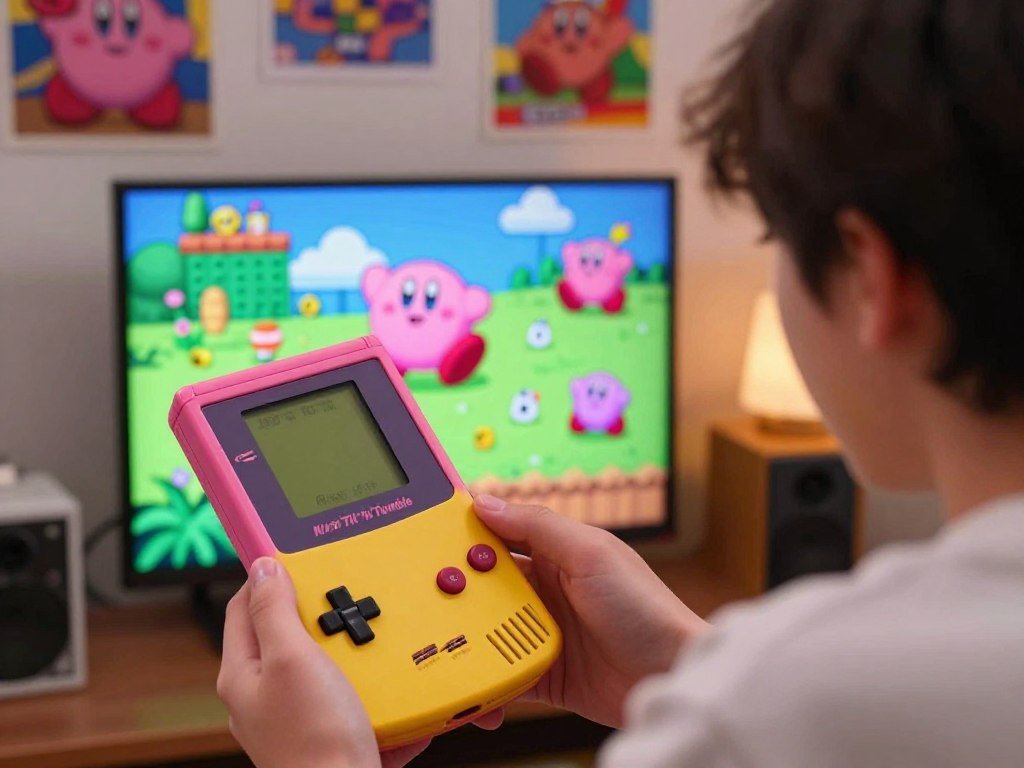
Tilt the Handheld to Steer Kirby
Released in 2000, the game turns the Game Boy Color into part of the controller. Tip it to guide Kirby across a course, rather than relying on the usual left and right buttons.
The motion has a family resemblance to later control ideas, including Nintendo Switch Joy-Con controls. That is a comparison of play styles, not a claim that Kirby’s game caused later designs.
Use the Timer and Checkpoints to Keep Moving
Each level has a countdown that puts pressure on your route. Clocks add more time, so finding them can give you room to correct a poor turn.
Checkpoints help you keep moving after a mistake. They make a tough course less punishing, while still asking you to watch your pace and handle each turn with care.
Among color games, this is a rare pick built around motion instead of familiar button play. Pick it when the novelty of steering by tilt matters as much as solving the course.
Does Link’s Awakening DX Still Stand Out?
Link’s Awakening DX is the color-enhanced way to revisit Link’s unusual Koholint Island adventure on a handheld. Its added color and secret Colour Dungeon give the original Game Boy game concrete reasons to try this edition.
DX adds a secret dungeon while keeping the original adventure’s familiar top-down exploration. It is not a new Game Boy Color story, but a new way to experience Link’s existing quest.
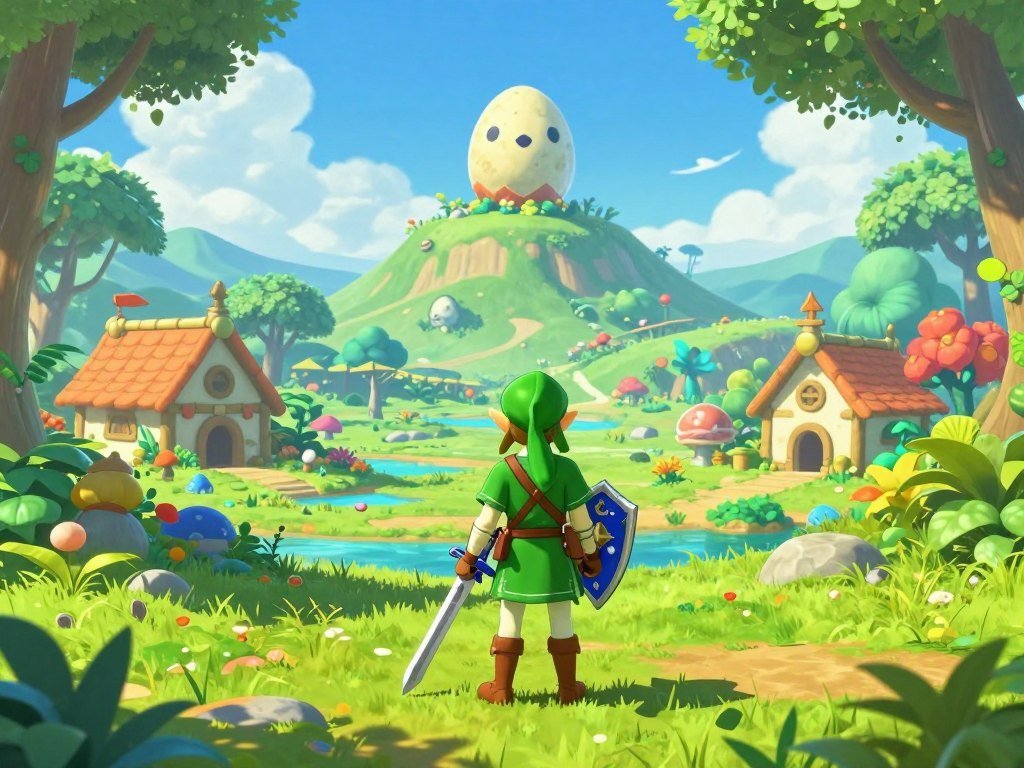
Link washes ashore on Koholint Island and searches for eight magical instruments. He needs them to awaken the Wind Fish, and the journey leads through a world with its own odd charm.
The color treatment helps the island’s areas stand apart on the screen. The Colour Dungeon adds a hidden place to explore, making the DX version more than a simple change in display.
If you like handheld video games built around exploration, this entry offers a more traditional pace than a motion-controlled puzzle. The familiar overhead view also makes it easy to read the space around Link and plan where to go next.
The Game Boy Color games that grew from earlier releases can still feel distinctive when an edition adds new content. DX keeps the main quest intact and gives returning players one extra dungeon to find.
Choose DX when the draw is classic top-down exploration with a bonus dungeon to uncover.
What Does Super Mario Bros. Deluxe Add?
Super Mario Bros. Deluxe pairs familiar side-scrolling play with modes that give repeat runs a new purpose. It offers more than a visual update, with a challenge mode, simultaneous multiplayer and newly designed levels.
The package gives you several ways to revisit the classic stages and test new goals. Released in 1999, Deluxe keeps the well-known Mario formula while adding reasons to return after finishing a familiar run.
| Mode | What the player does | Distinct addition |
|---|---|---|
| Classic-style stages | Play familiar side-scrolling levels | Classic Mario action |
| Challenge mode | Take on new goals | Fresh reasons to replay |
| Simultaneous multiplayer | Play alongside another person | Shared session |
The newly designed levels also make the familiar format less predictable. You can use them to break up classic stages, or save them for a fresh run after the old routes feel easy.
If you enjoy platform games from other Nintendo systems, this Nintendo Switch 2 game guide covers a much newer set of play choices. Here, the draw is a compact handheld game that adds new goals to a familiar base.
The extra modes give the game a clear place in a list of enduring color games. Choose it when a familiar platforming game needs extra challenges or a shared session.
How Does Pokémon Trading Card Game Turn Collecting Into an RPG?
Pokémon Trading Card Game turns collecting into a campaign by sending players through a sequence of trainer challenges. Building a deck matters because the cards you collect shape how you handle each match.
The campaign sends you through eight Club Masters, then four Grand Masters. That clear ladder gives the card game a goal beyond collecting a favorite card or winning one match.
Released in 1998, the video game recreates card collecting and battles on the handheld. You do not need a physical card collection to play; the game provides its own way to gather cards and build a deck.
Wins help you grow your collection, and a changing deck lets you try new plans against later trainers. The structure suits players who like gradual progress and want each match to help shape the next one.
- Choose a deck.
- Challenge a Club Master.
- Collect cards after a win.
- Link up to trade or battle.
The link features add a social option for players with another person nearby. A trade can change what cards you have, while a linked match gives you a different opponent from the campaign’s set trainers.
Among Pokémon trading card games, this one turns a tabletop idea into a solo campaign with optional link play. Try the link features with another player when trading or battling is part of the appeal.
Why Try Dragon Warrior Monsters After Pokémon?
Dragon Warrior Monsters is a good next step for Pokémon fans who want their recruited creatures to do the fighting. Terry depends on monsters he befriends or recruits, rather than taking part in battles himself.
Monster breeding gives team-building a key role in making progress. The 1998 game works on the original Game Boy as well as Game Boy Color, so you can consider it beyond color-only releases.
The story follows Terry and Milly as children. Terry’s quest to save his sister gives the adventure a clear purpose, while recruiting creatures fills his team with the fighters he needs.
Breeding lets you develop stronger monsters over time. It gives you a reason to shape a team with care instead of relying on the first creatures you find.
- Recruit a monster.
- Breed a stronger team.
- Take the team into a dungeon battle.
This Dragon Warrior RPG suits players who enjoy planning a roster and seeing it change. Dungeon battles put the team to work, and a strong mix of monsters can make each new challenge feel different.
The game also works on the original monochrome handheld, a useful detail if your collection includes both systems. Choose it for monster-team building, especially if original Game Boy compatibility is useful.
What Keeps Pokémon Pinball Easy to Replay?
Pokémon Pinball makes each run a compact challenge: keep the ball in play while working toward Pokémon captures. Quick rounds make it a handy break from a longer adventure.
The red and blue tables turn captures and evolutions into goals within a pinball run. The game favors immediate play and score-chasing, not a story-driven RPG campaign.
Released in 1999, Pokémon Pinball gives each table its own setting for a fast session. Hits help you capture or evolve Pokémon, so aiming for those goals gives each return trip a clear focus.
The table action suits small pockets of time. You can start a run without needing to remember a plot, build a team or track a long list of tasks.
That direct loop is the point: send the ball back into play, watch your score, then try to improve your next run. A missed shot matters, but it also gives you another chance to keep the game going.
Players who enjoy arcade-style games may find the capture goals a fun twist on ordinary pinball. It keeps the Pokémon theme in the action without asking you to follow a long campaign.
Pick it for quick sessions when a long campaign is not what you want.
How Does Donkey Kong Country Fit on a Color Handheld?
Donkey Kong Country brings a longer side-scrolling adventure to the handheld, with a new level among its GBC additions. The familiar duo of Donkey and Diddy Kong gives the game a clear focus.
Its Game Boy Color version adds Necky Nutmare, hidden areas and extra gameplay modes. Those additions give returning players new material beyond the portable version’s main platforming route.
Donkey and Diddy set out to recover the banana hoard stolen by King K. Rool. Their partnership anchors a side-scrolling trip through varied stages, with the two Kongs working toward the same goal.
The GBC release includes several changes for players who already know the original. These additions add new places to look and new ways to spend time with the handheld version.
- Necky Nutmare
- Hidden areas
- Additional gameplay modes
The extra content fits a port that keeps the main adventure in view while adding its own touches. You can return for a new level or look more closely for hidden parts of the world.
For players who like longer video games but want a portable option, Donkey Kong Country gives its platforming a steady sense of forward movement. Choose the handheld version when a familiar platform adventure plus its added level is the draw.
Why Is Wario Land 3 a Strong Platforming Pick?
Wario Land 3 makes enemy encounters part of the puzzle by turning their attacks into tools for progress. That twist makes it a strong platforming pick if ordinary running and jumping feels too familiar.
An enemy attack can give Wario an ability that helps him reach new areas. The game asks you to notice what happens when Wario gets hit, then use the result instead of treating every attack as a setback.
Released in 2000, Wario Land 3 takes place inside a magical music box. Wario searches for treasure and a way out, giving his exploration a goal beyond clearing a path through each stage.
His unusual abilities can change how a stage works. An enemy may seem like an obstacle at first, but its attack can open a way forward that Wario could not use before.
- Observe an enemy’s attack.
- Use the resulting ability.
- Revisit a stage to explore a newly reachable area.
This structure gives each trip back to a stage a purpose. A place that once seemed closed off may hold a route you can now reach, so looking again can pay off.
For retro video games, Wario Land 3 stands out by asking you to learn from trouble instead of avoiding every enemy. Pick it when platforming that rewards experimentation sounds better than relying on jumps alone.
What Makes Shantae Different From Other Action Adventures?
Shantae’s dances change what she can do, making transformation part of both exploration and progression. New forms let her approach places and tasks in different ways.
The day-night cycle also changes the challenge, with enemies becoming harder at night. That shift gives the world a different feel as play moves between day and dark.
Released in 2002, Shantae features Risky Boots as its antagonist. Shantae learns dances that transform her into creatures, giving her new ways to explore the world and complete tasks.
Those forms make progression part of the action. Learning a dance can change what Shantae can reach, so the right ability may matter as much as moving through a stage.
The day-night cycle makes timing worth noticing. A route that feels manageable in daylight can become more demanding after dark, when enemies grow tougher.
That change keeps the world from feeling fixed in one mode. You can focus on exploration, then face a sharper test when night raises the pressure.
Choose it when learning new abilities and managing a changing day-night challenge sound appealing.
Is Mario Tennis a Good Single-Player Pick?
Mario Tennis is a strong single-player choice because its academy mode gives matches a longer progression goal. Solo play works well here, even though tennis games often bring friends to mind.
The academy takes you from rookie toward champion through an RPG-style path. The shooting gallery offers a brief change of pace, with Donkey Kong firing tennis balls at bananas.
Choose the academy for a longer solo goal, or try the shooting gallery when you want a quick break from match play.
| Mode | Activity | Player aim | Progression |
|---|---|---|---|
| Tennis matches | Play tennis | Win a match | Match results |
| RPG academy | Train and compete | Move toward champion | Rookie to champion |
| Shooting gallery | Hit bananas with tennis balls | Target bananas | Mini-game activity |
Released in 2000, Mario Tennis mixes sports play with a reason to keep improving. The academy gives solo players a longer path, while regular matches let you focus on tennis itself.
Mario Golf is another Game Boy Color sports-RPG option outside these 15 selections. For other classic Nintendo games, the Nintendo 64 selection gives you more choices across different kinds of play.
Choose the academy when solo progression matters, or the shooting gallery for a brief change of pace.
Conclusion
The best first pick is the one whose core activity sounds fun before the cartridge is even in the console. Choose by play style: try a role-playing adventure, puzzle game or sports match based on what you want to do.
Think about whether you want a solo campaign or a game to share with a friend. That choice can narrow the field before you spend time deciding between similar titles.
Start with one accessible pick from the list and set aside a short session to try it. Pick one title that fits your mood, then give it a session before deciding what to play next.
FAQ
Can the Game Boy Color play original Game Boy games?
Yes, the Game Boy Color can play games developed for the original Game Boy. That ability is called backward compatibility, meaning a newer console plays games made for an older compatible system. It gives the color handheld access to an earlier library as well as games made for its own hardware. Check the cartridge label to see which system a game supports.
What makes Pokémon Crystal different from Gold and Silver?
Pokémon Crystal is a Game Boy Color-exclusive game, while Gold and Silver introduced the Johto region and 100 new Pokémon. Crystal belongs to the same generation, so it offers another way to experience that world. Gold and Silver shipped as a pair of games, while Crystal is a separate release. All three remain role-playing adventures built around catching and training Pokémon.
Do you have to play Oracle of Ages before Oracle of Seasons?
No, either Oracle game can be played first because each gives Link a distinct adventure. The two games have different settings, characters, items and weapons, so the first one still feels complete as its own experience. Finishing both reveals the full storyline and outcome. Choose the puzzle-focused Ages or the more action-based Seasons, then play the other afterward.
Does Kirby Tilt ’n’ Tumble use motion controls?
Yes, Kirby Tilt ’n’ Tumble uses motion controls through an accelerometer built into its cartridge. Tilting the handheld steers Kirby, replacing the usual directional-pad control for movement. The levels also use a countdown, clocks that add time and checkpoints. Together, those features make steering and route planning the main parts of each course.
Can two players use Pokémon Trading Card Game together?
Yes, two players can link up to trade cards or battle in Pokémon Trading Card Game. Trading can change the cards each player has available, while a battle lets them test their decks against one another. The link option is separate from the single-player campaign, which sends you through Club Masters and Grand Masters. You do not need physical cards to play the video game.
Is Mario Tennis worth playing without a friend?
Yes, Mario Tennis is worth playing solo because its academy mode offers progress from rookie toward champion. The mode gives matches a longer goal, rather than making every session depend on a second player. You can also try the shooting gallery, where Donkey Kong fires tennis balls at bananas. Regular tennis matches remain another way to play on your own.