What happens to a website the Monday after an AI tool builds it over a weekend? The site looks sharp, the code runs, and then someone asks who renews the SSL certificate, who fixes the broken form, and who updates the pricing page when the offer changes. That Monday question is where the real bill starts.
AI has made the first build fast and cheap. The cost that matters in 2027 is the one that arrives after launch, and it grows with every page, language and integration added. Below are actual figures from published pricing research, what pushes those numbers up or down, and the traps that catch teams who budget only for the build.
What AI-generated website maintenance actually costs in 2027
The honest answer is a range, not a number. A small brochure site that rarely changes can run on a few hundred dollars a year in tools and hosting. A multi-locale business site with integrations and compliance needs can cost five figures annually. The gap comes from scope, not from whether AI was used.
Here are the concrete reference points published in 2026 research, each with the date it applies to:
| Cost item | Figure | What it covers | Source date |
|---|---|---|---|
| Structured website maintenance (Europe) | €500 to €5,000 per month | Patching dependencies, keeping Core Web Vitals green | November 2026 |
| AI-augmented B2B landing page | from €1,500 | 5 to 10 business days, conversion-focused | November 2026 |
| Custom corporate website | from €4,500 | 2 to 4 weeks of build | November 2026 |
| Five-locale multilingual site | €8,000 to €15,000 | Build across five languages | November 2026 |
| Custom B2B web portal | from €9,000 | 6 to 8 weeks | November 2026 |
| AI-guided microsite path | from $5,000 | Defined-scope smaller build | October 2026 |
| Framer Basic / Pro (annual billing) | $10 / $30 per month | Site builder subscription, plus extra charges for some features | October 2026 |
| Singapore SME WordPress, 5-year running cost | S$4,100 to S$12,000 | Hosting, licences, maintenance | September 2026 |
| Custom-coded site, 5-year running cost | S$1,100 to S$3,050 | Hosting and minimal upkeep | September 2026 |
Read the table as a set of anchors, not a menu. The €500 to €5,000 monthly maintenance band is wide because it covers everything from a lightly patched brochure site to a portal with dependencies that need constant attention. The five-year Singapore comparison is the most useful single line: a custom-coded site ran roughly a quarter to a third of the running cost of a WordPress site, but the WordPress spend buys self-service editing and an ecommerce engine. A site that changes weekly claws that gap back fast.
Why the build price is no longer the story
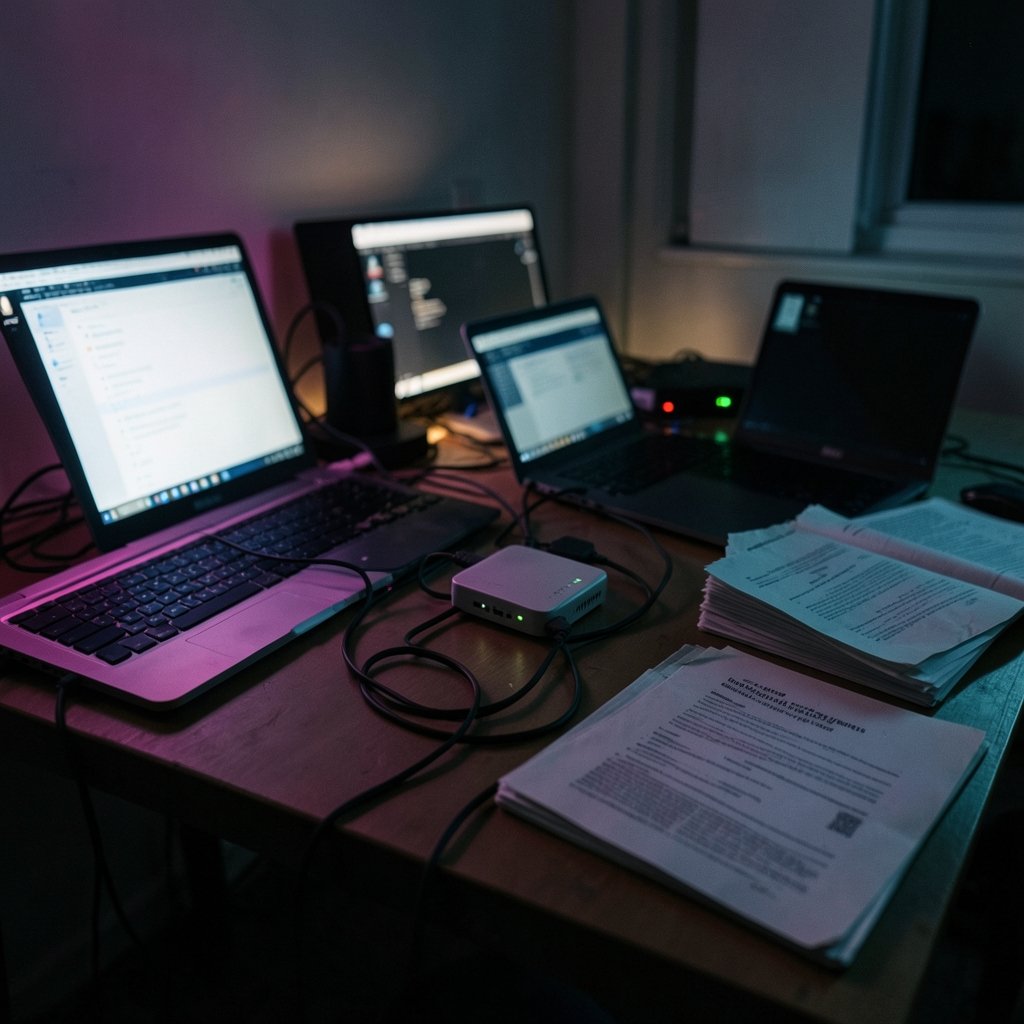
Generating a site is one expense. Running it is a set of ongoing ones that someone in the organisation owns from day one. That framing comes straight from enterprise analysis of AI-built sites, and it matches what small businesses discover: AI compressed the cost of the first draft, but the work that makes a site earn its keep — conversion, content, security, updates — did not disappear. It moved.
A product marketing lead can spin up a campaign microsite in a weekend. Six months later there are nine of these sites, each with its own hosting, its own certificate renewal, its own accessibility review and its own update routine. Nobody coordinated the sprawl, and the bill lands on the client side. One analysis of the vibe-coding boom calls this content debt: sites that were cheap to build and are expensive to own because their content management is non-standard.
The same pattern shows up in agency economics. AI speeds up routine markup, repetitive cards, translation drafts and bug hunting, and those gains are real and measured in hours. It barely touches the expensive part: decisions and sign-off. That is why website prices have not fallen much. A fully generated site stays cheap right up until the first change request.
The five cost buckets nobody puts in the first quote
When teams budget for an AI-generated site, they usually price the build and the subscription. The recurring costs hide in five places.
1. Hosting, certificates and renewals
Every generated site needs a home. Hosting, SSL renewal and domain management are small line items individually and a genuine headache in aggregate once nine microsites exist. The fix is boring: one hosting account, one renewal calendar, one owner. If a tool generates the site, decide before launch where it lives and who pays the bill.
2. Editing and content operations
This is the biggest hidden cost. A repeatable template simplifies construction, but someone still has to prepare, adapt and review its content. Twelve versions built from three templates need a different organisation than twelve individually designed pages with separate behaviours. Teams that skip this step end up paying a developer to change a headline because nobody else can.
3. Patching and performance
Dependencies need patching and Core Web Vitals need watching year-round. Pairing automated checks with structured maintenance keeps a site healthy, which is exactly what the €500 to €5,000 monthly band buys. Skip it and the cost returns later as an emergency rebuild.
4. AI visibility checks
In 2027 a new line item appears: checking what AI assistants say about the business and fixing what those answers rely on. Budget it in three lines — the hours to run manual checks, any tool that automates them, and the website and listing work itself. Time one manual round first. The value of your own hours decides whether a paid tool is worth it.
5. Compliance and accessibility review
Who reviews the site for accessibility? In enterprise settings this question surfaces the week after launch, not before. Retrofitting accessibility and privacy compliance onto nine uncoordinated microsites costs far more than building it into one template.
What moves the price up or down
Scope decisions, not tool choice, drive the bill. The research points to a handful of levers.
Page and language count. List pages and language versions before requesting quotes. Twelve versions based on three templates are cheaper to run than twelve bespoke pages. A five-locale site at €8,000 to €15,000 is a build figure; maintaining five locales multiplies every future edit.
Who supplies content. Add to the brief who provides copy and imagery, what the team needs to edit, and what the form should do. Proposals become comparable even when suppliers use different environments, and post-launch editing costs drop because the team can self-serve.
Change frequency. A site that changes a few times a year suits a custom-coded build with near-zero maintenance. A site that publishes weekly needs a CMS and the running costs that come with it. The verdict flips entirely once you publish or sell regularly.
Integration depth. CRM connections, forms, lazy reCAPTCHA and payment flows add build time and create dependencies that need patching. Each integration is a small permanent maintenance obligation.
Migration scope. If existing URLs and content must move, include them in the brief. Migrations are where hidden hours live.
For teams weighing tool subscriptions against build costs, the same logic applies to chatbots and Instagram automation: the monthly fee is rarely the whole number. Guides on Manychat pricing and what Instagram automation really costs and on the true cost of free AI tools walk through the same subscription-plus-labour arithmetic.
Practical ways to keep the 2027 bill down
These are the moves that work in practice, drawn from how agencies and in-house teams actually run AI-built sites.
- Write the brief before the tool. List pages, languages, integrations, who edits what and what the form must do. Vague briefs produce vague quotes and expensive surprises.
- Standardise the stack. One hosting account, one builder, one renewal calendar. Every additional platform is a subscription and an owner.
- Decide who answers when it breaks. Ask a contractor not whether they use AI but who is responsible after launch. Get that in writing.
- Budget maintenance as a monthly line, not a rainy-day fund. The €500 to €5,000 band exists because patching, performance and small fixes are continuous.
- Automate the sorting, keep the judgement. Logs, reported bugs and client feedback can be collected and sorted by AI. A person still decides what to act on and what to ignore.
- Cap the microsite sprawl. Approve a template and a retirement date for every campaign site before it launches.
If the plan includes a chatbot or a new site this cycle, the step-by-step guide to adding an AI chatbot to your website in 2027 and the breakdown of how AI website builders launch a site in one afternoon show where the ongoing costs attach. Teams assembling a low-cost stack can also borrow the framework in this guide to building a zero-cost software toolkit that actually lasts, which treats renewals and ownership as part of the design.
Three paths, three cost shapes
Small businesses face three realistic routes, and each has a distinct cost profile over one to two years.
| Path | Upfront | Ongoing | Best for |
|---|---|---|---|
| DIY AI builder | Low | Monthly subscription plus hidden time cost | Stable sites, few changes, owner who edits |
| Agency plus AI | Large one-time design fee | Paid edits at hourly or project rates | Launches that need polish and sign-off |
| Managed monthly | Folded into subscription | Build and care included | Teams that want one predictable bill |
The DIY route looks cheapest on day one and often is, provided the owner’s time is genuinely available. The agency route front-loads cost and keeps quality control. The managed route trades the big upfront payment for a predictable monthly figure that includes care. Total cost of ownership over one to two years, not the day-one number, is the honest comparison.
Conclusion
The 2027 maintenance bill for an AI-generated website is not a mystery. It is a stack of known items: hosting and renewals, editing capacity, patching and performance, AI visibility checks, and compliance review. Published figures put structured maintenance at €500 to €5,000 per month for business sites in Europe, with builds ranging from €1,500 landing pages to €15,000 multilingual sites. The build is the cheap part now. The work that keeps a site earning its keep moved rather than vanished, and it lands on whoever owns the site after launch. Decide that owner before the first prompt, write the brief before the tool, and the Monday-after question stops being a crisis.
Frequently asked questions
How much should a small business budget for AI website maintenance in 2027?
Plan on a monthly line rather than an annual surprise. Structured maintenance for business sites runs €500 to €5,000 per month depending on dependencies and performance targets. A small brochure site that changes a few times a year can sit at the bottom of that range or below it, while a site with integrations and multiple languages sits near the top.
Is an AI-generated website cheaper to run than WordPress?
It can be. A five-year comparison for Singapore SMEs put a custom-coded site at roughly S$1,100 to S$3,050 in running costs against S$4,100 to S$12,000 for WordPress. The catch is what the WordPress spend buys: self-service editing and an ecommerce engine. If the site changes weekly, the gap closes fast.
What hidden costs appear after an AI-built site launches?
Hosting and SSL renewals, editing capacity, dependency patching, performance monitoring, accessibility review and AI visibility checks. The biggest is editing: if nobody on the team can change a headline, every small update becomes a developer invoice. Sprawl is the second: nine microsites mean nine sets of renewals and reviews.
Who should own maintenance after launch?
Name one owner before the build starts. Ask any contractor not whether they use AI but who answers when the site breaks, and get the answer in writing. In larger organisations the owner is usually a marketing operations lead with a budget line, not the person who generated the site.
Do AI tools reduce maintenance costs at all?
Yes, in specific places. Logs, reported bugs and client feedback can be collected and sorted automatically, and routine fixes are faster. A person still has to decide what to act on. AI speeds up the routine work and barely touches decisions and sign-off, which is where the expensive hours sit.
How often should an AI-generated site be reviewed?
At minimum, run a manual check of what AI assistants say about the business and fix what those answers rely on, then time that round to see whether a paid tool earns its place. Pair it with a scheduled patching and performance review. Sites that publish weekly need a tighter cycle than sites that change a few times a year.