
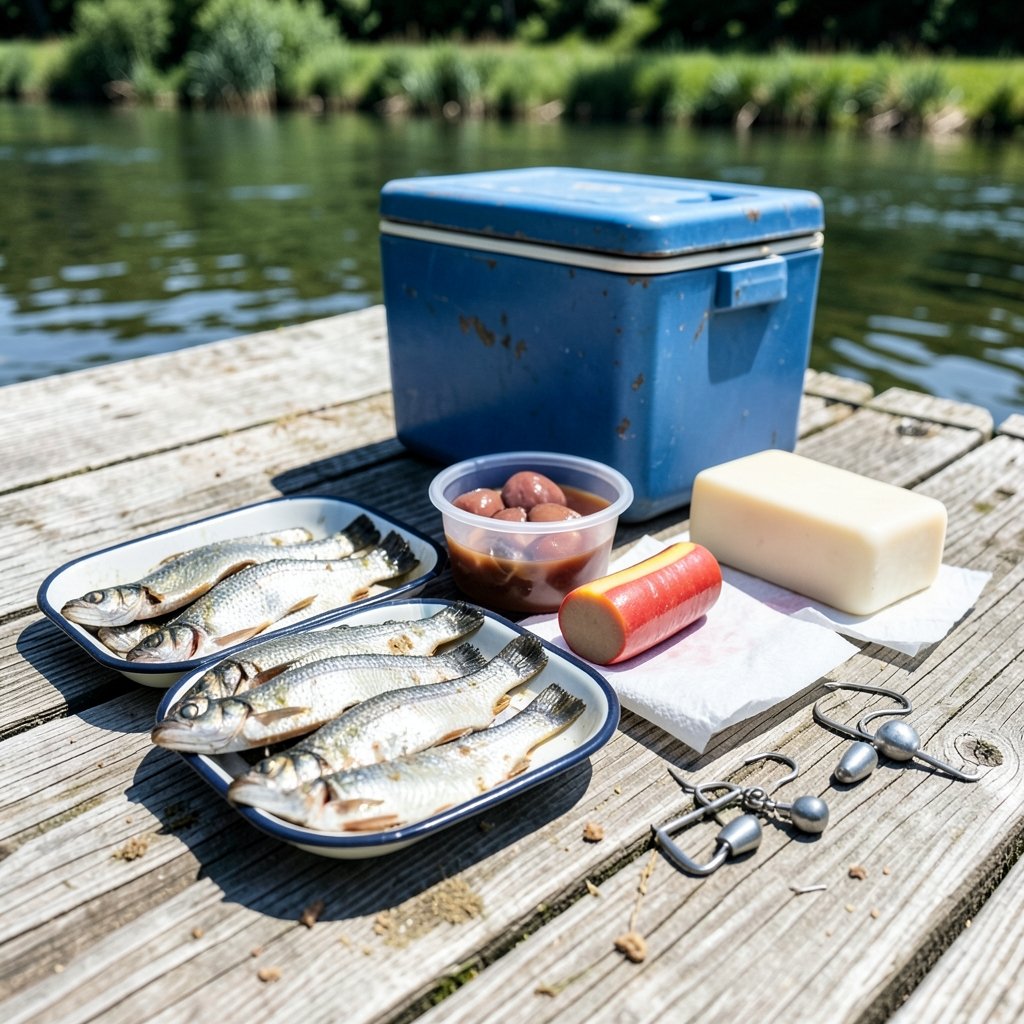
What do chicken liver, fresh shad, a bar of soap, and a hot dog have in common? Anglers have used all four as bait to catch catfish, and depending on the water, all four have worked. That is the strange truth about catfishing: there is no single magic bait. The right choice depends on the species, the season, the water clarity, and how the fish are feeding that day.
This guide sorts through the options with a practical eye. It covers the baits that consistently produce channel, blue, and flathead catfish, the mistakes that cost people bites, and the habits that separate anglers who catch fish from anglers who just go fishing.
Why Catfish Bait Is a Species Question First
The most common mistake in catfishing is treating all catfish as one fish. They are not. A bait that fills the boat with channel cats may sit untouched where flatheads live, and the reverse is just as true.
Channel catfish are the most widespread and the most willing biters. They are opportunistic feeders with a strong sense of smell, and they respond to oily, pungent baits. This is the species that made stinkbait famous.
Blue catfish grow larger and lean heavily toward fresh cut bait. Shad and skipjack herring are favorites where they are available. Blue cats can be caught on prepared baits, but serious anglers chasing big fish almost always fish cut bait.
Flathead catfish are predators. They eat live bait, and they eat it whole. Live sunfish, bullheads, and other small fish are the standard offering. Prepared baits and stinkbaits are largely a waste of time for flatheads.
That single distinction solves most bait confusion before the first cast. Ask which catfish lives in the water, then pick bait for that species.
The Best Baits for Catfish, Ranked by Situation
Rankings are always arguable, but some baits have earned their reputation across decades and across the country. Here is how the most popular options stack up.
| Bait | Best For | Strengths | Weaknesses |
|---|---|---|---|
| Fresh cut shad | Blue catfish, big channels | Oily, bloody, strong scent trail | Hard to keep fresh in heat |
| Chicken liver | Channel catfish | Cheap, widely available, strong smell | Soft; flies off the hook easily |
| Live sunfish or bullhead | Flathead catfish | Matches natural prey | Requires legal, local baitfish |
| Nightcrawlers | Channel cats, mixed bags | Easy to find, stays on hook well | Attracts smaller fish and bycatch |
| Stinkbait (prepared) | Channel catfish | Powerful scent, cheap | Messy; poor for blues and flatheads |
| Cut skipjack herring | Blue catfish | Excellent oil content | Regional availability |
| Hot dogs and soap | Channel cats in ponds | Convenient, cheap | Inconsistent; novelty reputation |
The table tells a simple story. Fresh bait wins for serious fishing. Prepared and household baits are convenient backups, not the main plan.
Fresh Cut Bait: The Consistent Winner
Cut bait made from shad, herring, or other oily fish is the closest thing to a universal catfish bait. The key word is fresh. Cut bait loses its scent and texture quickly, especially in warm water.
Practical tips that make a real difference:
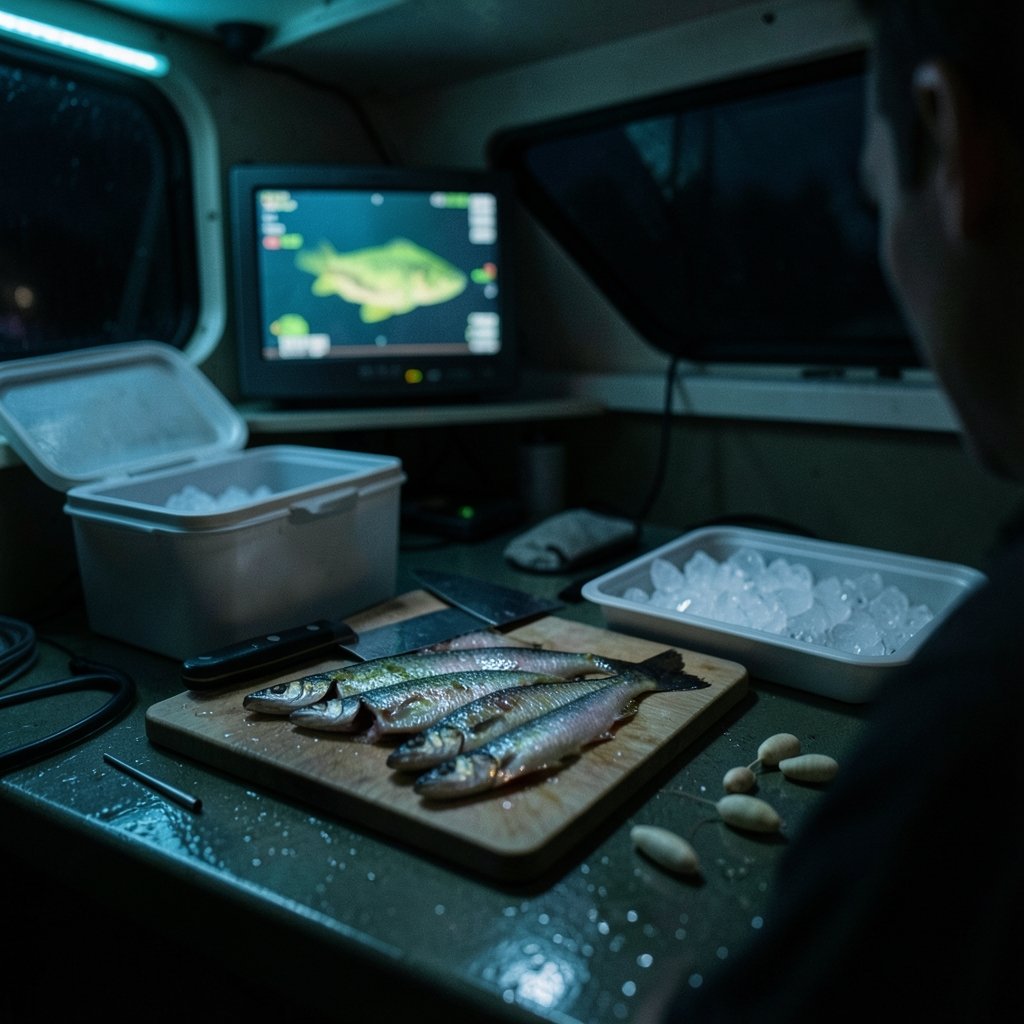
- Keep bait cold. A small cooler with ice keeps cut bait firm and slows spoilage.
- Cut with the skin on. Skin holds the bait on the hook and releases oil slowly.
- Change bait often. A bait that has gone pale and soft is not doing its job.
- Match the cut to the fish. Big chunks for big blue cats, smaller strips for channels.
Anglers who consistently catch big blue cats tend to be fanatical about bait freshness. That is not fussiness. It is the difference between a scent trail that pulls fish in and a piece of bait that just sits there.
Chicken Liver and Stinkbait: The Channel Cat Standbys
Chicken liver is the classic budget bait, and it works. It is oily, smelly, and cheap. The problem is that it tears off the hook on a hard cast. A few fixes help:
- Wrap liver in a piece of pantyhose or thread it onto a bait holder hook.
- Use a treble hook or a bait spike to keep it in place.
- Fish it close to cover rather than making long casts.
Prepared stinkbaits follow the same logic. They rely on a strong scent cloud to draw channel cats in. They work best in still or slow water where the scent stays concentrated. In fast current, the scent washes away and the bait underperforms.
Live Bait for Flatheads
Flatheads demand a different approach. These fish are ambush predators, and they want something alive and wriggling. Live sunfish, green sunfish, and small bullheads are standard. Anglers typically hook them through the back or lips and fish them near structure: logjams, rock piles, and deep holes.
One caution matters here. Moving live baitfish between waters is restricted in many places because of invasive species and fish disease concerns. Anglers should check their state fish and wildlife agency rules before catching and transporting bait. Using baitfish from the same water you are fishing is the safest habit.
How Water, Season, and Time Change the Bait Choice
Bait selection is not static. The same lake can demand different baits in April and August.
Water temperature drives feeding activity. Catfish are most active in warm water, roughly late spring through early fall. In cold water, their metabolism slows and they feed less aggressively. Winter catfishing usually means slow, subtle presentations and smaller baits fished deep.
Water clarity changes how much scent matters. In muddy water, catfish rely heavily on smell, so oily, pungent baits have an edge. In clear water, they can hunt more by sight, and live bait becomes more effective.
Current affects how scent travels. In rivers, current carries scent downstream, so fishing below a scent source makes sense. In still ponds, scent spreads slowly, and fishing near structure matters more than bait choice.
Time of day matters too. Catfish feed heavily at night and around dawn and dusk. Many experienced anglers plan trips around low light and fish fresh bait through the night.
This is where preparation meets technique. Anglers who test their gear and setups before a trip avoid the small failures that ruin a night on the water. A quick check of connection security and leak points on a boat or gear setup is the same discipline as checking knots and hooks, and a vpn leak test to catch dns, ip, and webrtc leaks is a good example of how a routine check prevents a quiet problem. Fishing rewards the same habit: verify the basics before the fish show up.
Common Bait Mistakes That Cost Bites
Most catfishing failures are not about bad luck. They are about small, fixable errors.
Using stale bait. Old cut bait that has turned gray and mushy does not release the same scent. Freshness is not optional.
Overloading the hook. A giant ball of bait can hide the hook point and prevent a solid hookset. Catfish have big mouths, but the hook still needs to find flesh.
Ignoring the scent trail. In current, bait placed without thought to how scent travels wastes its main advantage. Fish the downstream side of structure.
Fishing one spot too long without changing bait. Catfish move. If a spot has produced nothing after a reasonable soak, move or change bait.
Skipping local rules. Bait restrictions, gear limits, and protected species rules vary widely. A quick check of state regulations prevents fines and protects fisheries.
There is a broader lesson here that shows up in every technical pursuit: the obvious risk is rarely the one that gets you. Security teams learn this the hard way, which is why api security testing use cases that catch real breaches focus on the gaps people overlook rather than the threats everyone already watches. Catfishing works the same way. The angler who checks bait freshness, hook sharpness, and scent direction catches more fish than the one who only thinks about the big cast.
Rigs and Presentation: Where Bait Meets Fish
Bait only works if it is presented correctly. A few rigs cover most situations.
Carolina rig is the workhorse for catfish. A sliding sinker above a swivel, a leader, and a circle hook lets the bait sit on the bottom while a fish takes line without feeling weight. It works well with cut bait and liver.
Santee rig adds a float above the hook to lift bait slightly off the bottom. It keeps bait visible and away from snags, and it is popular for blue cats in lakes.
Three-way rig holds bait down in current. It is a river staple for cut bait.
Float rig suspends live bait for flatheads near structure. It keeps baitfish alive and in the strike zone.
Circle hooks deserve special mention. They hook fish in the corner of the mouth and rarely gut-hook, which makes release easier. Many anglers use them for cut bait and live bait alike.
Sharp Hooks and Fresh Knots
Two details decide more hooksets than bait choice. A sharp hook penetrates; a dull one slides. Check the point on a thumbnail before every cast, and replace hooks that fail. Knots deserve the same attention. A weak knot turns a good bite into a story about the one that got away.
Chumming and Scent: Stacking the Odds
Chum is underused in catfishing. A modest amount of ground bait, cut fish, or commercial chum released upstream of a fishing spot creates a scent trail that pulls fish in. In rivers, the current does the work. In lakes, chum near structure and let it settle.
The rules of chumming are simple. Use small amounts, stay legal, and do not overdo it. A heavy chum dump can fill fish up and reduce bite interest. A light, steady scent trail is more effective.
Matching Bait to the Water You Fish
Every water body has its own personality. A few patterns hold up across most of them.
Rivers reward cut bait fished in current seams below dams, wing dikes, and deep holes. Fresh shad or skipjack is the go-to. Flatheads take live bait near logjams.
Reservoirs and lakes favor cut bait around points, channel drops, and flooded timber. Blue cats suspend and roam, so moving until you find fish is normal.
Ponds and small lakes are channel cat territory. Liver, nightcrawlers, and stinkbait all produce. Simple bottom rigs near cover work fine.
Tailraces below dams concentrate fish and bait. They also concentrate anglers. Fresh cut bait and patience separate the catches.
Anglers who treat each water body as its own puzzle catch more fish than those who fish the same bait everywhere. The discipline of matching method to environment is universal. Teams building software learn the same lesson, and api security testing best practices that catch real exploits emphasize context over generic checklists for exactly that reason. A bait that ignores the water it is fished in is a checklist item, not a strategy.
Keeping Bait Fresh in the Field
Fresh bait is a logistics problem, and solving it is half the battle.
- Bring a cooler with ice or frozen water bottles.
- Keep cut bait separate from food and drinks.
- Store bait in sealed bags to control smell and mess.
- Use a bait knife and cutting board dedicated to fishing.
- In hot weather, plan to re-cut bait every couple of hours.
Small habits like these keep bait in fishable condition through a long day. They also keep the boat and the vehicle from smelling like a bait shop.
Conclusion
Bait to catch catfish is not a single product you buy. It is a decision you make based on species, water, season, and conditions. Fresh cut bait covers blue cats and big channels. Chicken liver and stinkbait remain reliable, cheap options for channel catfish. Live bait is the answer for flatheads. And presentation, freshness, and local rules matter as much as the bait itself.
The anglers who catch fish consistently are not the ones with secret bait. They are the ones who match the bait to the fish, keep it fresh, present it well, and pay attention to what the water is telling them. Start with the species in front of you, build from there, and the bites will follow.
FAQ
What is the best bait to catch catfish?
There is no single best bait, but fresh cut bait made from oily fish like shad or herring is the most consistent choice across species. For channel catfish specifically, chicken liver and prepared stinkbait are reliable and cheap. For flatheads, live bait is the clear winner. Match the bait to the species you are targeting.
Do hot dogs really work as catfish bait?
Yes, hot dogs can catch channel catfish, especially in ponds and small lakes where fish are less pressured. They are convenient and stay on the hook well. That said, they are inconsistent compared with fresh cut bait or liver. They are a good backup, not a primary strategy for serious anglers.
What bait works best for flathead catfish?
Live bait is the standard for flatheads. Small sunfish, bullheads, and similar baitfish hooked through the back or lips and fished near logjams, rock piles, and deep holes produce best. Flatheads are predators and rarely take prepared or stinky baits. Check local rules on baitfish use before you fish.
How long should I leave bait in the water?
Give a spot a reasonable soak, often 20 to 30 minutes in good water, then consider moving or changing bait. Catfish roam, and a spot that produced nothing may simply be empty at that moment. Fresh bait matters more than long waits. If the bait has gone soft and pale, replace it.
Does bait color or scent matter more for catfish?
Scent matters more in most catfishing situations, especially in muddy or moving water. Catfish have an excellent sense of smell and rely on it heavily. Color plays a bigger role in clear water where fish can see the bait. Oily, fresh bait covers both bases better than any color trick.
Can I use live baitfish from another lake?
In many places, no. Moving live baitfish between waters is restricted or banned in many states to prevent the spread of invasive species and fish diseases. The safest approach is to use baitfish caught from the same water you are fishing, and to check your state fish and wildlife agency rules before transporting any live bait.



