

What do you picture when you hear “belly loop jelly pet”? A squishy little animal with a loop on its tummy? A novelty keychain? Something a kid saw in a video and now desperately wants? The phrase reads like a mashup of toy-marketing words, and that confusion is the first useful thing to know about it: the name is a description, not a brand, a species, or a standard product category. That matters more than it sounds, because people searching for it are usually trying to answer one of three questions at once — what is it, is it safe, and is it worth buying.
Why the Name Sounds Familiar but Searches Feel Empty
The term “belly loop jelly pet” behaves like a lot of modern toy names. It strings together plain descriptive words — belly, loop, jelly, pet — that each point to a physical feature. A belly loop suggests a small hanger, ring, or clip attached to the underside or middle of the item, the kind of thing you see on keychains, backpack charms, and blind-box collectibles. Jelly points to a soft, squishy, gel-like material rather than hard plastic. Pet frames it as a creature character, the way toy lines label collectible animals.
None of those words, alone or together, belong to a regulated product class. There is no official definition, no safety standard written specifically for “belly loop jelly pets,” and no registry that lists them. That is not unusual. Most novelty toys sold online are described with improvised names that change with each listing, each seller, and each manufacturing batch. The same squishy animal might appear as a “jelly pet,” a “squishy loop charm,” or a “stress relief animal” depending on which shop uploaded it.
The practical takeaway: treat the phrase as a search description, not a specification. When a listing uses it, read the actual product details rather than trusting the name.
What a Belly Loop Jelly Pet Usually Is in Practice
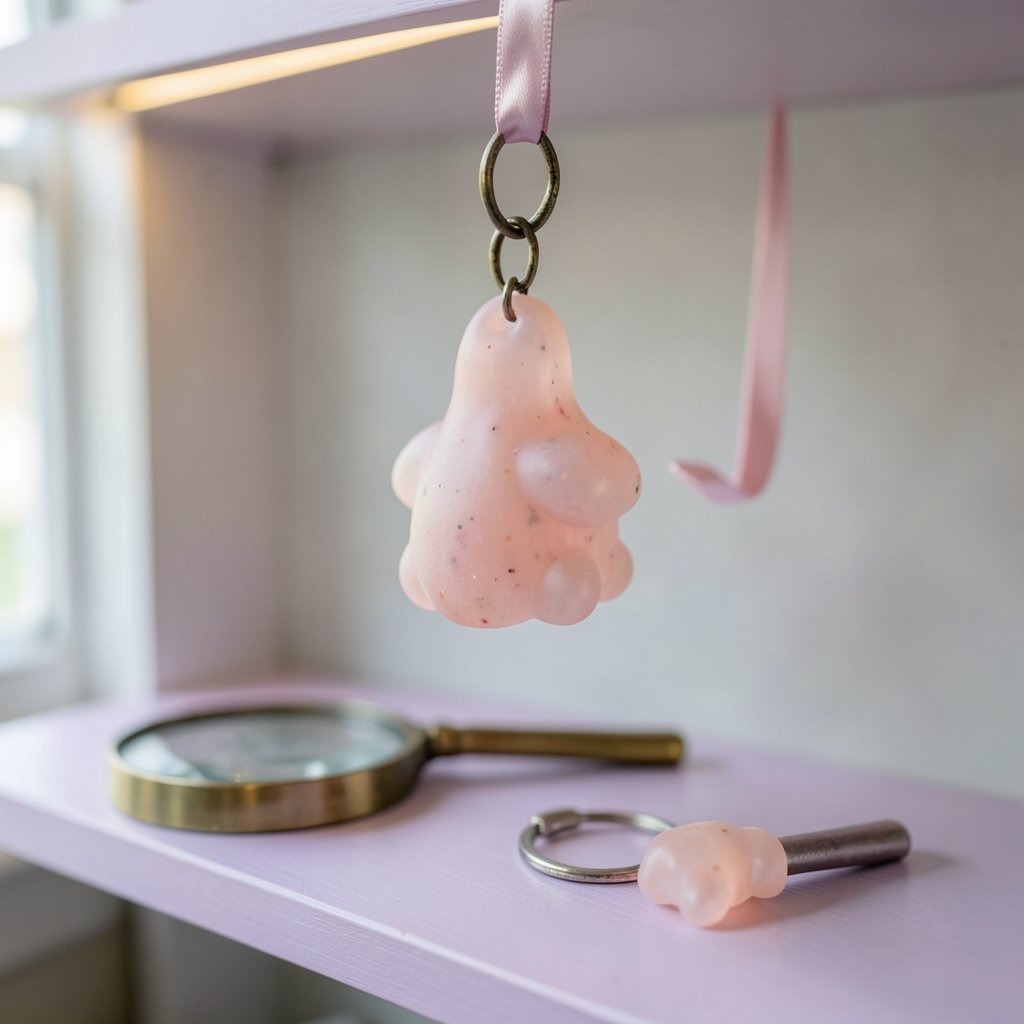
When the phrase does appear on a product page, the item behind it tends to share a handful of traits. These are common patterns in the novelty-toy market, not guarantees for any specific listing:
| Feature | What it usually means | What to check |
|---|---|---|
| Jelly body | Soft, squishy, gel-filled or silicone-like material | Material listed, age rating, smell on arrival |
| Belly loop | Small ring or clip for hanging | Whether it is molded in or glued on |
| Pet character | Animal shape, often collectible | Whether small parts detach |
| Size | Palm-sized charm or desk toy | Choking-hazard warnings for under-threes |
| Price point | Low, often sold in multipacks | Whether safety labeling is shown at all |
The loop is the detail most worth scrutinizing. On well-made items, the loop is molded as part of the body, so it cannot pull free. On cheap ones, it is glued or clipped on, and glue fails. A loop that separates becomes a small rigid piece, which is exactly the kind of object that creates choking risk for young children. If the loop is the whole reason someone wants the item — to hang it on a bag, a lanyard, or a keyring — that attachment point deserves a firm tug before it goes anywhere near a child.
The Squishy Material Question Nobody Asks About
Jelly toys feel good to squeeze, and that texture is the entire appeal. It is also where most of the real-world problems start.
Soft gel and silicone blends can contain plasticizers and fillers, and inexpensive imports are not always forthcoming about what is inside. A toy that smells strongly of chemicals when the packet opens is sending a signal. That smell usually fades, but it is worth airing the item out before handing it over, and worth washing hands after heavy handling.
Then there is the failure mode every squishy toy shares: the skin splits. A jelly pet that gets squeezed, chewed, or sat on will eventually develop a pinhole, and whatever is inside comes out. Gel filler is not food. It is not meant to be mouthed. For households with toddlers or pets that chew, a gel-filled toy is a poor match no matter how cute the animal is.
Storage matters too. Jelly materials pick up lint, dust, and pet hair with remarkable efficiency, and they degrade faster in direct sunlight or in a hot car. A quick rinse with mild soap, a full dry, and a dust-free drawer will keep one looking presentable far longer than tossing it loose into a toy bin.
Matching the Toy to the Right Household
The single most useful decision a buyer makes is not which animal to pick. It is whether a squishy, small-parts toy belongs in that home at all. A short checklist covers most of it:
- Check the age marking. Anything without a clear age recommendation is a gamble, and items marketed to adults as desk toys often carry no child-safety labeling.
- Test the loop. Pull firmly. If it shifts, stretches away from the body, or shows glue, treat it as a choking hazard.
- Smell it. A strong solvent or plastic odor is a reason to return it rather than keep it.
- Look for small detachable parts. Eyes, clips, and charms are the usual culprits.
- Decide who handles it. A teenager’s backpack charm and a two-year-old’s teething toy are not the same product, even if they look identical.
For homes with shedding pets, soft novelty items and plush collectibles collect fur fast, so a decent vacuum earns its keep. Anyone juggling pet hair and small fabric toys will find practical guidance in this comparison of vacuums for pet hair, which covers the attachment types that actually lift fibers out of soft surfaces.
Common Mistakes Buyers Make With Novelty Jelly Toys
A few errors show up again and again when people buy squishy novelty items online.
Buying from a photo alone. Listing images are frequently renders or borrowed from other sellers. Look for buyer photos and reviews that mention size, smell, and durability.
Assuming a multipack is better value. Cheap multipacks often mean thinner material and looser loops. One well-made item beats six that split in a week.
Ignoring the age gap between siblings. A toy bought for an eight-year-old will be found by a two-year-old. If the household has both, the toy needs a home out of reach, not a warning.
Expecting the name to be searchable later. Because “belly loop jelly pet” is not a standardized term, reordering the same item months later is genuinely hard. Save the listing, the seller name, and a photo of the packaging.
Forgetting the pet angle. Real animals investigate new objects with their mouths. A gel toy left on a sofa is a chew target, and a punctured gel toy is a mess plus a potential ingestion problem. Keep them stored, not scattered.
Where the “Pet” Part Gets Confusing
The word pet in the name does two jobs, and mixing them up causes real trouble. In toy marketing, “pet” means a creature character — a collectible animal, a virtual-pet style companion, a figurine. In ordinary language, “pet” means a live animal in the home.
That overlap sends some searches in odd directions. Someone looking for a squishy animal charm may land on pages about actual animal care, and someone researching a household pet may stumble into toy listings. The confusion is harmless most of the time, but it is worth being precise about which sense is meant, especially when giving advice to a child or writing a product description.
The same naming drift shows up across the broader “pet” product world. Searches that begin with a fuzzy product name often end up in unrelated territory, from veterinary imaging comparisons to home air quality. Readers who started with a toy and wandered into pet health topics sometimes find themselves reading about how a PET scan vs CT scan differs in purpose, speed, radiation, and cost — a completely different use of the same three letters, and a good reminder that short words carry very different meanings in different rooms of the internet.
How to Judge a Listing Before You Pay
Since no standard governs the name, the buyer has to do the vetting. A workable routine:
- Read the full description, not the title. Material, dimensions, and age range should be stated plainly.
- Check whether the seller shows safety labeling. Absence is not proof of danger, but presence is a good sign.
- Scan reviews for the words “smell,” “broke,” “smaller than,” and “loop.” Those four terms surface most quality problems.
- Confirm the return policy. Novelty toys are frequently non-returnable, which shifts all the risk to the buyer.
- Compare against a known category. A jelly pet is essentially a squishy charm; judging it by the standards of that category is more reliable than trusting a made-up name.
For households that keep birds, there is an extra layer worth knowing. Soft plastics and gel items that get chewed release fragments, and birds are unusually sensitive to what they mouth and inhale. Anyone keeping both novelty squishies and companion birds should read up on how an air purifier for pet birds can help or, used wrongly, actually work against them — the same principle of checking before assuming applies to both purchases.
What to Expect on Quality and Price
Realistically, a belly loop jelly pet sits in the low-cost novelty tier. That shapes expectations. At that price, buyers should expect:
- Material: soft thermoplastic or silicone blend, sometimes with a gel core
- Finish: painted details that can wear at high-touch points
- Durability: weeks to months of active handling, longer if displayed rather than squeezed
- Consistency: variation between units, even within one order
None of that makes the category bad. It makes it a novelty purchase, and novelties are fine as long as nobody expects heirloom quality or assumes a squishy item is a suitable toy for a very young child. The honest framing is that these are inexpensive, cheerful, disposable-ish objects. Buy them for the pleasure of the thing, not for longevity.
Conclusion
“Belly loop jelly pet” is a descriptive label rather than a defined product, and once that clicks, the whole topic gets simpler. The name tells you what to look for — a squishy creature with a hanging loop — and nothing more. Safety, material quality, and age suitability all have to be checked at the listing level, because no standard does that work for you. The loop is the part to test, the gel is the part to watch, and the age of the person handling it is the part that decides whether the purchase makes sense at all. Buy with those three things in mind and a cheap novelty stays a cheap novelty, instead of becoming a problem.
Frequently Asked Questions
What exactly is a belly loop jelly pet?
It is an informal product description rather than an official category. It refers to a small, soft, gel-like novelty animal figure with a loop or ring attached to its body, usually for hanging on a bag, keyring, or lanyard. Different sellers use the phrase loosely, so the specific item behind it varies.
Is a belly loop jelly pet safe for young children?
It depends on the individual item, and the buyer has to check. Small detachable loops, painted eyes, and gel filling all create risks for children under three. Look for a clear age recommendation, test whether the loop pulls free, and treat any gel-filled toy as unsuitable for a child who still mouths objects.
Why can’t I find this exact product name anywhere official?
Because it is not a registered brand or a regulated product class. Novelty toys are often listed under improvised descriptive names that change between sellers and batches. Searching for the physical features, such as “squishy animal charm with loop,” usually produces better results than searching the exact phrase.
What should I check before buying one online?
Read the full description for material and dimensions, look for safety labeling, and scan reviews for complaints about smell, breakage, or the loop coming loose. Confirm the return policy, since novelty items are often non-returnable, and save the listing details in case you want to reorder later.
How do I clean and store a jelly pet?
Wipe it with mild soap and water, dry it completely, and keep it out of direct sunlight and hot cars. Jelly materials attract lint and pet hair and degrade with heat, so a dust-free drawer or box preserves them far better than a loose toy bin. Wash hands after heavy handling.
Do real pets and jelly toys mix well?
Generally no. Dogs and cats investigate new objects with their mouths, and a punctured gel toy means spilled filler and a possible ingestion problem. Keep squishy toys stored rather than left on sofas or floors, and keep them away from birds, which are especially sensitive to chewed plastics and airborne fragments.



