
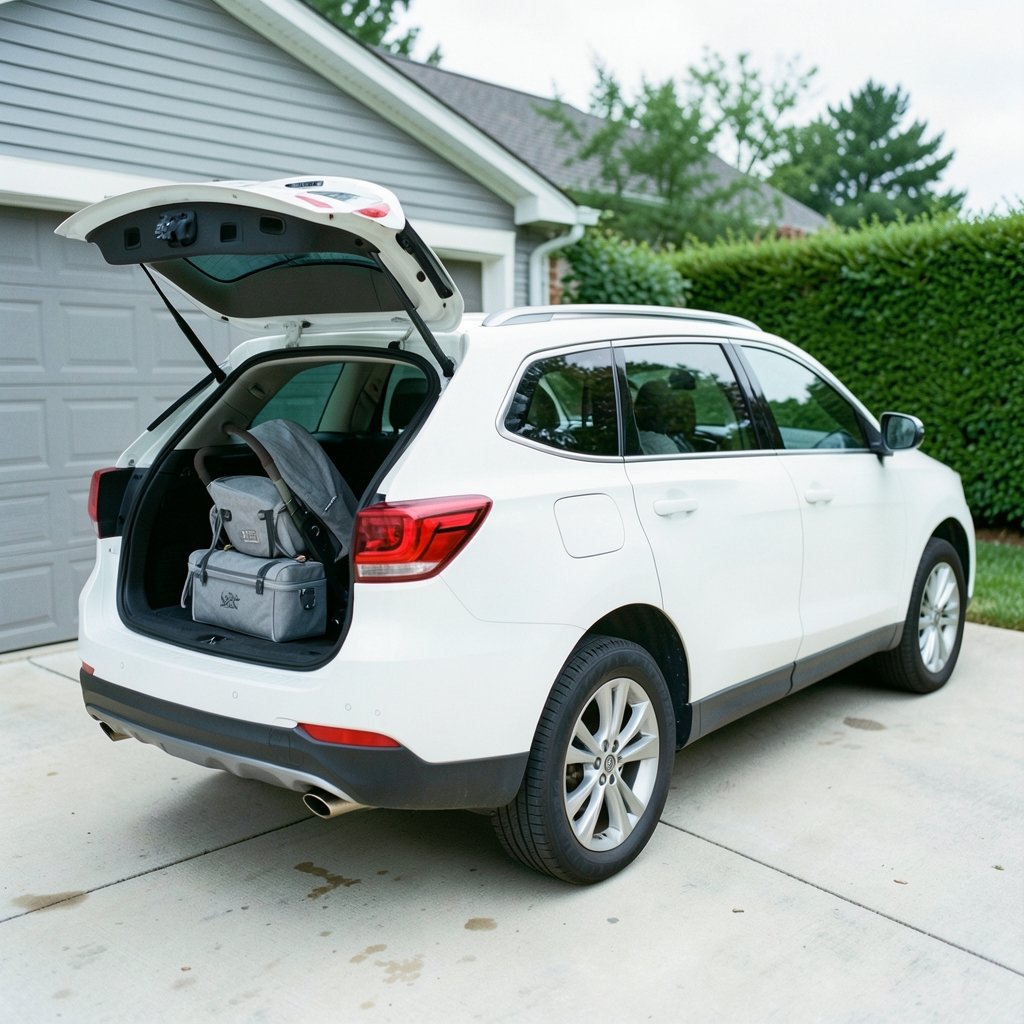
What do you actually get when you buy the biggest vehicle Volkswagen sells in America? The 2025 VW Atlas is a three-row family hauler built in Chattanooga, Tennessee, and it sits in one of the most crowded segments in the market. It competes with the Toyota Grand Highlander, Honda Pilot, Kia Telluride, and Hyundai Palisade, and each of those rivals has a loyal following. So the question is not whether the Atlas is good. It is whether the 2025 version does enough to pull buyers away from those alternatives. (1 million views youtube actually pays 2025)
The short answer: the Atlas leans hard on space, comfort, and value rather than driving excitement. That trade-off works for some families and frustrates others. This guide breaks down what the second-generation Atlas offers, where it falls short, and what to check before signing anything.
Where the 2025 Atlas Fits in the Lineup
The current Atlas is part of the second generation, which arrived for the 2024 model year as a substantial redesign of the 2018–2023 first-generation SUV. That redesign matters because it changed the powertrain lineup and updated the interior and technology. The 2025 model carries forward that formula with only minor changes.
Volkswagen sells the Atlas in two body styles. The standard Atlas has three rows and seats up to seven people. The Atlas Cross Sport is a two-row, five-seat version with a sloped roofline that looks sportier but sacrifices the third row and some cargo space. Both are built on Volkswagen’s MQB platform at the Chattanooga plant, and both share the same basic mechanical package.
That shared foundation is worth understanding. The Cross Sport is not a separate vehicle so much as a shortened, two-row take on the same idea. If you need three rows, the decision is already made for you. If you do not, the Cross Sport gives you more cargo room behind the second row and a lower price.
The Powertrain: One Engine, Fewer Choices
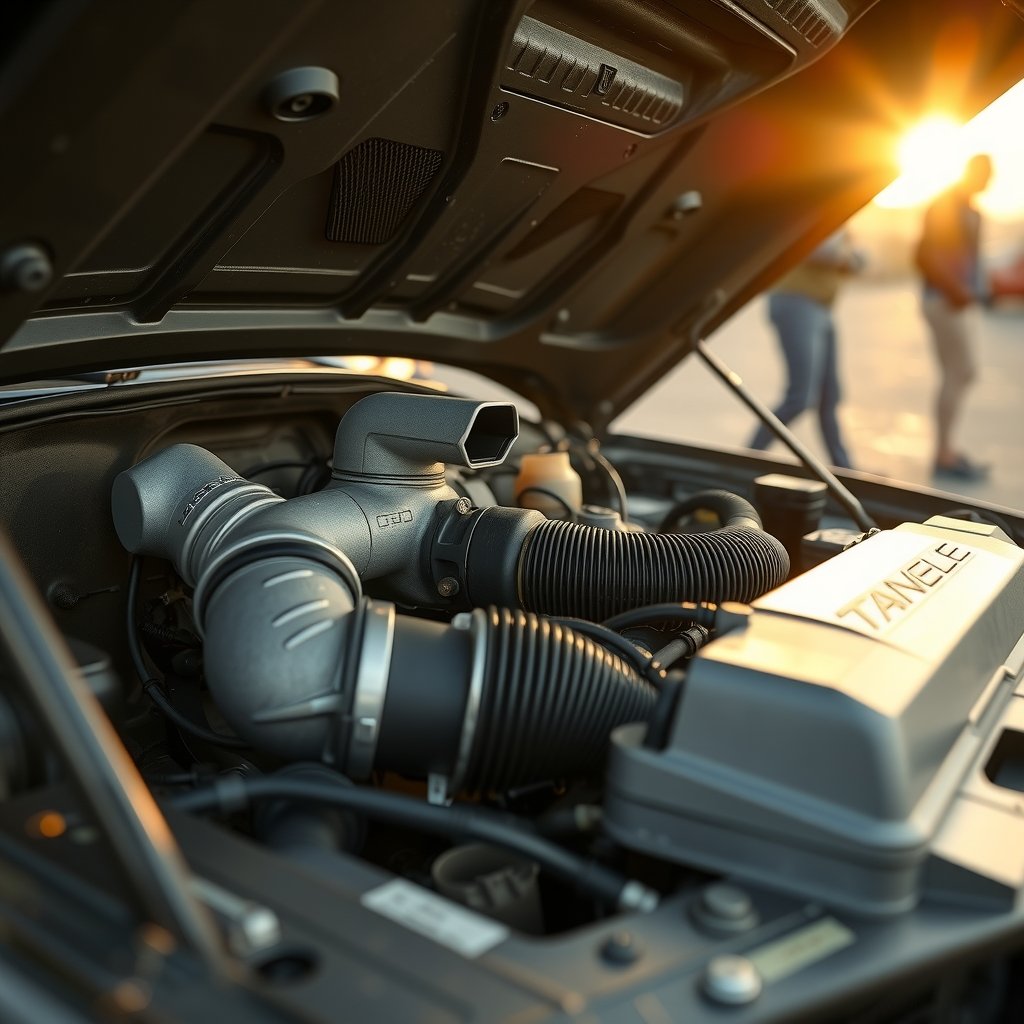
The biggest change for buyers coming from an older Atlas is the engine. The previous generation offered a VR6 alongside a turbo four-cylinder. The second-generation Atlas dropped the VR6 entirely. Every 2025 Atlas now uses a 2.0-liter four-cylinder engine with a turbo paired with an eight-speed automatic transmission. Front-wheel drive is standard, and all-wheel drive is available across the range.
That single-engine strategy simplifies shopping but removes an option some buyers liked. The four-cylinder is commonly cited around 269 horsepower, which is adequate for a vehicle this size but not thrilling. Loaded with seven people and luggage, the Atlas will feel working hard on steep grades and highway merges. It is not slow, but it is not quick either.
The eight-speed automatic does most of its work smoothly in normal driving. The practical takeaway is simple: test drive the Atlas with the whole family aboard, ideally on a hill or a highway on-ramp. A solo test drive around a flat suburban loop tells you almost nothing about how the powertrain behaves under real loads.
Front-Wheel Drive or All-Wheel Drive?
This is a genuine decision, not a checkbox. Front-wheel drive costs less and returns slightly better fuel economy. All-wheel drive adds traction in rain, snow, and loose surfaces, and it holds resale value better in cold-weather markets.
The common mistake is buying all-wheel drive “just in case” in a warm climate where it never snows, then paying for it at the pump and at purchase. The opposite mistake is buying front-wheel drive in a snowy region to save money and regretting it every winter. Match the drivetrain to where the vehicle actually lives, not to a hypothetical road trip.
Interior Space: The Atlas’s Real Strength
If there is one reason to buy an Atlas, it is room. The three-row Atlas is genuinely spacious for its class. The second row is generous, and the third row is usable by adults on shorter trips, which is more than many competitors can claim. Second-row captain’s chairs are offered on some trims, turning the middle row into two comfortable seats with a pass-through to the back.
Cargo space behind the third row is modest, as it is in every three-row midsize SUV. Fold the third row and the space becomes genuinely useful. Fold both rows and the Atlas swallows furniture, luggage, and sports gear without drama.
Practical tips that experienced owners learn quickly:
- Sit in the third row yourself before buying. Bring the tallest family member and have them climb in and out. Access matters as much as legroom.
- Check car seat fitment in the second row. Some booster seats and rear-facing seats crowd the front seats more than expected.
- Test the cargo area with your actual stroller, cooler, or dog crate. Dealership demo props are smaller than real life.
- Confirm which trims include captain’s chairs, because the configuration changes the seating count and the feel of the cabin.
The interior materials are a mixed bag. Upper trims feel solid and well-finished. Lower trims use more hard plastics, which is normal for the segment but worth noticing on a test drive. The Atlas does not pretend to be a luxury vehicle, and that honesty is fine as long as expectations are set correctly.
Technology and Safety: What to Verify
The Atlas comes with a modern infotainment setup, including a touchscreen and digital instrument display on most trims, plus the usual driver-assistance features like adaptive cruise control, lane-keeping assist, and automatic emergency braking. Volkswagen bundles these under its driver-assistance branding, and availability varies by trim.
Safety ratings deserve careful attention rather than assumption. The Insurance Institute for Highway Safety tightened several of its crashworthiness criteria in 2023 and 2024, and ratings can differ by model year and by which specific test is being discussed. Do not assume that because an earlier Atlas earned a particular award, the 2025 model carries the same rating. Look up the exact model year directly.
The same caution applies to fuel economy. EPA estimates vary by drivetrain and trim, and the difference between front-wheel drive and all-wheel drive is real. Check the official figures for the exact configuration you are considering rather than a number from a review of a different trim.
One more item worth confirming: Volkswagen’s US warranty terms have changed over time. Do not rely on what a friend’s 2019 Atlas came with. Ask the dealer for the current written terms and compare them against competitors. If extended coverage or service plans are on the table, understand what they cost over the life of the loan, much like the way buyers should scrutinize recurring subscription expenses such as multi-factor authentication really costs in a household budget.
Pricing and Value: The Honest Picture
Manufacturer’s suggested retail prices change by model year and trim, and they are not a number anyone should quote from memory. The Atlas generally undercuts some rivals on a features-per-dollar basis, especially in the middle trims, but the gap narrows at the top of the range.
The value calculation depends on what you weight. If you want maximum interior space per dollar, the Atlas is competitive. If you want the most refined powertrain or the strongest fuel economy, rivals may pull ahead. If you want the best resale value, research your specific region, because resale varies dramatically by market.
A useful comparison exercise is to price the exact trim you want against two competitors at equivalent equipment levels. Do not compare a loaded Atlas to a base rival. Line up the features, then compare the out-the-door numbers including taxes, fees, and any dealer add-ons.
The Cost of Ownership Beyond the Sticker
The purchase price is only part of the story. Insurance, fuel, maintenance, and depreciation all compound over the years you own the vehicle. Families often focus on the monthly payment and ignore the rest, which is how a “good deal” becomes an expensive five-year commitment.
The same discipline applies to other recurring costs that quietly add up. Gamers evaluating a console purchase, for example, benefit from understanding the Xbox game pass cost 2025 real prices whether its worth before committing to a subscription stack. The principle is identical: total cost of ownership beats headline price every time.
What Actually Works in Practice
After the research phase, the buying process itself is where most mistakes happen. Here is what tends to work and what tends to backfire.
Works well: Test driving the exact trim and drivetrain you plan to buy, not a similar one. Dealers often stock a loaded all-wheel-drive demo and a base front-wheel-drive model, and the two feel different. Drive the one you will live with.
Works well: Bringing the family and the car seats to the dealership. Fitment problems discovered after purchase are expensive to solve.
Works well: Getting an insurance quote before signing. Three-row SUVs can vary meaningfully in premiums, and a surprise there can wreck a budget.
Backfires: Buying based on a single review. Reviews describe a vehicle in isolation, not your driveway, your kids, and your commute.
Backfires: Skipping the third-row test because “we’ll rarely use it.” You will use it more than you think, and when you do, you will want it to be livable.
Backfires: Assuming safety ratings carry over between model years. They do not always, and the criteria have shifted in recent years.
How the Atlas Compares to Its Main Rivals
| Factor | 2025 VW Atlas | Typical Rival Strength |
|---|---|---|
| Third-row space | Strong for the class | Some rivals are tighter, some similar |
| Powertrain options | Single turbo four-cylinder | Rivals often offer a stronger or hybrid option |
| Interior room | Generous | Competitive segment-wide |
| Fuel economy | Adequate, varies by drivetrain | Hybrid rivals often beat it |
| Value per feature | Competitive in mid trims | Narrows at the top |
| Driving feel | Comfort-focused | Rivals may feel sharper |
The table is deliberately general because specific numbers change by trim and by year, and quoting them from memory invites errors. The pattern is what matters: the Atlas wins on space and comfort, and it gives up ground on powertrain choice and fuel efficiency.
Who Should Buy the 2025 Atlas
The Atlas makes the most sense for families who prioritize passenger space and comfort over driving engagement. If you regularly carry five to seven people, want a usable third row, and prefer a calm highway cruiser to a sporty SUV, the Atlas fits well.
It makes less sense for buyers who want a hybrid, who tow frequently, or who care most about fuel economy. Those buyers should look at the hybrid options in this segment before committing.
The Cross Sport appeals to a different buyer entirely: someone who wants the Atlas’s road manners and interior quality but does not need three rows and prefers a sleeker roofline. That is a legitimate choice, not a compromise, as long as the cargo and passenger needs match.
Conclusion
The 2025 VW Atlas is a roomy, comfortable, straightforward family SUV that does the practical things well. It is not the most exciting vehicle in its class, and it is not the most efficient. What it offers is genuine three-row space, a simple powertrain lineup, and a value story that holds up in the middle of the range.
The buyers who end up happiest are the ones who test drive the exact configuration they plan to buy, verify safety ratings and fuel economy for that specific model year, and calculate total cost of ownership rather than fixating on the sticker price. Do that homework, and the Atlas is a sensible choice. Skip it, and any SUV in this class can become a regret.
FAQ
Does the 2025 Atlas still offer a V6 engine?
No. The second-generation Atlas dropped the VR6, so every 2025 model uses a 2.0-liter four-cylinder with a turbo and an eight-speed automatic. Buyers who want more power will need to look at rivals or accept that the Atlas prioritizes comfort over performance.
How many people does the 2025 Atlas seat?
The three-row Atlas seats up to seven, depending on whether it is configured with a second-row bench or captain’s chairs. The two-row Atlas Cross Sport seats five. Captain’s chairs reduce the total to six but improve access to the third row.
Is the 2025 Atlas good for families with car seats?
Generally yes, because the second row is wide and accessible. The catch is that car seat fitment varies by seat model, so bring your actual seats to the dealership and install them in the vehicle you plan to buy. Do not assume fitment based on specifications alone.
What is the difference between the Atlas and the Atlas Cross Sport?
The Atlas has three rows and seats up to seven. The Cross Sport has two rows, seats five, and uses a sloped roofline for a sportier look. They share a platform and powertrain, but the Cross Sport offers more cargo space behind the second row and a lower entry price.
Should I choose front-wheel drive or all-wheel drive?
Choose based on where the vehicle lives. All-wheel drive helps in snow, rain, and loose surfaces and tends to hold value better in cold markets. Front-wheel drive costs less and uses slightly less fuel, which suits warm-climate buyers who rarely encounter poor traction.
How do I verify the 2025 Atlas’s safety ratings and fuel economy?
Look up the exact model year and configuration rather than relying on reviews of other trims or earlier years. Crash-test criteria have tightened in recent years, and fuel economy varies by drivetrain. Confirm both before you sign, and ask the dealer for the current warranty terms in writing.



