
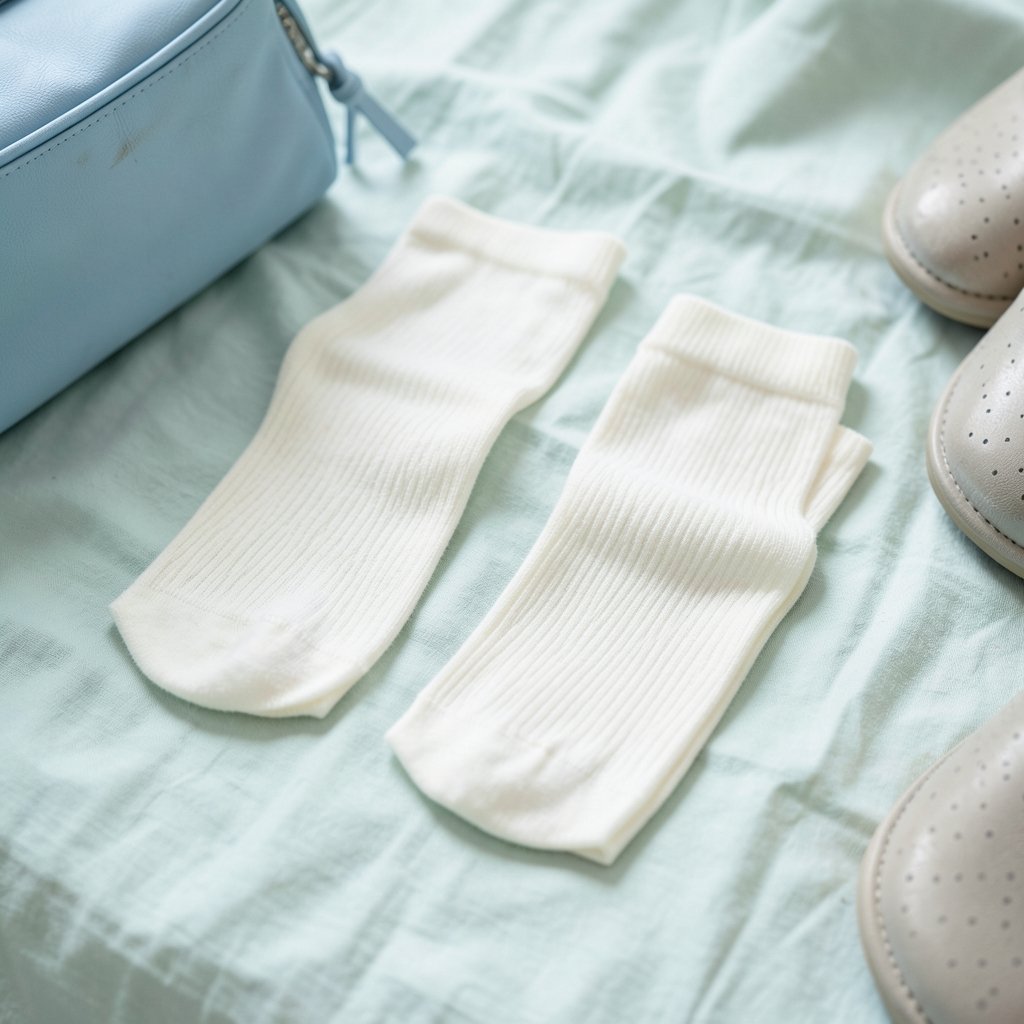
Ever pulled on a pair of tight socks before a long flight, a marathon, or a hospital stay and wondered whether they really do anything? You are not alone. Compression socks sit in an odd spot: half medical device, half athletic fashion statement. Some people swear by them; others suspect they are just expensive nylon. The truth, as you might expect, is somewhere in the middle, and it depends a great deal on why you are wearing them and which pair you buy.
This article walks through what graduated compression actually does, where the evidence is strong, where it is thin, and how to choose a pair that helps rather than hurts. It leans on published clinical research and practical guidance rather than marketing claims.
How Compression Socks Actually Work
The core idea is simple. Graduated compression means the sock squeezes hardest at the ankle and gradually loosens as it moves up the calf. That pressure gradient is thought to help veins push blood back up toward the heart, counteracting the pooling that happens when you sit or stand still for long periods.
That said, the precise mechanism is still debated. Reviews describe the circulatory explanation as partly established rather than fully settled. In plain terms: the socks clearly change pressure and flow in the leg, but scientists are still refining exactly why that translates into the outcomes people care about. That is worth keeping in mind, because it means claims should be matched to what studies actually measured.
The Strongest Case: Preventing Blood Clots in Hospital

The best-supported use of compression socks is preventing deep vein thrombosis (DVT) in people who are hospitalized or recovering from surgery. A 2018 Cochrane review of graduated compression stockings for hospitalized patients concluded they reduce DVT risk, whether used alone or alongside other preventive measures. The certainty of that evidence varies by setting, but the direction is consistent.
This is why you will see compression stockings handed out before operations. They are cheap, low-risk, and add a layer of protection when someone is lying still for hours. If a clinician recommends them post-surgery, that recommendation is grounded in real evidence, not habit.
A Reality Check on Post-Thrombotic Syndrome
Here is where the story gets more honest. Post-thrombotic syndrome (PTS) is a long-term complication after a deep vein thrombosis, and for years people assumed compression stockings would prevent it. The SOX trial, published in the Lancet in 2014, tested that assumption directly and found that elastic compression stockings did not significantly reduce PTS after a first proximal DVT compared with placebo stockings.
That result surprised a lot of people and contradicted earlier, smaller trials. The lesson for readers: compression is not a magic shield against every venous problem. It helps in specific situations, and it is reasonable to ask your clinician what outcome a given pair is meant to achieve.
Long Flights and Travel: Useful for Some, Not All
Sitting still for many hours raises the risk of blood clots, which is why travel-related advice often mentions compression. Guidance from bodies such as the American College of Obstetricians and Gynecologists and the American College of Chest Physicians has supported compression stockings for long-distance travel in people at higher risk of venous thromboembolism.
Note the qualifier: people at higher risk. That includes those with a history of clots, recent surgery, certain clotting disorders, or pregnancy. For a healthy traveler on a four-hour flight, the benefit is smaller and the main value may simply be comfort and reduced swelling. Guidelines also change between editions, so if you are relying on a specific recommendation, check the current version rather than a decade-old blog post.
Swelling and Discomfort in Pregnancy
Pregnancy is one of the most common reasons people reach for compression. Some trials suggest compression stockings can reduce leg swelling and discomfort during pregnancy, which matches what many expectant mothers report anecdotally. The evidence quality is limited, though, so treat it as reasonable support rather than a guaranteed fix.
Practical note: pregnancy compression needs to fit properly and be comfortable enough to wear for hours. A sock that rolls down or pinches at the top defeats the purpose. Many people find that putting them on first thing in the morning, before swelling builds, makes a real difference.
Lymphedema and Medical-Grade Compression
Compression is a standard component of lymphedema management, usually as part of a broader program called complete decongestive therapy. In this context, the garments are medical devices with carefully specified pressure, not fashion accessories. The pressure class matters, and the right one depends on the individual’s condition.
This is the clearest example of why “compression socks” is not one product. A drugstore travel sock and a prescribed medical garment can look similar and behave very differently.
Pressure Classes at a Glance
| Type | Typical use | Key point |
|---|---|---|
| Over-the-counter travel socks | Long sitting, mild swelling | Lower, less precise pressure |
| Athletic compression | Exercise, recovery | Fit and comfort matter most |
| Medical-grade garments | DVT prevention, lymphedema, venous disease | Prescribed pressure class; fit is critical |
In the United States, medical compression stockings are regulated as Class I or II devices depending on pressure. That classification exists because pressure level is a genuine safety and effectiveness variable, not a marketing detail.
Exercise Recovery: Promising but Overhyped
Walk through any race expo and you will see compression sleeves sold as recovery magic. The science is more modest. Small trials and reviews on compression garments for exercise recovery and delayed-onset muscle soreness report mixed results. Effects are generally small, and study quality varies.
What does that mean in practice? If compression socks make your legs feel better after a long run, that is a legitimate reason to wear them. Reduced soreness perception is a real outcome. But do not expect dramatic performance gains, and be skeptical of anyone promising a measurable speed boost from a sock.
Who Should Be Cautious
Compression socks are generally low-risk, but caution is advised for people with significant peripheral arterial disease. In simple terms, if blood flow into the leg is already compromised, adding external pressure can be a problem. Contraindication lists vary by source, so this is a conversation to have with a clinician rather than a decision to make from a blog.
Common practical mistakes people make:
- Buying the wrong size. A sock that is too tight at the calf or too loose at the ankle breaks the graduated pressure pattern.
- Wearing them all day without checking fit. Rolled tops and pinching bands are signs the garment does not fit.
- Assuming tighter is better. More pressure is not automatically more benefit, and it can be uncomfortable enough that you stop wearing them.
- Skipping the morning window. Putting socks on before swelling starts is easier and often more effective.
- Confusing travel socks with medical garments. They serve different purposes.
How to Choose a Pair That Works
Start with the reason. If a clinician recommended compression for a medical condition, follow their guidance on pressure class and fit rather than shopping by color. If you want help with travel comfort or post-exercise soreness, a well-fitted over-the-counter pair is a reasonable starting point.
Measure your ankle and calf circumference and match them to the manufacturer’s size chart. Check the return policy, because fit is everything and the first pair is often not the right one. Look for a sock that goes on without a struggle but stays put, and expect to replace them when the elastic loosens.
If you are weighing broader gear and tooling decisions in your life, the same principle applies: match the tool to the job. That logic shows up in everything from choosing Canva alternatives where other tools actually win to how passwordless authentication benefits actually change for users. Fit and purpose beat hype every time.
Putting the Evidence in Perspective
Compression socks are a good example of a product where the marketing has run ahead of the data in some areas and lagged behind it in others. The clot-prevention evidence in hospital settings is solid. The lymphedema use is established practice. The post-thrombotic syndrome story turned out to be more complicated than expected. Exercise recovery is a maybe. Pregnancy comfort is plausible but thinly studied.
That mix is normal in medicine, and it is useful to hold all of it at once rather than treating compression as either miracle or myth. The same balanced thinking helps when you evaluate bigger systems, like cloud migration benefits that actually improve when you move or cloud refactoring benefits teams actually gain from. Claims deserve scrutiny, and the good ones survive it.
Conclusion
Compression socks are not a cure-all, and they are not a gimmick. They are a low-risk tool with a genuinely strong track record in hospital clot prevention, a standard role in lymphedema care, and a more modest, situational benefit for travel, pregnancy discomfort, and exercise recovery. The single biggest factor in whether they help you is fit, followed closely by wearing the right type for your reason.
If you are buying a pair for a flight or a long run, choose by measurement and comfort. If a clinician has recommended medical compression, follow their guidance on pressure class and check in if something feels wrong. And if you have circulation problems in your legs, ask before you squeeze.
Frequently Asked Questions
Do compression socks really prevent blood clots?
In hospital settings, yes, the evidence supports them. A 2018 Cochrane review found that graduated compression stockings reduce the risk of deep vein thrombosis in hospitalized patients, whether used alone or with other preventive measures. The certainty of the evidence varies depending on the patient group and setting, so they work best as part of a broader prevention plan rather than as a standalone guarantee.
Can compression socks prevent post-thrombotic syndrome?
The strongest trial on this question says not reliably. The SOX trial, published in the Lancet in 2014, found that elastic compression stockings did not significantly reduce post-thrombotic syndrome after a first proximal DVT compared with placebo stockings. That contradicted earlier, smaller studies, which is a good reminder that early promising results do not always hold up in larger trials.
Are compression socks worth wearing on a long flight?
They can be, especially if you are at higher risk of venous thromboembolism. Guidance from major medical bodies has supported compression stockings for long-distance travel in higher-risk people, including those with a history of clots, recent surgery, or pregnancy. For healthy travelers, the benefit is smaller and often comes down to comfort and reduced swelling. Guidelines change between editions, so check current advice.
Do compression socks help with exercise recovery?
The evidence is mixed. Reviews of compression garments for exercise recovery and delayed-onset muscle soreness report generally small effects, and study quality varies. If the socks make your legs feel better after a hard session, that is a valid reason to wear them, but do not expect large performance gains or dramatic soreness reduction.
Who should avoid compression socks?
People with significant peripheral arterial disease should be cautious, because added external pressure can be a problem when blood flow into the leg is already reduced. Contraindication lists differ between sources, so anyone with circulation concerns, skin conditions, or a diagnosed vascular disease should talk to a clinician before wearing compression garments.
What is the difference between travel socks and medical compression?
Travel socks are over-the-counter garments with lower, less precisely specified pressure. Medical compression garments are regulated devices with defined pressure classes, and the right class depends on the condition being treated. In the United States, medical compression stockings are classified as Class I or II devices depending on pressure. If a clinician has prescribed compression, use the specified class rather than a generic travel pair.



