Best AI Tools for PR Agencies in 2027
A PR agency in 2027 runs on speed and proof. A crisis breaks at midnight, a journalist wants a comment by noon, and a retainer review asks one question: what did the coverage do? The winners are not the biggest teams, but the ones whose tools surface the right story first and turn clippings into a report a client understands in five minutes.
That is where the best AI tools for PR agencies earn their keep. The strongest do the repetitive work that used to fill an account executive’s day: scanning thousands of articles for client mentions, drafting first-pass pitches, tracking which journalists open and reply, and building coverage books without an all-nighter. They do not replace PR judgement. Whether a story is safe to pitch, and the wording of a crisis statement, still belong to people.
This guide covers eight tools built for agency PR work. Each was judged on monitoring, journalist data, pitching, reporting, crisis alerting, and agency reality. Prices below are approximate starting prices, so check current pricing before you buy.
Key takeaways
- Meltwater is the best overall pick: monitoring, pitching, and reporting in one platform.
- Muck Rack is the strongest choice when journalist relationships are the edge.
- Brand24 is the best budget option for social listening and crisis alerts.
- CoverageBook turns coverage into client-ready reports in minutes.
- Watch per-seat limits: the cheapest plan gets expensive once every account team needs access.
At a glance: the shortlist
| Tool | Best for | Starting price | Standout limit |
|---|---|---|---|
| Meltwater | All-in-one monitoring, pitching | From about $4,000 a year | Price rises with seats and volume |
| Cision | Media database, large-scale pitching | Custom quote | Best at enterprise scale |
| Muck Rack | Journalist relationships, pitching | From about $5,000 a year | Per-seat pricing adds up fast |
| Propel | AI pitching, mid-size agencies | From about $199 a month | Smaller database than Cision |
| Prowly | Small agencies, coverage reports | From about $258 a month | Limited broadcast monitoring |
| Brand24 | Budget social listening | From about $99 a month | Mention limits apply |
| CoverageBook | Coverage reports | From about $99 a month | Reporting only |
| Signal AI | AI media intelligence, crisis tracking | Custom quote | Enterprise only |
Meltwater — Best overall
Meltwater is the closest thing to one platform for agency PR. Its monitoring covers online news, print, broadcast, podcasts, and social media, and its AI flags what matters: sentiment shifts, share of voice, and spikes that deserve a human look. Pitching tools let teams build lists, send personalised pitches, and see opens and replies, while dashboards track reach and sentiment for clients. The trade-off is price: Meltwater quotes by volume, seats, and modules, and onboarding takes weeks. Agencies that commit tend to stay.
Pros: Broadest monitoring coverage here; monitoring, pitching, and reporting in one login; strong AI sentiment and spike detection.
Cons: Custom pricing can surprise small agencies; onboarding takes weeks; some modules cost extra.
Cision — Best for media database and large-scale pitching
Cision has been the default media database for large agencies for years, and in 2027 its AI layer is what keeps it there. CisionOne pairs the journalist database with monitoring, and its AI flags which reporters are covering your client’s topics right now. For a big launch, that freshness matters most.
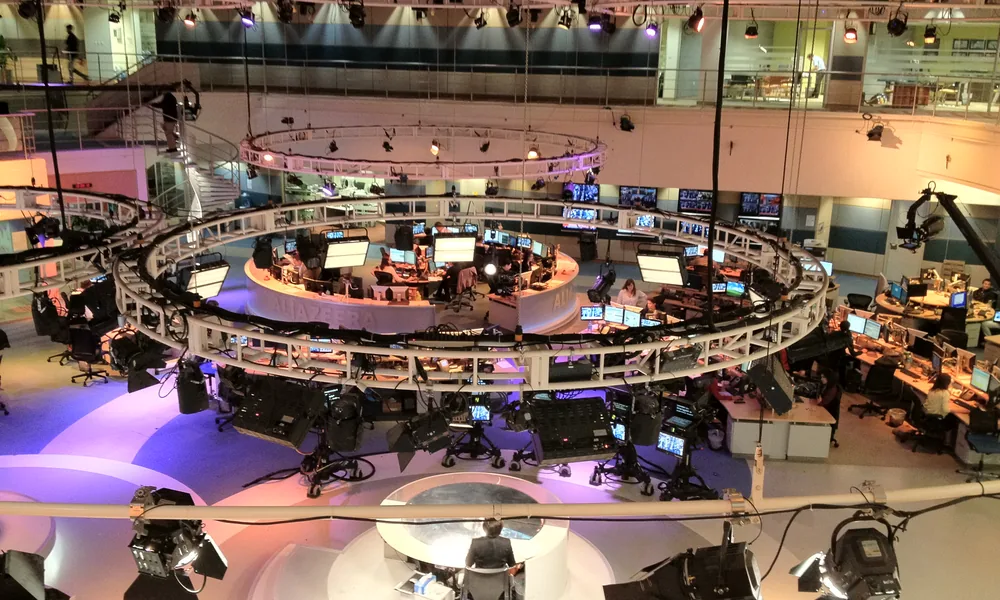
The database is the deepest here, with beats, recent articles, and contact details updated constantly. Pitching tools track opens and replies per journalist, and analytics tie coverage to reach. Cision is built for scale, and its pricing shows it: smaller agencies will find the quote hard to justify. But for national campaigns across many clients, no other database matches its depth.
Pros: Deepest journalist database; strong pitching analytics per reporter; reliable broadcast and print monitoring.
Cons: Enterprise pricing bars small agencies; interface can feel dated; contracts are usually annual.
Muck Rack — Best for journalist relationships
Muck Rack wins on the quality of its journalist data and on treating pitching as relationship work. Every profile shows recent articles, beats, and social activity, so an account executive can check in thirty seconds whether a pitch fits that reporter’s week. Its AI suggests relevant journalists and flags beat changes, so you never pitch someone who moved desks months ago.
Pitching is built around short, personal outreach rather than bulk blasts. Teams see who opened, clicked, and replied, and the shared inbox lets a colleague pick up a thread when someone is out. Per-seat pricing is the catch: the bill grows every time the agency hires, and social listening is thinner than Meltwater or Brand24.
Pros: Best journalist profiles and beat tracking; pitching analytics showing real engagement; clean, client-friendly reporting.
Cons: Per-seat pricing grows with headcount; thinner social listening; no press release distribution.
Propel — Best for mid-size agencies
Propel is the AI-first PR platform for agencies that find Cision too big and spreadsheets too small. Its pitch assistant drafts personalised pitches from a press release or a few bullet points, matching tone and angle to each journalist’s work. For an agency sending dozens of pitches a week, that first draft is a genuine time saver. Beyond pitching, Propel works as a PR CRM: media lists, notes, follow-ups, and coverage tracking in one place, with AI scoring pitch relevance before you send. The media database is smaller than Cision’s, so niche beats can be thin.
Pros: Strong AI pitch drafting and relevance scoring; affordable price; doubles as a PR CRM.
Cons: Smaller database than the big platforms; monitoring trails Meltwater; fewer broadcast sources.
Prowly — Best for small agencies
Prowly is the friendliest entry point on this list for a small agency. It bundles a media database, pitching, newsroom hosting, and coverage reporting into one tidy platform, and its AI drafts press releases and pitches in the brand voice you set. Each client gets a branded press page journalists actually use, and coverage reports pull in mentions with reach and value, polished enough to attach to an invoice. Broadcast monitoring is the weak spot, and niche journalists may be missing. Prowly is priced per workspace, so check how the plan scales with many clients.
Pros: All-in-one for small teams, with branded newsrooms; polished coverage reports; easy to learn.
Cons: Limited broadcast monitoring; thinner database for niche beats; pricing scales with workspaces.
Brand24 — Best budget social listening
Brand24 is the cheapest way to know the moment a client is being talked about online. Its AI tracks mentions across social, news, blogs, forums, and podcasts, scores sentiment, and alerts instantly when volume spikes or sentiment turns negative. For crisis tracking on a small retainer, that early warning is the whole product. AI summaries turn a hundred mentions into a paragraph a client can read. Brand24 is a listening tool, not a pitching platform: no journalist database, and mention limits mean a viral moment can eat a month’s allowance in a day. Teams sending lots of pitch emails should also read our guide to the best AI tools for email marketing in 2027.
Pros: Fastest alerts for the price; AI sentiment and mention summaries; catches forums and podcasts.
Cons: No journalist database or pitching; mention caps bite during viral spikes; simpler reporting.
CoverageBook — Best for coverage reports
CoverageBook does one thing and does it better than anyone: it turns a list of coverage links into a beautiful client report. Paste in URLs and it pulls screenshots, headlines, outlet details, reach, and value automatically into a report a client will actually open. What took an account executive a full afternoon now takes about twenty minutes. It estimates the value and reach of each hit and shows coverage over time, by outlet tier, or by campaign. CoverageBook is reporting only, so it sits on top of a monitoring tool rather than replacing one.
Pros: Fastest, best-looking coverage reports; automatic screenshots and metrics; shareable links clients love.
Cons: No monitoring or pitching; metrics are estimates, not exact audience data; needs coverage links as input.
Signal AI — Best for AI media intelligence
Signal AI is the most AI-native tool on this list, built for agencies that need to understand a story, not just count it. It reads millions of sources in real time, surfacing reputation risks and emerging narratives. For crisis tracking, that means catching a story while it is still small enough to manage. It summarises what is being said, who is saying it, and how the tone is shifting, briefing an account lead in minutes. Reporting focuses on reputation and risk rather than clip counts, which suits senior clients. Signal AI is priced for enterprise, so it is out of reach for most small agencies. Many agencies pair a media tool with the best CRM software for small business in 2027 to track contacts, retainers, and follow-ups.
Pros: Strongest AI analysis of narrative and reputation risk; earliest crisis warnings.
Cons: Enterprise only; not a pitching platform; overkill without crisis work.
How to choose
Start with the job your agency does most. If monitoring and crisis alerts are the core of your retainers, pick Meltwater or Brand24 first. If your edge is relationships and pitching, Muck Rack or Propel will pay for themselves faster than any dashboard. If clients judge you on reports, CoverageBook on top of any monitoring tool is the cheapest way to look professional. Then check the limits that cause regret: count seats, clients, and mention volume, and price the plan that covers all three. Agencies adding podcast outreach should check our guide to the best AI tools for podcasting in 2027 first.
Checklist: before you pay
- Trial it on a real client account for two weeks.
- Confirm seats, clients, and searches included, and what the next tier costs.
- Check the database for your clients’ niche beats before signing.
- Test crisis alerts: how fast do they arrive, and by email, app, or both?
- Confirm you can export media lists, coverage, and reports if you leave.
- Read the renewal terms and cancellation notice period first.
Frequently asked questions
What is the best AI tool for PR agencies overall?
Meltwater, because it covers monitoring, pitching, and reporting in one platform. Pitching-focused agencies may prefer Muck Rack; small ones often start with Brand24 plus CoverageBook.
Can AI tools replace a PR account executive?
No. AI handles monitoring, first drafts, and reports, but it cannot judge whether a story is safe to pitch or write a crisis statement. The best agencies use it to free up time for judgement work, not to cut headcount.
How much should a small PR agency pay for AI tools?
About $99 to $300 a month with Brand24 and CoverageBook, or one all-in-one like Prowly. Larger agencies should expect annual contracts starting in the low thousands per year.
Do these tools monitor TV and radio?
Meltwater, Cision, and Signal AI include broadcast monitoring in fuller plans. Prowly, Propel, and Brand24 focus on online news, social, and podcasts, so check the plan if broadcast clips matter.
How do AI tools help during a PR crisis?
They spot the spike early, show where the story is spreading, and summarise what is being said, so the team responds with facts. Alerts turn a chaotic first hour into a managed one, but the response still needs a human decision.
Is it safe to let AI draft pitches to journalists?
Yes, as a first draft, with a human edit before sending. AI pitches save time, but an unread pitch risks factual errors and generic wording reporters ignore. Treat AI drafts as starting points, never as finished emails.
The bottom line
For most agencies, Meltwater is the safest all-in-one choice, Muck Rack is best when journalist relationships are the business, and Brand24 with CoverageBook is the smartest budget pairing. The tool should match the promise on your retainer, not the other way round.
Whatever you choose, trial it on live client work, price it for your real seat and mention counts, and revisit it every year. Pricing and AI features here change fast.