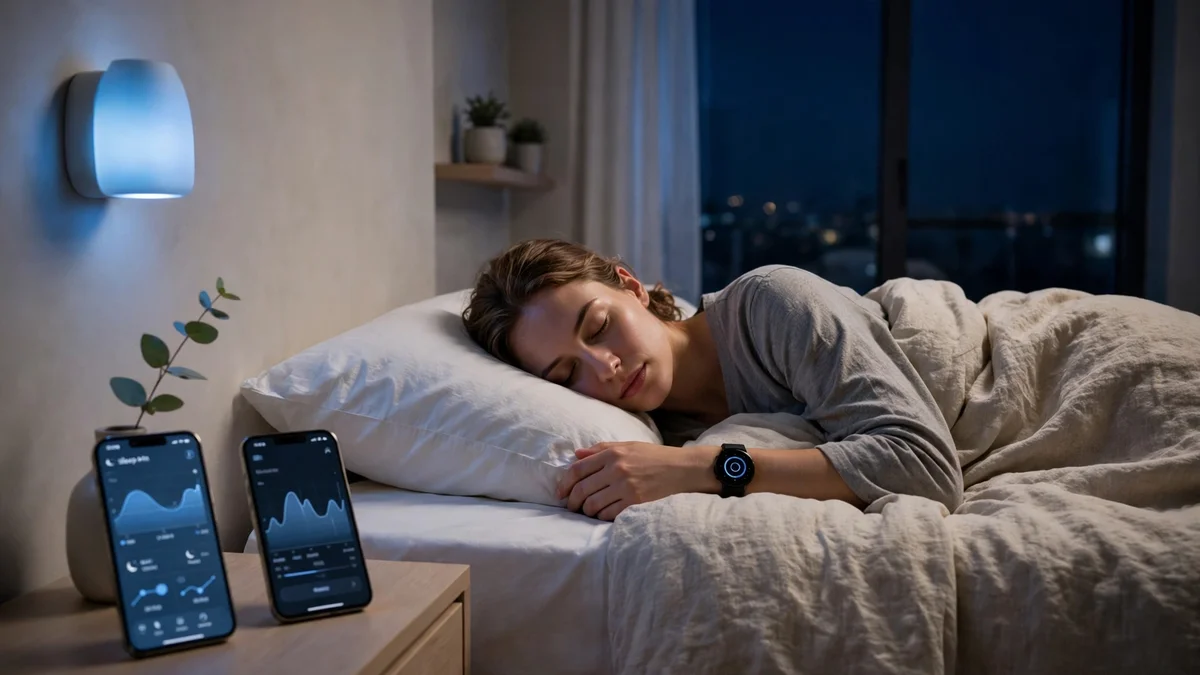
The best AI tools for sleep tracking in 2027 do far more than count your hours in bed. They measure sleep stages, heart-rate variability, breathing, temperature, and movement, then turn that data into a clear score and practical advice: when to go to bed, whether to train hard or rest, and which habits are actually hurting your sleep.
What matters most is accuracy, and how useful the advice is. A tracker that gives you a neat score but no next step is a gadget, not a tool. The best options explain why your sleep was poor, suggest one or two changes, and get more accurate as they learn your patterns over weeks.
This guide compares eight leading options, from the ring-based Oura and the recovery-focused Whoop to app-only tools such as Sleep Cycle. Every price below is an approximate starting price, so check current pricing before you buy.
Key takeaways
- Oura Ring is the best overall sleep tracker for most people, with accurate staging and clear daily scores.
- Whoop is the best choice for athletes and anyone who trains hard, thanks to its recovery score.
- Apple Watch and Fitbit are the best options if you already own the hardware.
- Withings Sleep Analyzer tracks sleep without anything on your wrist.
- Avoid buying a tracker for one feature alone; check the subscription cost first, as most tools charge monthly.
At a glance: the shortlist
| Product | Best for | Starting price | Standout limit |
|---|---|---|---|
| Oura Ring | Best overall | From about $349 plus about $5.99 per month | Ring sizing kit needed first |
| Whoop | Recovery and training | From about $30 per month | No screen on the band itself |
| Apple Watch | iPhone users | From about $249, no required subscription | Needs nightly charging for some users |
| Fitbit | Budget tracking | From about $99 plus about $9.99 per month | Best features need Premium |
| Samsung Galaxy Watch | Android users | From about $249, no required subscription | Best with a Samsung phone |
| Withings Sleep Analyzer | No wrist device | From about $129, no subscription | No daytime activity tracking |
| Eight Sleep Pod | Temperature control | From about $2,295 plus subscription | Very expensive, needs a compatible bed |
| Sleep Cycle | App-only tracking | Free, premium from about $9.99 per month | Less accurate than a wearable |
Oura Ring — Best overall
Oura Ring is the best sleep tracker for most people in 2027 because it is accurate, comfortable, and honest about what it measures. The ring tracks sleep stages, heart-rate variability, resting heart rate, temperature, and blood oxygen, then gives you a sleep score, a readiness score, and a short explanation of what changed overnight. Its AI now spots trends across weeks, such as late meals or alcohol cutting your deep sleep, and suggests a bedtime window for tonight.
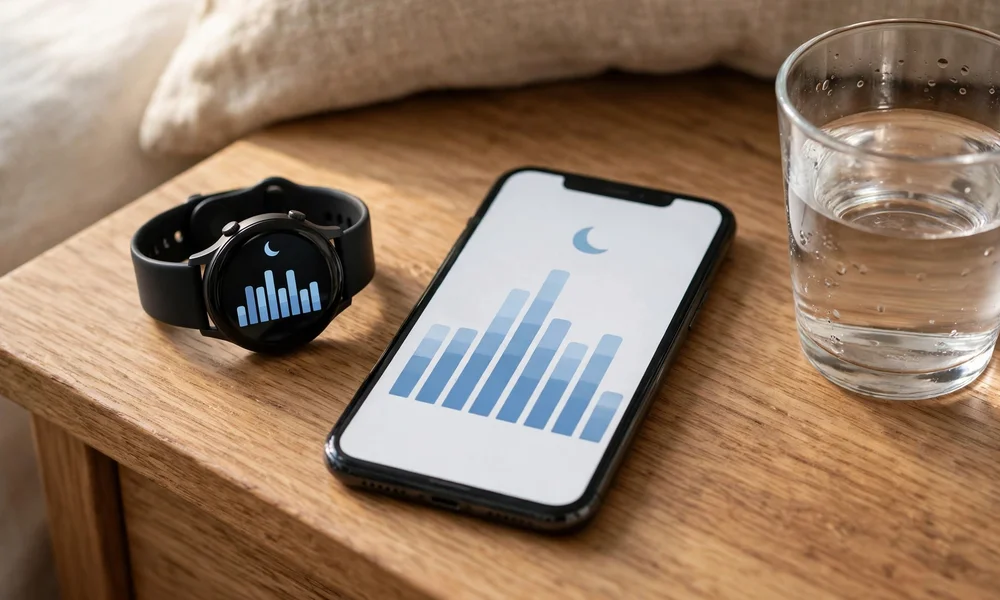
Ordering takes a little patience: you first receive a sizing kit, wear the plastic sample for a day, and then confirm your size. The app also includes guided meditations and a simple journal, so you can note caffeine, alcohol, or late meals and see how each one lines up with your scores over the following weeks.
Pros: Accurate sleep staging, comfortable to wear overnight, clear weekly trends, long battery life.
Cons: Expensive hardware, and most features need a monthly subscription.
Whoop — Best for recovery and training
Whoop is the best sleep tracker for athletes and anyone who trains hard. Instead of steps, it focuses on strain, recovery, and sleep, and its AI coach tells you how much sleep you need tonight based on how hard you trained today. The recovery score combines heart-rate variability, resting heart rate, and sleep quality into one number that helps you decide whether to push or rest.
The daily journal is a useful part of the system. You log simple habits such as caffeine, alcohol, screen time, and late meals, and Whoop shows which ones help or hurt your recovery over time. The strain coach then sets a target for the day, so you know whether a hard session, a light walk, or a rest day fits your body.
Pros: Best recovery coaching, practical sleep-need guidance, no upfront hardware cost, strong strain tracking.
Cons: No screen on the band, and the monthly cost adds up over time.
Apple Watch — Best for iPhone users
Apple Watch is the best sleep tracker if you already own an iPhone, because its sleep tracking is now genuinely good and needs no extra subscription. The watch measures sleep stages, heart rate, respiratory rate, and wrist temperature, and its AI highlights trends such as a rising resting heart rate or shorter deep sleep over the past two weeks. The sleep focus mode silences notifications and dims the screen, which helps you actually wind down.
The sleep data also feeds into the wider health app, where trends in heart rate and temperature sit alongside workouts and activity. That context helps you see, for example, whether a late workout or a heavy meal lines up with a restless night. For a closer look at the options, our guide to the best smartwatches for sleep compares the leading models, their sensors, and their battery life side by side.
Pros: No required subscription, good sleep staging, useful sleep focus mode, strong all-round smartwatch.
Cons: Needs regular charging, and the best health insights need an iPhone.
Fitbit — Best for budget tracking
Fitbit is the best budget sleep tracker in 2027. Its devices cost far less than Oura or Apple Watch, yet they track sleep stages, heart-rate variability, breathing rate, and snoring, and the app gives you a sleep score each morning with a breakdown of light, deep, and REM sleep. The AI insights now compare your sleep with people of a similar age and highlight the one habit most likely to improve your score.
Pros: Affordable hardware, good sleep scores, comfortable overnight, useful habit insights.
Cons: Best features need a Premium subscription, and the app can feel busy.
Samsung Galaxy Watch — Best for Android users
Samsung Galaxy Watch is the best sleep tracker for Android users, especially if you already use a Samsung phone. It tracks sleep stages, snoring, blood oxygen, and skin temperature, and its AI sleep coaching assigns you an animal-style sleep type, then gives a four-week programme to improve it. The coaching is more structured than most rivals, with weekly tasks and clear progress checks.
Pros: No required subscription, structured sleep coaching, good all-round smartwatch, solid staging accuracy.
Cons: Best features need a Samsung phone, and battery life is about two days.
Withings Sleep Analyzer — Best for no wrist device
Withings Sleep Analyzer is the best sleep tracker if you hate wearing anything to bed. It is a thin mat that slides under your mattress and tracks sleep stages, heart rate, snoring, and breathing interruptions, including signs of sleep apnoea, without touching your body. The app gives you a sleep score each morning and a simple breakdown of your night.
Pros: Nothing to wear, no subscription, detects breathing interruptions, easy setup.
Cons: Sleep only, no daytime tracking, and it cannot track naps away from home.
Eight Sleep Pod — Best for temperature control
Eight Sleep Pod is the most ambitious sleep tool in this guide, and the most expensive. It is a mattress cover that heats and cools each side of the bed separately, tracks sleep stages and heart rate, and uses AI to adjust the temperature through the night as your body temperature changes. The app also gives you a sleep fitness score and a suggested bedtime based on your recent nights.
Pros: Real temperature control, dual-side settings, good sleep tracking, clear sleep fitness score.
Cons: Very expensive, needs a compatible bed, and a subscription is required.
Sleep Cycle — Best app-only tracking
Sleep Cycle is the best sleep tracker if you do not want to buy any hardware. The app uses your phone microphone and accelerometer to track movement and sound through the night, then wakes you in your lightest sleep phase within a window you set. Its AI now gives you a sleep score, a snoring report, and a short note on what changed compared with your recent average.
Pros: No hardware to buy, useful smart alarm, snoring reports, easy to start tonight.
Cons: Less accurate than a wearable, and the phone must stay on the bed.
How to choose
Start with how you sleep. If you hate wearing a watch, choose Oura Ring or Withings Sleep Analyzer. If you train hard, choose Whoop for its recovery score. If you already own an iPhone or a Samsung phone, the matching watch gives you the best value, because there is no extra hardware to buy and no required subscription for the core features.
Finally, remember that the tracker is only half the tool. The other half is what you do with the data, and a calm wind-down routine matters as much as any score. Many people pair a tracker with a short evening meditation; our guide to the best earbuds for meditation covers comfortable options for guided sessions in bed.
Think about comfort too. You will wear the tracker every night, so a heavy watch or a tight band will end up in a drawer, no matter how good the data is. Try the device for a full week, including a weekend, before you decide whether the form factor suits you.
Checklist: before you pay
- Add the subscription cost to the hardware price and check the yearly total.
- Confirm the tracker measures sleep stages, not just time in bed.
- Check the battery life and how often you will need to charge it.
- Confirm it works with your phone and your health app.
- Check the return window, and size a ring properly before ordering.
- Confirm you can export your data if you switch trackers later.
Frequently asked questions
What is the best AI sleep tracker overall?
Oura Ring is the best overall pick for most people, because it combines accurate sleep staging, comfortable overnight wear, and clear weekly trends that show how habits such as late meals or alcohol affect your rest. Whoop is better for athletes who want recovery guidance, and Apple Watch is the best value if you already own an iPhone.
Are sleep trackers accurate?
Do I need a subscription for sleep tracking?
Not always. Apple Watch, Samsung Galaxy Watch, and Withings Sleep Analyzer give you core sleep tracking with no required subscription. Oura, Whoop, and Fitbit Premium need a monthly plan for their best features, so check the yearly cost first.
Can a sleep tracker detect sleep apnoea?
Is a ring or a watch better for sleep tracking?
Can I track sleep without a wearable?
Yes. Withings Sleep Analyzer tracks sleep from under your mattress, and Sleep Cycle tracks it from your phone on the bed. Both are less complete than a wearable, but they are good starting points, and quiet listening helps too; our guide to the best noise cancelling earbuds under $100 lists affordable models for sleep stories and white noise.
The bottom line
For most people, Oura Ring is the best AI tool for sleep tracking in 2027: it is accurate, comfortable, and its weekly trends turn data into useful advice. Choose Whoop if recovery and training drive your sleep goals, Apple Watch or Samsung Galaxy Watch if you already own the hardware, and Withings Sleep Analyzer if you want nothing on your wrist.
Whichever tracker you pick, wear it every night for at least two weeks before judging it, and act on one change at a time. The score matters less than the trend, and the best tracker is the one that helps you sleep better, not the one with the most features.