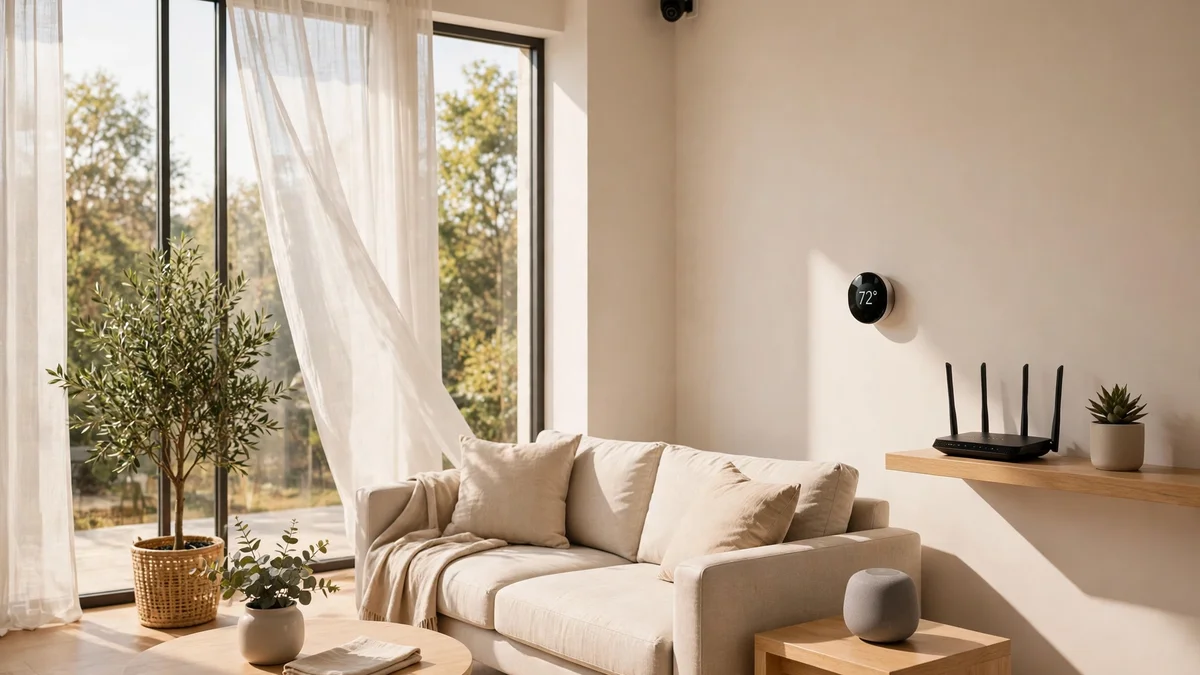
The best antivirus software for smart home devices in 2027 protects more than a laptop. A typical home now has a dozen or more connected gadgets, from cameras and doorbells to thermostats, speakers, televisions and baby monitors, and each one is a small computer that can be attacked. Most of these devices ship with weak default passwords, receive infrequent updates and run software their owners never see, which makes them attractive targets for botnets, snooping and ransomware that spreads through a home network.
Traditional antivirus was built for Windows and Mac computers, so it cannot simply be installed on a smart bulb or a doorbell. The products that work best for smart homes therefore protect the whole network instead of a single device. They scan traffic at the router, block malicious domains before a gadget can reach them, flag vulnerable devices and watch for unusual behaviour, such as a camera uploading data at three in the morning.
This guide compares eight options that cover smart home protection well in 2027, weighing network-level defence, device discovery, ease of setup and price. Bitdefender leads for most households, Norton suits families who want identity protection bundled in, and McAfee offers strong value for homes with many devices. Prices below are approximate starting prices, so check current pricing before you buy.
Key takeaways
- Bitdefender is the best overall choice for smart homes, thanks to strong network protection and a clear app.
- Router-level protection matters more than installing software on any single gadget.
- Norton is the best pick for families who also want identity and parental controls in one plan.
- McAfee gives the best value for large households, with unlimited device coverage on its top plan.
- No antivirus can fix a weak password or outdated firmware, so change defaults and update devices regularly.
At a glance: the shortlist
| Product | Best for | Starting price | Standout limit |
|---|---|---|---|
| Bitdefender | Most homes | About $40 per year | Network scanner tied to router |
| Norton 360 | Families | About $50 per year | VPN and identity tools included |
| McAfee Total Protection | Many devices | About $35 per year | Unlimited devices on top plan |
| Avast One | Budget homes | About $36 per year | Free tier is limited |
| Kaspersky Premium | Detection quality | About $50 per year | Some features vary by region |
| ESET Home Security | Light footprint | About $50 per year | Fewer smart home extras |
| Trend Micro Maximum Security | Simple setup | About $50 per year | Router tools need a compatible router |
| Malwarebytes Premium | Second opinion | About $45 per year | No full network firewall |
Bitdefender — Best overall
Bitdefender earns the top spot because it protects smart home devices at the network level rather than asking you to install software on gadgets that cannot run it. The same subscription covers Windows, Mac, Android and iOS, so the phones and laptops that control your smart home are protected too, and the dashboard is clear enough for non-technical owners to use without a manual.
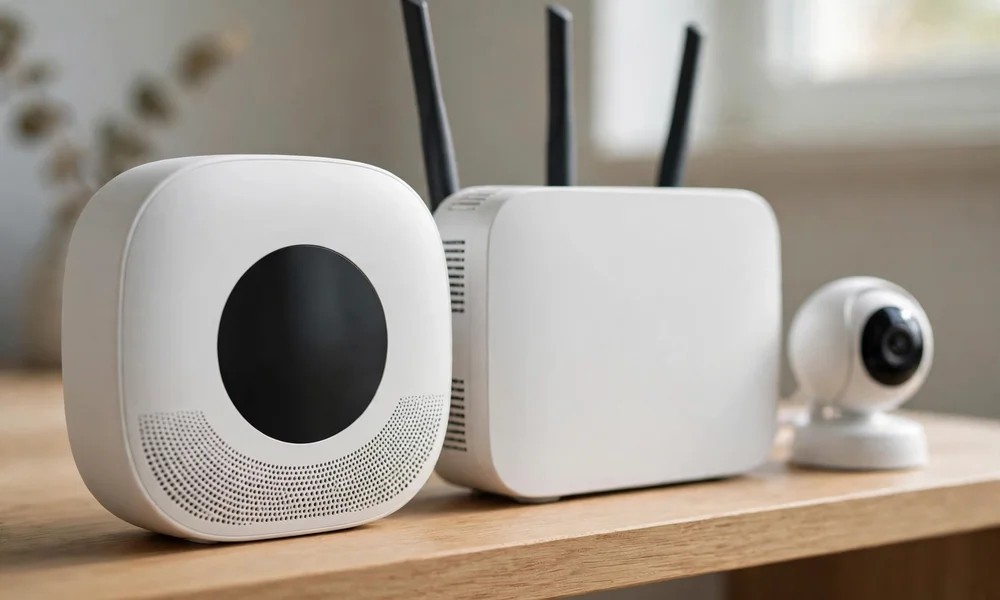
Detection rates in independent lab tests are consistently among the best in the industry, and the impact on device speed is small. The approach is similar in spirit to the dedicated picks in our guide to antivirus software for journalists, where strong detection and low hassle matter most.
Pros: Excellent malware detection, network scanning for connected devices, light system impact, clear dashboard.
Cons: Renewal prices rise after the first year, some advanced features sit behind higher tiers.
Norton 360 — Best for families
Norton 360 is the strongest family option because it bundles smart home protection with tools that cover the people in the house as well as the gadgets. Its Smart Firewall and intrusion prevention monitor network traffic, while the included VPN, password manager and identity monitoring protect the accounts that control smart locks, cameras and alarms. Parental controls add another layer for homes with children who use shared tablets and smart speakers.
Setup is straightforward, and the mobile app gives a single view of protected devices and alerts. The main drawback is price: the plan that includes everything a family needs costs more than the entry tier, and renewal pricing is noticeably higher than the first-year offer.
Pros: Strong all-round bundle, VPN and identity monitoring included, good parental controls, clear alerts.
Cons: Higher renewal prices, the full feature set needs the pricier plan.
McAfee Total Protection — Best value for many devices
McAfee Total Protection suits homes where the device count keeps growing. Its top plan covers an unlimited number of devices, which is rare, and includes a VPN, identity monitoring and a file shredder. The Wi-Fi network scanner checks the devices on your home network and flags weak spots, while the web protection blocks malicious sites before a phone or laptop in the house can load them.
McAfee is a sensible pick for a household with several phones, laptops, tablets and smart gadgets under one roof, because one subscription genuinely covers all of them without counting seats.
Pros: Unlimited devices on the top plan, VPN and identity tools included, good value for large households.
Cons: Detection slightly behind the leaders, frequent prompts and upsells in the app.
Avast One — Best budget option
Avast One is the best budget route into smart home protection, especially for households that want solid core protection without paying for a large bundle. Its network inspector scans the home Wi-Fi for vulnerable devices and weak passwords, and the paid plan adds a VPN, a driver updater and protection against ransomware. The free tier is genuinely usable for basic antivirus on a computer, though it lacks the network tools that matter for smart gadgets.
Pros: Affordable paid plan, useful free tier, network inspector included, easy setup.
Cons: Free tier lacks network tools, privacy record needs a careful read.
Kaspersky Premium — Best detection quality
Kaspersky Premium is built around one of the strongest detection engines available, and that matters for smart homes because a single missed threat can spread from a laptop to the wider network. Its network monitoring tools identify connected devices, warn about vulnerable ones and block suspicious traffic, while the premium tier adds identity protection, a password manager and a VPN with a data allowance.
The main consideration is availability: in some regions Kaspersky products face restrictions or limited support, so buyers should confirm that the product is sold and supported where they live. For households that can buy it without issue, it remains one of the most capable suites on the market.
Pros: Outstanding detection rates, good network monitoring, polished apps, useful premium extras.
Cons: Regional availability restrictions, premium tier needed for the full set.
ESET Home Security — Best light footprint
ESET Home Security is the pick for owners who want strong protection that barely touches system performance. Its scanning engine is famously light, which suits older laptops and low-powered computers that act as smart home controllers. The home network protection tool maps connected devices and checks router settings for common weaknesses, such as default admin passwords and open ports.
ESET is less hand-holding than Norton or Bitdefender, and its interface assumes a little more confidence from the user, but the trade-off is a fast, quiet product that rarely interrupts. Readers weighing device choices may also like our roundup of laptops for cybersecurity students, which covers hardware built for security work.
Pros: Very light on system resources, strong detection, useful router and network checks.
Cons: Interface is less beginner-friendly, fewer bundled extras than rivals.
Trend Micro Maximum Security — Best for simple setup
Trend Micro Maximum Security is the easiest of these suites to set up and leave alone. Its home network defender works with compatible routers to block attacks before they reach smart devices, and the main app protects computers and phones with strong web filtering and ransomware protection. The interface uses plain language and avoids jargon, which helps in homes where one person sets up security for everyone else.
The limitation is that the router-level protection depends on having a supported router, so owners of older or ISP-supplied routers may not get the full benefit.
Pros: Simple setup, strong web filtering, good ransomware protection, plain-language interface.
Cons: Router protection needs a compatible router, fewer identity features than Norton.
Malwarebytes Premium — Best second opinion
Malwarebytes Premium works differently from the others here. It is best known as a second-opinion scanner that catches threats traditional antivirus misses, and its real-time protection blocks malicious websites, ransomware and exploits on Windows, Mac and mobile. It does not offer a full network firewall or a router-level scanner, so it is not a complete smart home solution on its own.
Pros: Excellent at catching newer threats, very easy to use, light and fast.
Cons: No full network firewall, best used alongside another product.
How to choose
Start by counting the devices on your network. A home with a camera, a doorbell, a thermostat, two speakers and a smart television already has five gadgets that cannot run antivirus, so a product with network scanning or router protection should be the priority. If your router supports it, a suite with a home network defender or a dedicated security device gives the most complete coverage, because it watches traffic for every gadget at once.
Next, weigh the bundle against the price. Families get real value from Norton, large households from McAfee, and budget buyers from Avast, while Bitdefender is the safest all-round choice. The same principle of matching protection to the user applies across categories, as our guide to antivirus software for graphic designers shows for a different audience.
Checklist: before you pay
- Count your smart devices and confirm the plan covers your phones and computers too.
- Check whether the network tools work with your router model.
- Compare the renewal price, not just the first-year offer.
- Confirm the trial length and that you can cancel easily.
- Check that the plan includes a VPN and password manager if you want them.
- Read the privacy policy to see what data the product collects.
Frequently asked questions
Can antivirus be installed directly on smart home devices?
Usually not. Most smart cameras, speakers and thermostats run locked-down software that does not allow third-party antivirus. Protection works at the network level instead, through router tools or a security suite that scans your Wi-Fi and blocks malicious traffic before it reaches the device.
Do I need antivirus if my router has a firewall?
A firewall helps, but antivirus adds malware detection, malicious site blocking and alerts when a gadget behaves strangely.
What is the biggest smart home security risk?
Weak or default passwords are the most common weakness, followed by outdated firmware. Attackers scan the internet for devices with known default logins, so changing passwords and enabling automatic updates removes the easiest route in.
Can a hacked smart camera spy on my home?
Strong unique passwords, two-factor authentication and keeping the camera firmware updated greatly reduce that risk, and network monitoring can flag unusual uploads.
Is a free antivirus enough for a smart home?
How often should I update smart device firmware?
The bottom line
For most smart homes, Bitdefender is the best antivirus software for smart home devices in 2027, because it combines top-tier detection with network scanning that actually covers the gadgets that cannot run antivirus. Norton is the better pick for families who want identity protection and parental controls in the same plan, and McAfee is the best value for households with many devices.
Whichever suite you choose, pair it with the basics: unique passwords, two-factor authentication and regular firmware updates.