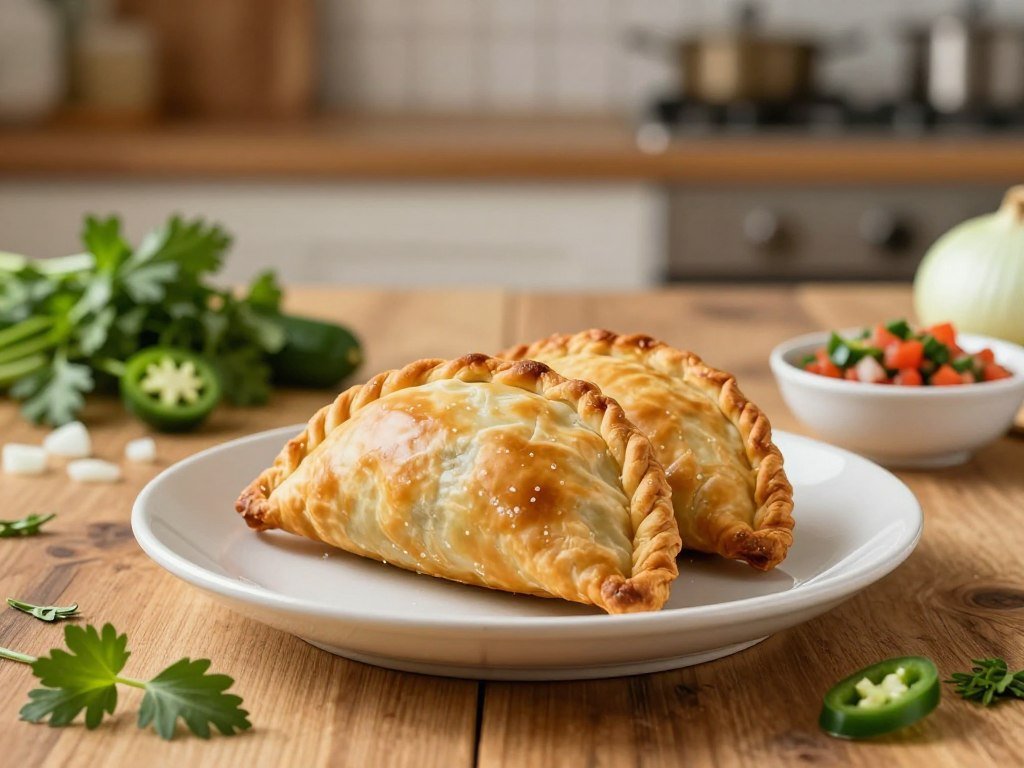
A craving for cazón calls for a more specific restaurant check than a general empanada craving. That detail matters because nearby restaurants may list shrimp, chicken, or other seafood instead. A broad seafood label does not tell you which fish fills the pastry.
The seven places in this guide span Chicago, New York, and Miami. They offer useful empanada alternatives, not confirmed cazón orders. Use them as leads for regional styles, plant-based choices, or seafood flavor, then ask about the exact filling.
A quick call can save a trip. Ask whether the restaurant has the fish filling today, and whether it prepares the pastry in a Venezuelan style. Menu wording can be brief, while a staff member can often clarify what is inside.
You can also use the local search steps below to narrow down nearby restaurants before calling. The goal is a pastry with the flavor you want, not just a name that sounds close. Treat a listed empanada as a starting point, then confirm the filling directly before making a trip.
Key Takeaways
- Cazón is a specific fish filling, not a general term for seafood.
- Venezuelan empanadas commonly use corn dough and a fried shell.
- The seven named places are empanada options, not confirmed cazón sellers.
- Ask the restaurant to name the fish inside the pastry.
- Two empanadas usually make a light meal for many adults.
What Is Cazón in Venezuelan Empanadas?
Cazón is a small shark traditionally used as an empanada filling in eastern Venezuela. It gives the pastry a specific coastal identity, rather than the broad taste of an unspecified seafood mixture. Cooks season the fish before tucking it into dough.
Cazón is a named fish, not a catchall word for seafood. That distinction helps when a menu lists several fillings. Shrimp, for example, is a separate choice, while “fish” leaves the species unclear.
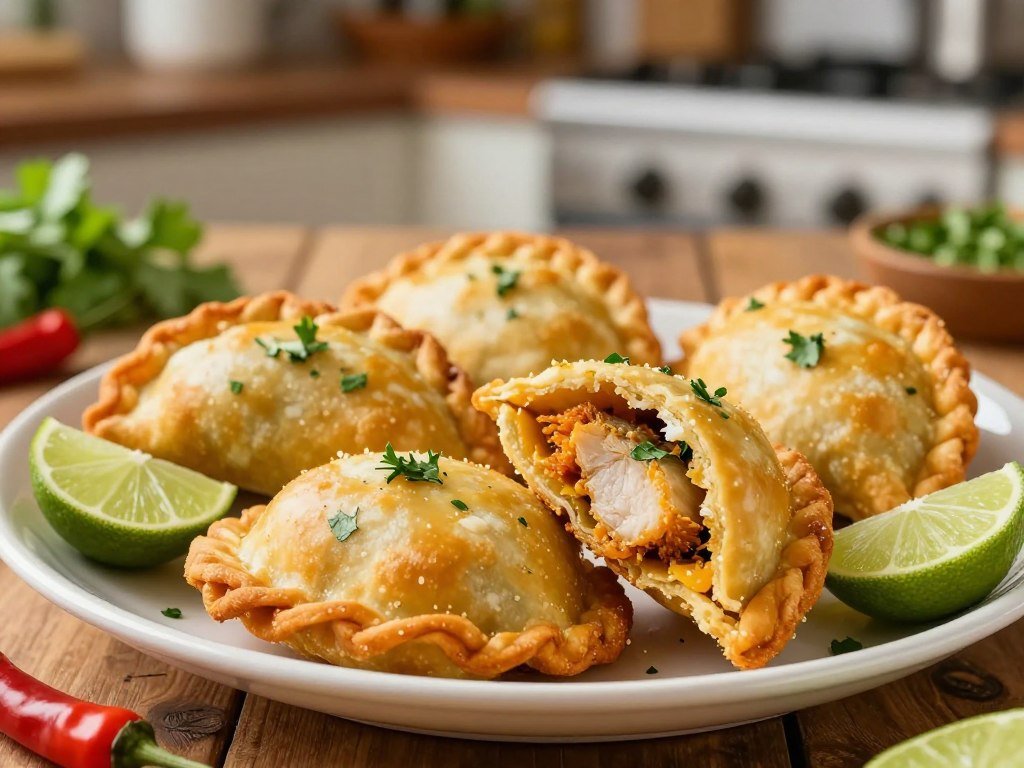
Cazón’s place in eastern Venezuelan cooking
Coastal communities in eastern Venezuela have a long food tradition shaped by access to fish. Cazón empanadas fit that setting as a familiar way to serve a savory fish filling in a portable pastry. They can work as a quick meal or snack.
The regional link does not mean every Venezuelan empanada contains this fish. Menus may offer meat, cheese, chicken, or other fillings instead. A regional style tells you something about the pastry, but the filling still needs its own name.
When a restaurant uses the word “cazón,” it points to a more precise choice than a general seafood label. Cazón is a small shark used as a traditional empanada filling. That name is useful when you want the fish itself, rather than simply a coastal flavor.
Why Margarita is closely associated with the filling
Margarita and other coastal towns are closely associated with cazón empanadas. The island’s coastal food culture helps explain why this filling appears so often in descriptions of eastern Venezuelan cooking. A menu may reflect that tradition even outside the region.
That association is cultural, not a guarantee about any one restaurant’s current menu. A shop can serve Venezuelan food without offering every regional specialty. You may see “Margarita-style” or “coastal” language, but the exact fish name is still the clearest sign.
A menu describing only “seafood” does not tell you whether the filling is cazón.
Restaurants may also use local names or spellings that differ from what you expect. Ask staff to say which fish they use, especially when the menu groups several choices under one heading. That small detail can prevent a disappointing first bite.
How Are Venezuelan Cazón Empanadas Made?
A traditional Venezuelan empanada pairs a deep-fried corn shell with a seasoned filling. Its pre-cooked corn flour gives the dough a different base from wheat pastry. The cook forms that dough around the fish before frying it.
The usual shape is a half-moon, and the shell is deep-fried. Inside, a sofrito adds savory flavor to the fish. Sofrito is a sautéed mixture of aromatics used as the flavorful base of a filling.
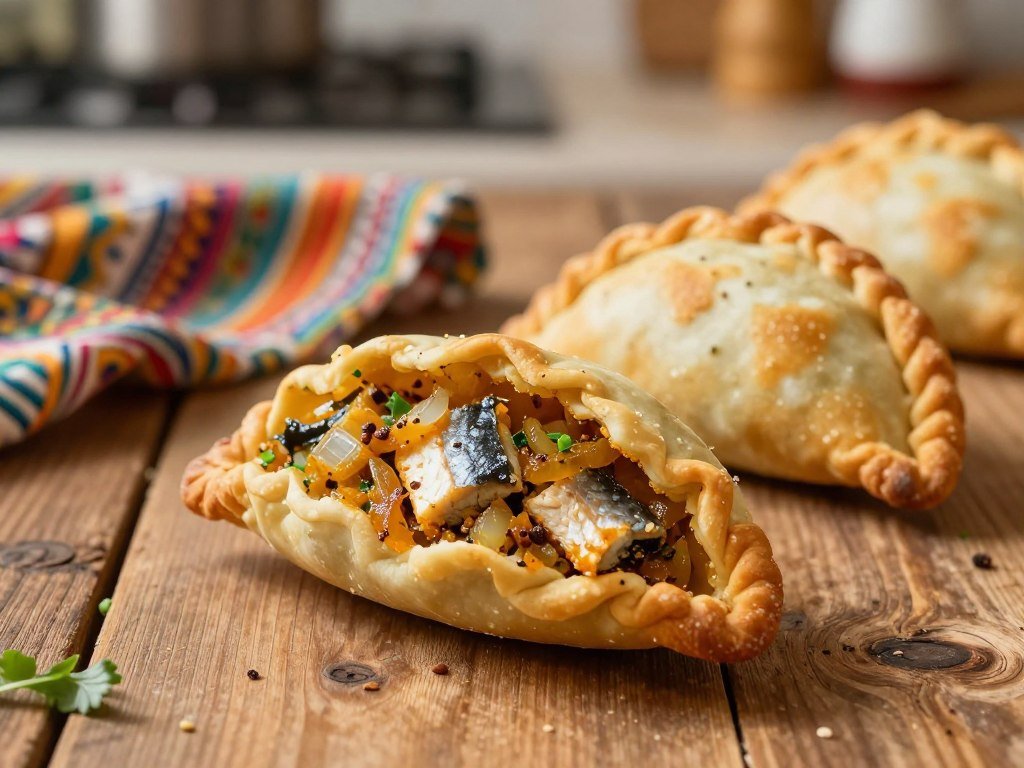
The pre-cooked corn flour shell
Pre-cooked corn flour is mixed with water to make a soft dough that can be shaped by hand. The cook flattens a portion, adds filling, and folds the dough over it. Pressing the edges closed helps keep the filling inside as it cooks.
The folded pastry forms a half-moon. A deep fryer or pot of hot oil gives the outside a crisp shell and cooks the dough through. Venezuelan empanadas use pre-cooked corn flour and are commonly deep-fried.
The texture is not the same as a flaky wheat crust. Corn dough tends to form a firm, crisp outside around a softer center. Each cook may adjust the thickness, shape, or seasoning, so the final pastry can vary.
The aromatic sofrito filling
A traditional cazón sofrito can include onion, bell pepper, sweet peppers, leeks, green onion, and garlic. These aromatics are sautéed before the fish is mixed in. The result gives the filling layers of flavor instead of a plain piece of fish.
Cumin adds a warm, earthy note. Achiote oil contributes color and a mild, savory taste. Some cooks may change the balance of seasonings or prepare a simpler filling, so this describes a traditional approach, not a rule for every kitchen.
The fish and aromatics need to be combined so each bite carries both. A little sauce may be served on the side, but the sofrito belongs inside the pastry. The cumin and achiote oil help distinguish this filling from a plain fish mixture.
How Does the Venezuelan Style Differ From Other Empanadas?
The quickest distinction is the shell: the Venezuelan version is corn-based and fried, while the cited Chilean and Argentine examples are baked. That cooking method can change the pastry’s texture as much as the filling does.
A regional label does not tell you exactly what sits inside each pastry. A menu may list several fillings under one style, so check the specific item before ordering. The table compares common details from these examples.
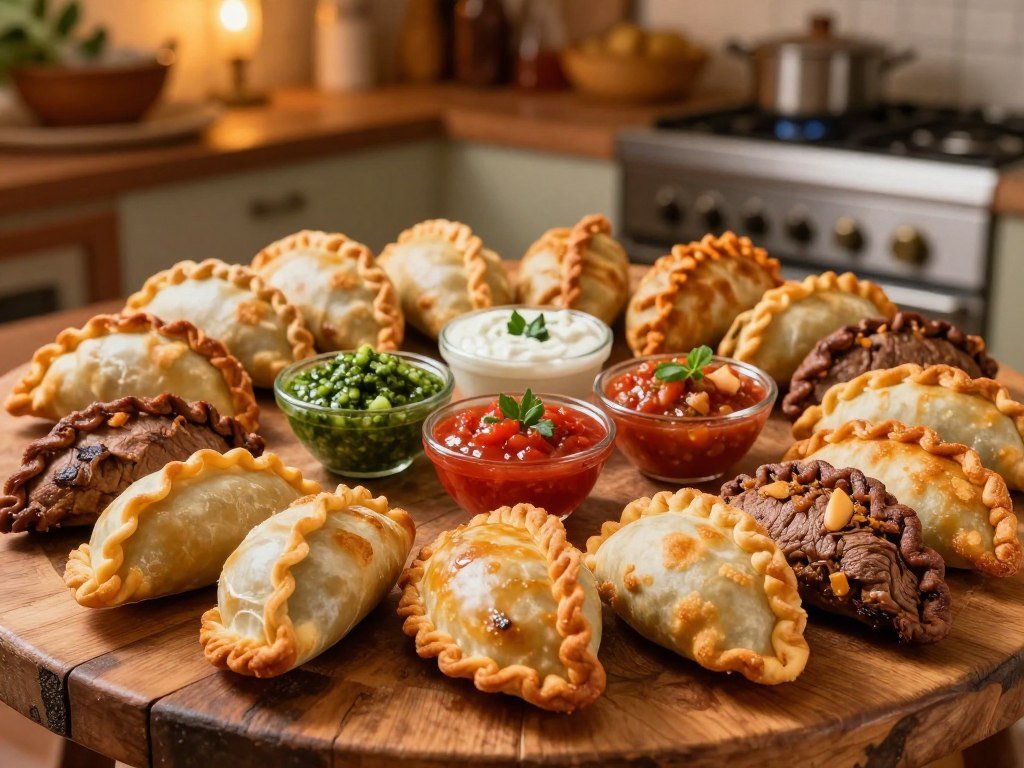
| Empanada style | Dough or cooking method | Filling example |
|---|---|---|
| Venezuelan | Pre-cooked corn flour, deep-fried | Cazón |
| Chilean | Baked fresh | Beef pino or spinach and cheese |
| Argentine | Traditionally baked | Chicken or grilled beef |
Chilean-style empanadas at Forgotten Bakery are baked fresh. Beef pino is a savory meat filling, while spinach and cheese offer a meat-free choice. Those options show how one regional style can cover more than one taste.
El Gauchito’s Argentine empanadas are traditionally baked, with savory chicken or grilled beef among the fillings. The baked shell differs from the Venezuelan fried corn dough. That contrast can help you spot a style, but it cannot identify every ingredient.
“Empanada” covers many regional variations across Latin America and beyond. Some versions use wheat dough, while others use corn-based dough. Both baked and fried pastries can have savory fillings, including beef, chicken, or cheese.
The name of a country or region is a helpful clue, not proof of the contents. A Venezuelan label does not promise a cazón filling, just as a seafood label does not name the fish. Check both the cooking style and the named filling before deciding that a menu matches the Venezuelan version.
Best Empanadas De Cazón Near Me: What Should You Check First?
A menu for the best empanadas de cazón near me should name cazón explicitly and let you confirm the preparation. That specific word separates a known fish filling from a general seafood choice.
Ask whether the filling is cazón and whether it is prepared in a Venezuelan style. A menu may include one detail but not the other. A short call can clear up both before you travel.
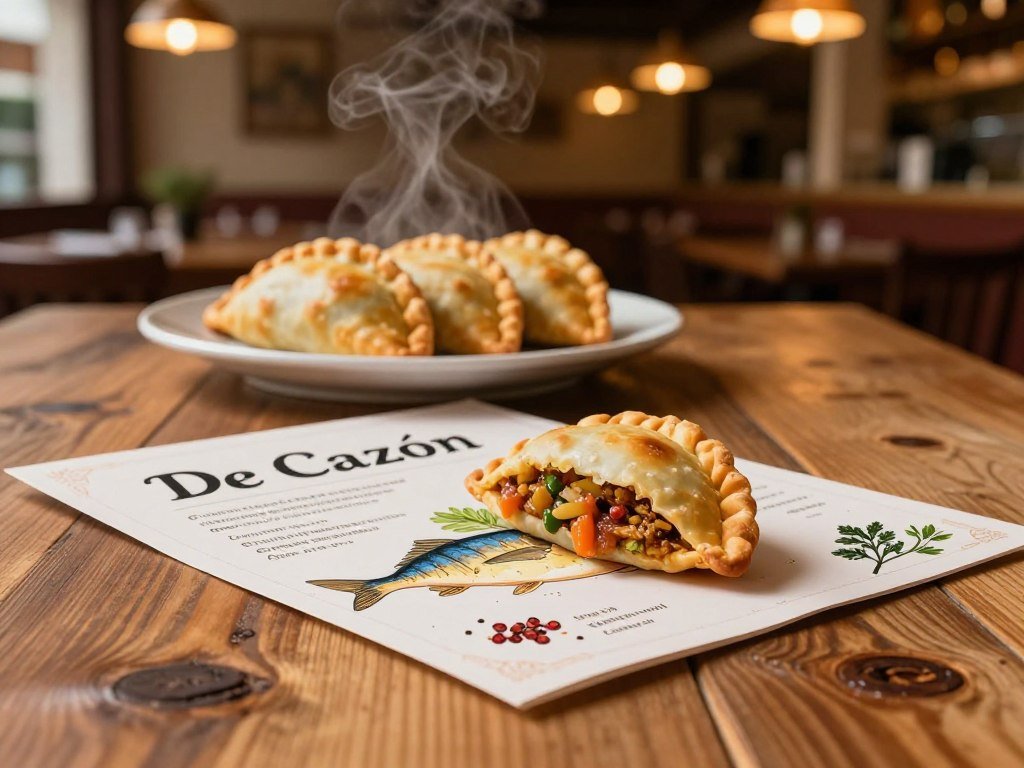
A menu that says “shrimp” names a different filling. “Fish” may describe several species, while “seafood” could refer to a mixture or a single item. Neither word confirms that the pastry contains cazón.
Look closely at the item description rather than relying on a restaurant’s general cuisine label. A Venezuelan restaurant may make many kinds of empanadas, and cazón is only one traditional option. Eastern coastal Venezuela and Margarita are strongly associated with this fish filling.
When the menu does not spell out the fish, ask a direct question instead of guessing from a photo or short description. You can also ask whether the item is available that day, since restaurants may change their offerings. Keep the call focused on the filling and preparation.
Check whether the restaurant uses the word cazón for the fish, not just for a style or sauce. If staff use a different name, ask what fish it means. Ask the restaurant to confirm both the fish and the filling before ordering.
Which Chicago Empanada Spots Are Worth Checking?
Rica Arepa is the first Chicago stop to check for Venezuelan-style empanadas, while Fons is the plant-based choice. Rica Arepa is the closer regional-style lead, though neither spot is confirmed as a cazón seller.
Both places offer other empanada options, so do not assume either has cazón. Their menus may still suit your plans if you want corn-based or meat-free choices.
- Rica Arepa, 4253 W Armitage Ave, Chicago: It makes nearly 25 empanadas to order until 3 p.m. Options include ham and cheese, sweet plantain, shrimp, and pabellon. Pabellon is a savory combination that makes this the more relevant regional-style lead.
- Fons, 32 E Randolph St, Chicago: Its empanadas are meat- and dairy-free. Fons makes its own vegan cheese and uses jackfruit as a meat substitute, which can suit you if you avoid animal products.
Rica Arepa’s range gives you several different flavors in one stop. Ham and cheese is familiar and savory, while sweet plantain brings a sweeter note. Shrimp gives you a seafood option, but it is not the same as a named shark filling.
The made-to-order format at Rica Arepa can be useful when you want a fresh pastry. Its stated service window ends at 3 p.m., so plan your visit around that detail. A long list of empanadas still does not mean every filling is available each day.
Fons offers a different kind of choice. Homemade vegan cheese and jackfruit let the shop make plant-based versions with familiar savory textures. Those details may help if you are choosing for a group with different food preferences.
Neither restaurant’s listed details confirm a cazón empanada. A regional style or a seafood option is not enough to establish the fish inside. Call ahead and name cazón rather than relying on a broad seafood or vegan-menu description.
Where Can You Find Regional Empanadas in New York?
New York offers a Colombian-style stop in Corona and a Bolivian salteña option in Sunnyside. These are regional alternatives, not confirmed cazón empanadas.
A salteña is a distinct Bolivian pastry variant, not simply another name for a Venezuelan empanada. The filling and pastry style can differ, even when both are handheld savory pastries.
- Empanadas Cafe, 5627 Van Doren St, Corona: This Colombian-style restaurant has operated for over 20 years. Its regional focus makes it a useful stop if you want Colombian food and empanadas, but it does not confirm a cazón filling.
- Bolivian Llama Party, 44-14 48th Ave, Sunnyside: It offers chicken or beef salteñas, including frozen dozens. The frozen option can help when you want to take a larger batch home.
Empanadas Cafe gives Corona diners a long-running Colombian-style option. Colombian empanadas can differ from Venezuelan ones in dough, shape, or cooking method. A shared pastry name does not make their recipes identical.
Bolivian Llama Party offers salteñas with chicken or beef. The pastry is a Bolivian variant with its own style, so it should not be treated as a Venezuelan cazón empanada. A frozen dozen is a separate buying option, not a sign of a different filling.
These places make sense when you want to compare regional pastries or choose a filling you already know. Beef and chicken are distinct from fish, even when the shell looks similar. The filling name matters more than the restaurant’s general category.
A neighborhood’s regional food scene can offer plenty of pastry choices without carrying every specialty. Ask about the exact filling even when the restaurant’s regional style sounds like a close match.
Which Miami Empanadas Offer Seafood or Chicken?
Miami’s three useful alternatives range from a crispy shrimp filling to two different chicken combinations. They offer seafood or chicken, not listed cazón options.
Shrimp and chicken are separate fillings from cazón. The table names each restaurant’s stated option, so you can compare the flavor and preparation without mixing up the fish.
| Restaurant and address | Named filling | Distinguishing detail |
|---|---|---|
| La Camaronera, 1952 W Flagler St | Shrimp | Crispy preparation |
| Empanada Harry’s, 4009 SW 152nd Ave | Chipotle chicken | Baked dough |
| Pollo Campero, 2800 SW 8th St | Pulled chicken | Roasted corn, peppers, onion, and Monterey Jack cheese |
La Camaronera is the seafood choice in this group. Its crispy shrimp empanada gives you a clear seafood flavor, but shrimp is a shellfish filling rather than the fish used in cazón pastries.
Empanada Harry’s has a baked chipotle chicken empanada. Chipotle brings a smoky, spicy flavor, while the baked dough differs from a deep-fried shell. It can suit you if you want chicken without a fried pastry.
Pollo Campero’s pulled chicken empanada pairs the meat with roasted corn, peppers, onion, and Monterey Jack cheese. Those ingredients make a fuller, savory combination. It differs from the simpler shrimp option and from the chipotle-seasoned chicken pastry.
These three choices show how much the filling can change the taste of an empanada. The word “seafood” alone still does not identify the fish species. Choose the shrimp option for seafood flavor, but ask specifically about cazón if that is the filling you want.
How Can You Find Empanadas Near You?
Start with nearby Venezuelan restaurants, then narrow the results by the word cazón. A regional term can make empanadas near me results more useful than a broad search for food near me.
Use map and review listings to find restaurants, then check the restaurant’s own menu or call. Search results can point you toward a place, but they do not prove that a certain filling is available.
- Search for Venezuelan restaurants nearby.
- Combine your location with “cazón” or “Venezuelan empanada.”
- Compare menu descriptions for a named fish filling.
- Call the restaurant to confirm the filling.
| Tool | Useful input | What to verify |
|---|---|---|
| Google Maps | Venezuelan restaurants near your location | Restaurant name and current menu |
| Yelp | Empanada spots and Venezuelan food | Named filling, not just a seafood label |
| Restaurant menu or phone call | “Do you have cazón empanadas?” | Fish used and current availability |
Google Maps and Yelp can help you find Spanish or Venezuelan restaurants close to home. Add “cazón” or “Venezuelan empanada” to narrow the results. A search for food near me becomes more useful when you filter for Venezuelan restaurants and specific menu terms.
Review listings may show photos, short descriptions, or customer comments. Those details can help you judge whether a place serves empanadas, but menus change. Treat a listing as a lead, not as a promise about one filling.
The restaurant’s own menu is a better place to look for exact wording. A menu that names the fish gives you more useful detail than a general category. If the wording stays broad, a staff member can answer directly.
Google Maps and Yelp are useful for the first step, while a restaurant’s own menu or phone line can clarify the item. A direct call is the strongest check when a menu uses only a broad seafood label.
Are Two Empanadas Enough for a Meal?
Two empanadas usually make a light meal, though a large, rich filling can make one pastry feel substantial. For many adults, two is a practical starting point between a snack and a full dinner.
One empanada can work as a snack, while two usually make a light meal. Size, filling, and appetite affect how filling an order feels, so use the pastry itself as your guide.
- One pastry can suit a small snack or a light bite.
- Two usually make a light meal for many adults.
- A larger pastry or dense meat filling may feel more filling.
- A side dish can change how much food you want.
A large empanada with ground beef, shredded beef, or a rich cheese filling may feel heavier than a small pastry. Meat fillings can be dense, especially when they include several savory ingredients. That can make one pastry more satisfying than its size suggests.
A vegetable filling, such as spinach, may feel lighter to some diners. Cheese can add richness, so a spinach-and-cheese pastry may feel more substantial than spinach alone. Cooking style and pastry size also affect the overall bite.
Side dishes change the meal, too. A salad, beans, or another substantial side can make one or two pastries enough. Without a side, you may want more, especially after a long day or if the empanadas are small.
Appetite differs from person to person, so the rule of thumb is a starting point rather than a strict portion size. If you are ordering for a group, a mix of fillings can make sharing easier. If you are unsure, order two first and add another only if your appetite calls for it.
Which Fillings Make Good Alternatives to Cazón?
Shrimp is the closest broad flavor category, but it is not a substitute name for cazón. It is a different filling, even though both choices come from the sea.
Choose an alternative by its ingredients and taste, not by a broad category. Beef, chicken, spinach, and cheese each offer a different direction when the fish filling is not available.
| Filling direction | Example ingredients | What it offers |
|---|---|---|
| Seafood | Shrimp and cheese | Seafood flavor without claiming it is cazón |
| Meat | Beef or chicken | A heartier savory option |
| Vegetarian | Spinach and cheese | A meat-free option |
Shrimp brings a sweet, briny flavor that can satisfy a seafood craving. It does not tell you which fish a restaurant uses, because shrimp is not a fish. A seafood category may also include more than one ingredient.
Beef and chicken bring familiar, savory flavors. Ground beef can make a hearty filling, while chicken can be seasoned in many ways. These options work when you want meat but do not need a seafood taste.
Spinach and cheese are useful choices if you avoid meat. Cheese adds a creamy, salty note, while spinach gives the filling an earthy taste. Check whether the pastry also includes other ingredients if you have food limits.
A filling’s category does not identify the fish species. A restaurant can offer seafood empanadas without serving cazón, and a cheese or vegetable filling may better suit diners avoiding seafood. Choose by the filling you actually want, not just by a restaurant’s regional label.
Can You Make a Cazón-Style Empanada at Home?
At home, firm white fish can stand in for cazón when the traditional fish is unavailable. Cod or tilapia can work as substitutes, though the flavor and texture will differ.
Use a food thermometer and cook fish to an internal temperature of 145°F. The substitute can make a satisfying pastry, but it is an inspired version rather than an exact match.
Choosing cazón or another firm fish
If you can buy cazón, use it for the most traditional flavor. If not, cod or tilapia can stand in because each has firm white flesh. The fish may taste milder or feel different once cooked.
Choose a fresh or properly thawed piece that holds together when handled. Remove any bones before preparing the filling. Keep the fish chilled until you are ready to cook it.
A substitute is useful when the traditional fish is hard to find, but it changes the result. Cod and tilapia do not have the same flavor as cazón. Their texture can also vary with the cut and cooking method.
Cooking the filling and assembling the pastry
Cook the fish with a sautéed base of aromatics and seasonings until it flakes easily. Break it into small pieces and stir it through the mixture. Avoid adding so much liquid that the filling becomes difficult to seal inside the dough.
Prepare pre-cooked corn flour dough according to its package directions. Flatten a portion, add a modest amount of filling, and fold it into a half-moon. Press the edges firmly so the pastry stays closed during cooking.
Cook the empanada until the shell is crisp and the filling is hot. Check the center of the fish with a food thermometer. The recommended fish temperature is 145°F, which helps you confirm that it has cooked safely.
Let the pastry cool briefly before eating, since the filling can stay hot after the shell comes from the pan. Serve it with a sauce on the side if you like. Check the fish with a food thermometer and treat a substitute as an inspired version, not an exact match.
What Sauces Pair Well With Empanadas?
A bright, garlicky sauce can add contrast to a fried empanada without hiding its filling. Fresh herbs can lift a rich shell, while a hot sauce adds a sharper kick.
Start with a small taste so the sauce does not overpower a mild filling. There is no single required pairing; your choice depends on how much heat and richness you enjoy.
Fresh, herb-forward sauces
Chimichurri is an herb-and-garlic sauce commonly served with empanadas. Its fresh, savory taste can balance a fried shell and a rich meat filling. A garlicky chimichurri may be bold, so use enough to add flavor without covering the pastry.
Cilantro-based green sauce is another familiar choice. It can taste fresh and bright, with heat that depends on the recipe. A green sauce may suit chicken, cheese, or fish, but each cook blends herbs and peppers differently.
Herb sauces add moisture as well as flavor. A small spoonful can make a crisp pastry easier to enjoy without making the shell soggy. Keep extra sauce on the side if you want to control each bite.
Hot sauces and richer dips
Hot sauce gives a direct hit of heat and acidity. It can bring out the savory taste of beef or chicken, while a very hot sauce may overwhelm a mild fish filling. Taste the sauce before adding much.
Creamy dips offer a softer contrast. Their rich texture can pair well with crisp dough, though a heavy dip may compete with a cheese filling. If your empanada already has rich ingredients, a sharper sauce may feel more balanced.
Try a mild sauce with a delicate fish filling and a bolder one with a hearty meat pastry. These are preferences, not rules, and the same sauce can taste different with another filling. The fish should remain clear in each bite.
Taste a small amount of sauce first, especially with a delicately seasoned fish filling.
A sauce can change the whole bite, so add it gradually. You can always put more on your plate, but removing a very hot or garlicky sauce is harder. Taste a small amount of sauce first, especially with a delicately seasoned fish filling.
Conclusion
Cazón is worth seeking out for its particular Venezuelan coastal character, not simply because it is a seafood pastry. A shrimp or fish empanada may taste good, but it does not automatically contain the same filling.
For a clear answer, call a nearby Venezuelan restaurant and ask whether its current menu includes cazón. Naming the fish directly is the quickest way to avoid guessing from a broad menu label. Call one nearby Venezuelan restaurant and ask directly whether its current menu includes cazón.
FAQ
What is cazón in Venezuelan food?
Cazón is a small shark traditionally used as an empanada filling, especially in eastern coastal Venezuela. The name points to a particular fish, not a general seafood mix. Coastal food traditions helped make the filling well known, including around Margarita. When a menu says only “seafood,” the word does not tell you whether it uses cazón or another ingredient.
Are Venezuelan cazón empanadas baked or fried?
Traditional Venezuelan cazón empanadas are deep-fried. Their dough uses pre-cooked corn flour, which the cook shapes around the filling into a half-moon. The corn shell has a different texture from flaky wheat pastry. Individual cooks may change details, but a fried corn-dough shell is the common style described for this preparation.
Is shrimp empanada the same as cazón empanada?
No. Shrimp is a different seafood filling, while cazón refers to a small shark. A menu that lists shrimp does not indicate that the restaurant also serves cazón. “Fish” and “seafood” are broader labels, too, and may not name the species. Ask for the fish by name when the exact filling matters to you.
What should I ask a restaurant before ordering cazón?
Ask whether the filling is cazón and whether the restaurant prepares it in a Venezuelan style. If staff describe the item as fish or seafood, ask which fish they use. You can also ask whether the empanada is available that day. Those details help you distinguish a named filling from a general menu category before placing your order.
Can I substitute cod for cazón in a homemade empanada?
Yes, firm white fish such as cod can work as a home substitute for cazón. Tilapia is another option with firm flesh. The result will not taste or feel exactly the same as the traditional fish. Cook fish to 145°F inside, measured with a food thermometer, then use it in a seasoned filling.
How many empanadas make a meal?
Two empanadas usually make a light meal for many adults, while one can work as a snack. A large pastry or dense filling, such as ground beef, may feel more filling than a smaller vegetable option. Side dishes and appetite also affect the choice. Start with two if you are unsure, then decide whether you want another.



