Small manufacturers run on thin margins and tight schedules. A good ERP system replaces the spreadsheets, whiteboards and disconnected apps most small factories still rely on, putting quotes, orders, inventory, production and invoicing into one shared record everyone can trust.
The market has shifted in the last two years. Cloud ERP built for small teams is now genuinely affordable, with entry plans aimed at shops of 5 to 50 people rather than enterprises with whole IT departments. At the same time, the cheapest option is rarely the one that understands bills of material, work orders and shop-floor scheduling.
This guide compares the eight ERP systems that fit small manufacturers best in 2027, based on production planning, inventory, costing and ease of use. Every system here is in active use by small factories.
Key takeaways
- Small manufacturers need production planning, inventory and costing in one system, not a generic accounting tool.
- Cloud ERP now starts at prices small shops can afford, but implementation and training matter more than the monthly fee.
- Katana and MRPeasy suit the smallest shops best, while Odoo and Acumatica scale further.
- Accurate bills of material and real-time stock levels decide whether an ERP actually saves time.
- Always trial with your own products and orders before signing, because demo data hides the awkward parts.
What small manufacturers actually need from an ERP
An ERP system for a small manufacturer is not the same product as an ERP for a distributor or a services firm. The core job is turning a customer order into a finished product without losing track of materials, time or money. That means the system has to understand what goes into each product, how long each step takes, and what is on the shelves right now.
The bill of material is where most generic systems fall down. A small manufacturer needs multi-level bills of material showing every component and subassembly, with versions that change when a design changes. If it cannot say which parts a batch of 200 units will consume, it cannot promise a delivery date or warn you before a critical component runs out.
Production scheduling is the second test. A useful ERP shows open work orders, their status on the floor, and which jobs are waiting on materials or machines. The best inventory management software for manufacturers covers the stock side well, but an ERP goes further by connecting that stock to live production and sales orders in the same screen.
Costing is the third test. A small manufacturer needs the true cost of each job: materials at actual prices, labour hours logged against work orders, and overhead allocated sensibly. Without that, quoting is guesswork, and the jobs that look profitable are often the ones quietly losing money. The system must also be usable on the floor: if operators need a manual to log a finished batch, they will not log it.
How the best ERP systems work in a small shop
A modern cloud ERP works as a single shared record. A sales order comes in, the system checks stock, reserves materials, creates a work order, and schedules it against available capacity. As operators log each step, stock levels, job costs and delivery dates update immediately for everyone else.
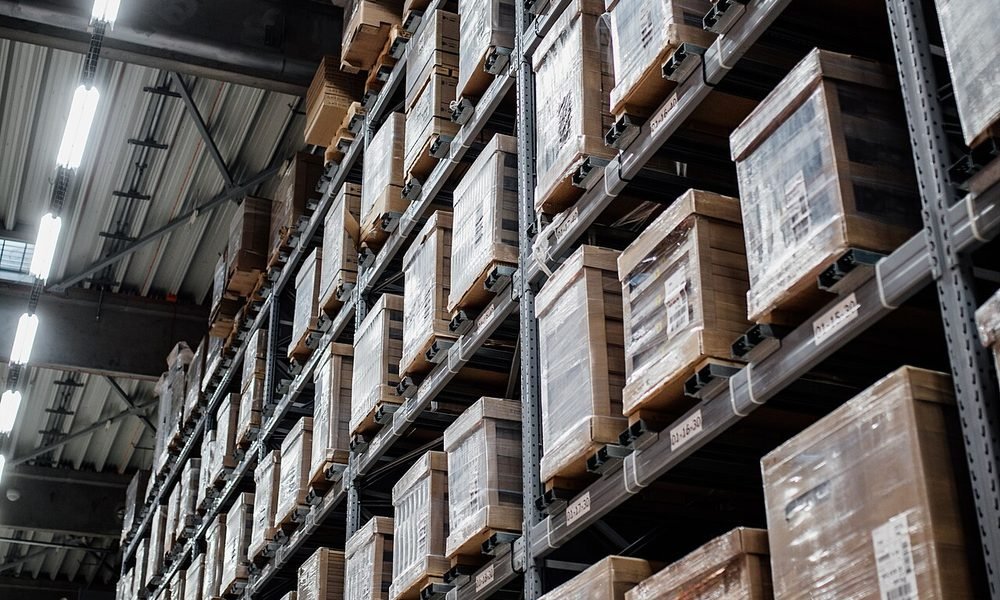
The practical difference is that nobody retypes anything. The quote becomes the sales order, the sales order becomes the work order, the work order consumes the stock, and the shipment becomes the invoice. Each step inherits the data from the one before it, which removes the typing errors that caused wrong shipments and mismatched stock counts.
Most systems in this guide also connect directly to the tools a small shop already uses: accounting, e-commerce and shipping. These integrations matter more than any single feature. Implementation is lighter than it used to be: a small shop can usually be live in two to six weeks, starting with inventory and sales orders, then adding production scheduling once the stock data is clean.
The eight best ERP systems for small manufacturers in 2027
1. Katana
Katana is built specifically for small manufacturers: production sits at the centre of the product rather than as an add-on. Inventory, production planning and sales orders share one clean interface, and the visual schedule makes it obvious which jobs are on track and which are waiting on materials. It handles multi-level bills of material, batch tracking and real-time stock well, and connects to common e-commerce and accounting tools. It suits shops of 5 to 20 people best.
2. MRPeasy
MRPeasy is a cloud MRP and ERP tool for manufacturers with 10 to 200 employees, and one of the strongest options for shops that want proper production planning without enterprise complexity. It covers bills of material, production scheduling, stock control, purchasing and CRM, and its forecasting helps small teams order materials before they run out. The interface is practical rather than pretty, but most teams are productive within a couple of weeks.
3. Odoo
Odoo is modular: a small manufacturer starts with the manufacturing, inventory and sales apps it needs, then adds more as the business grows. The manufacturing module handles bills of material, work orders, routings and shop-floor control, and the wider app library covers quality checks, maintenance and HR. The open-source core keeps entry costs low, but Odoo rewards teams willing to configure it, and setup can be slower than with Katana or MRPeasy.
4. NetSuite
NetSuite is the enterprise option here, and small manufacturers with serious growth plans often land on it. It combines ERP, CRM and e-commerce in one cloud platform, with strong financials, multi-location inventory and demand planning that smaller tools cannot match. The downside is cost and complexity: implementation takes longer, usually needs a partner, and per-user pricing is the highest here.
5. SAP Business One
SAP Business One is SAP’s product for small and mid-sized companies, and a solid choice for manufacturers needing strong financial controls alongside production. It covers inventory, production orders, bills of material, purchasing and sales in one package, and its reporting is stronger than most tools at this size. It is sold through partners who handle implementation, which helps shops without in-house IT, though costs vary.
6. Acumatica
Acumatica is a cloud ERP that charges by resources used rather than by user, which makes it unusually affordable for manufacturers with many shop-floor staff who only need occasional access. Its manufacturing edition covers bills of material, production orders, scheduling, estimating and shop-floor data collection. It is a good middle ground for manufacturers outgrowing the smallest tools but not ready for NetSuite pricing.
7. Syspro
Syspro has served manufacturers for decades, and its depth in production, inventory and costing reflects that. It handles complex bills of material, lot and serial tracking, quality management and multi-warehouse stock, and it is particularly strong in regulated industries where traceability matters. The system can run in the cloud or on-premises, though the interface is more traditional than the newer cloud tools.
8. Fishbowl
Fishbowl is the most affordable entry point here, and it works best for very small manufacturers that mainly need inventory and light manufacturing control alongside QuickBooks. It handles bills of material, work orders, barcode scanning and multi-location stock, and integrates tightly with QuickBooks. It is not a full ERP in the NetSuite sense, and larger shops will hit its limits, but for a team of under 15 people leaving spreadsheets behind, it is a practical first step.
The caveats that matter
No ERP fits every manufacturer, and the honest differences between these systems matter more than any ranking. The table below summarises what is known about each option.
| Detail | What is known |
|---|---|
| Best for the smallest shops | Katana and Fishbowl are the easiest to adopt for teams under 20 people |
| Best production planning depth | MRPeasy and Syspro offer the most complete scheduling and MRP features |
| Best for fast growth | Odoo and Acumatica scale from a small team to a mid-sized operation |
| Best financial control | NetSuite and SAP Business One have the strongest accounting and reporting |
| Pricing model | Most charge per user per month; Acumatica charges by resources used instead |
| Typical go-live time | Two to six weeks for small shops; longer for NetSuite and SAP Business One |
| Biggest risk | Dirty stock data carried into the new system, which undermines every report |
| What to test first | Your own bills of material and a real order, run end to end in the trial |
Pricing deserves a specific warning: vendors change prices often, and the headline monthly figure rarely includes implementation, training or the add-ons a manufacturer actually needs, so get a written first-year quote before comparing options. The other caveat is that an ERP only works if the data going in is accurate: shops that count stock once a year will get bad schedules and bad costs out of any system. Treat the rollout as a chance to fix the data, with a full stock count and cleaned-up part numbers before go-live. For teams still weighing the stock-control side on its own, the best inventory management software for small businesses is a useful comparison.
Checklist: choosing an ERP honestly
- Check each system handles the bills of material for your five most complex products.
- Run one real order from quote to invoice in the trial.
- Count every user who will touch the system, including shop-floor staff, before comparing prices.
- Ask each vendor for the full first-year cost in writing, including implementation and support.
- Check the system works on the devices your floor uses, including tablets and barcode scanners.
- Confirm how you export your data if you ever leave.
Frequently asked questions
What is ERP software for a small manufacturer?
It is one system connecting sales orders, production, inventory, purchasing and invoicing. For a manufacturer, the key parts are bills of material, work orders, production scheduling and job costing.
How much does ERP software cost for a small manufacturer?
Entry-level cloud ERP typically starts at a modest per-user monthly fee, while fuller platforms cost several times more and usually need paid implementation. Always get a written first-year quote, because add-ons and setup change the total significantly.
Is Katana or MRPeasy better for a small shop?
Katana is easier to learn and suits very small teams. MRPeasy offers deeper production planning and forecasting, which suits shops with more complex scheduling needs.
Can a small manufacturer use Odoo for free?
Odoo has an open-source community edition that can be self-hosted without licence fees, but most small manufacturers pay for hosting, support or the enterprise edition, and the free edition still needs time or help to configure.
How long does it take to implement ERP in a small factory?
Most small shops go live in two to six weeks. Larger platforms and messy stock data stretch that to several months.
Do I need ERP, or is inventory software enough?
If the main problem is knowing what is in stock, inventory software may be enough. If orders, production, purchasing and costing are also disconnected, an ERP is the better investment. The best AI tools for supply chain analytics can add forecasting on top of either option once the core data is reliable.
The bottom line
For most small manufacturers in 2027, Katana or MRPeasy is the right starting point: both understand production properly, both are affordable, and both can be live within weeks. Odoo and Acumatica suit shops planning to grow well beyond their current size, while NetSuite, SAP Business One and Syspro suit manufacturers needing deeper financial control or complex traceability.
Whichever system is shortlisted, decide on a trial run with real products and real orders. The best ERP for a small manufacturer is not the one with the longest feature list; it is the one the team actually uses every day.
Note: Pricing and features change frequently, so confirm current plans and costs with each vendor before buying.