What if the most important question about a refrigerator isn’t “which brand is best” but “best at what”? A $12,000 built-in column and a $700 top-freezer can both be excellent purchases, and they can both carry a name you recognize. The trouble starts when shoppers compare them as if they compete in the same race.
That is why “best fridge brands” lists so often mislead. A brand that wins on price can lose on service. A brand that wins on features can lose on repair history. This guide breaks the market into the segments that actually matter, explains who owns whom, and shows you how to judge a fridge by the things you can verify: the energy label, the written warranty, and the service network in your own zip code.
Why “Best Fridge Brand” Depends on the Segment You’re Shopping
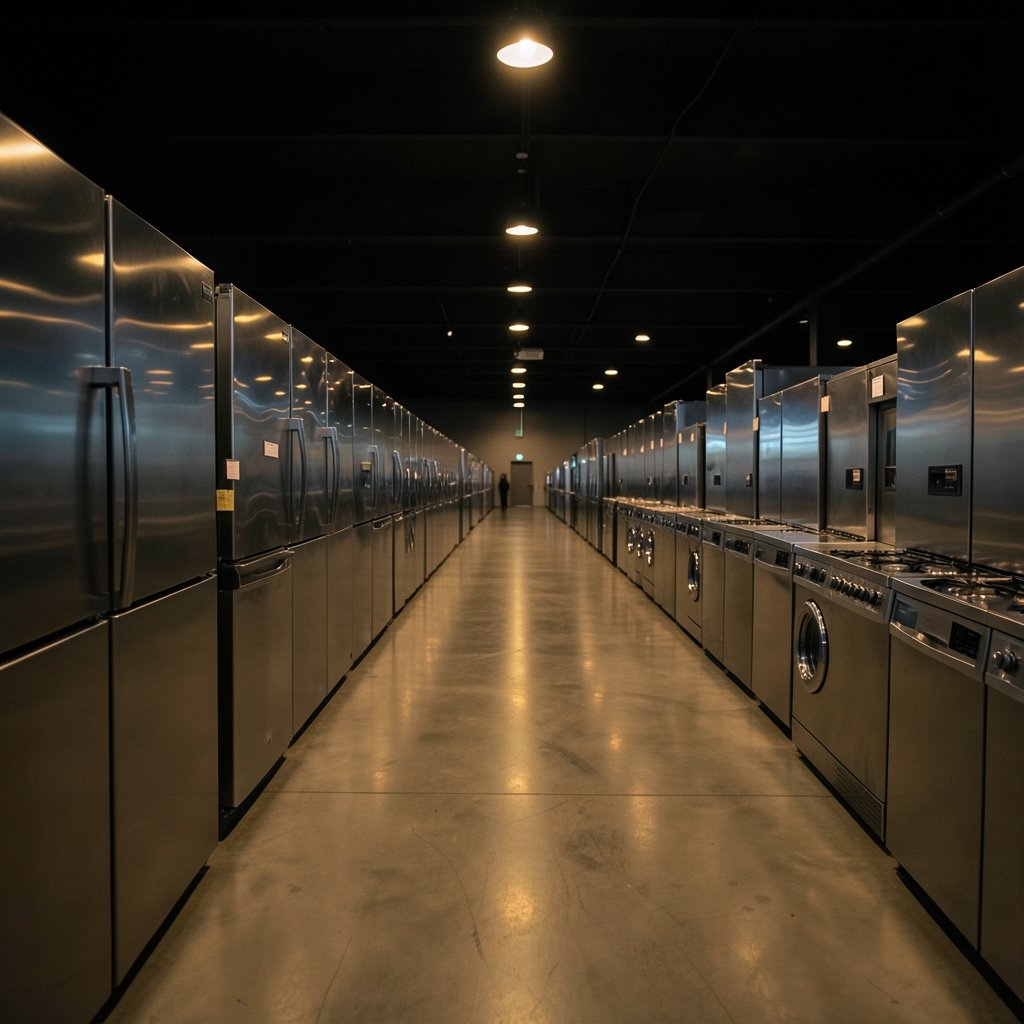
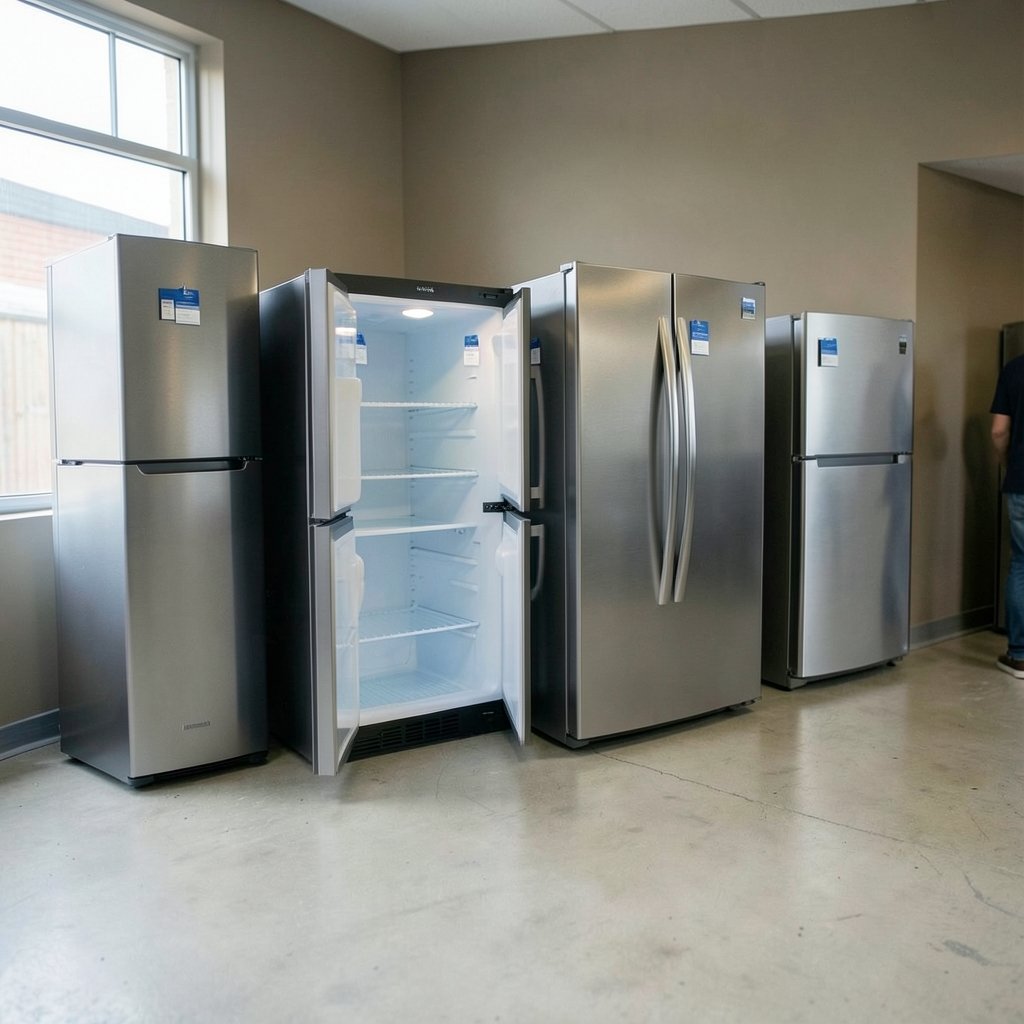
Walk into any appliance showroom and you’ll see four rough tiers. Each has different leaders, different failure modes, and different buyers.
Mass-market brands cover most kitchens: Whirlpool, Frigidaire, GE, Samsung, LG, Maytag, Amana, and similar names. They compete on price, capacity, and features per dollar. Service networks are wide, parts are common, and repairs are usually straightforward.
Premium and built-in brands include Sub-Zero, Thermador, Miele, and JennAir. These are architectural products, often paneled to match cabinetry, and they are sold and serviced through dealer networks rather than big-box floors. Comparing a Sub-Zero to a Samsung on price is meaningless; they are different products for different rooms.
Value and apartment brands fill rentals and starter homes. They prioritize low cost and simple mechanics over styling.
Specialty and niche brands focus on one thing, like quiet operation, off-grid capability, or retro design.
The practical takeaway: decide your segment first, then compare brands inside it. A brand that is mediocre in one tier can be excellent in another.
Who Actually Owns the Brands You’re Comparing
Here’s a fact that surprises many shoppers: the name on the door and the company that builds the fridge are often different. Brand and manufacturer are not the same thing.
| Brand | Parent company | Notes |
|---|---|---|
| Whirlpool, Maytag, KitchenAid, JennAir, Amana | Whirlpool Corporation | One corporate portfolio covering several price tiers |
| Frigidaire | Electrolux | Electrolux acquired the parent company in 1986 |
| GE Appliances | Haier | Haier, based in China, acquired GE Appliances in 2016; GE-branded appliances still sell in the US |
| Samsung | Samsung Electronics | South Korean; major global refrigerator brand |
| LG | LG Electronics | South Korean; major global refrigerator brand |
Why does ownership matter? Two reasons. First, brands under one corporate roof often share compressors, controls, and service infrastructure, so paying more for a badge may not buy different internals. Second, ownership changes over time, and a brand’s reputation can lag years behind its current engineering. Check who owns the brand today, not who owned it when your parents bought their fridge.
This pattern shows up well beyond appliances. A name can carry decades of goodwill while the business behind it shifts entirely, which is exactly the story behind how the Ball watches railroad brand stayed relevant long after its original era. The lesson transfers: reputation is history, and you’re buying the product in front of you.
The Two Labels That Beat Brand Marketing Every Time
If you want an objective comparison axis that ignores logos entirely, use the labels the government requires.
The EnergyGuide label shows estimated yearly energy use and cost for that specific model, based on standardized testing. It lets you compare a Frigidaire against an LG on the same footing. A fridge that costs $80 more upfront but $30 less per year to run pays for itself in under three years.
ENERGY STAR certification marks models that meet a higher efficiency tier than the federal minimum. Federal minimum efficiency standards for refrigerators and freezers were most recently updated effective 2024, which means newer models are meaningfully more efficient than older ones regardless of brand.
A third factor is refrigerant. The phasedown of hydrofluorocarbons under the AIM Act is pushing manufacturers toward lower-impact refrigerants such as isobutane in some markets. This affects model availability and turnover, so a fridge you researched six months ago may already be replaced by a variant with different internals.
Practical tip: photograph the EnergyGuide label in the store. Sales staff rarely volunteer it, and it is the single most comparable number on the floor.
Reliability Rankings: What the Surveys Can and Can’t Tell You
Every “most reliable fridge brand” headline rests on survey data, and survey data has limits. Samples vary, definitions of “failure” vary, and people who had a bad experience are more likely to respond than people who had a fine one. No government dataset ranks refrigerator brands by reliability. Treat any single ranking as one input, not a verdict.
What surveys do consistently suggest is that service experience matters as much as failure rate. A fridge that breaks in year four but gets fixed in two days is a minor annoyance. A fridge that breaks in year four and leaves you waiting three weeks is a crisis. Before buying, call the brand’s service line and see how long you wait. Check whether authorized technicians cover your area. Ask local repair shops which brands they see most and which parts are hardest to source.
Samsung and LG have both faced US class-action litigation over certain refrigerator models, including ice-maker and compressor issues. That does not mean every unit is affected, but it does mean you should check the specific model number, rather than the brand alone, before buying.
Common mistake: buying based on a brand’s reputation from a decade ago. Model lines change, suppliers change, and a well-reviewed 2019 fridge may share almost nothing with the 2025 version on the floor.
Compare the Warranty, Not the Marketing
Warranty terms differ by brand and, crucially, by component. A typical US refrigerator warranty runs about one year of full coverage, with longer coverage on the sealed refrigeration system, often five to ten years depending on the brand.
Read the actual written warranty before purchase, and check three things:
- What the sealed system coverage includes. Parts only, or parts and labor? Parts-only coverage on a compressor still leaves you paying for the repair visit.
- Whether coverage is prorated. Some long warranties shrink in value each year.
- What voids it. Using an unauthorized repair service can void coverage on some brands, which connects to the wider right-to-repair debate. Several US states have enacted right-to-repair laws since 2023, and the FTC has scrutinized repair restrictions, so the rules are shifting in consumers’ favor but remain state-specific.
If you want a brand you can keep alive for fifteen years, favor one with published parts availability and a strong independent repair ecosystem. That is a different question from which brand has the best showroom demo.
How to Judge a Fridge Brand in the Store
You can learn a lot in ten minutes with the right checklist.
Open and close everything. Drawers should glide, not scrape. Doors should seal with a firm, even pull. Cheap hinges announce themselves immediately.
Look at the back and the sides. A brand that hides its condenser coils behind a finished panel is thinking about your kitchen. Exposed coils collect dust and pet hair, which cuts efficiency.
Check the ice maker design. Ice makers are among the most common failure points in French-door refrigerators. Look for a maker mounted in the door or freezer rather than crammed into the fresh-food compartment, where it steals space and warmth.
Ask about parts lead time. A confident salesperson can tell you how fast common parts arrive. If nobody knows, that’s information too.
Search the model number plus “problems” before you buy. Five minutes of reading owner complaints about one specific model beats an hour of brand-level reviews.
This same discipline applies to any big purchase where brand reputation outruns the actual product. It is the thinking behind advice on how to pick e bike brands that fit your life rather than chasing the loudest name, and it holds for appliances.
Where Brand Service Networks Actually Differ
For most households, the deciding factor isn’t the compressor. It’s what happens on the worst day.
Mass-market brands generally have the widest authorized service coverage, which is a real advantage in rural areas. Premium brands often route service through dealers, which can be excellent in metro areas and thin elsewhere. Before you commit, enter your zip code into the brand’s service locator and count how many authorized technicians appear. Zero is a warning.
Also ask whether the brand supports repairs through independent shops or restricts parts to its own network. A brand that sells parts freely is easier to live with for a decade. And check whether the model you want uses common or proprietary control boards; proprietary boards can cost hundreds and take weeks to arrive.
One more practical note: delivery and installation quality varies by retailer as much as by brand. A flawless fridge installed badly, with a kinked water line or a door hung out of level, will perform like a bad fridge. Photograph the delivery, test the ice maker the same day, and note any damage before the truck leaves.
Matching the Brand to Your Actual Kitchen
The best brand for a family of five with a garage overflow freezer is not the best brand for a couple in a small condo.
For a busy family: capacity and service network win. Favor brands with wide technician coverage and simple, proven ice systems. Skip the smart screen.
For a small kitchen: counter-depth and narrow models matter more than brand prestige. Measure the opening, including door swing and hinge clearance, before you fall in love.
For a design-forward renovation: paneled and built-in brands justify their price through integration and, often, longer sealed-system coverage. Budget for dealer-based service.
For a rental or starter home: buy the simplest reliable top-freezer you can find. Fewer features means fewer failures, and the energy savings are real.
The pattern repeats across consumer categories: fit beats fame. It’s the same reason a frugal blogging brand like Money Saving Mom built trust by matching recommendations to real budgets instead of pushing the priciest option.
Conclusion
There is no single best fridge brand, and any list that claims otherwise is selling you a ranking rather than a decision. What exists is a set of brands that are strong in specific segments, at specific prices, with specific service footprints.
Shop in this order: pick your segment, confirm who owns the brand today, compare the EnergyGuide numbers, read the written warranty line by line, and check the service network in your own zip code. Then search the exact model number for owner complaints. Do that, and the logo on the door becomes the least important part of the decision, which is exactly how it should be.
FAQ
Which fridge brand is the most reliable?
No single brand holds that title objectively. Reliability rankings come from surveys with different samples and definitions, and no government dataset ranks brands by failure rate. The stronger approach is to research a specific model number, check its litigation and complaint history, and confirm local service coverage.
Is Samsung or LG better for refrigerators?
Both are major South Korean brands with broad feature ranges, and both have faced US class-action litigation over certain refrigerator models. Rather than choosing between the brands, compare individual models on the EnergyGuide label, ice maker design, warranty terms, and local technician availability.
Who owns the major fridge brands?
Whirlpool Corporation’s portfolio has included Whirlpool, Maytag, KitchenAid, JennAir, and Amana. Electrolux owns Frigidaire, having acquired its parent company in 1986. Haier acquired GE Appliances in 2016, though GE-branded appliances still sell in the US. Ownership shifts over time, so verify before buying.
How long should a refrigerator last?
Most refrigerators are built to run well past a decade, but lifespan depends heavily on the sealed system, installation quality, and airflow around the unit. The written warranty tells you what the manufacturer expects to fail first: full coverage typically runs about a year, while sealed-system coverage often extends five to ten years.
Does a higher price mean a better fridge?
Not across segments. A $3,000 French-door model and a $12,000 built-in column are different products for different kitchens, not better and worse versions of the same thing. Within a segment, price tracks capacity, finish, and features more reliably than it tracks durability.
What should I check before buying a fridge?
Photograph the EnergyGuide label, read the full written warranty including sealed-system terms, confirm authorized service coverage in your zip code, measure your opening including door swing, and search the exact model number for owner complaints. Also ask whether the brand sells parts to independent repair shops.