A great handheld game earns its place by making a short break or a long trip feel like the right time to play. The best gameboy games range from quick puzzles to adventures that can fill many evenings. This list brings together 30 picks from the original Game Boy, Game Boy Color, and Game Boy Advance.
Some games let you start, play a round, and stop without losing your place. Others reward you for exploring at your own pace, so they suit a longer stretch of free time. That difference matters when you want a game to fit a bus ride, a quiet night, or a few spare minutes.
You can use the recommendations to find one favorite by genre, play style, or handheld generation. If you have not chosen a system yet, start with the kind of play you enjoy, then check which console can run it. The best starting point is the game that fits both your available time and the system you can actually play.
Key Takeaways
- Pick a puzzle game for short sessions and clear stopping points.
- Choose a longer adventure when you want exploration and dungeons.
- The original Game Boy plays original Game Boy cartridges.
- The Game Boy Color adds color while keeping original Game Boy support.
- The Game Boy Advance plays Game Boy and Game Boy Color cartridges.
- Check compatibility and test a used cartridge before a long session.
Which Game Boy Generation Fits Your Play Style?
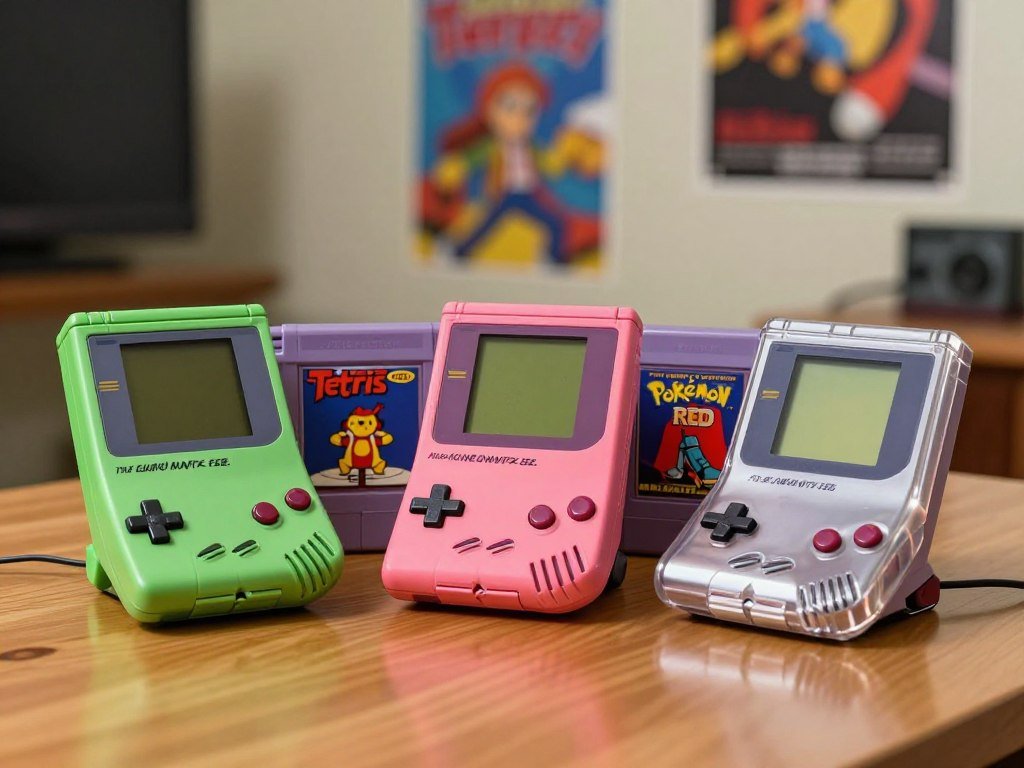
Choose the original Game Boy for monochrome-era play, the Game Boy Color for color with backward compatibility, or the Game Boy Advance for the broadest cartridge reach. Your console shapes which games you can play, so match the system to your collection and preferred screen.
The Game Boy Advance supports Game Boy and Game Boy Color cartridges, while the Game Boy Color cannot play Game Boy Advance games. The original Game Boy gives you the classic monochrome experience, and the middle generation offers color without giving up support for original cartridges.
Check the console model before choosing a cartridge, because backward compatibility works in one direction, not both.
| Generation | Display | Cartridge compatibility | Best fit |
|---|---|---|---|
| Original Game Boy | Monochrome, 160 × 144 | Original Game Boy | Monochrome classics |
| Game Boy Color | Reflective color, 160 × 144 | Game Boy and Game Boy Color | Color with backward compatibility |
| Game Boy Advance | Color, 240 × 160 | Game Boy, Game Boy Color, and Game Boy Advance | Broadest cartridge reach |
Original Game Boy: monochrome classics
The original Game Boy suits you if you want games made for a simple, monochrome screen. Its display measures 160 × 144 pixels, and it plays original Game Boy cartridges. The screen has no backlight, so your room’s light affects how clearly you can see it.
The original Game Boy remains the direct way to experience its first-generation library. If you want to use cartridges from later generations too, choose a newer system instead. Readers comparing software options across generations can also explore this guide to Pokémon emulators by system.
Game Boy Color: color and cartridge compatibility
The Game Boy Color launched in North America on November 18, 1998, at US$79.95. Its reflective TFT LCD is a liquid-crystal screen that reflects ambient light to make its image visible. It measures 44 × 40 mm and displays 160 × 144 pixels.
The system has 32 KB of RAM and 16 KB of video RAM. Its Sharp SM83 processor runs at 4.2 MHz, or 8.4 MHz in dual-speed mode. It plays original Game Boy games, and Nintendo discontinued the Game Boy Color on March 31, 2003. The November 1998 launch date marks its North American arrival.
Game Boy Advance: a larger library and newer hardware
The Game Boy Advance is the broadest backward-compatible choice because it accepts Game Boy and Game Boy Color cartridges, along with its own games. Its 240 × 160 color display gives games more room than earlier screens. Choose it if one handheld needs to cover several generations.
If you want the original handheld experience above all, start with the original Game Boy. If you want color and access to older games, the Game Boy Color offers a useful middle ground. The console and cartridge must match before the game can start.
Best Gameboy Games for Original Game Boy Adventures
For the most complete adventure on the original handheld, start with Link’s Awakening. It has the widest scope of these three picks, with exploration and dungeons packed into a contained game.
Link’s Awakening is the pick for a full-length adventure, while Metroid II and Donkey Kong suit readers after exploration and puzzles. Adventure games among the best Game Boy games offer very different kinds of discovery, from a changing map to clever stage layouts.
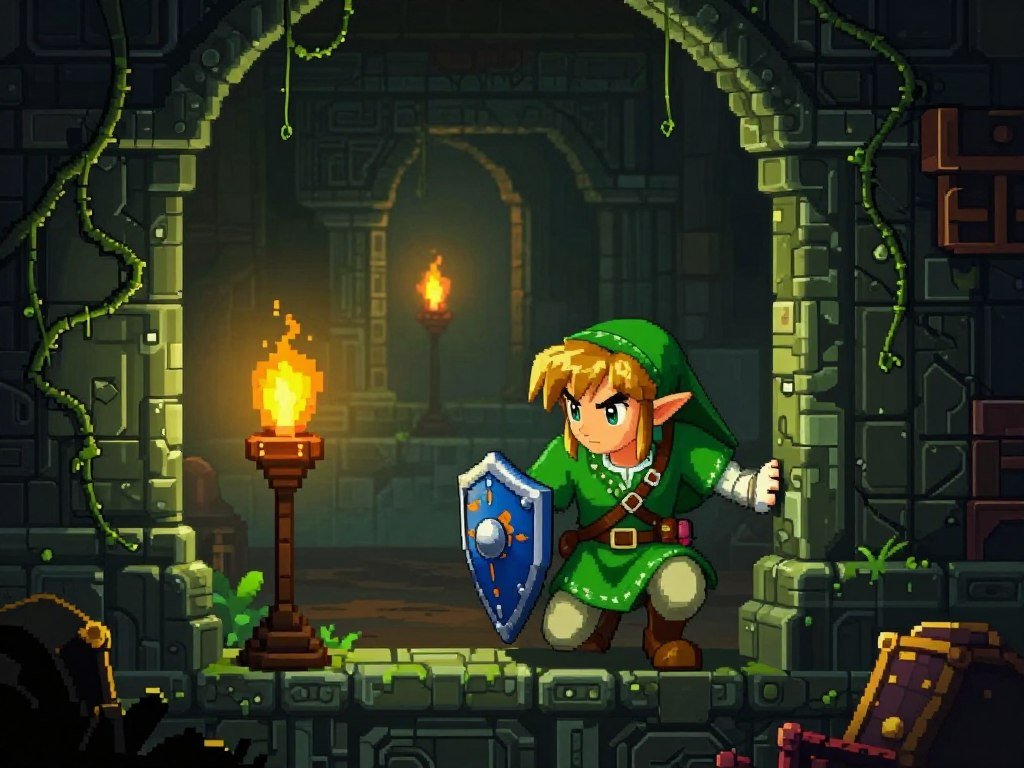
- The Legend of Zelda: Link’s Awakening: Explore an island, solve puzzles, and clear dungeons in a substantial adventure. It gives you a longer goal without requiring a home console.
- Metroid II: Return of Samus: Hunt Metroids across SR388 as Samus. The changing landscape and isolated feel make this a strong choice when you want atmospheric exploration.
- Donkey Kong (1994): The game opens with arcade-style stages, then shifts into inventive puzzle-platforming. That change makes it much more than a straight arcade conversion.
These games suit different moods, so choose by what you want to do with your time. Link’s Awakening offers a clear adventure, Metroid II puts the hunt at its center, and Donkey Kong keeps changing the problem in front of you. That variety makes each one a distinct original game rather than a repeat of the same formula.
If you enjoy classic Nintendo adventures on other systems, browse these Nintendo 64 games worth playing for more solo and multiplayer options. Donkey Kong is the better fit when you want each screen to ask for a new solution. Pick Donkey Kong when you want each new stage to change how you approach the screen.
Which Game Boy Platformers Still Feel Fresh?
Super Mario Land 2 is the best first platformer here if you want themed levels and room to explore. Its six-coin goal gives each zone a clear purpose while leaving space to find your own route.
Choose Super Mario Land 2 for variety, Wario Land for secrets, or Kirby’s Dream Land 2 for companions and character abilities. These Game Boy games give familiar platforming ideas a distinct feel, from Wario’s treasure hunt to Kirby’s animal buddies.

- Super Mario Land: This first Mario Land game gives familiar platforming a different setting and style. It is a good fit when you want a brief, direct run through a new take on Mario.
- Super Mario Land 2: Six Golden Coins: Travel through themed zones and collect six golden coins. The game introduces Wario and gives you more room to explore than a simple straight path.
- Wario Land: Super Mario Land 3: Wario brings different moves and a focus on hidden treasures. The treasure hunt suits secret-finders better than players who want a straightforward route to the end.
- Kirby’s Dream Land 2: Animal buddies join Kirby, and Rainbow Drops give the journey a clear collection goal. Pick it for a friendly adventure built around companions and Kirby’s abilities.
The best game depends on how you like to move through a level. Super Mario Land offers a distinct take on familiar platforming, while Six Golden Coins builds its stages around themed areas. Wario Land shifts the goal toward finding treasure, and Kirby Dream Land adds animal partners.
Fans of the wider genre can find more options in this list of platformer games across systems. In Wario Land, reaching the exit is only part of the fun; hidden treasure changes what counts as a good run. Choose Wario Land when finding hidden treasure matters as much as reaching the end.
Which Game Boy Puzzle Games Suit Short Sessions?
Tetris is the easiest pick for a few minutes of play because a new round begins without a long setup. It gets going fast, and its two-player mode gives you another way to enjoy a quick match.
Tetris is the most immediate choice, while Dr. Mario and Catrap reward more deliberate problem-solving. These game boy games work well when you need a clear stopping point, and each gives you a different kind of challenge.
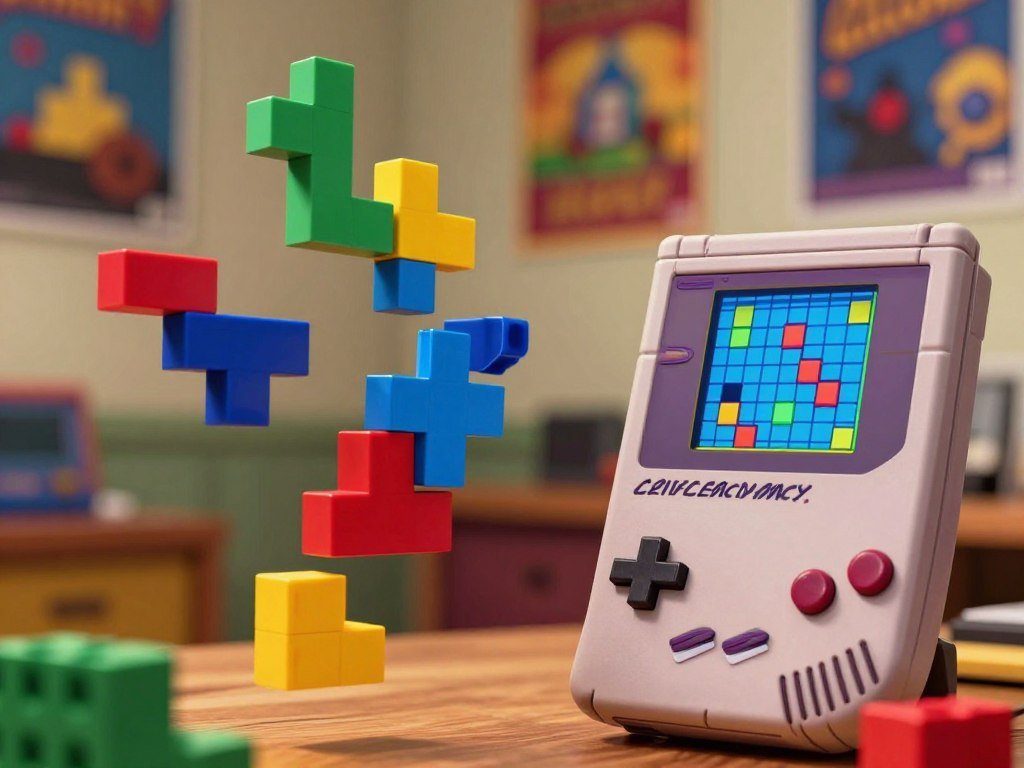
- Tetris: Fit falling blocks into complete lines, then start another round when you are ready. The quick restart makes it easy to play for a few minutes, and two players can compete together.
- Dr. Mario: Match colored pills to clear viruses from the playfield. Its falling-block puzzle setup asks you to plan where each pill lands, making it a more measured choice than Tetris.
- Catrap: Solve room-based puzzles with a move-rewind feature. You can take back a mistake instead of abandoning a promising plan, which makes each move feel more considered.
Tetris is the clearest quick-play game because you can begin a fresh round at once. Dr. Mario works when you want to sort colors and plan placements, while Catrap gives you a puzzle to solve one move at a time.
If you want other ideas for spare moments, this list of games to play when bored covers different devices and moods. Catrap is better than Tetris when you want to plan moves and recover from a mistake. Choose Catrap when undoing a move is more appealing than starting a fresh round.
How Did Pokémon Shape the Game Boy Era?
Pokémon Gold and Silver made the Game Boy Color era feel like a new beginning by adding Johto and 100 new Pokémon. The change felt broad: the series moved beyond its original Red and Blue adventure into a new region with more to do.
Gold and Silver shipped 23 million units worldwide, while Crystal became the best-selling game made exclusively for Game Boy Color. The Game Boy and Game Boy Color combined sold 118.69 million units worldwide, helping make the handheld era a major home for Pokémon.
Gold and Silver introduced the Johto region and 100 new Pokémon in 1999. Their real-time internal clock supports time-based events, and Pokémon can hold items such as berries. Those features made the world feel active beyond a single battle or walk through tall grass.
The release figures point to two different milestones. Gold and Silver shipped 23 million units worldwide, while Pokémon Crystal shipped 6.39 million units and stands as the best-selling game developed exclusively for Game Boy Color. Crystal’s status differs from the combined reach of its predecessors.
Pokémon also reached the handheld in a separate form. Pokémon Trading Card Game came out in 1998, bringing card battles to the Game Boy. The main series, its later entries, and this card game gave players distinct ways to spend time with the brand.
Gold and Silver’s 23-million shipments show the scale of that release, while Crystal represents a color-only milestone. Choose Gold or Silver for the bigger generational leap, and Crystal for the Game Boy Color exclusive.
Which Game Boy Color Games Deserve a Place on Your List?
Link’s Awakening DX is the best color-era starting point for anyone who wants a familiar adventure with a new dungeon. Its added area gives returning players a reason to explore again without changing the core appeal.
Choose Link’s Awakening DX for extra color-era content, the Oracle games for two connected-feeling adventures, or Shantae for platforming. The best Game Boy Color games suit different play styles, so this is a selective list of 30 rather than a Top 100 inventory.
- The Legend of Zelda: Link’s Awakening DX: This color version adds a Colour Dungeon to the original adventure. It is a strong starting point if you know the earlier game and want new content.
- The Legend of Zelda: Oracle of Ages: This 2001 adventure pairs well with Oracle of Seasons. Each sold just under four million units, and the two games give you different journeys in the same broad world.
- The Legend of Zelda: Oracle of Seasons: Choose this companion game for another full adventure that feels linked to Oracle of Ages. Together, the pair offers more than one route through a color-era Zelda experience.
- Shantae: Hair-whipping attacks give this platformer its own rhythm. Pick it when you want to move through levels, use character abilities, and find a different feel from Mario or Kirby.
Search results for the best Game Boy Color games on Metacritic can mix up systems: the Metacritic scores in this guide cover Game Boy Advance games, not a Game Boy Color ranking. These recommendations instead focus on play style. They also are not a Top 100 inventory, but a selective set of 30 games across three handheld generations.
Loose-game values can help you compare listed cartridges, but they do not tell you what a boxed copy costs. The following 2026 prices refer to each cartridge without its box and manual. These are loose-game prices, not boxed-copy prices.
| Game | Condition | 2026 loose-game price |
|---|---|---|
| Pokémon Crystal | Loose game | $155.26 |
| Pokémon Gold | Loose game | $57.75 |
| Pokémon Silver | Loose game | $49.97 |
| The Legend of Zelda: Link’s Awakening DX | Loose game | $62.56 |
| The Legend of Zelda: Oracle of Seasons | Loose game | $60.00 |
The 2026 loose-game prices show clear differences across these five cartridges, with Pokémon Crystal listed highest. Compare the exact cartridge and its condition before treating a loose-game value as the amount you will pay.
Which Game Boy Advance Games Belong in a Wider List?
The Legend of Zelda: A Link to the Past / Four Swords and Tony Hawk’s Pro Skater 2 lead the review-score group at 95 apiece. That score ties them at the top of the listed Game Boy Advance review results.
Metroid Fusion leads the community ranking, while the two 95-Metascore titles lead this review-score group. Critic scores and player rankings measure different things, so use each as a guide rather than a promise that one game will suit you.
High-scoring action and sports games
These four Game Boy Advance games score from 93 to 95. They cover action, sports, platforming, and racing, so the top review tier includes more than one kind of play.
- The Legend of Zelda: A Link to the Past / Four Swords: 95 Metascore. This package pairs a Zelda adventure with a multiplayer mode.
- Tony Hawk’s Pro Skater 2: 95 Metascore. Choose it for fast skateboarding runs and trick-focused play.
- Super Mario Advance 4: Super Mario Bros. 3: 94 Metascore. It brings a well-known Mario platformer to the handheld.
- Mario Kart: Super Circuit: 93 Metascore. Its racing format suits quick competition and repeat races.
Standouts with a 92 Metascore
Four titles share a 92 Metascore, with strategy, platforming, action, and role-playing represented. The scores put them in the same tier, but their pace and goals differ.
- Advance Wars: 92 Metascore. Plan turns and move units across tactical battle maps.
- Super Mario World: Super Mario Advance 2: 92 Metascore. Take on a classic Mario platforming adventure on the Game Boy Advance.
- Metroid Fusion: 92 Metascore. Explore a tense sci-fi setting as Samus.
- Final Fantasy VI: 92 Metascore. Pick this role-playing game for a longer story and turn-based battles.
More strong picks from 90 to 91
These five games score from 90 to 91. This range includes more platformers, two Castlevania adventures, a role-playing game, and a Mario series entry.
- Yoshi’s Island: Super Mario Advance 3: 91 Metascore. Guide Yoshi through colorful stages with a focus on careful platforming.
- Castlevania: Aria of Sorrow: 91 Metascore. Explore a gothic setting and fight with a range of abilities.
- Golden Sun: 91 Metascore. Follow a role-playing adventure with battles and exploration.
- Castlevania: Circle of the Moon: 91 Metascore. Choose this action game for castle exploration and combat.
- Mario & Luigi: Superstar Saga: 90 Metascore. Its turn-based battles add timed actions to the role-playing format.
Community favorites beyond the review scores
GameFAQs ranks Metroid Fusion first with 167 points and Castlevania: Aria of Sorrow fifth with 105 points. The same ranking places The Minish Cap second with 131, Metroid: Zero Mission third with 125, and Pokémon Ruby, Sapphire, and Emerald fourth with 108.
- The Legend of Zelda: The Minish Cap: Second in the GameFAQs ranking, with 131 points.
- Metroid: Zero Mission: Third, with 125 points.
- Pokémon Ruby, Sapphire, and Emerald: Fourth, with 108 points.
That ranking gives 10 points to a voter’s first-place game and one point to a voter’s tenth-place game. Metroid Fusion and Castlevania: Aria of Sorrow also rank among the community favorites, at first and fifth respectively. Readers looking at related Nintendo series can explore these GameCube picks for Nintendo fans, including Metroid, Zelda, and Mario games.
A Top 100 Game Boy Advance games list would cover more than these recommendations: this is a set of 16 picks within a 30-game guide, not a claim to rank 100 titles. For another way to weigh critic scores and player preference, see this overview of PS5 games and review scores. Use the review scores for a quick shortlist, then weigh the community ranking as a separate measure of player preference.
What Should You Check Before Playing a Used Cartridge?
Before committing to a long play session, confirm that the cartridge boots on the system you plan to use. Start with compatibility, then check the physical condition and test a save before settling into a game.
A cartridge that starts once may still fail to keep your progress, so test both booting and saving. The original Game Boy screen has no backlight, which makes screen legibility depend on the light around you.
Confirm the console and cartridge match
Use this short checklist before a long session. Each check catches a different problem, from a system mismatch to a save that will not last after power-off.
- Match the cartridge generation to the console.
- Inspect the cartridge shell, label, and contacts for damage or dirt.
- Start the game and confirm that it reaches its opening screen.
- Save a small amount of progress, power off, then check whether it remains.
Test the display and save before settling in
A readable screen matters as much as a working cartridge. Since the original Game Boy is not backlit, check the screen in the room or travel setting where you plan to play. A dim display can make an otherwise sound game hard to follow.
Cartridge condition and compatibility can affect whether a used game boots and saves reliably. A shell can look clean while the game still fails to start or retain progress. If the save disappears after you turn the system off, treat that as a warning before investing more time.
Saving a small amount first gives you a direct test of the cartridge’s memory. Do not rely on a successful opening screen as proof that the game will keep your progress. Test the save before beginning a long adventure, since a game that resets can erase hours of progress.
Conclusion
The best pick is the one that fits the kind of play you want today and the system available to you. A quick puzzle, a platformer, and a longer adventure each suit a different stretch of free time.
The correct handheld matters as much as the title, since cartridge support changes across generations. Choose one game, confirm it works with your handheld, and give it a short first session before deciding whether to keep going.
FAQ
Can a Game Boy Advance play original Game Boy and Game Boy Color cartridges?
Yes, the Game Boy Advance plays original Game Boy and Game Boy Color cartridges, as well as its own games. The reverse does not apply to Game Boy Advance cartridges: a Game Boy Color cannot play them. That makes the Advance a useful choice if you want one system for games from all three handheld generations.
Can a Game Boy Color cartridge run on the original Game Boy?
Some can, but only cartridges designed to work in both systems run on the original Game Boy. A Game Boy Color-only cartridge needs a color-capable system. Check the cartridge’s compatibility markings before you buy or start a game, since the label can distinguish dual-mode games from color-only releases.
How can you tell if a used Game Boy cartridge save battery is failing?
A save that disappears after you power off is a warning sign that the cartridge may not retain progress. Clock-dependent games can also lose time-based functions if their internal battery fails. Test a save, turn off the system, then return to the game and check whether your progress remains before starting a long adventure.
Do loose Game Boy Color prices include the box and manual?
No, a loose-game price refers to the cartridge without its box and manual. The cartridge’s condition still matters, so two loose copies of the same title may not have the same value. Boxed copies include extra materials and should not be compared directly with a loose cartridge’s listed price.
What is a good Game Boy game for a short session?
Tetris is a good choice because you can start a round without setting up a long adventure. A quick restart makes it easy to play for a few minutes, then stop when you need to. Its two-player mode also gives you a way to play with someone else when you have more time.
Why is the original Game Boy hard to see in some lighting?
The original Game Boy screen is not backlit, so it relies on ambient light to make the image easy to see. In a dim room, the display can be hard to read. Check the screen in the place where you plan to play, since a light that works at home may not be available during a trip.